Artwork
The death of Cleopatra
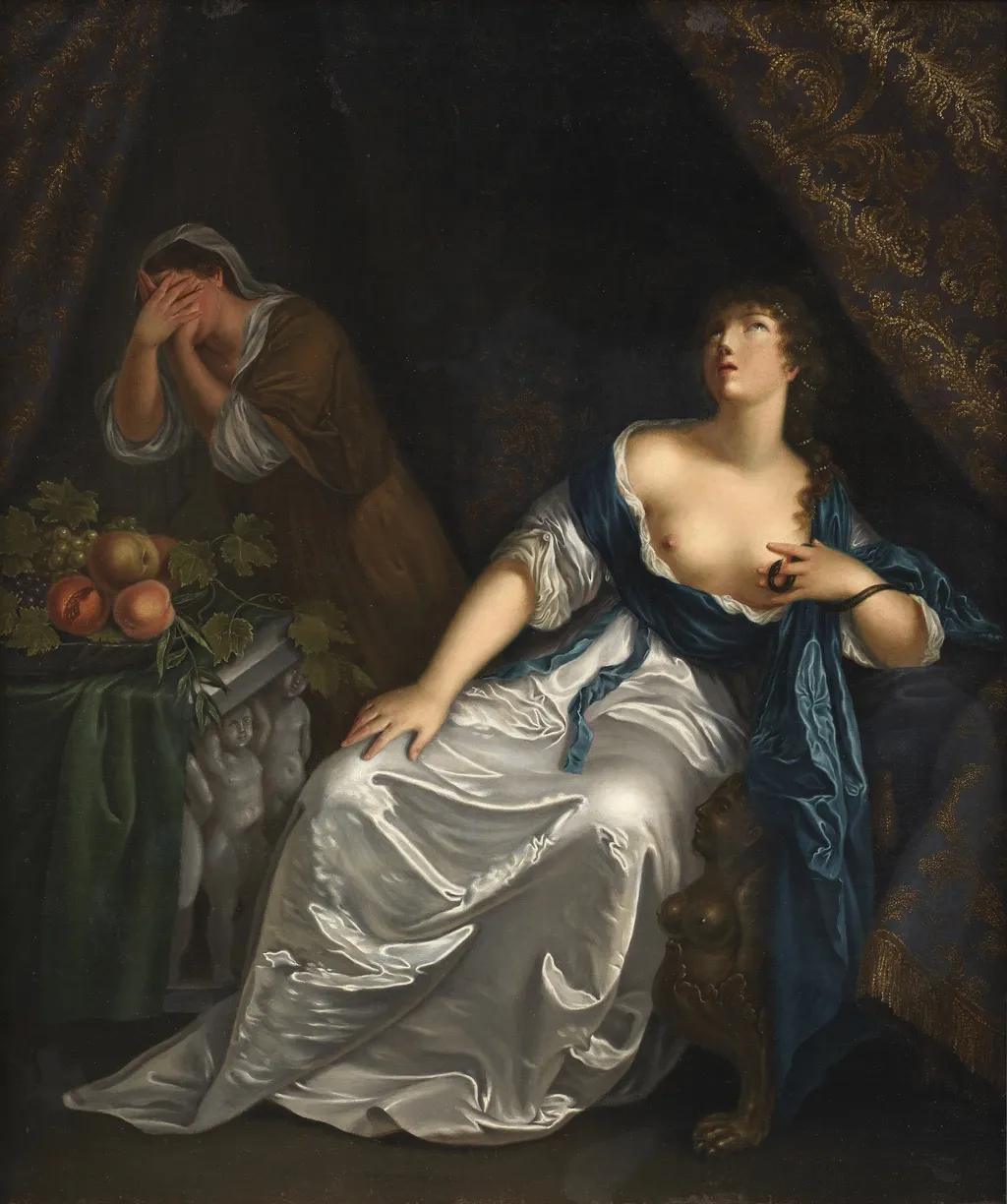
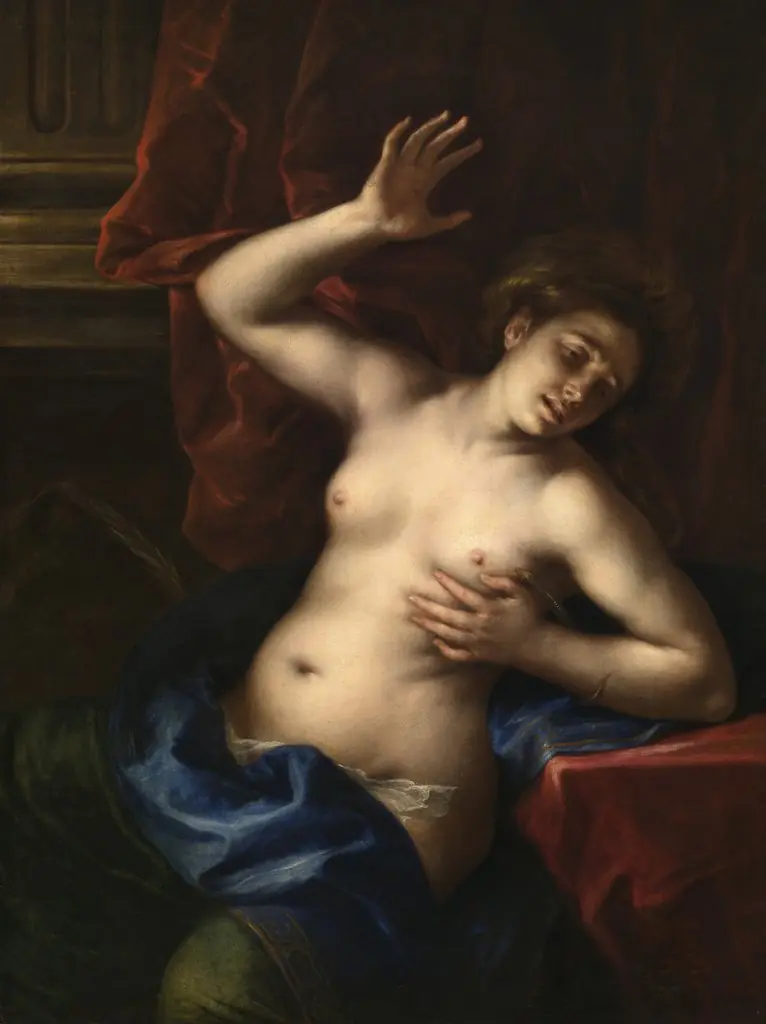
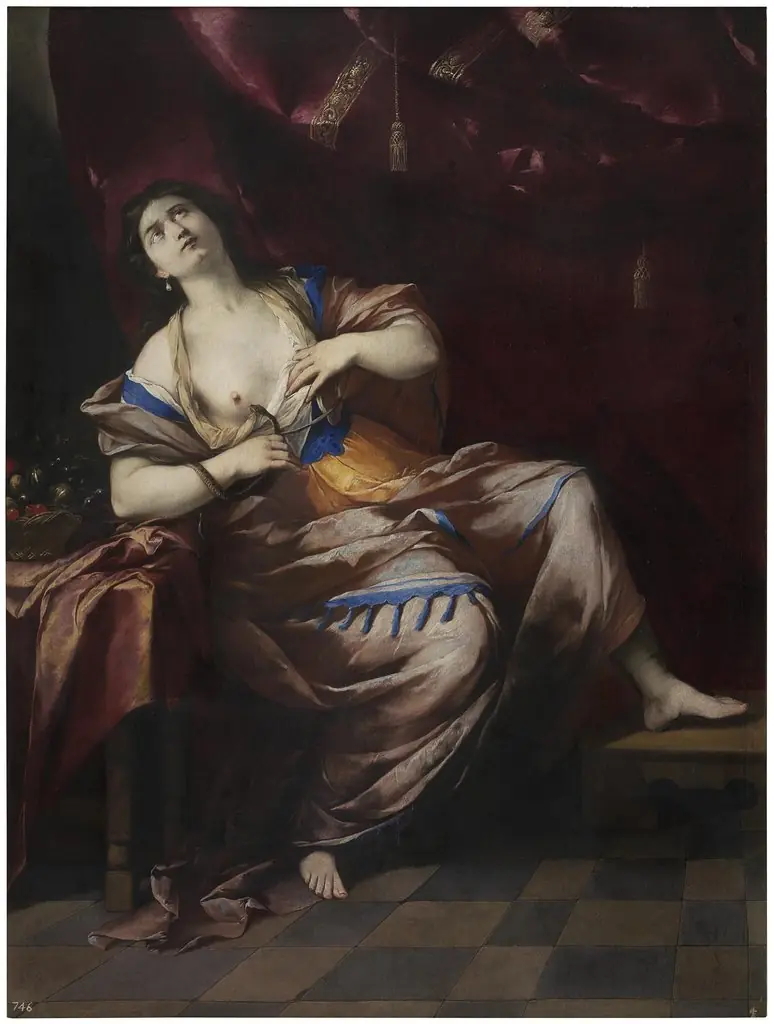
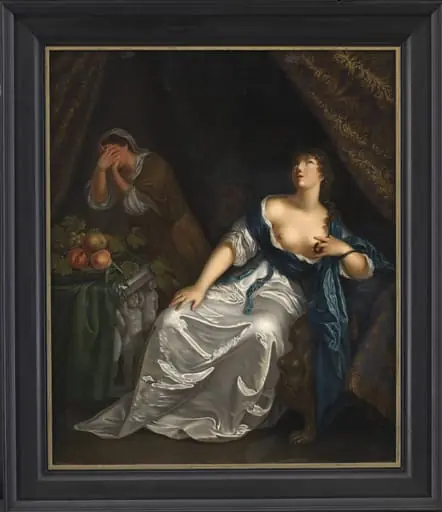
The death of Cleopatra is an oil painting by the Neoclassicist artist Julie Lütken. It dates from 1813 and is held in the collection of the Statens Museum for Kunst.
About this work
Overview
Julie Lütken, a Danish artist active in the early 19th century, completed *The Death of Cleopatra* in 1813 using oil on canvas.
Julie Lütken, a Danish artist active in the early 19th century, completed *The Death of Cleopatra* in 1813 using oil on canvas. Trained privately under Johan Ludwig Lund and others, she worked within the neoclassical tradition. The painting is part of the permanent collection at Statens Museum for Kunst. Lütken, who died at 28, was among the rare female painters of her era to exhibit at the prestigious Charlottenborg Spring Exhibition, a notable achievement given the gender barriers of the time.
Subject & Meaning
The scene captures Cleopatra in her final moments, reclining on a couch as she succumbs to death, likely from the bite of an asp. Her posture—head tilted back, eyes closed—suggests resignation rather than agony. A female attendant stands behind her, face hidden in grief, emphasizing the intimacy and solemnity of the moment. The composition avoids theatricality, focusing instead on quiet dignity, aligning with neoclassical ideals of restrained emotion and noble suffering.
Technique & Style
Lütken employed chiaroscuro to heighten emotional tension, contrasting deep shadows with subtle highlights on Cleopatra’s pale skin and white garment. The dark, muted background isolates the figures, directing focus to their gestures and expressions. A blue shawl and faint gold accents add restrained color, while the small object in Cleopatra’s hand—likely the serpent—is rendered with ambiguity, inviting contemplation rather than spectacle. The brushwork is precise, reflecting her academic training and attention to anatomical detail.
History & Provenance
Painted in 1813, the work entered the collection of Statens Museum for Kunst shortly after its creation. Lütken’s early death in 1816 limited her output and public recognition, but this painting remained a significant example of her skill. It was likely exhibited at Charlottenborg, where her participation as a woman was exceptional. The painting’s survival and continued display reflect its importance within Danish art history, despite the limited documentation of her career.
Context
In early 19th-century Denmark, women were largely excluded from formal art academies and public exhibitions. Lütken’s ability to train privately and exhibit at Charlottenborg placed her among a small group of pioneering female artists. The choice of Cleopatra—a figure associated with intellect, power, and tragic agency—may reflect both classical fascination and a subtle assertion of female subjectivity in a male-dominated artistic landscape.
Legacy
Though Lütken’s career was brief, *The Death of Cleopatra* endures as a testament to her technical command and emotional restraint. It stands as one of the few surviving works by a Danish woman artist of the period, offering insight into the quiet persistence of female creativity amid institutional barriers. The painting contributes to broader discussions about gender, classical narrative, and the limits of artistic recognition in the early Romantic era.
Own this work as a print
Artist & collection
Artist
Marie Dorethea Juliane (Julie) Lütken (1788–1816) was a Danish painter who specialized in landscapes.