Artwork
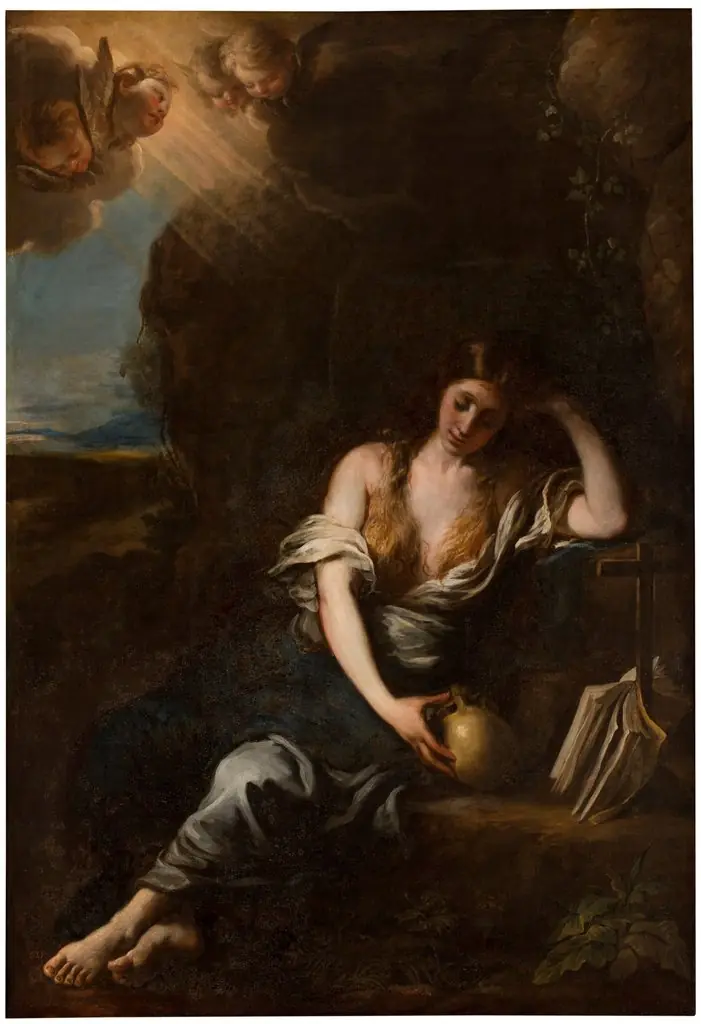
Penitent Magdalene
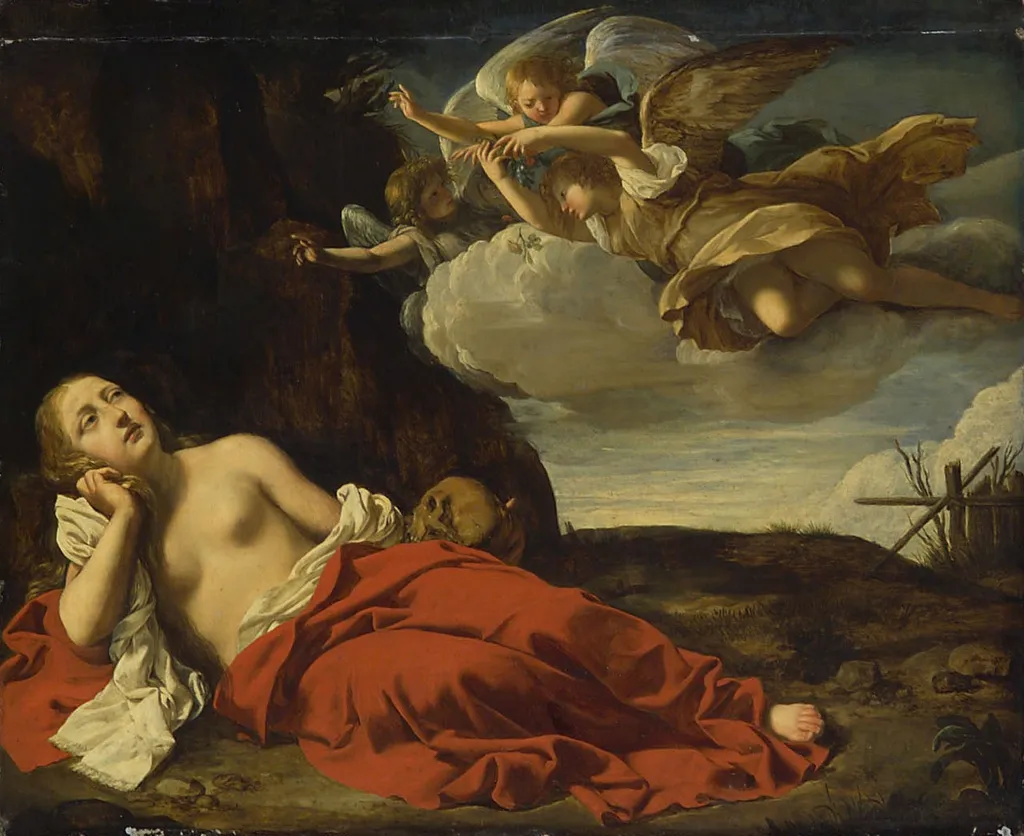
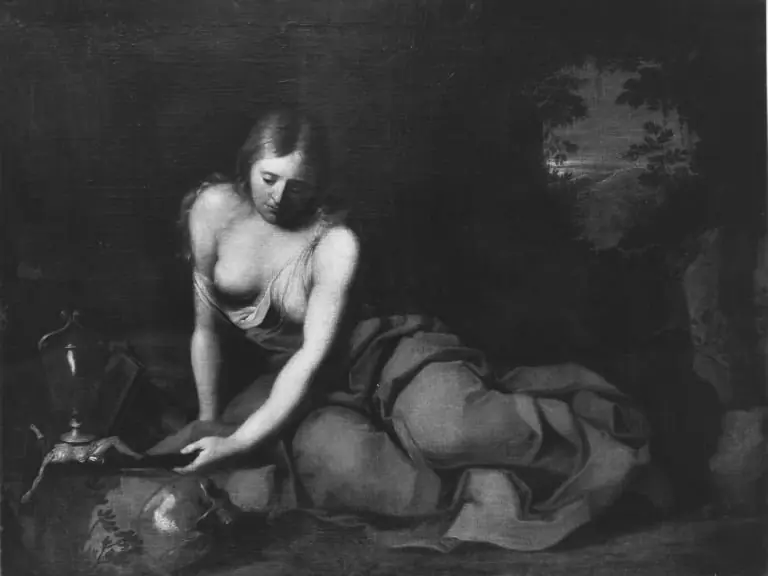
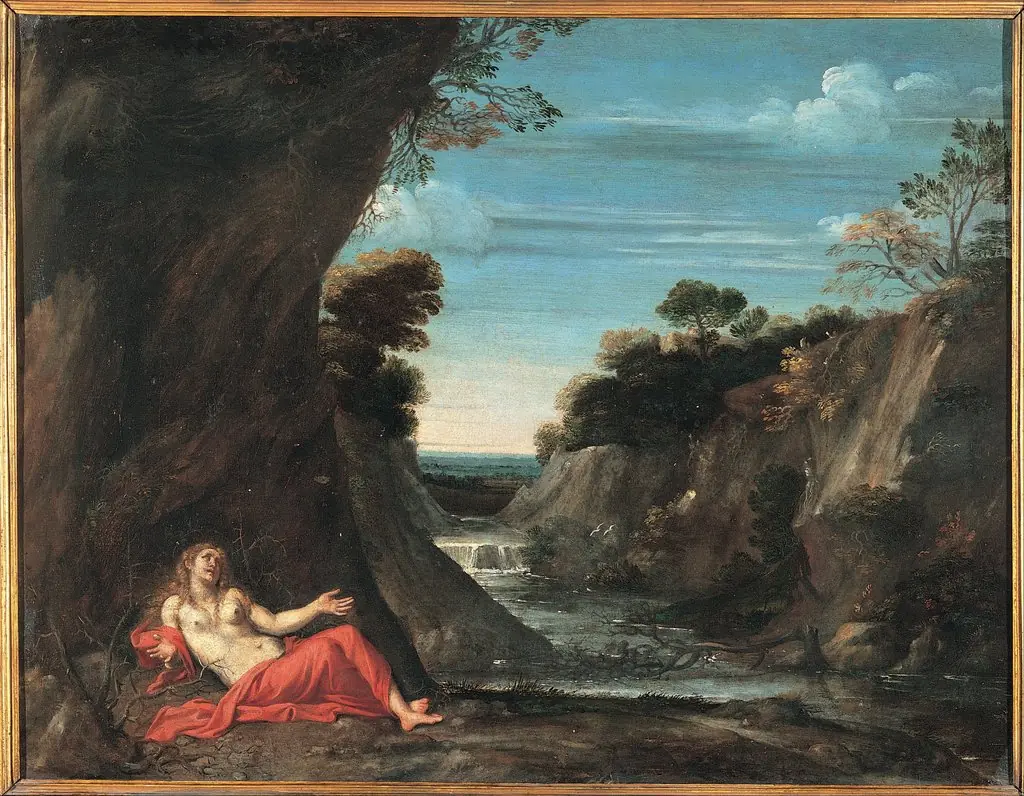
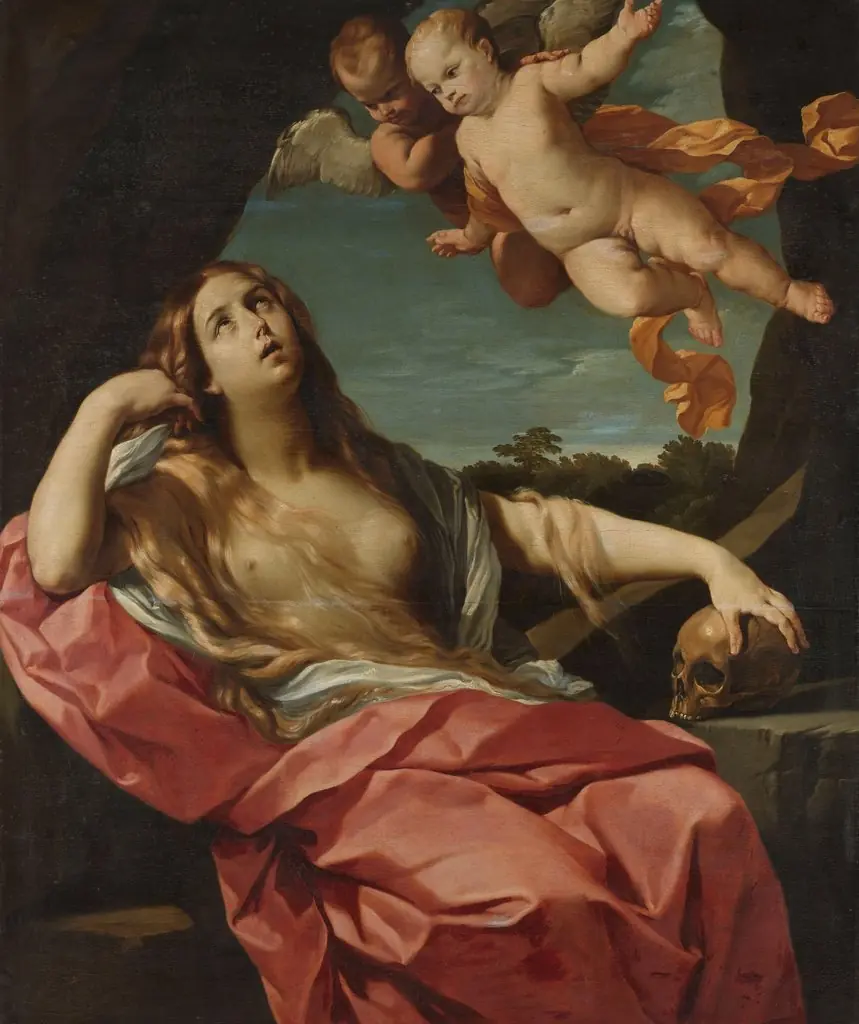
Penitent Magdalene is an unspecified painting by the Early Baroque Italian artist Guido Cagnacci. It dates from 1642 and is held in the collection of the Kunsthistorisches Museum.
About this work
Overview
Penitent Magdalene is a painting by Italian Baroque artist Guido Cagnacci, created circa 1642. It is characteristic of the early Italian Baroque style and is part of the Kunsthistorisches Museum's collection.
Subject & Meaning
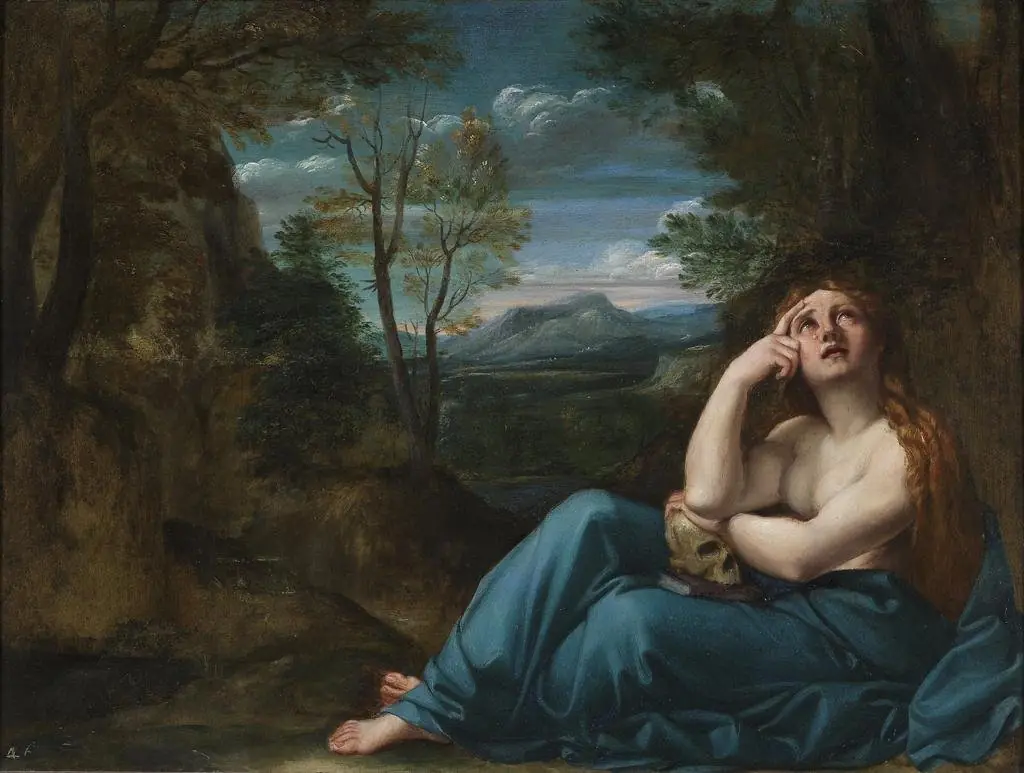
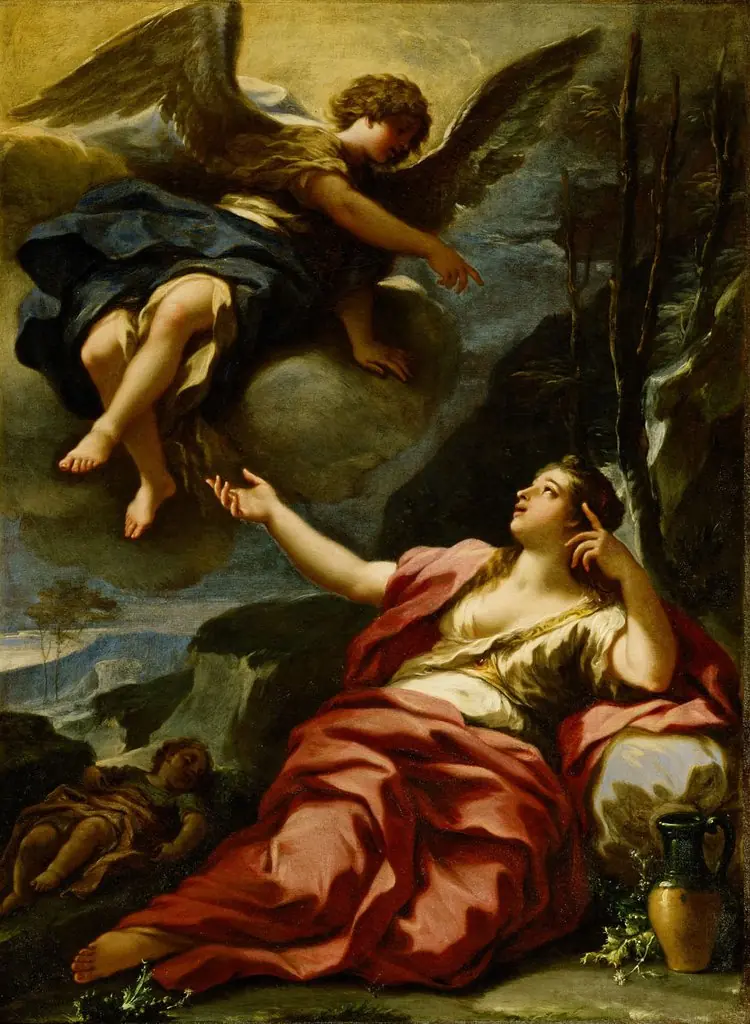
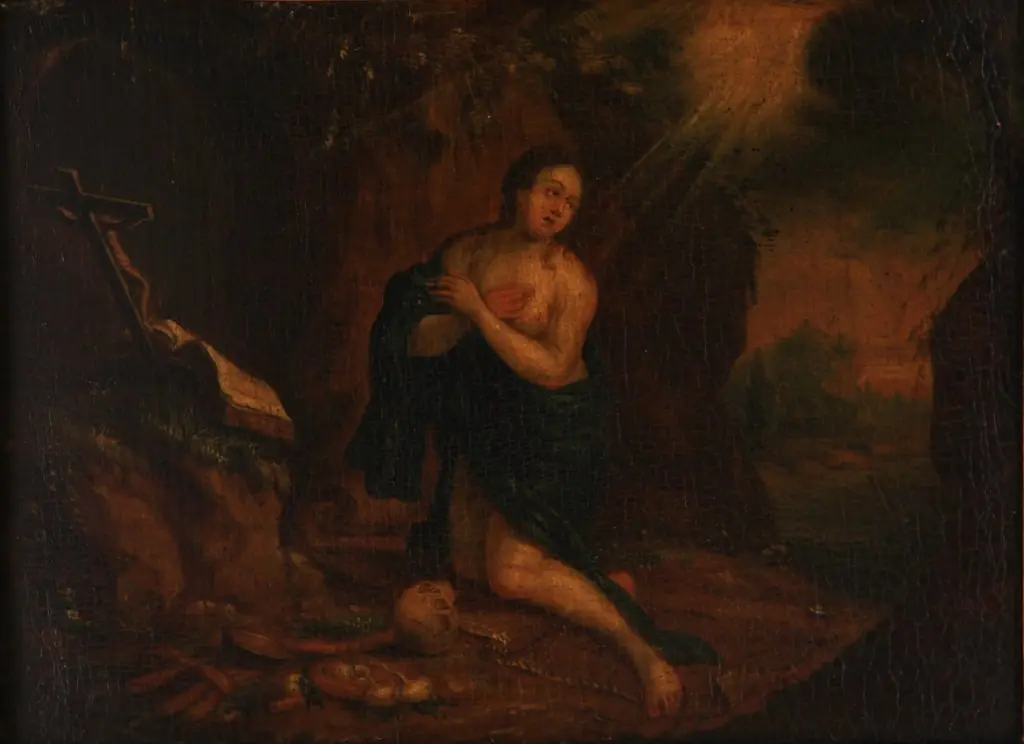
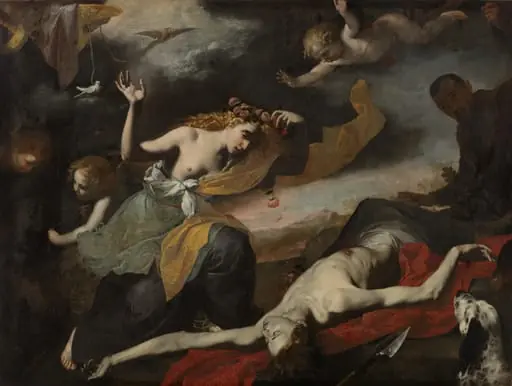
The painting depicts Mary Magdalene in a state of penitence. She is shown reclining in a contemplative pose, surrounded by symbols of her repentance and spiritual transformation, including a skull, cherubs, and draped clothing.
Technique & Style
Cagnacci employs chiaroscuro to create a sense of depth and emotional intensity. The contrast between the subject's illuminated form and the dark, rocky backdrop emphasizes her introspective state. The work reflects the influence of the Bolognese School on Cagnacci's style.
History & Provenance
Created around 1642, the painting is now held in the collection of the Kunsthistorisches Museum. Cagnacci's work during this period often featured sensual yet religious subjects, blending the earthly with the divine.
Context
Penitent Magdalene was produced during a time when religious themes dominated Italian Baroque art. Cagnacci's interpretation of Mary Magdalene's penitence reflects the era's emphasis on emotional and psychological depth in religious subjects.
Legacy
While specific details on the painting's direct influence are not provided, it contributes to the broader legacy of Italian Baroque art, showcasing the period's characteristic use of chiaroscuro and emotionally charged religious themes.
Artist & collection
Artist
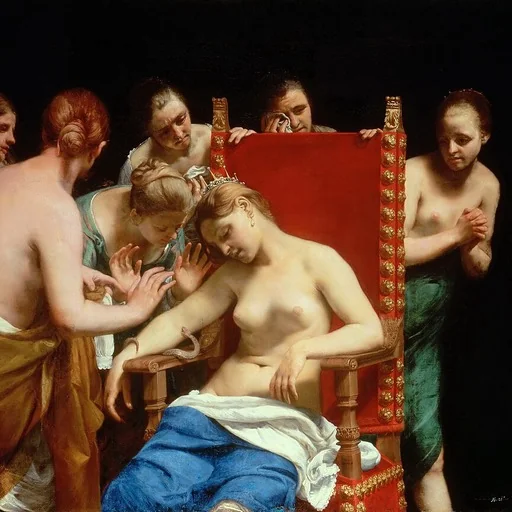
Guido Cagnacci (Italian: ; 13 January 1601 – 1663) was an Italian Baroque painter originally from Santarcangelo di Romagna.