Artwork
David with the Head of Goliath
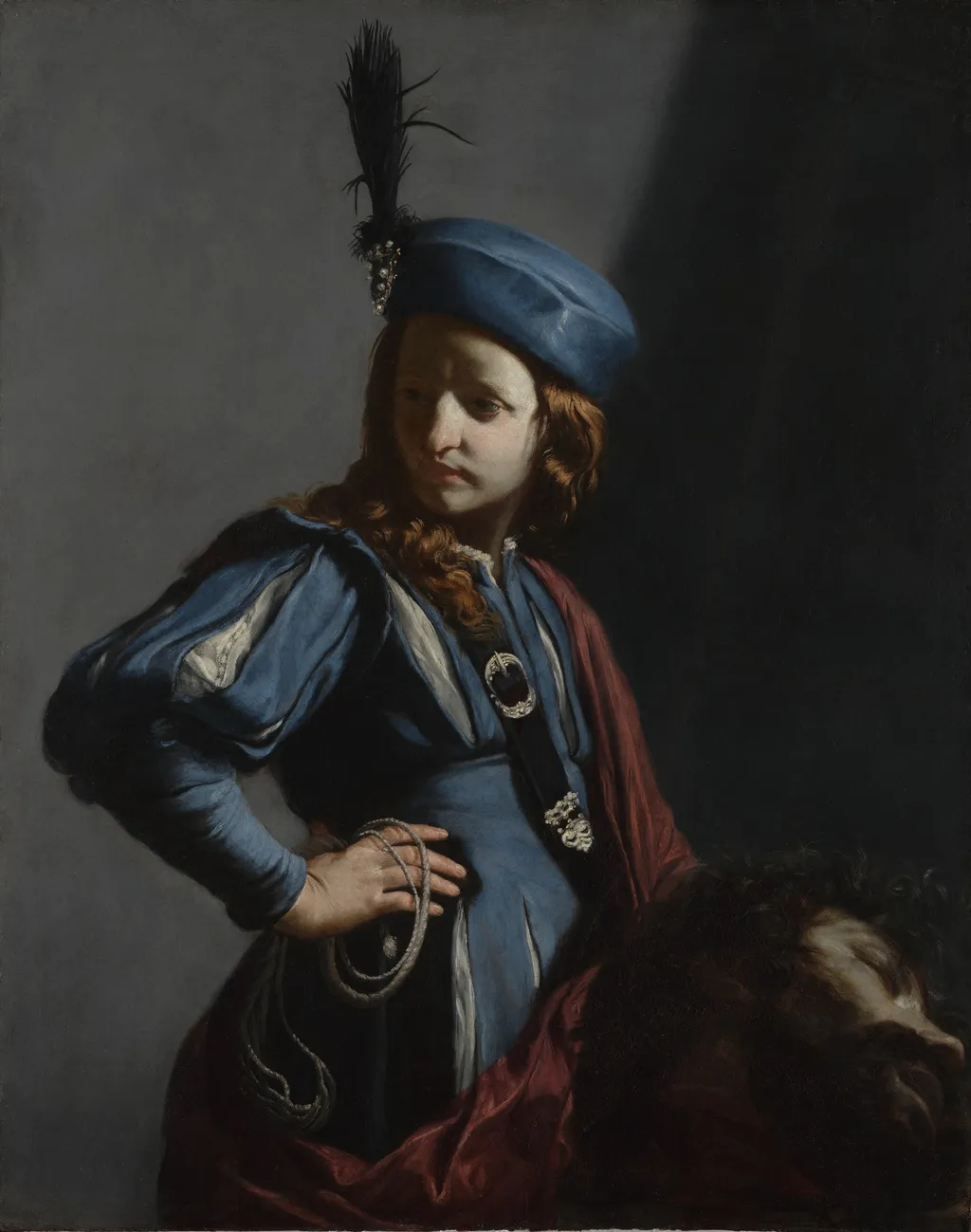
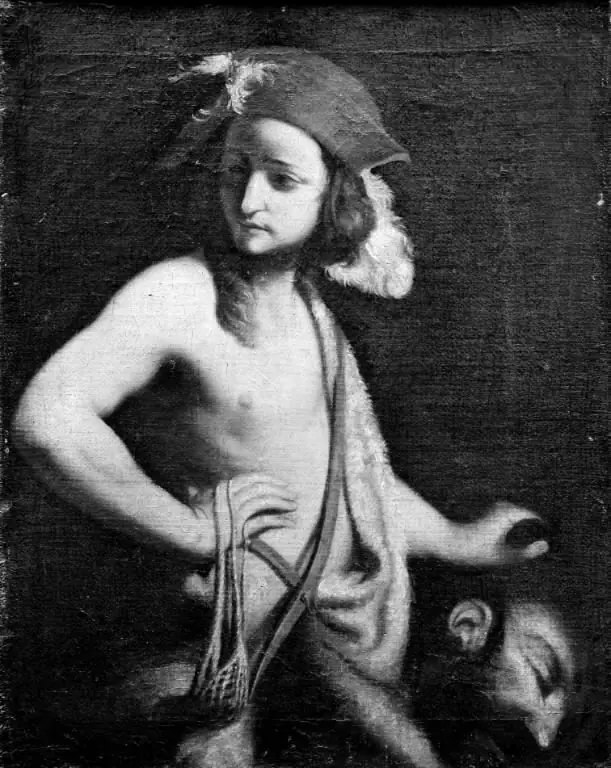
David with the Head of Goliath is an oil painting by the Early Baroque Italian artist Guido Cagnacci. It dates from 1645 and is held in the collection of the J. Paul Getty Museum.
About this work
Overview
Guido Cagnacci’s 1645 oil painting, *David with the Head of Goliath*, presents a youthful figure clutching the severed head of the Philistine giant. The composition is dominated by a dramatic play of light and shadow, focusing attention on the central interaction between the two figures. The work is part of the Getty Museum’s collection and exemplifies the mature phase of Cagnacci’s career.
Subject & Meaning
Dressed in a blue hat and shirt with a red cape, David’s downcast gaze and solemn expression convey a moment of reflection rather than triumph.
The canvas portrays the biblical hero David after his victory, holding Goliath’s decapitated head. Dressed in a blue hat and shirt with a red cape, David’s downcast gaze and solemn expression convey a moment of reflection rather than triumph. The open‑mouth head, positioned toward the lower right, underscores the violent finality of the encounter while inviting contemplation of the moral weight of conquest.
Technique & Style
Cagnacci employs a pronounced chiaroscuro, juxtaposing illuminated flesh against deep, enveloping darkness to heighten the scene’s emotional intensity. The brushwork is smooth in the flesh tones, while the surrounding drapery and background are rendered with looser strokes, creating depth. This handling of light and texture aligns with the early Baroque aesthetic and reflects the influence of the Bolognese School’s dramatic visual language.
History & Provenance
Created in 1645, the painting emerged during Cagnacci’s most productive period after his relocation to Rome. It remained in private collections for several centuries before being acquired by the J. Paul Getty Museum, where it now resides. Documentation of its ownership trail confirms its continuous attribution to Cagnacci and its preservation in good condition.
Context
Cagnacci, a native of Santarcangelo di Romagna, worked within the broader Italian Baroque movement, which favored dynamic compositions and heightened emotional expression. His training under the Bolognese tradition informed his use of chiaroscuro and sensual undertones, evident in the tactile rendering of fabrics and flesh. The painting reflects contemporary interest in biblical subjects rendered with theatrical realism, a hallmark of mid‑17th‑century art.
Own this work as a print
Artist & collection
Artist
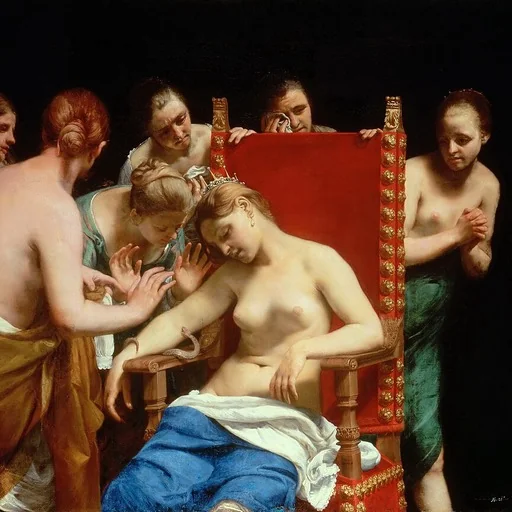
Guido Cagnacci (Italian: ; 13 January 1601 – 1663) was an Italian Baroque painter originally from Santarcangelo di Romagna.



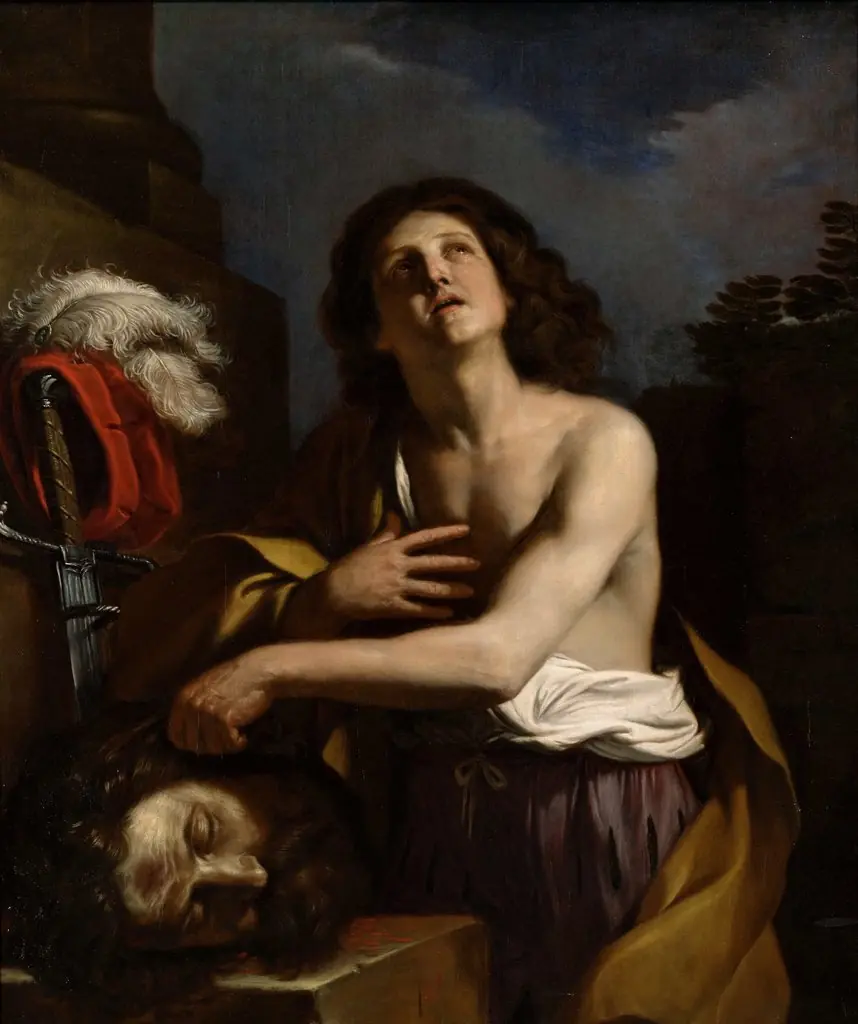 David with the Head of Goliath
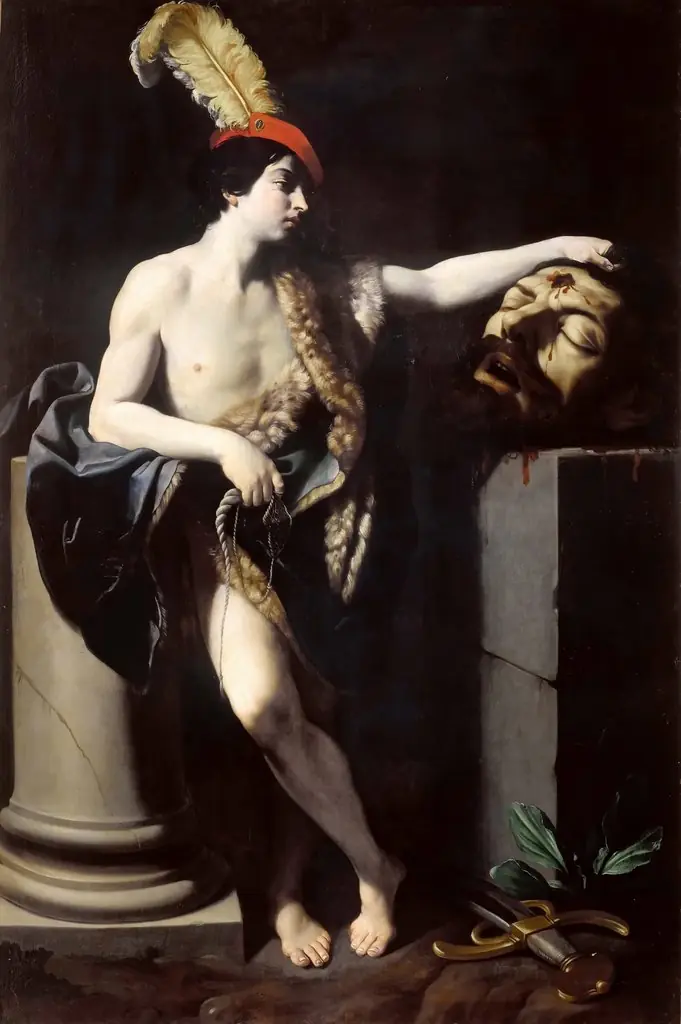 David with the Head of Goliath
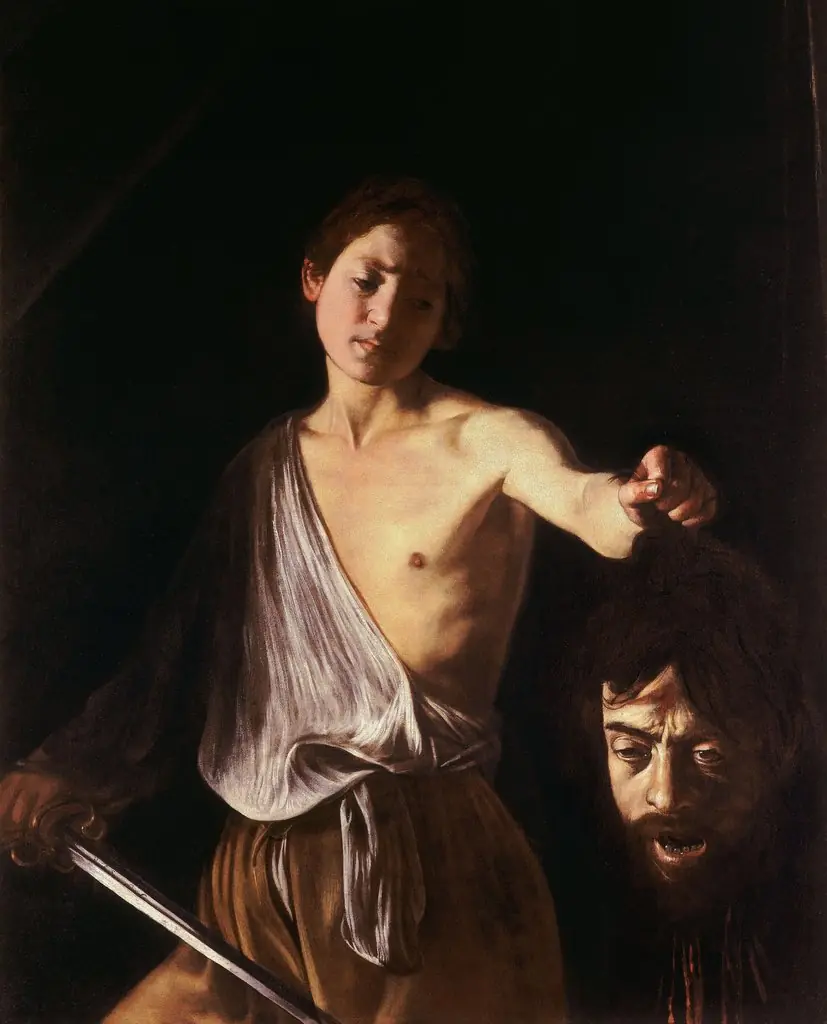 David with the Head of Goliath
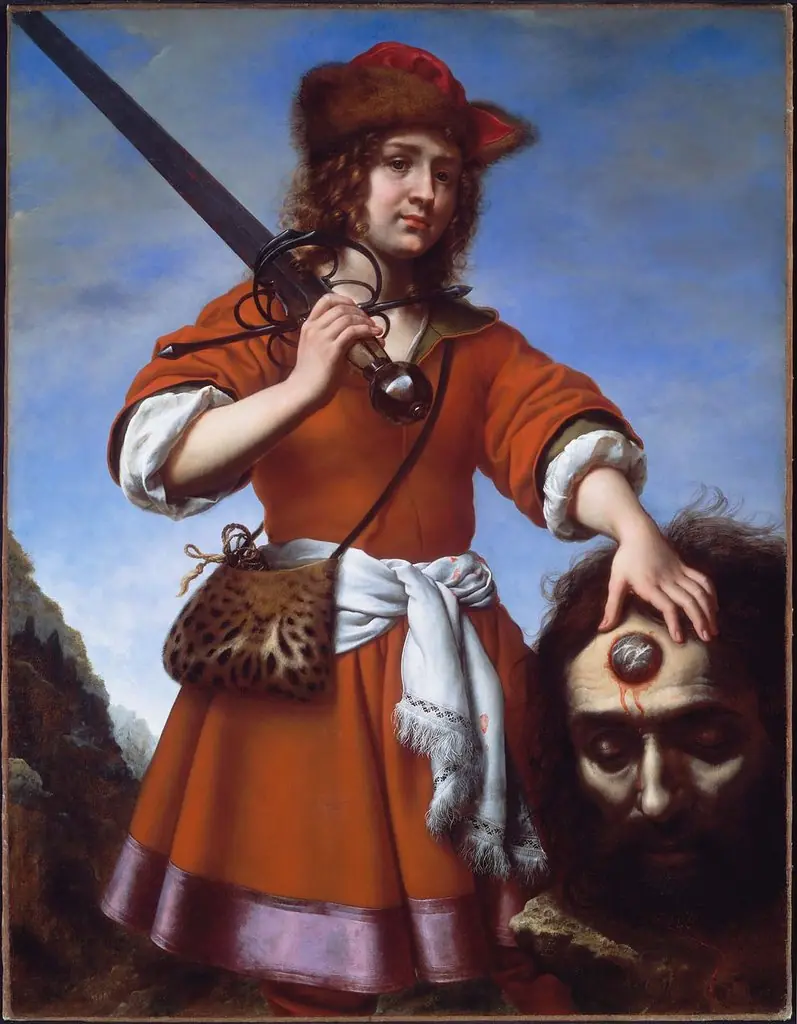 David with the Head of Goliath
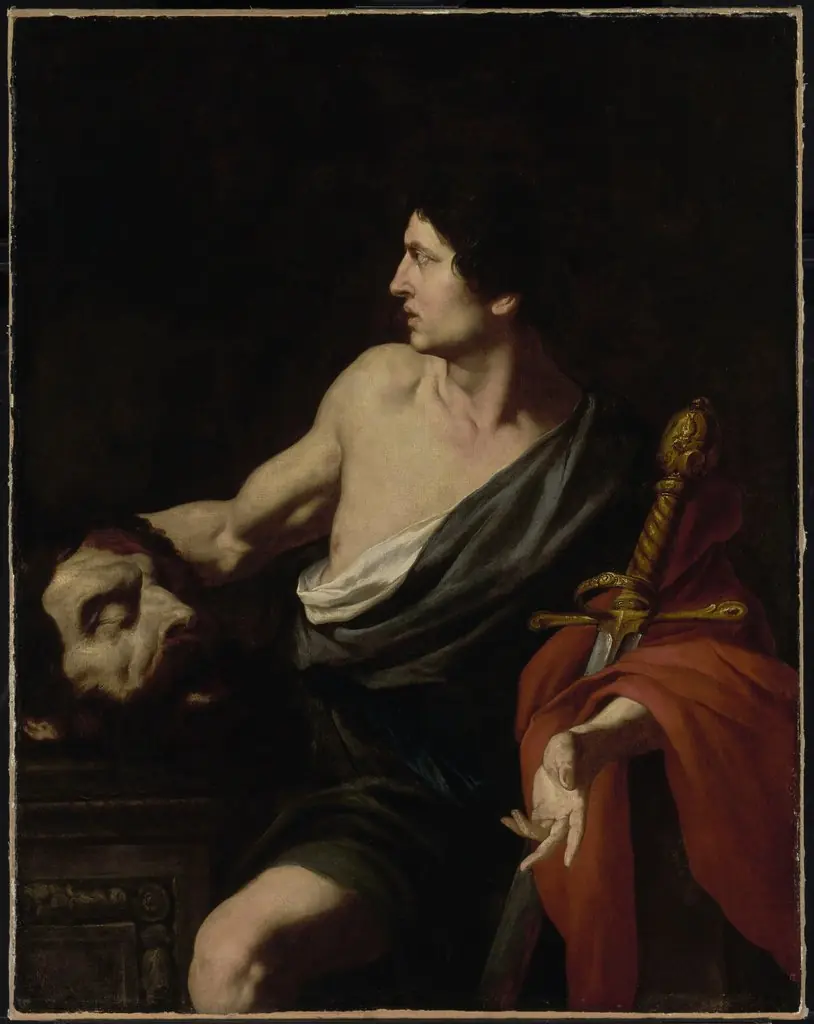 David with the Head of Goliath
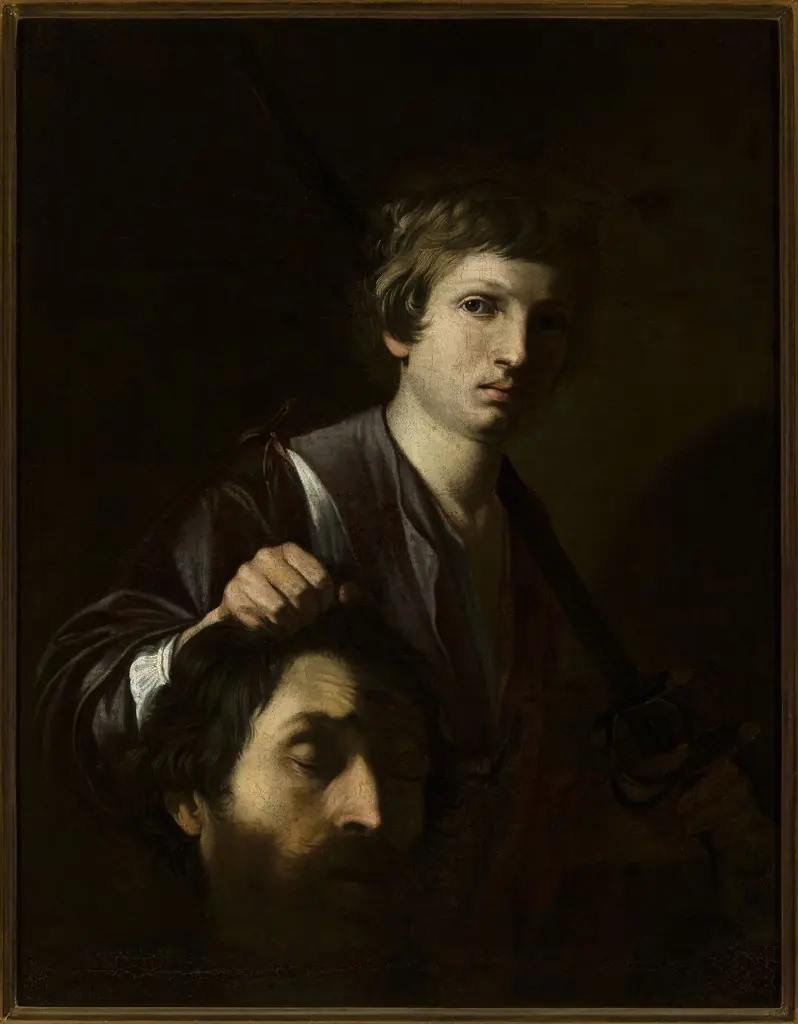 David with Goliath’s head
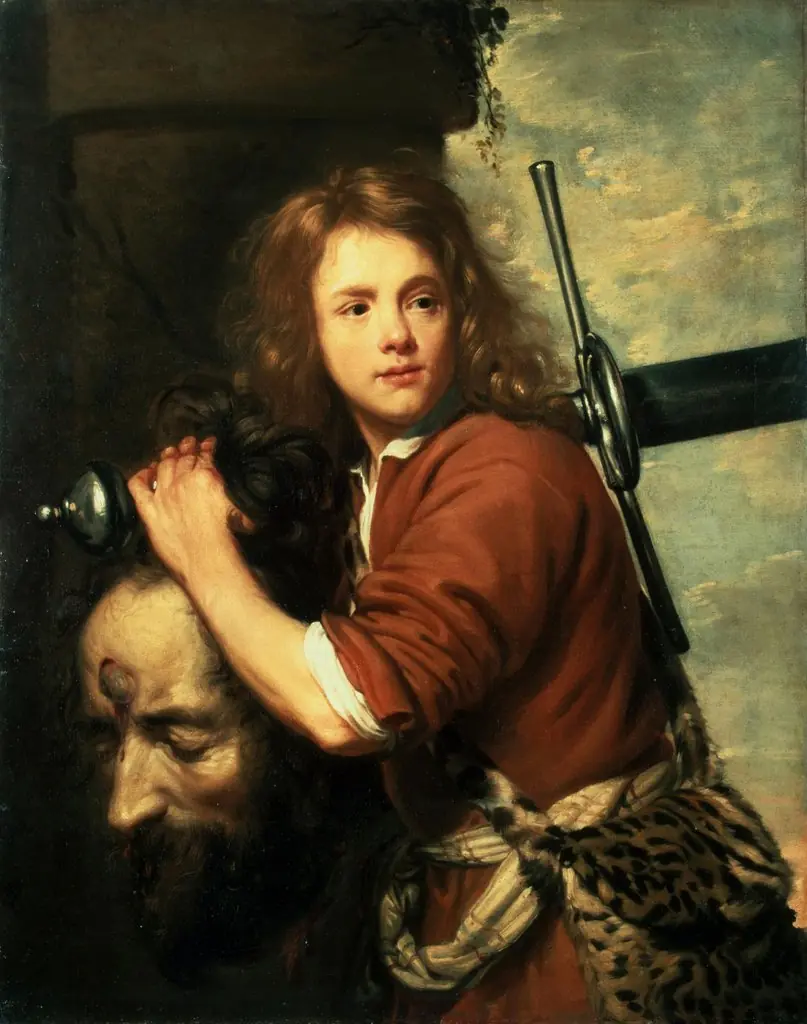 David Bearing the Head of Goliath
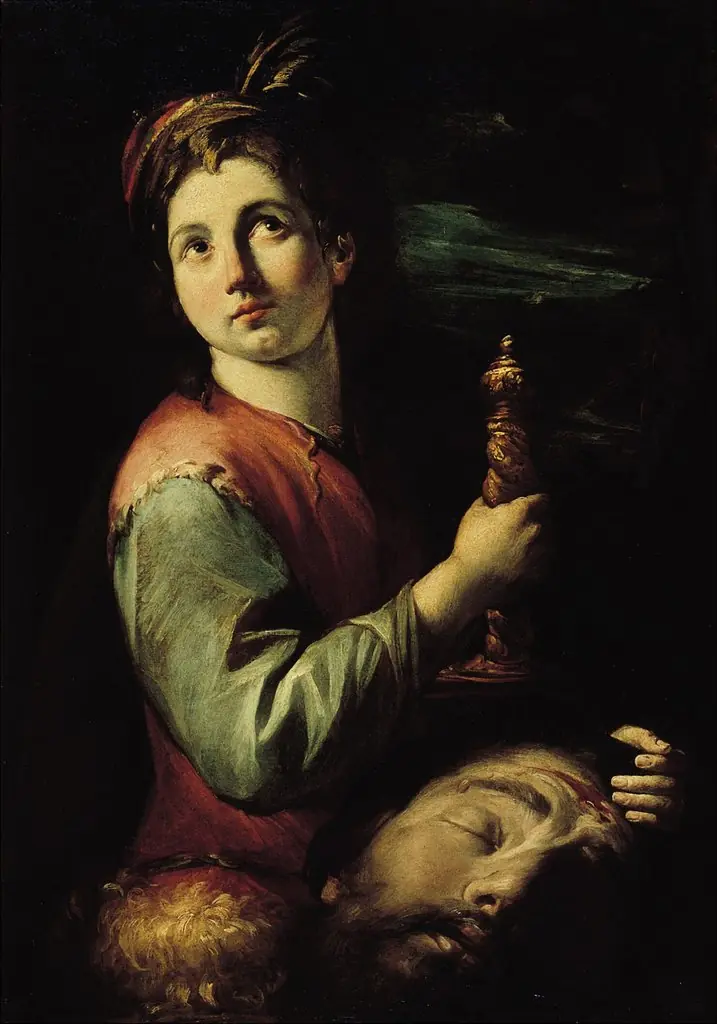 David with the Head of Goliath
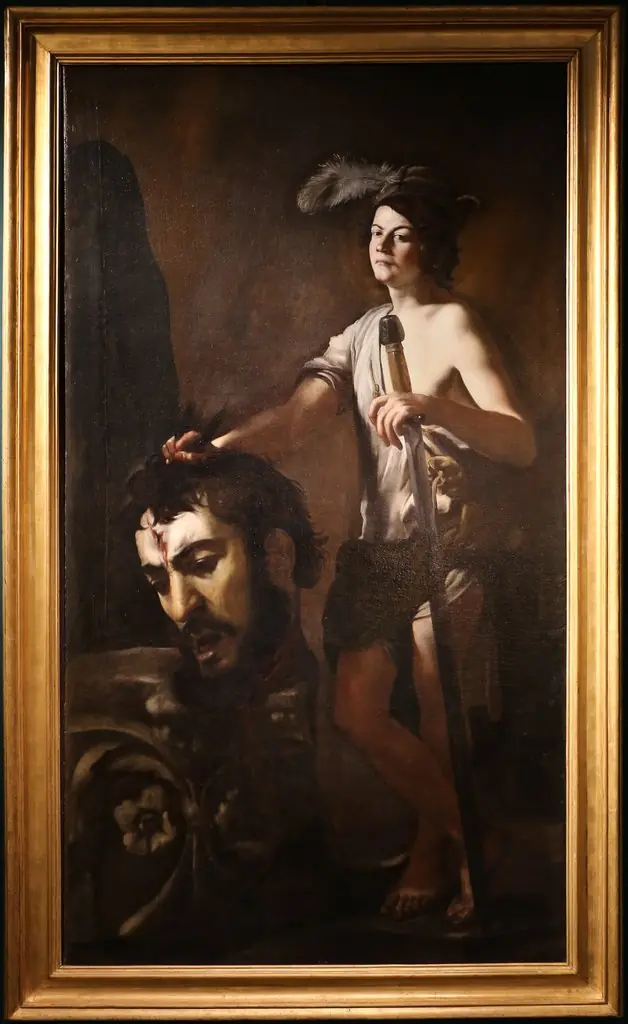 David with Goliath's head
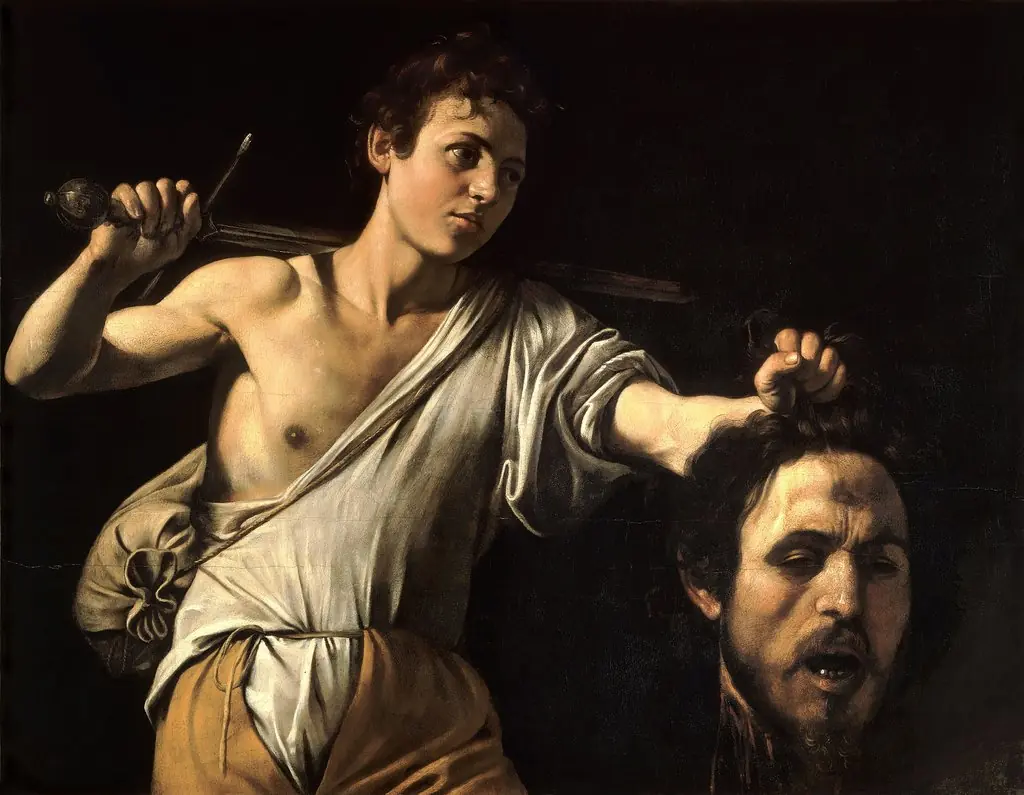 David with the Head of Goliath
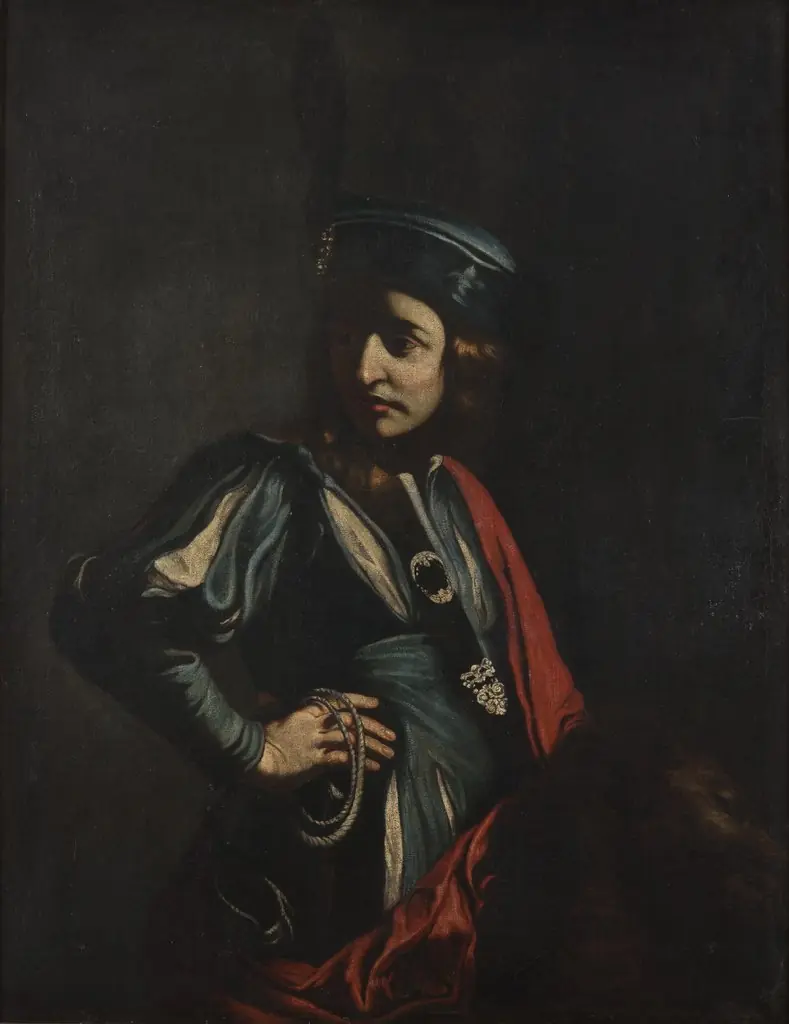 David with the Head of Goliath
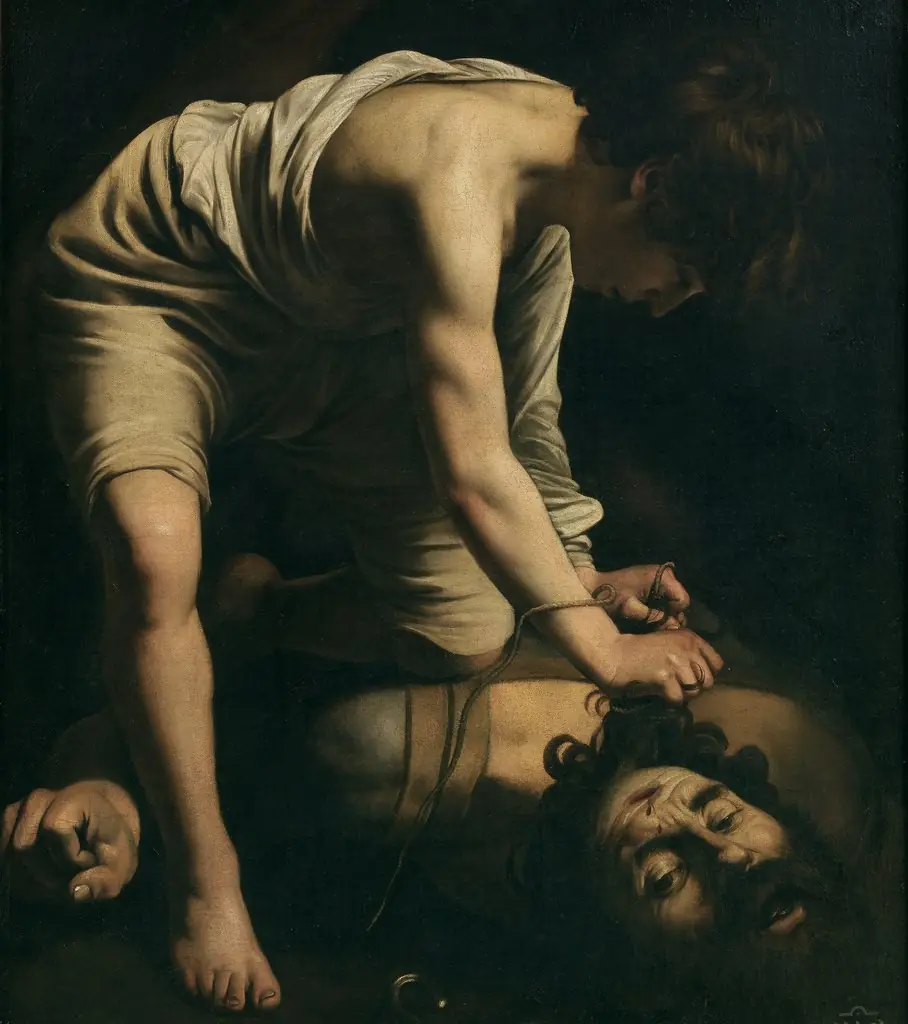 David and Goliath