Artwork
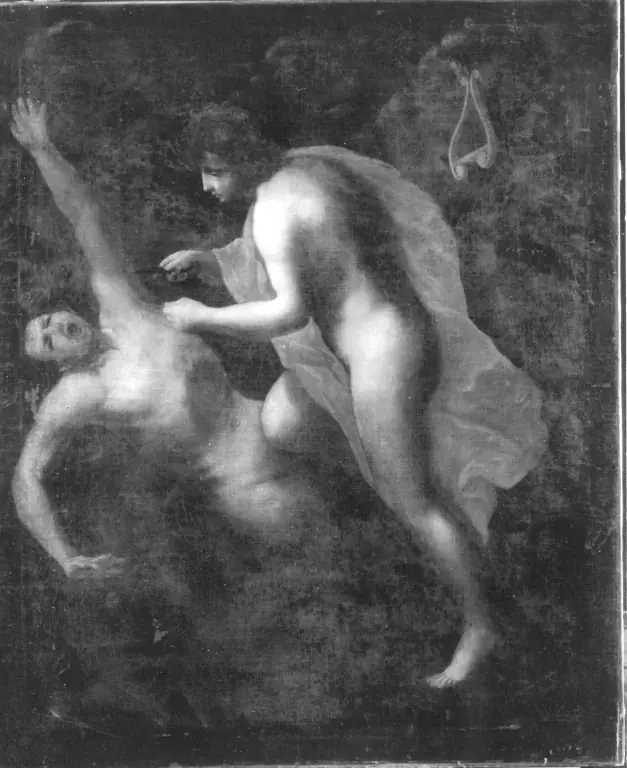
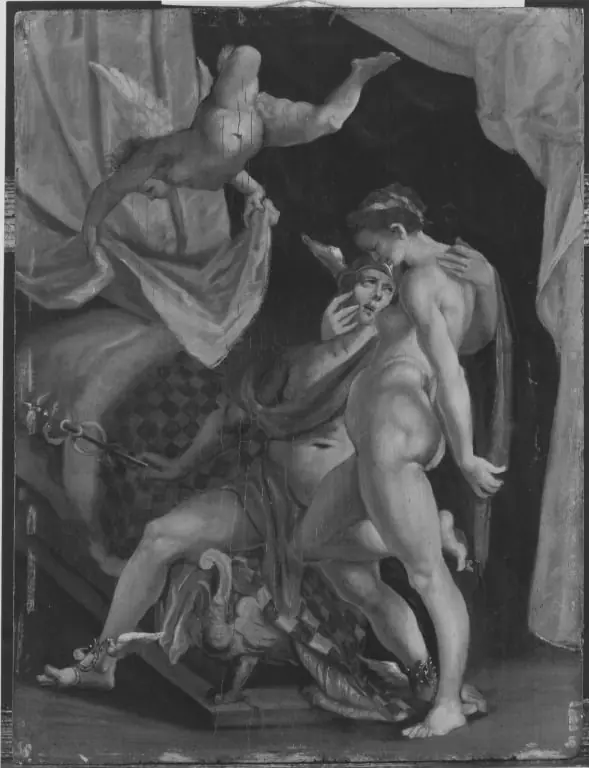
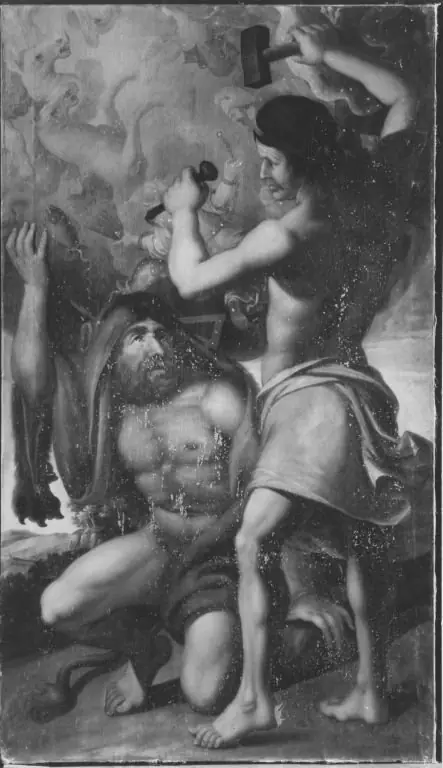
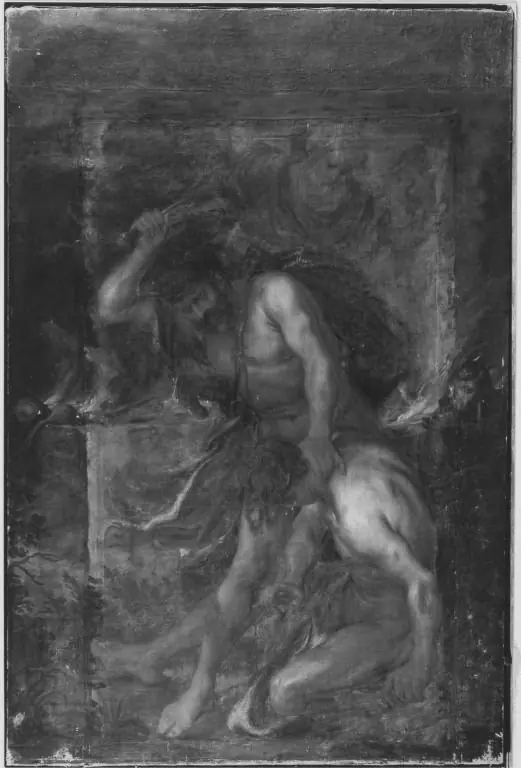
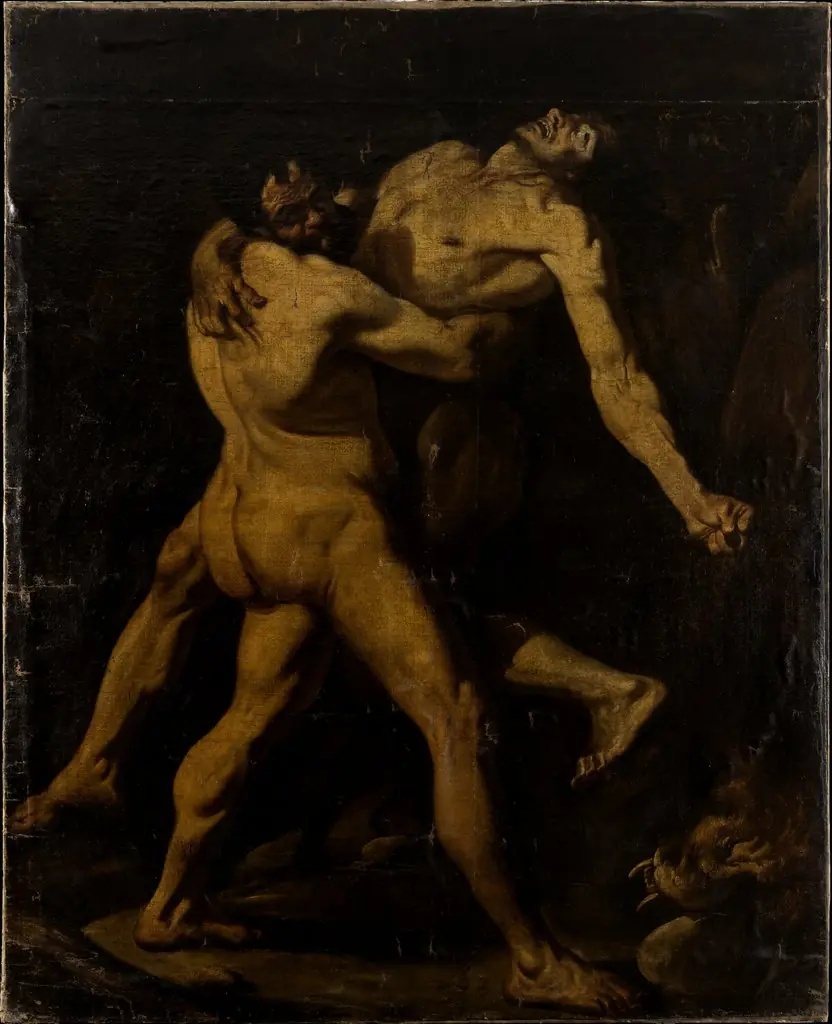
Apoll schindet Marsyas
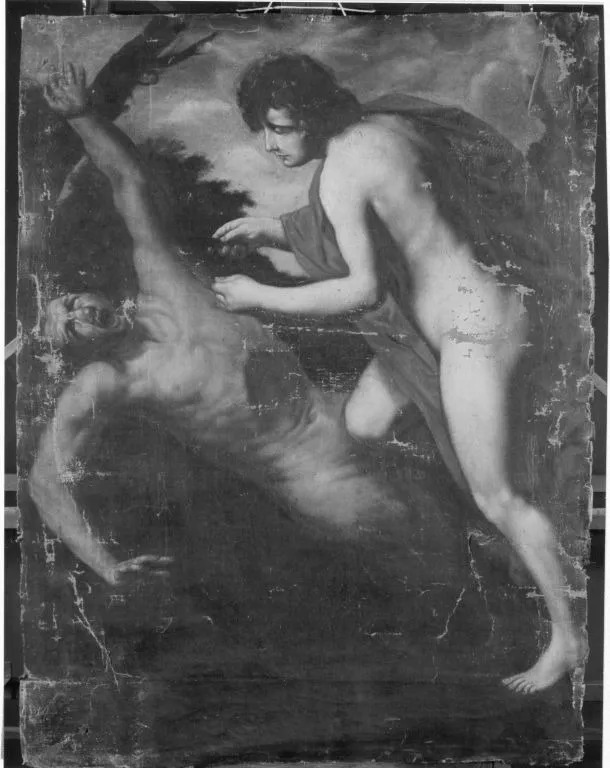
Apoll schindet Marsyas is an unspecified painting by the Early Baroque Italian artist Guido Reni. It dates from 1608 and is held in the collection of the Bavarian State Painting Collections.
About this work
Overview
Created in 1608, this oil painting by Guido Reni portrays the mythic encounter between Apollo and the satyr Marsyas. The work is part of the collection of Munich’s Alte Pinakothek, where it is displayed among other Baroque masterpieces.
Subject & Meaning
The composition captures the moment of Apollo’s triumph over Marsyas, a narrative drawn from Greek legend in which the god defeats the satyr in a musical contest and punishes him. Reni emphasizes the tension of the struggle, highlighting themes of divine authority versus mortal hubris.
Technique & Style
Reni employs a stark chiaroscuro, illuminating one side of the figures while the opposite remains in deep shadow, thereby intensifying the drama. The contrast between the shirtless, muscular Apollo and the half‑clothed, contorted Marsyas underscores the physical and emotional conflict.
History & Provenance
The painting has been documented in the Alte Pinakothek’s holdings since the 19th century, having entered the museum’s collection through acquisition from a private European collection. Its attribution to Reni has been consistently affirmed by scholars based on stylistic analysis and archival records.
Context
Executed during the early Baroque period, the work reflects contemporary interest in classical mythology and the use of dramatic lighting to convey narrative tension. Reni’s treatment aligns with the era’s emphasis on dynamic movement and emotional expression, traits shared by his contemporaries in Italian painting.
Artist & collection
Artist
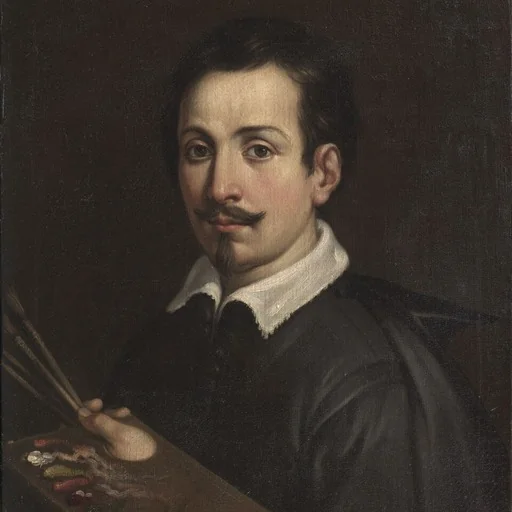
Guido Reni was an Italian Baroque painter, although his works showed a classical manner, similar to Simon Vouet, Nicolas Poussin, and Philippe de Champaigne.