Artwork
Atlas
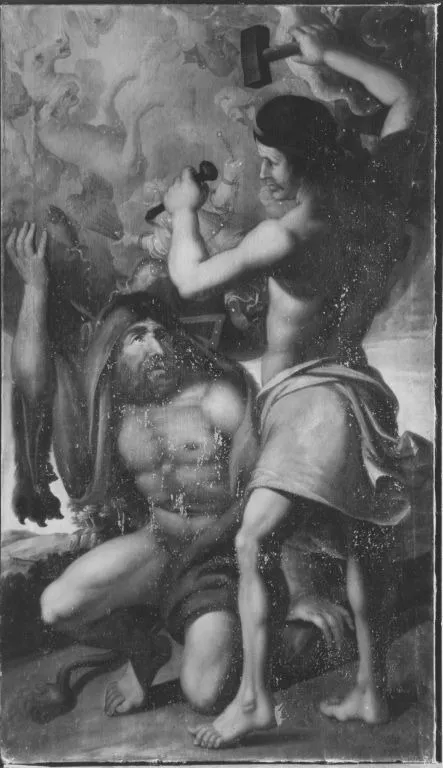
Atlas is an unspecified painting by the Dutch Golden Age artist Jacob Potma. It dates from 1647 and is held in the collection of the Bavarian State Painting Collections.
About this work
Overview
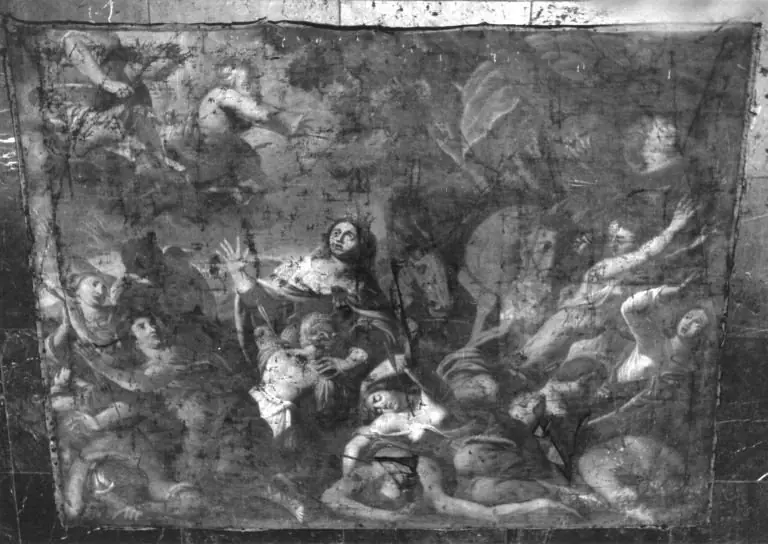
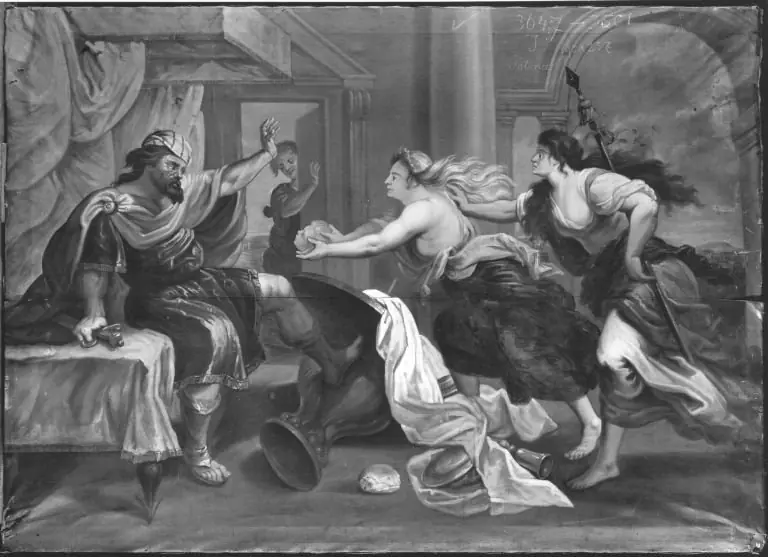
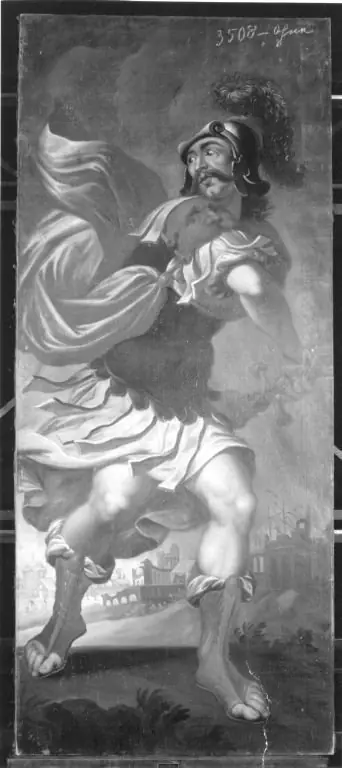
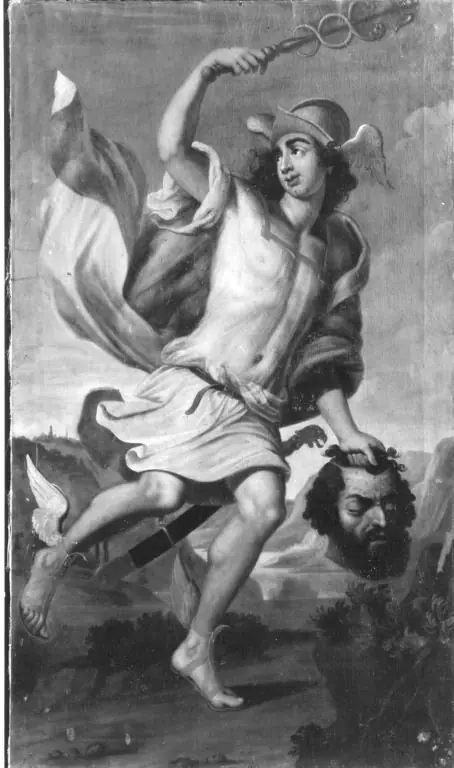
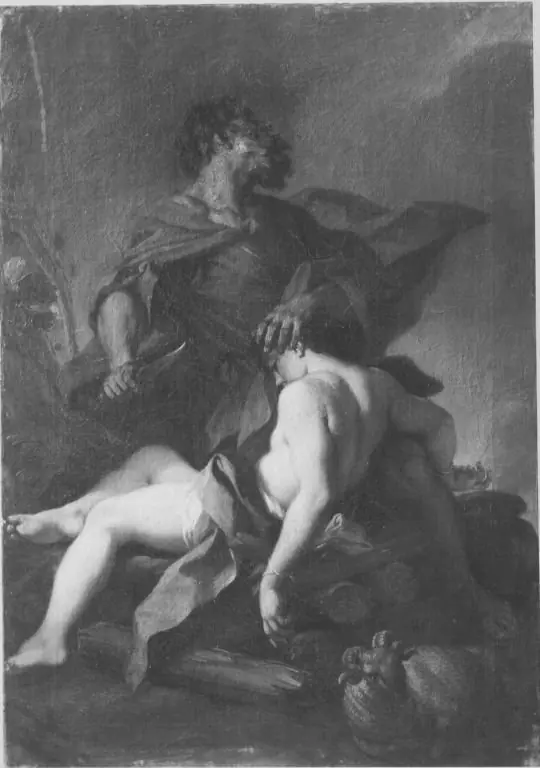
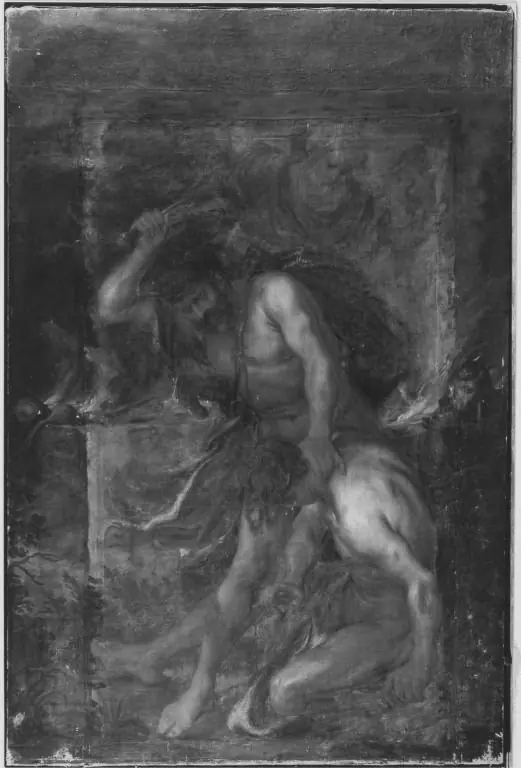
Jacob Potma’s 1647 canvas entitled *Atlas* presents a compact, myth‑inspired tableau rendered in a dark, craggy setting. The work is part of the collection of Munich’s Alte Pinakothek, where it remains on display as an example of mid‑seventeenth‑century Dutch‑German narrative painting.
Subject & Meaning
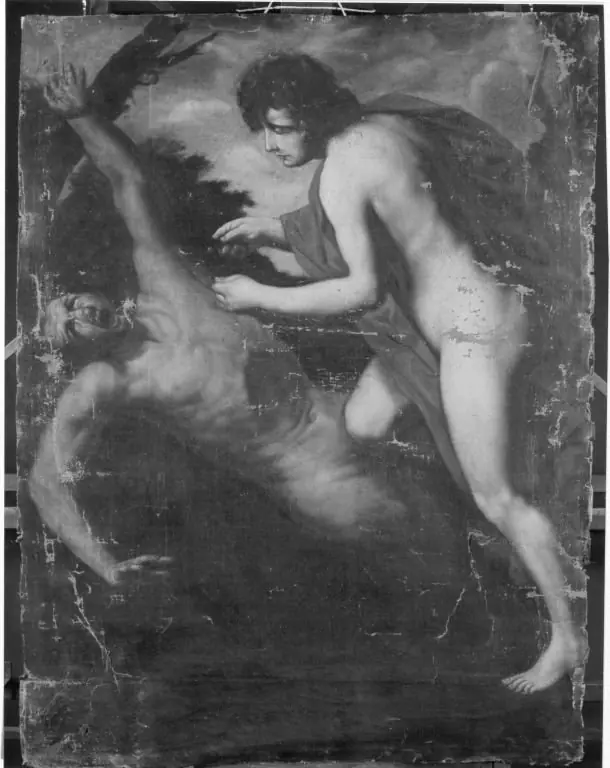
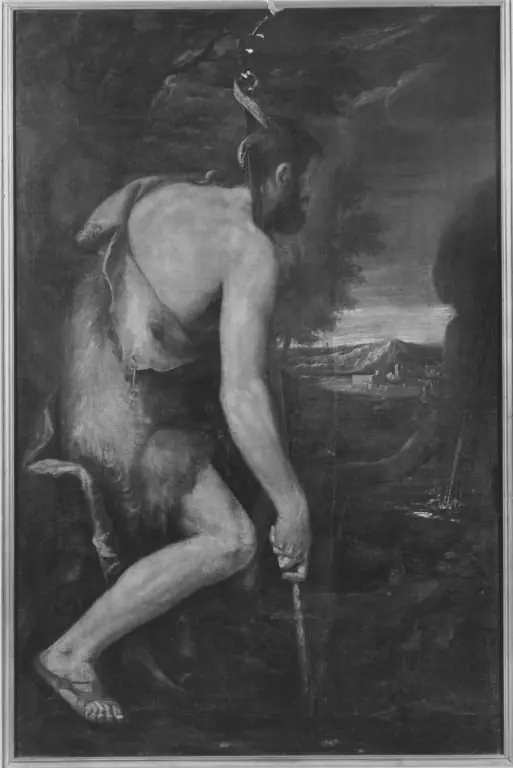
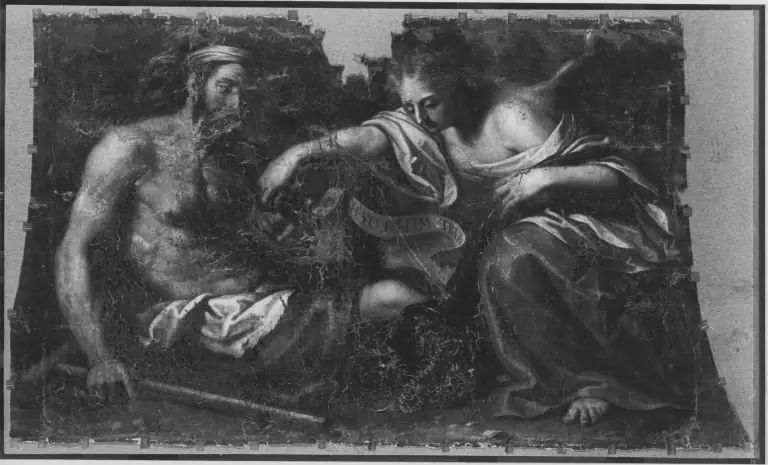
The composition depicts two partially unclothed figures amid a stony backdrop. One figure kneels with his head bowed, hands clasped in a gesture of supplication, while the other stands upright, bare‑chested, grasping a hammer‑like implement and gazing intently downward. The arrangement suggests a moment of labor or burden, echoing the mythic image of Atlas shouldering the world.
Technique & Style
Potma employs a pronounced chiaroscuro, allowing a stark light source from above to illuminate the kneeling man’s musculature and sweat, while the standing figure’s visage recedes into shadow. This contrast of light and darkness heightens the physical tension between the two bodies and underscores the dramatic intensity of the scene.
History & Provenance
Created in 1647, *Atlas* entered the Alte Pinakothek’s holdings during the museum’s early acquisitions of Baroque works, though the precise path from Potma’s workshop to the German collection is not fully documented. The painting has remained in the museum’s inventory since the 19th century, serving as a reference point for Potma’s oeuvre.
Context
The work reflects the broader 17th‑century fascination with classical mythology and the human figure as a vehicle for moral or allegorical messages. Potma, active in the Dutch‑German artistic milieu, often blended narrative content with the dramatic lighting techniques popularized by Caravaggio and his followers, situating *Atlas* within that stylistic current.
Artist & collection