Artwork
Saint James the Greater
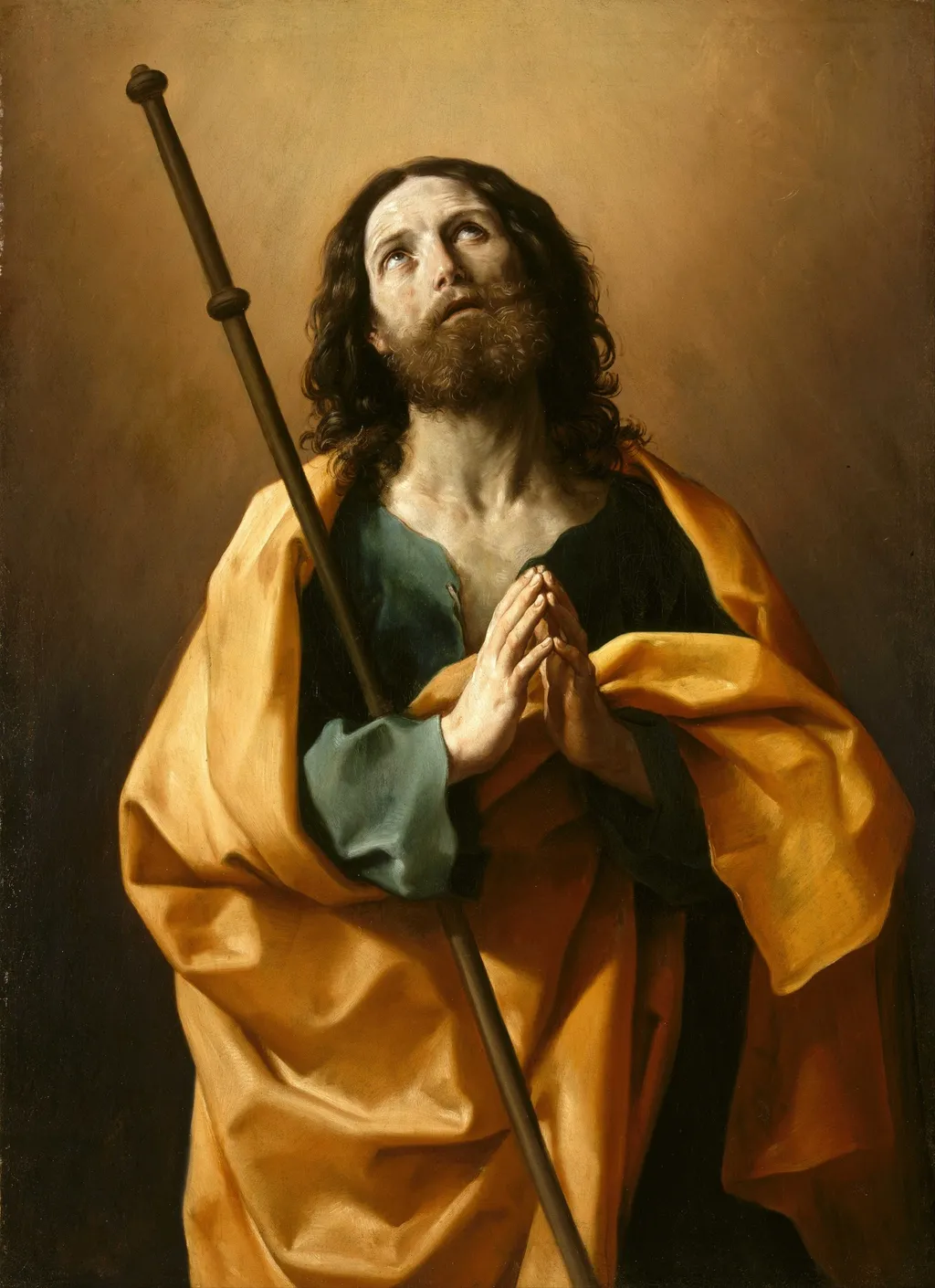
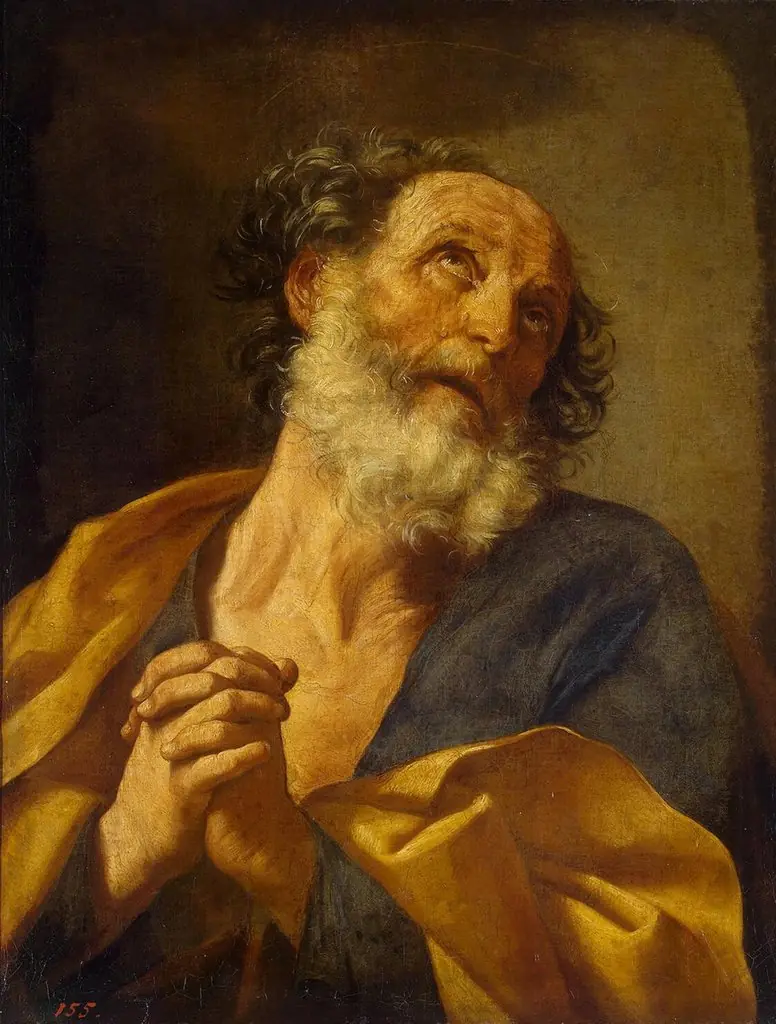
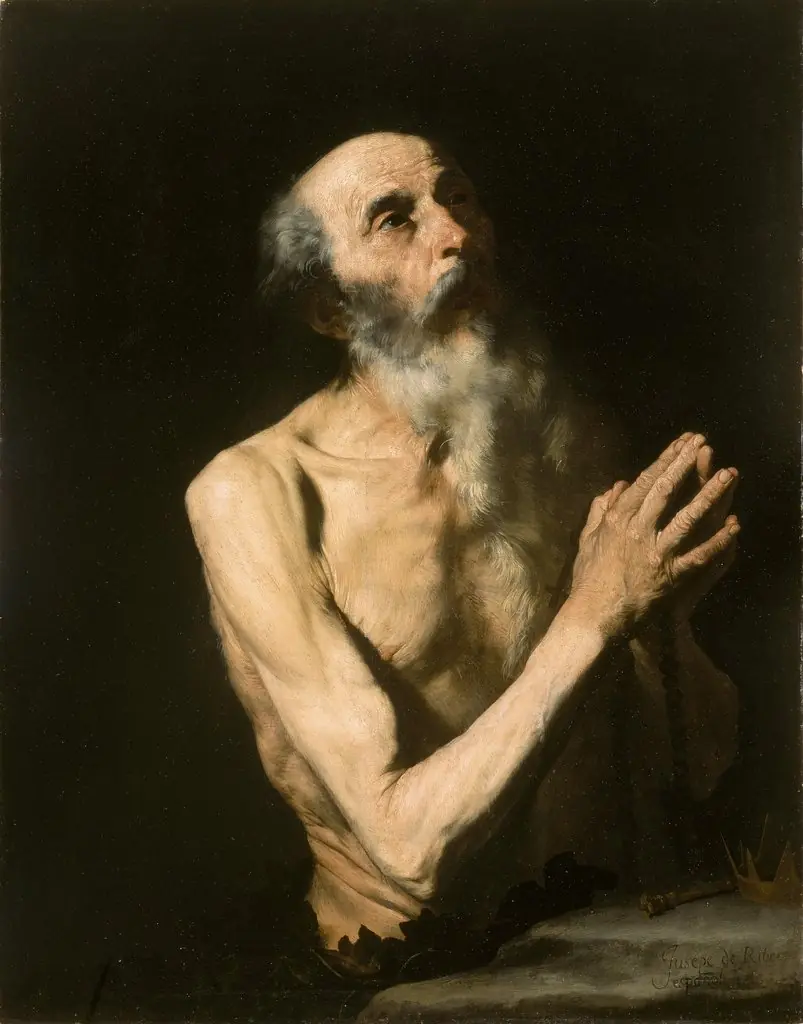
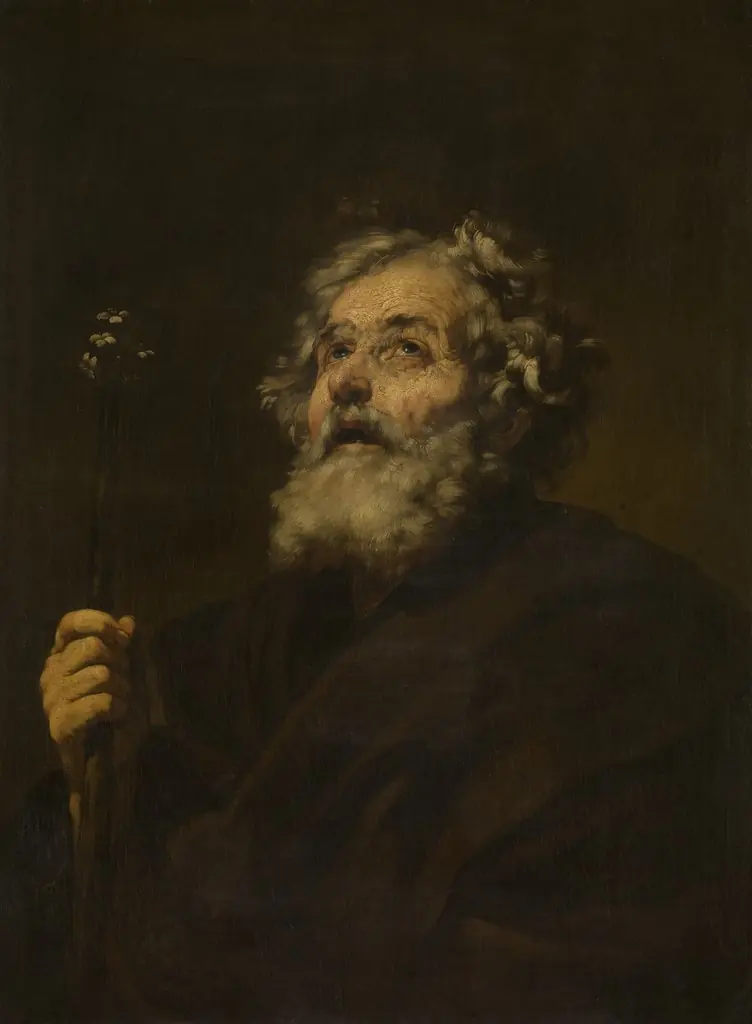
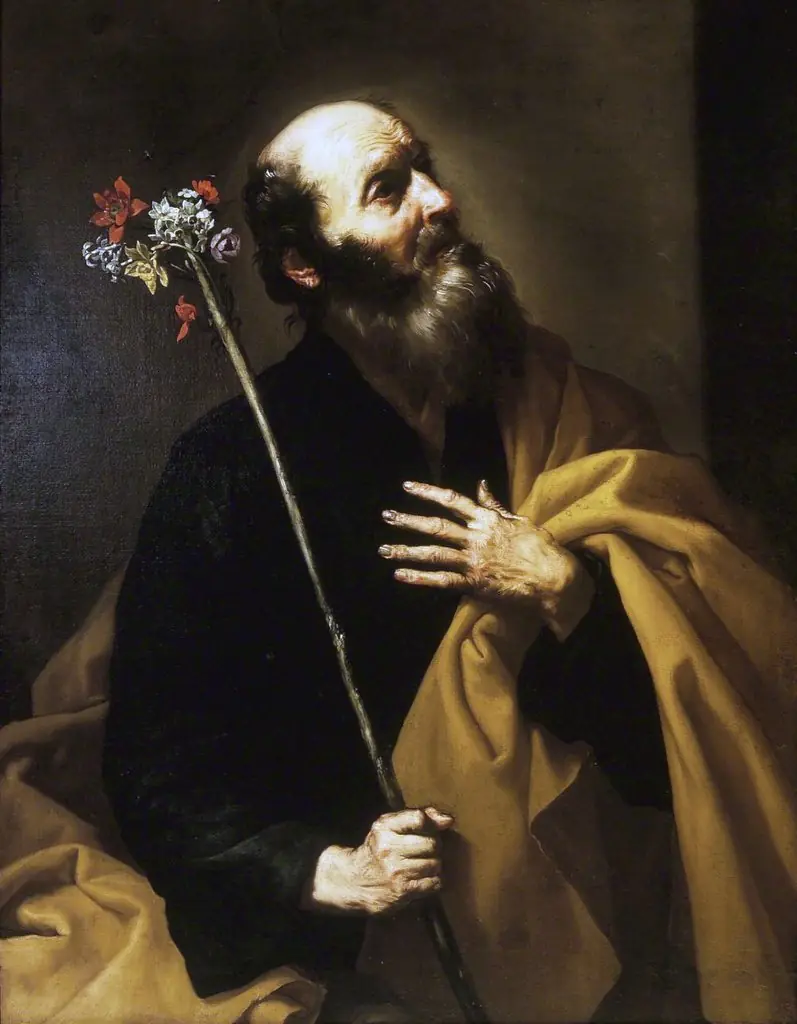
Saint James the Greater is an oil painting by the High Baroque Italian artist Guido Reni. It dates from 1636 and is held in the collection of the Museum of Fine Arts, Houston.
About this work
Overview
Unlike more theatrical depictions of saints, this image emphasizes stillness and inner devotion, aligning with Counter-Reformation ideals of quiet piety.
Painted in 1636 by Guido Reni, this oil on canvas portrays Saint James the Greater, one of Christ’s apostles. The work resides in the Museum of Fine Arts, Houston, and exemplifies Reni’s late Baroque style, marked by restrained emotion and refined composition. Unlike more theatrical depictions of saints, this image emphasizes stillness and inner devotion, aligning with Counter-Reformation ideals of quiet piety.
Subject & Meaning
The figure represents Saint James the Greater, traditionally identified by his pilgrim’s staff and association with the Camino de Santiago. His clasped hands and downcast gaze convey meditative reverence rather than action. The absence of overt symbols like a scallop shell or sword focuses attention on spiritual introspection, reflecting a devotional approach favored in 17th-century Catholic imagery to inspire personal contemplation.
Technique & Style
Reni employs chiaroscuro to model the saint’s form with subtle gradations of light and shadow, lending volume without dramatic contrast. Warm golden tones in the background unify the composition and soften the transition between figure and space. The layered application of oil paint creates a smooth, luminous surface, while the restrained palette—yellow, green, and earth tones—enhances the quiet dignity of the subject.
History & Provenance
Commissioned during Reni’s later years, the painting likely originated in a private or ecclesiastical setting in Italy before entering American collections. It was acquired by the Museum of Fine Arts, Houston, in the 20th century, where it remains part of its European Old Master holdings. Its journey reflects broader patterns of Italian Baroque art dispersal following the decline of aristocratic patronage.
Context
Created during the height of the Counter-Reformation, the painting aligns with Church efforts to promote accessible, emotionally grounded religious imagery. Reni, trained in Bologna and influenced by Carracci and Caravaggio, balanced naturalism with idealized form. This work reflects a shift from dynamic Baroque theatrics toward serene, contemplative representations suited to private devotion and clerical instruction.
Legacy
Though less widely known than Reni’s earlier mythological works, this portrait exemplifies his mature approach to sacred subjects. Its influence is seen in later 17th-century devotional painting across Europe, particularly in regions emphasizing quiet spirituality. The painting endures as a quiet testament to Reni’s skill in conveying inner life through restrained gesture and refined technique.
Own this work as a print
Artist & collection
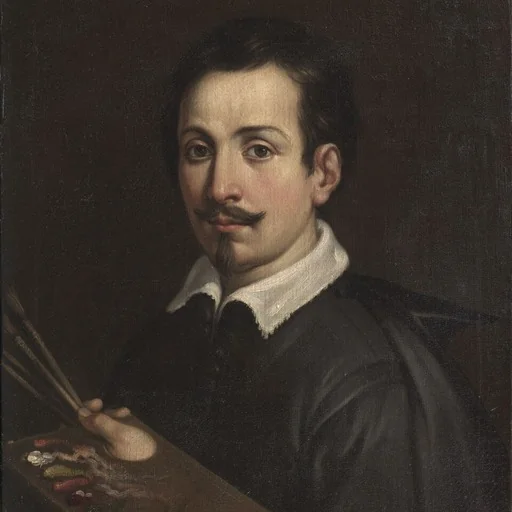
Artist
Guido Reni was an Italian Baroque painter, although his works showed a classical manner, similar to Simon Vouet, Nicolas Poussin, and Philippe de Champaigne.