Artwork
Christ the Saviour blessing
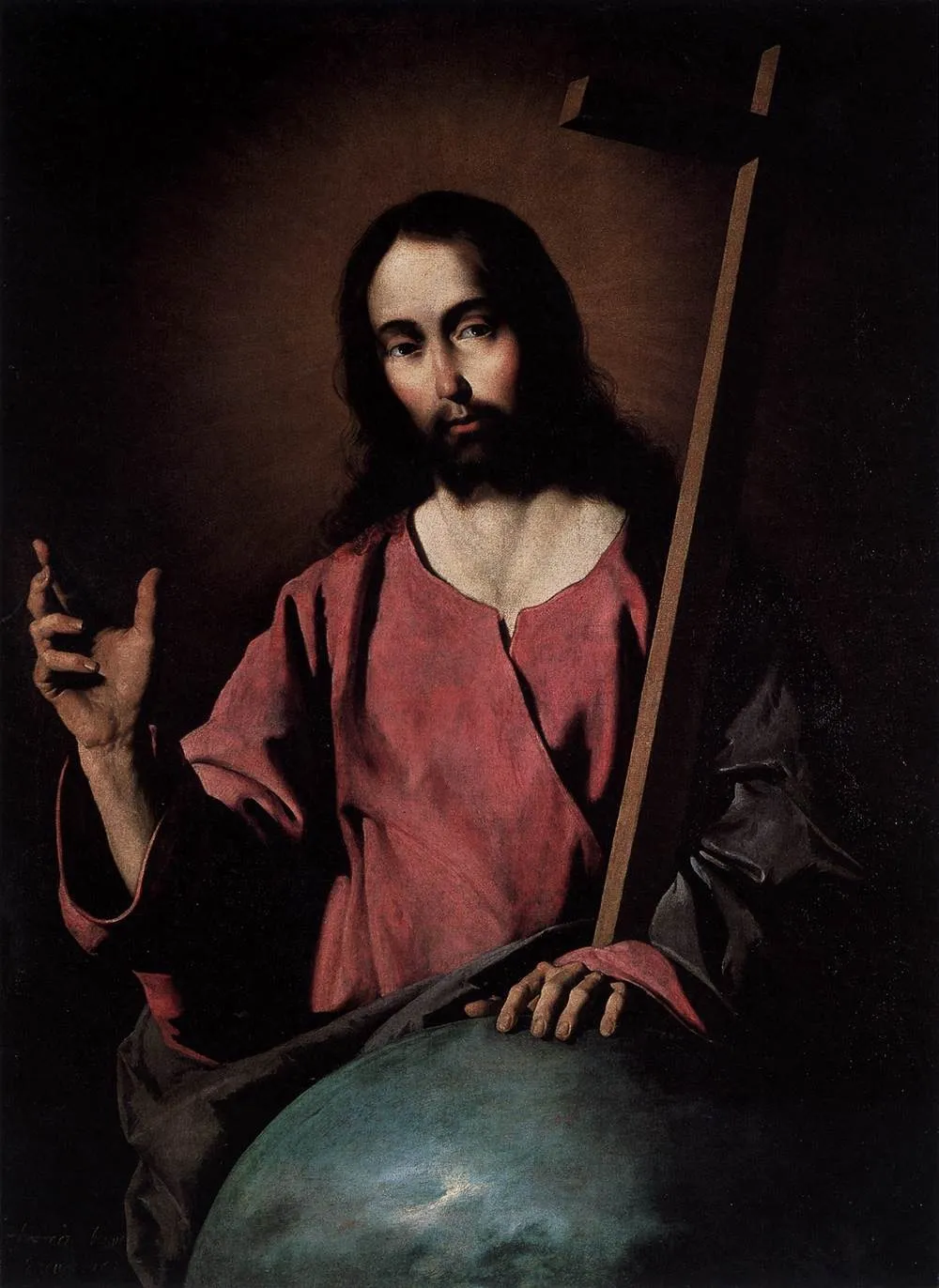
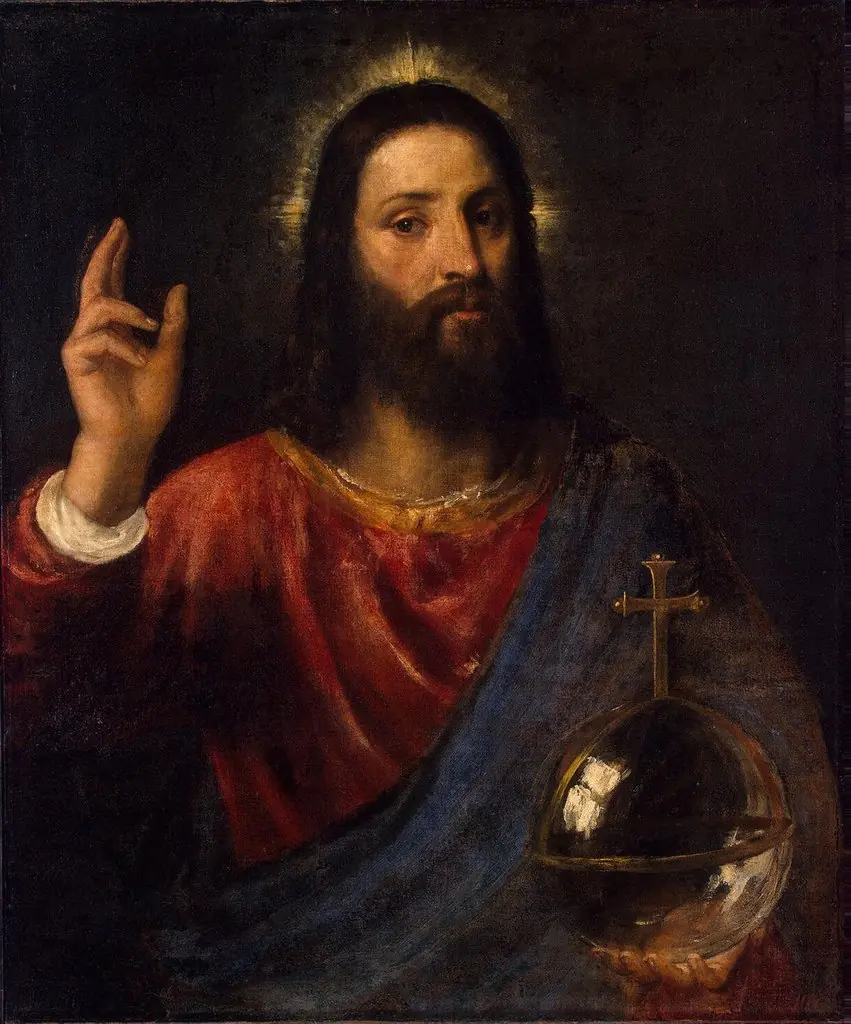
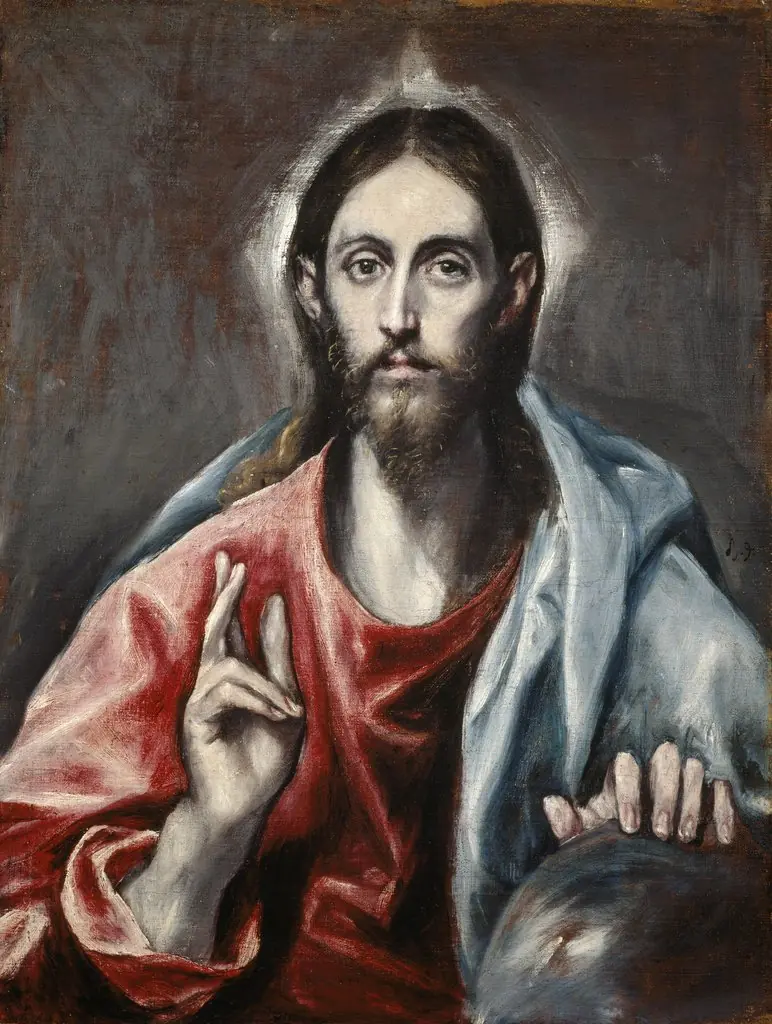
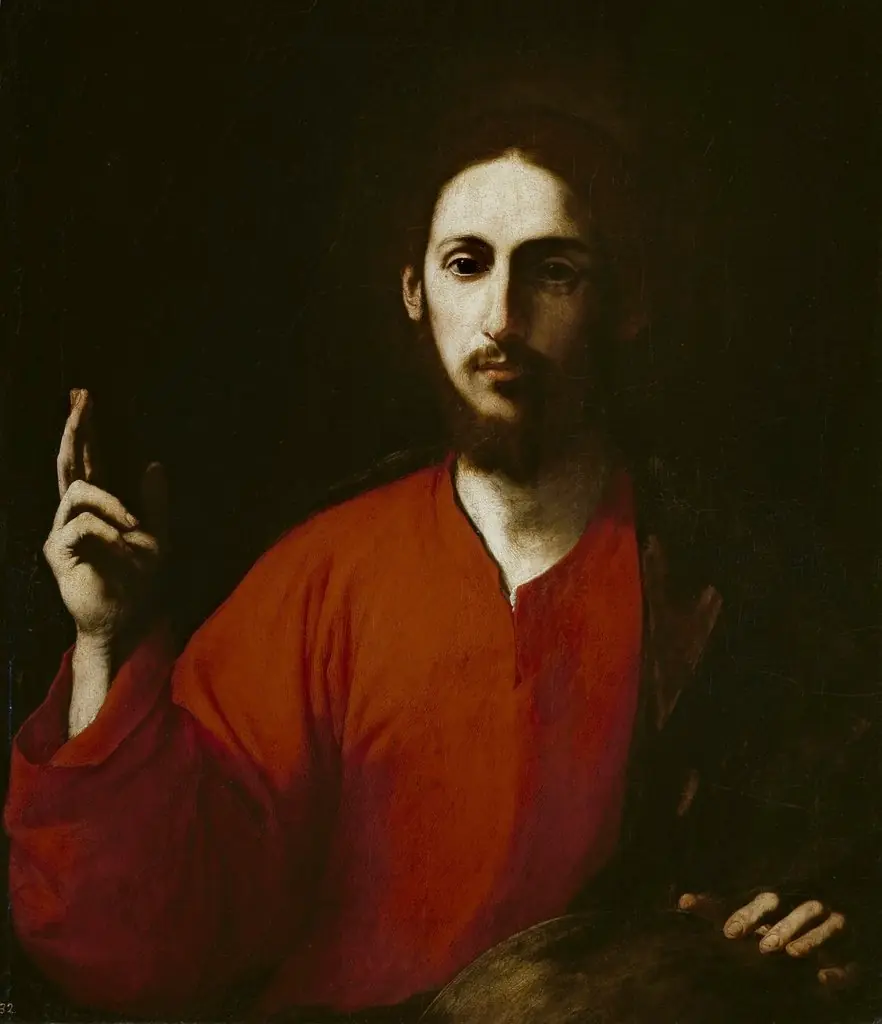
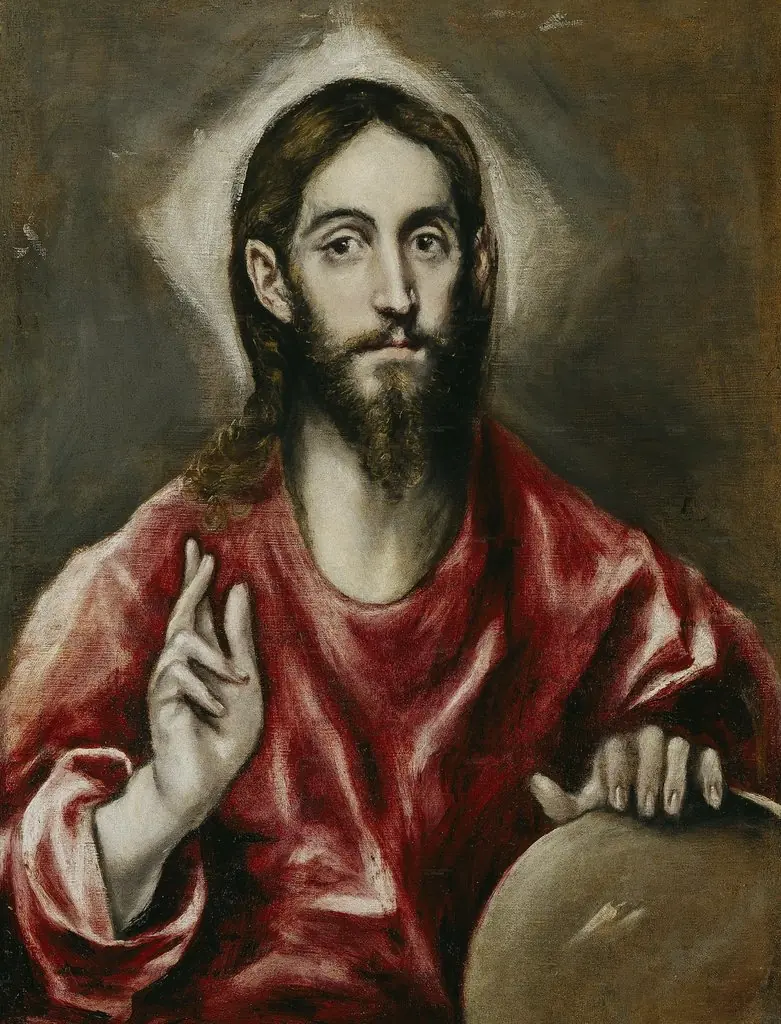
Christ the Saviour blessing is an oil painting by Francisco de Zurbarán. It dates from 1638 and is held in the collection of the Museo del Prado.
About this work
Overview
Francisco de Zurbarán’s oil on canvas, dated 1638, presents a solemn figure of Christ the Saviour. The composition is confined to a dark, undefined space, allowing the central figure and his attributes to dominate the viewer’s attention. The work resides in the collection of the Museo del Prado, where it is displayed among other Baroque religious paintings.
Subject & Meaning
The seated Christ wears a red robe and bears a full beard, his right hand raised in a benediction while his left supports a tall wooden cross. Beneath the cross rests a greenish sphere, a conventional emblem of the world, suggesting the salvific power of Christ over humanity. The gesture and symbols together convey themes of divine authority and universal redemption.
Technique & Style
Zurbarán employs a stark chiaroscuro, contrasting illuminated flesh and fabric with deep, velvety shadows that recede into the background. The precise rendering of the cross’s grain and the subtle tonal variations on the globe demonstrate meticulous handling of oil paint. The limited palette and focused lighting create a meditative atmosphere typical of Spanish Baroque spirituality.
History & Provenance
Completed in the late 1630s, the painting entered the Spanish royal collection before being transferred to the Museo del Prado in the 19th century. Its provenance reflects the work’s continued relevance within ecclesiastical and secular contexts, illustrating the enduring appeal of Zurbarán’s devotional imagery across centuries.
Artist & collection
Artist
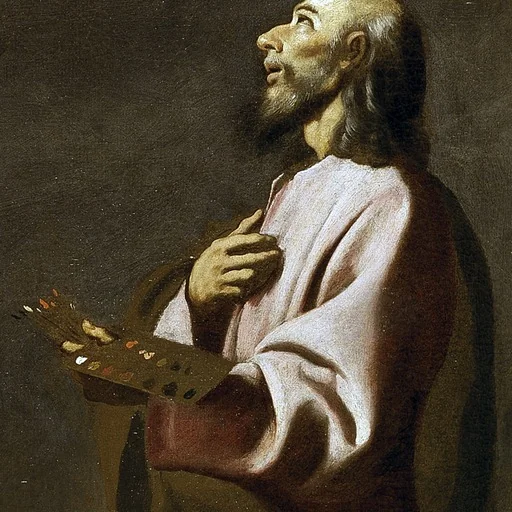
Francisco de Zurbarán was a Spanish Baroque painter. He is known primarily for his religious paintings depicting monks, nuns, and martyrs, and for his still-lifes. Zurbarán gained the nickname "Spanish Caravaggio",…