Artwork
Saint Onuphrius
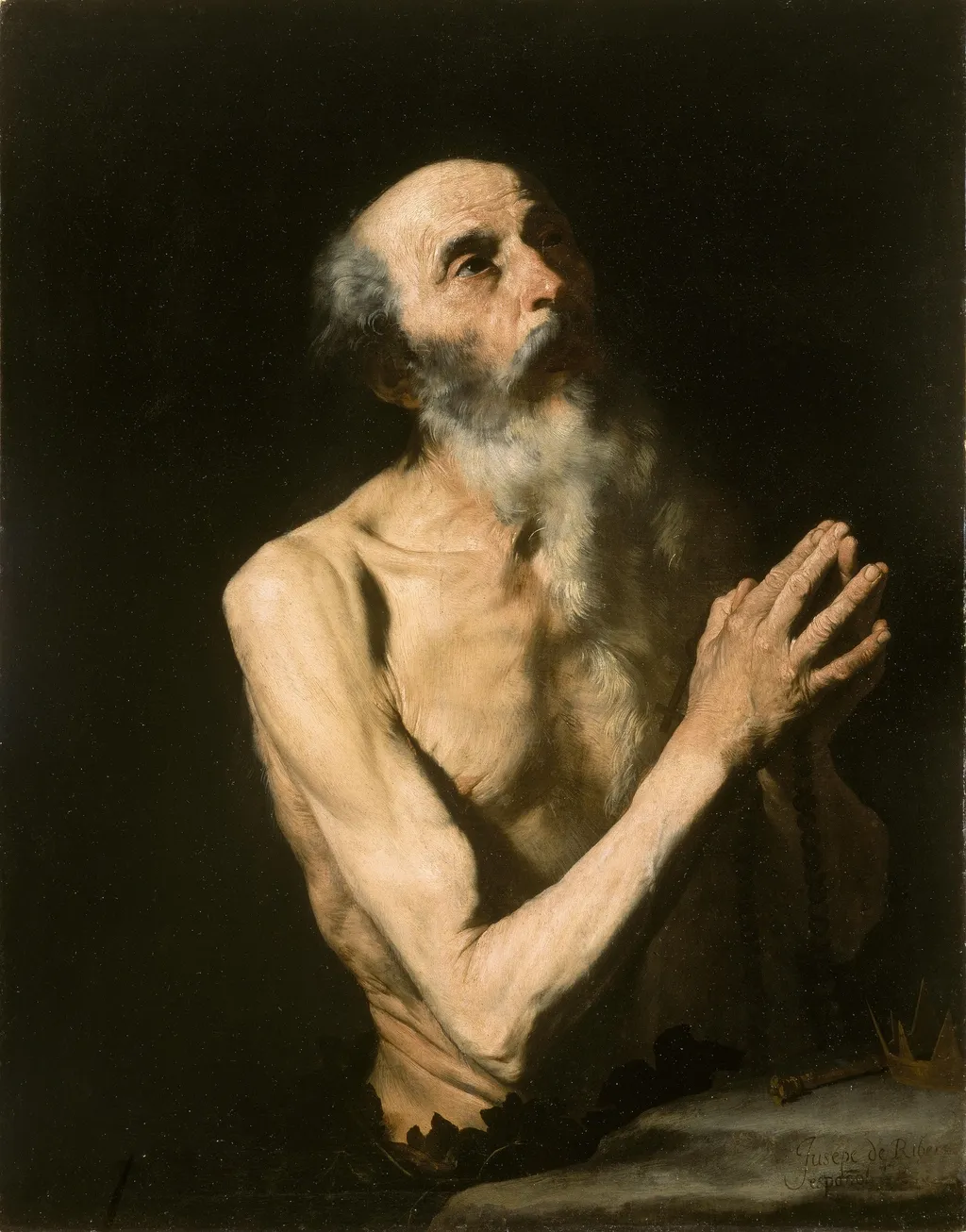
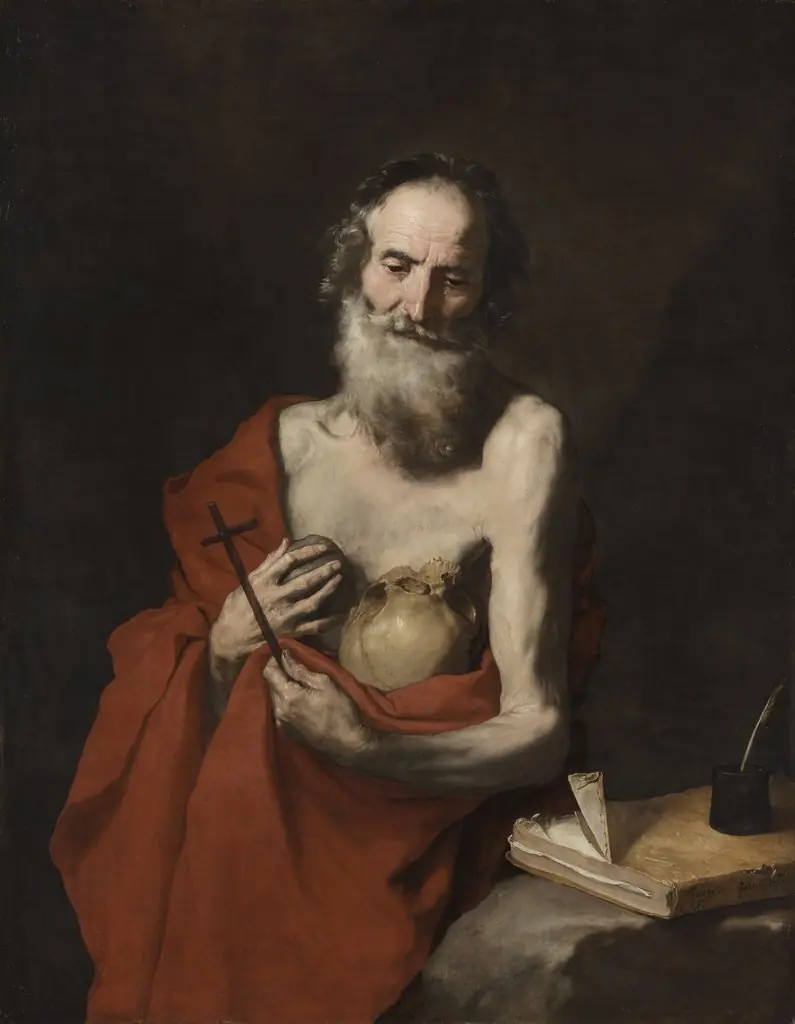
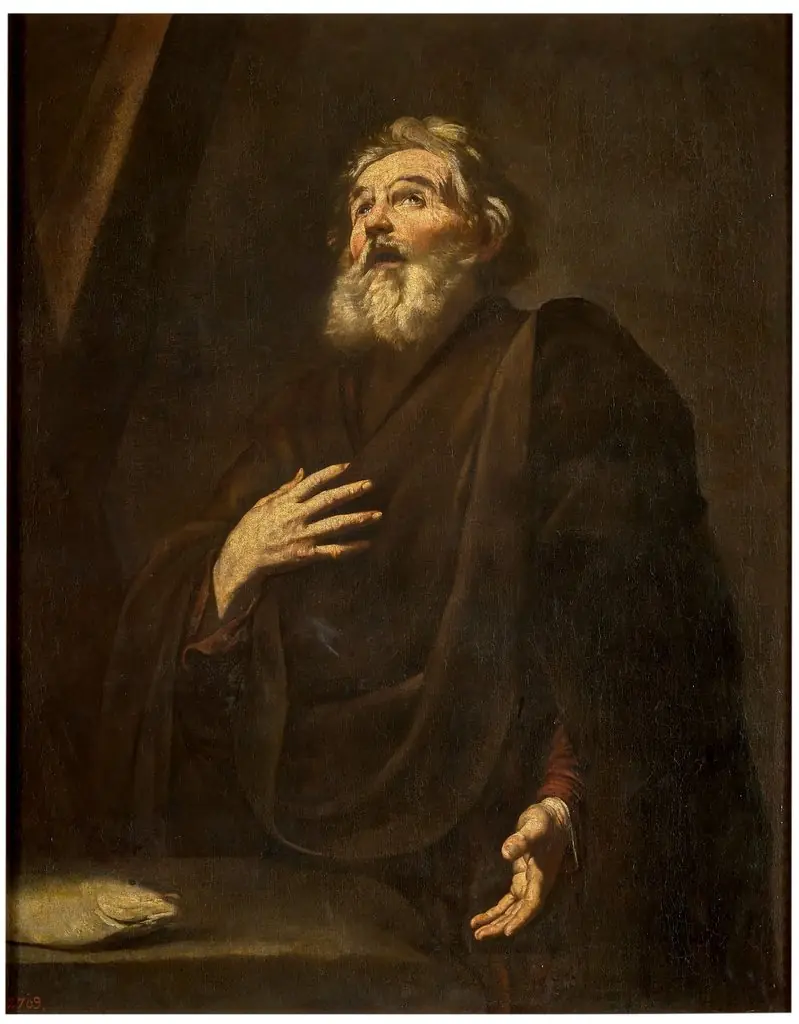
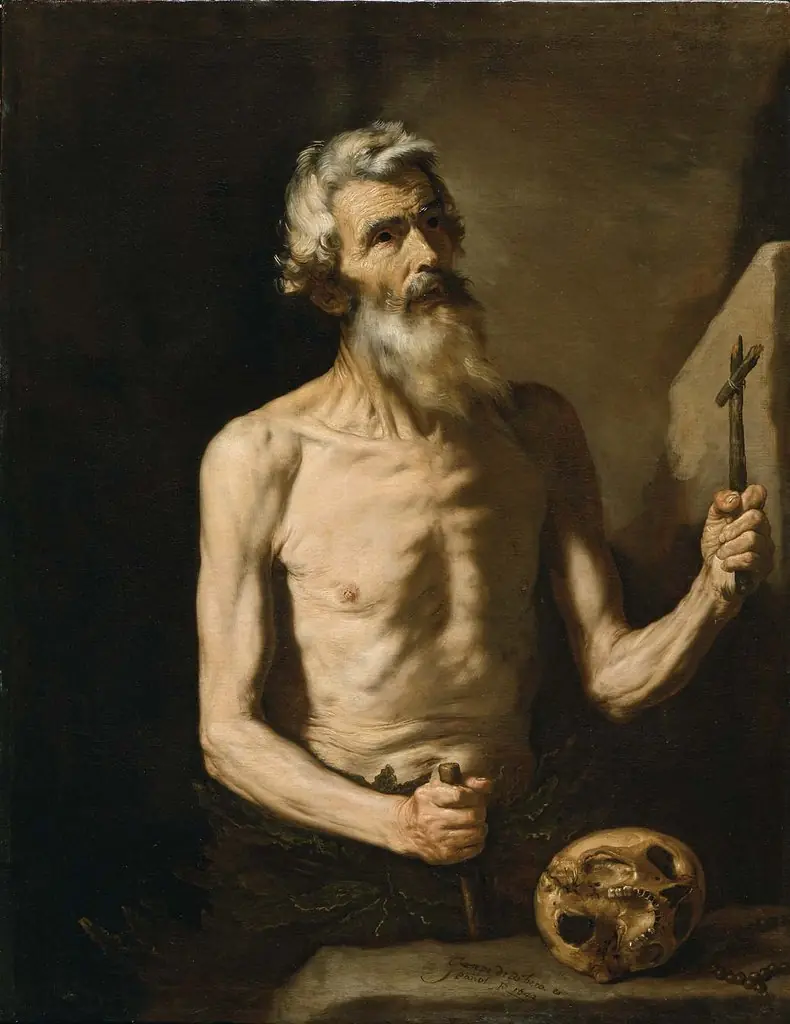
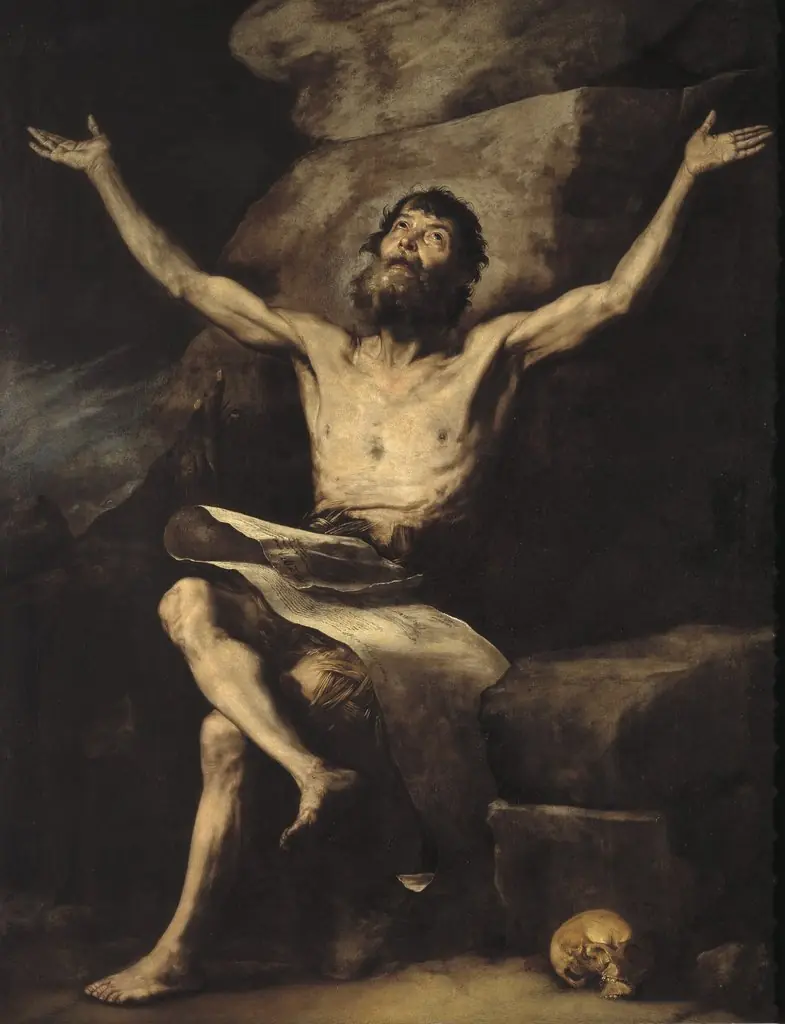
Saint Onuphrius is an oil painting by Jusepe de Ribera. It dates from 1631 and is held in the collection of the National Gallery of Ireland.
About this work
Overview
Jusepe de Ribera, a prominent Spanish Baroque painter who spent most of his career in Naples, executed the oil painting Saint Onuphrius circa 1631. The work is part of the National Gallery of Ireland’s collection and exemplifies Ribera’s reputation for intense, lifelike religious scenes.
Subject & Meaning
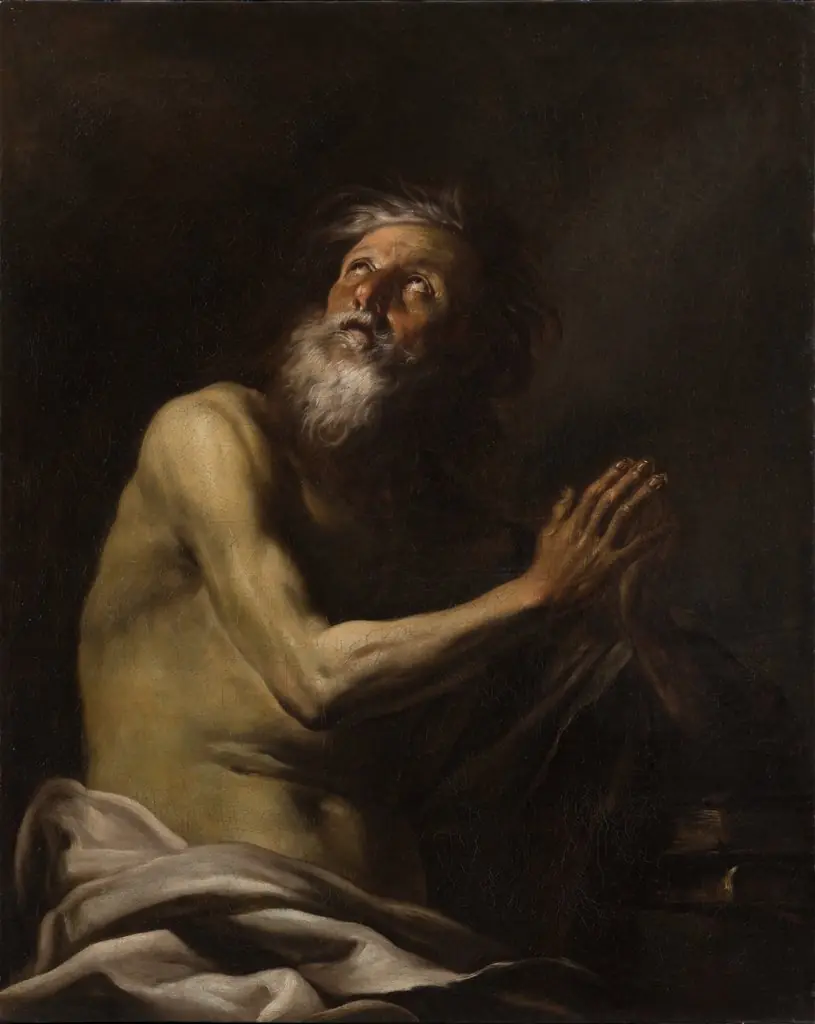
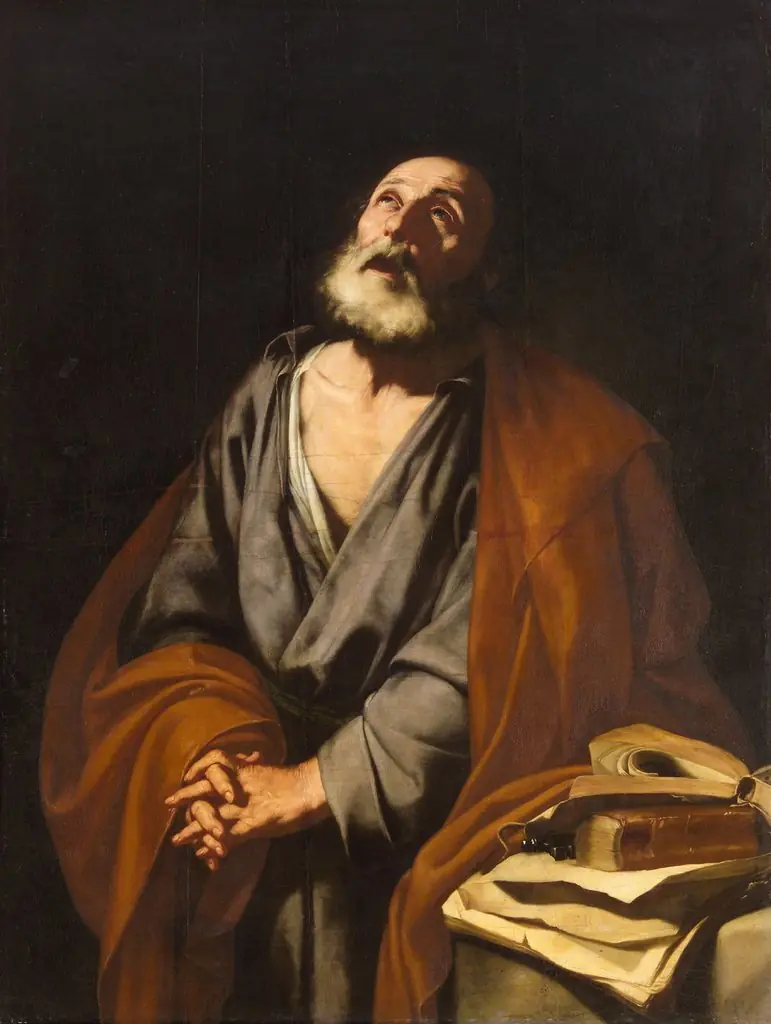
The canvas portrays the hermit saint Onuphrius, traditionally represented as a wild ascetic covered only by a leafy loincloth. He is shown with a long white beard and hair, his thin, aged hands clasped in prayer, eyes lifted toward an unseen presence, evoking the contemplative devotion encouraged by Counter‑Reformation spirituality.
Technique & Style
Ribera employs a stark chiaroscuro, casting the saint’s flesh against a deep, almost black background. The contrast heightens the realism of the wrinkled skin, gaunt body and dry foliage, while the subtle modeling of light on the beard and hair underscores the painter’s skill in rendering texture.
History & Provenance
Created around 1631, the painting remained in private hands before entering the National Gallery of Ireland. Its provenance traces a typical path for Ribera’s works, moving from Spanish and Italian collections into the British‑Irish market in the 19th century.
Context
Ribera’s depiction aligns with the broader Baroque emphasis on dramatic, emotionally resonant religious imagery. As a contemporary of Velázquez and Zurbarán, he shared a focus on solitary saints whose physical austerity symbolized spiritual purity, a theme especially valued during the post‑Council of Trent period.
Own this work as a print
Artist & collection
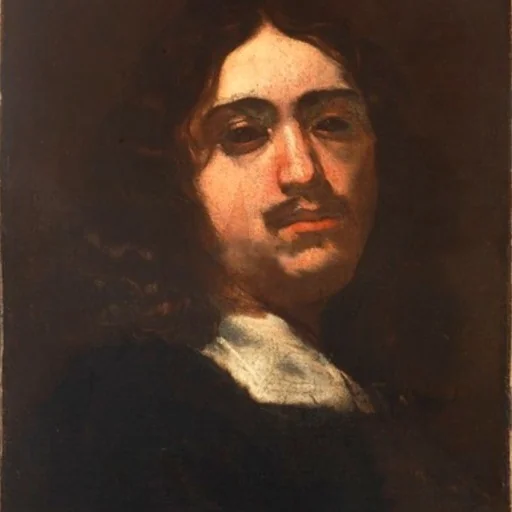
Artist
Jusepe de Ribera (Valencian: ; baptised 17 February 1591 – 3 November 1652) was a Spanish painter and printmaker.