Artwork
Troen. Allegorisk kvindefigur
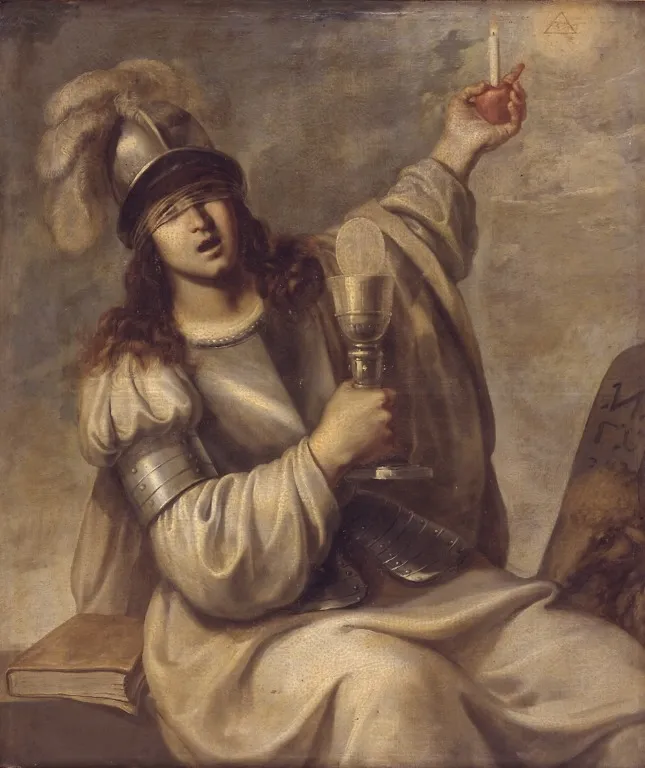
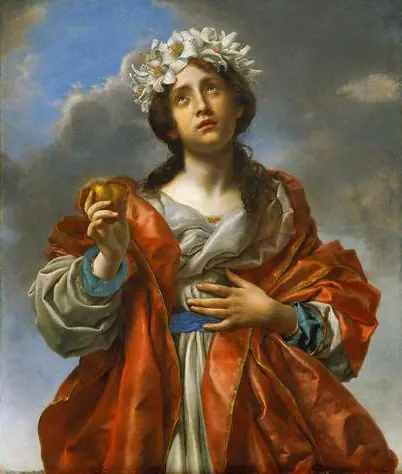
Troen. Allegorisk kvindefigur is an oil painting by the Early Baroque Italian artist Guido Reni. It dates from 1616 and is held in the collection of the Statens Museum for Kunst.
About this work
Overview
Its composition and lighting reflect Reni’s engagement with Baroque conventions, particularly his use of controlled illumination to emphasize form and meaning.
Painted in 1616 by Guido Reni, Troen. Allegorisk kvindefigur is an oil-on-canvas work currently in the collection of Statens Museum for Kunst. The painting presents a seated female figure in a contemplative pose, surrounded by symbolic objects. Its composition and lighting reflect Reni’s engagement with Baroque conventions, particularly his use of controlled illumination to emphasize form and meaning.
Subject & Meaning
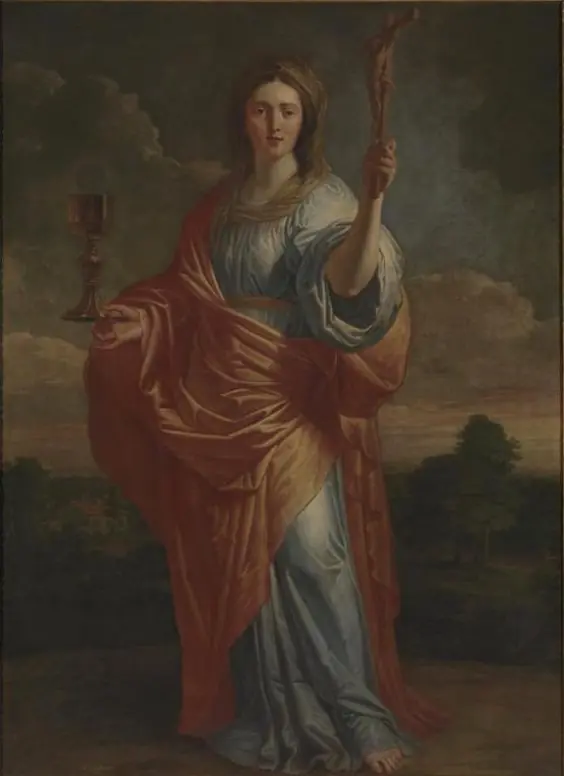
The figure represents Faith, identified through traditional allegorical attributes: the blindfold signifies trust beyond sight, the candle embodies divine illumination, and the goblet may allude to the Eucharist. The helmet with feathers suggests spiritual armor, while the book and inscribed stone point to sacred text and enduring truth. Together, these elements construct a visual meditation on belief grounded in unseen conviction.
Technique & Style
Reni employs chiaroscuro to model the figure’s form, directing soft light across the white robe and face to create volume and quiet intensity. The brushwork is refined, with delicate transitions between shadow and highlight that avoid dramatic contrast in favor of serene luminosity. The texture of fabric and stone is rendered with subtle precision, enhancing the painting’s meditative tone without theatrical flourish.
History & Provenance
The painting entered the Danish national collection in the 19th century, likely through acquisitions of Italian Baroque works by Danish patrons or diplomats. Its presence in Copenhagen reflects broader European interest in 17th-century religious allegory during the Enlightenment era. No significant alterations or restorations are documented, preserving its original surface and tonal harmony.
Context
Created during Reni’s mature period in Bologna, the work aligns with Counter-Reformation efforts to visualize theological virtues through accessible imagery. While Italian altarpieces often emphasized drama, Reni’s approach here is restrained, favoring introspection over spectacle. This quiet intensity resonates with Northern European sensibilities, possibly explaining its later appeal in Denmark.
Legacy
Though not among Reni’s most widely reproduced works, Troen. Allegorisk kvindefigur remains a key example of his ability to merge classical grace with spiritual symbolism. Its presence in a major Nordic museum underscores the transnational circulation of Italian Baroque ideals. Scholars continue to reference it in studies of allegorical portraiture and the visual language of faith in early modern Europe.
Artist & collection
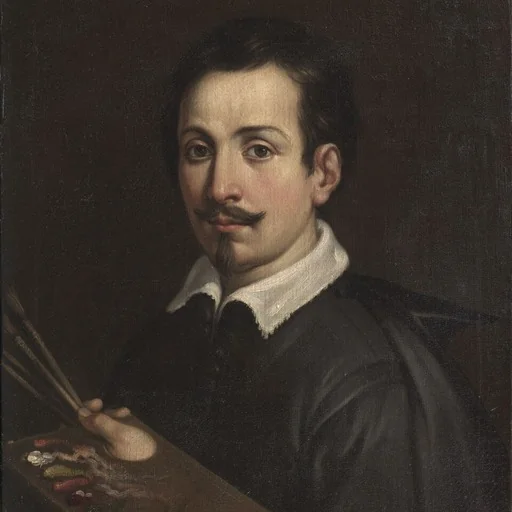
Artist
Guido Reni was an Italian Baroque painter, although his works showed a classical manner, similar to Simon Vouet, Nicolas Poussin, and Philippe de Champaigne.