Artwork
Minerva
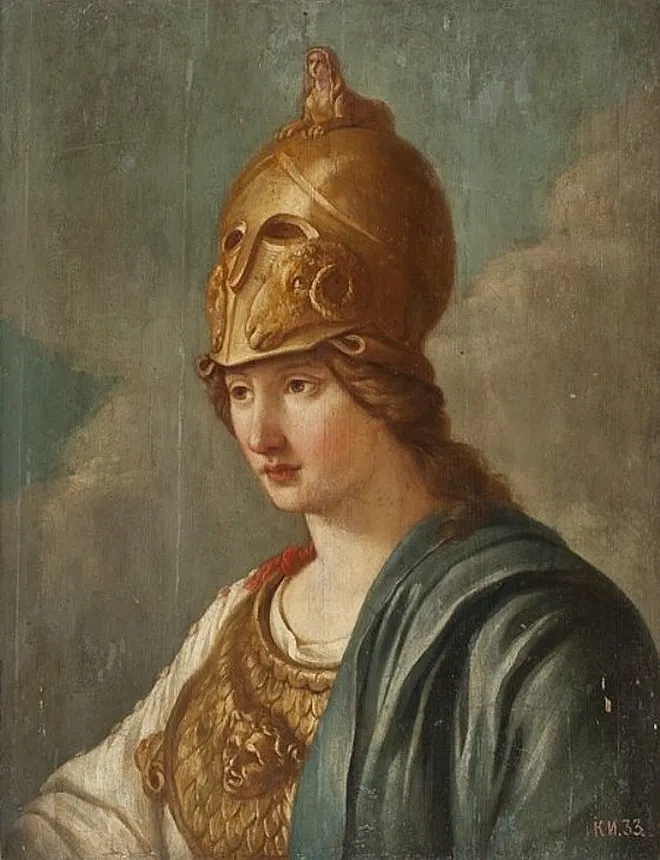
Minerva is an unspecified painting by the Rococo painting artist Joseph-Marie Vien. It dates from 1754 and is held in the collection of the Hermitage Museum.
About this work
Overview
Minerva is a painting by French artist Joseph-Marie Vien, created in 1754 during the Rococo period. It is now part of the State Hermitage Museum's collection.
Subject & Meaning
The painting depicts a woman, identifiable as Minerva, wearing a gold helmet with a bird atop, a white tunic, a gold breastplate featuring a lion's head, and a draped blue robe. Her attire and accessories symbolize her association with wisdom, courage, and strategic warfare.
Technique & Style
Vien employed Rococo's characteristic delicate forms and soft lighting in Minerva. The piece also showcases intricate designs on the helmet and breastplate, with gold accents conveying elegance and luxury. Notably, Vien utilized chiaroscuro, creating strong contrasts between light and dark to add depth.
History & Provenance
Created in 1754, Minerva later became part of the State Hermitage Museum's collection. Vien, who painted this work, held the position of Premier peintre du Roi from 1789 to 1791.
Context
Minerva reflects the Rococo era's aesthetic preferences, emphasizing refinement and delicacy. The subject matter, drawn from Roman mythology, was a common choice for artistic expression during this period.
Legacy
While specific lasting impacts of *Minerva* on the art world are not widely documented, it remains a characteristic example of Rococo painting and Vien's style, contributing to the broader understanding of 18th-century French art.
Artist & collection
Artist
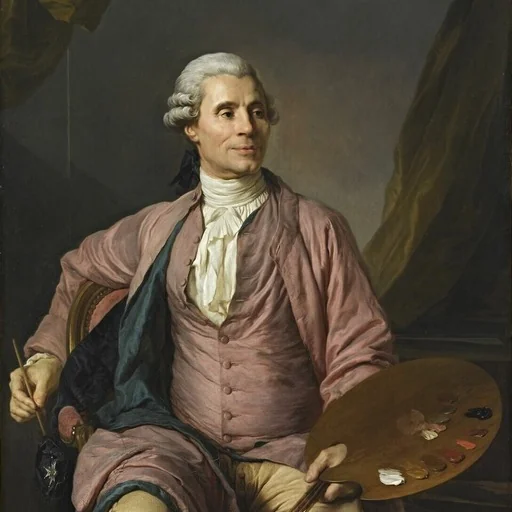
Joseph-Marie Vien (18 June 1716 – 27 March 1809) was a French painter. He was the last holder of the post of Premier peintre du Roi, serving from 1789 to 1791, before it was abolished during the French Revolution.

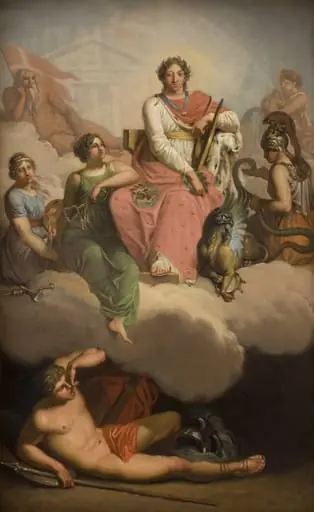 Frederik V as Patron of Science and the Arts
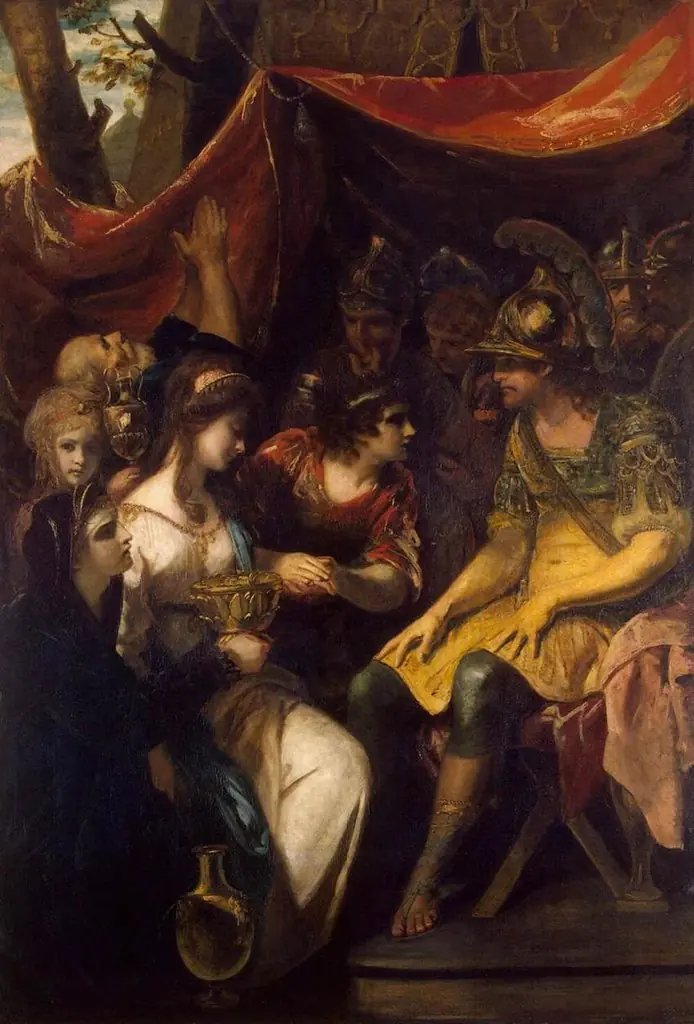 Continence of Scipio
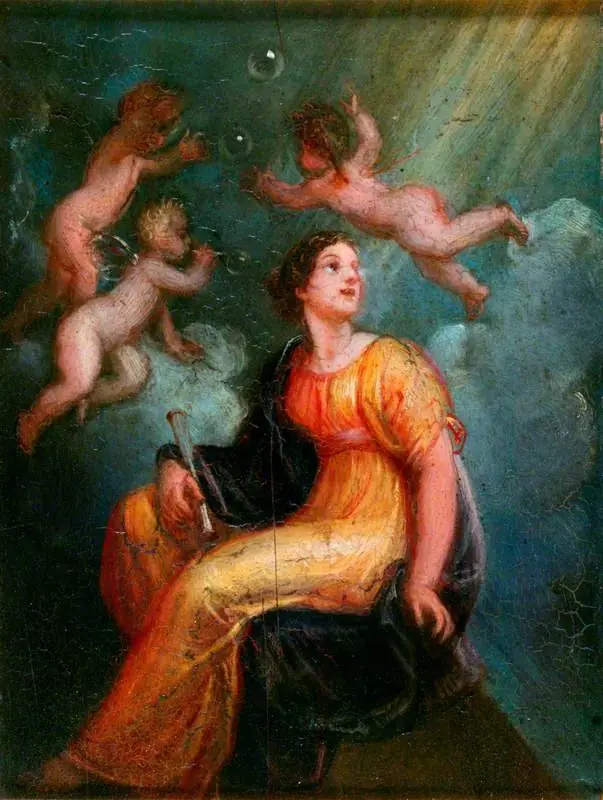 Fame as an Allegory
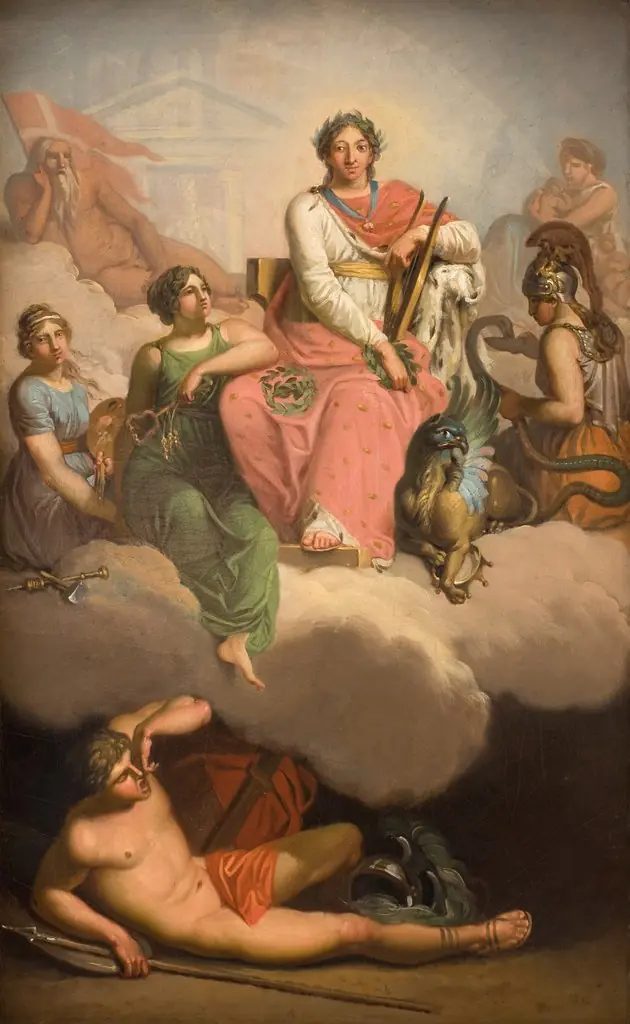 Frederik V as Patron of Science and the Arts
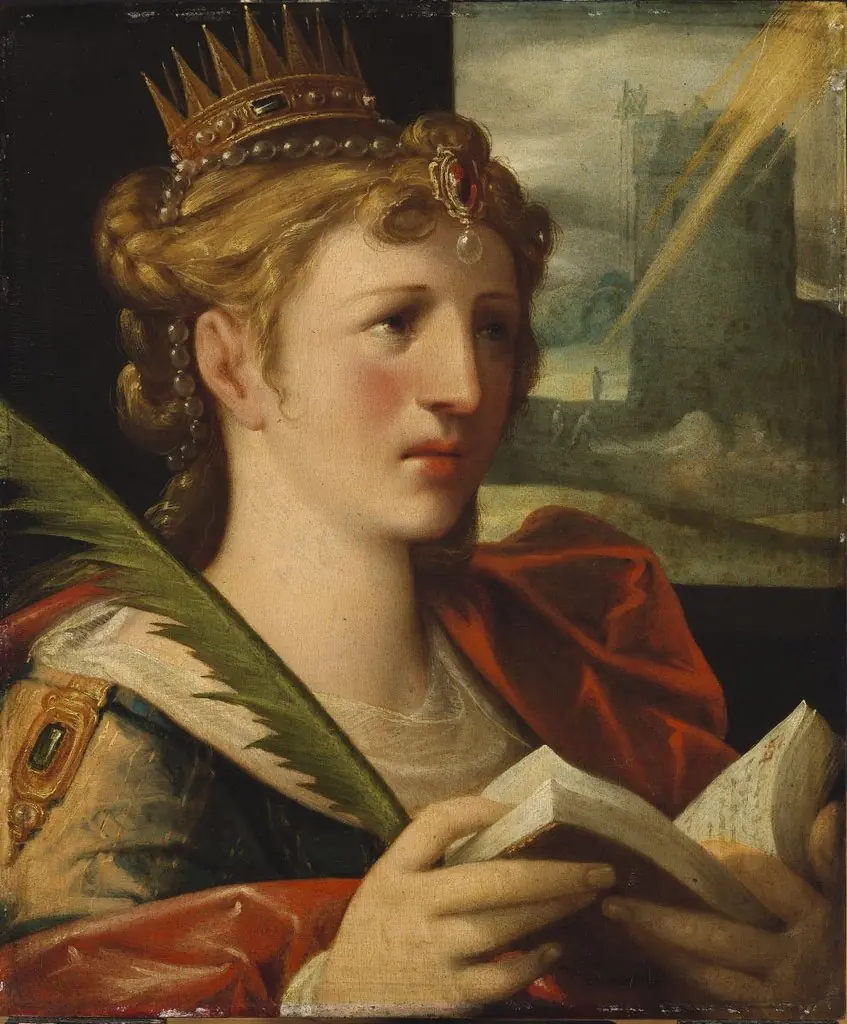 Saint Barbara
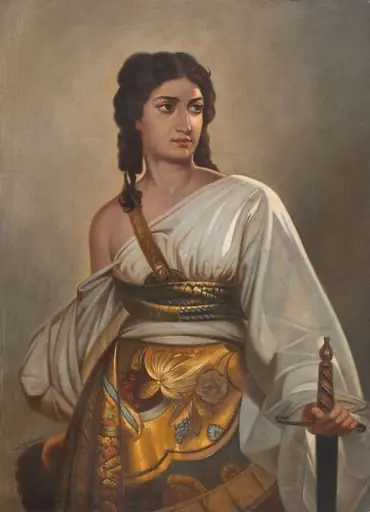 Juditha
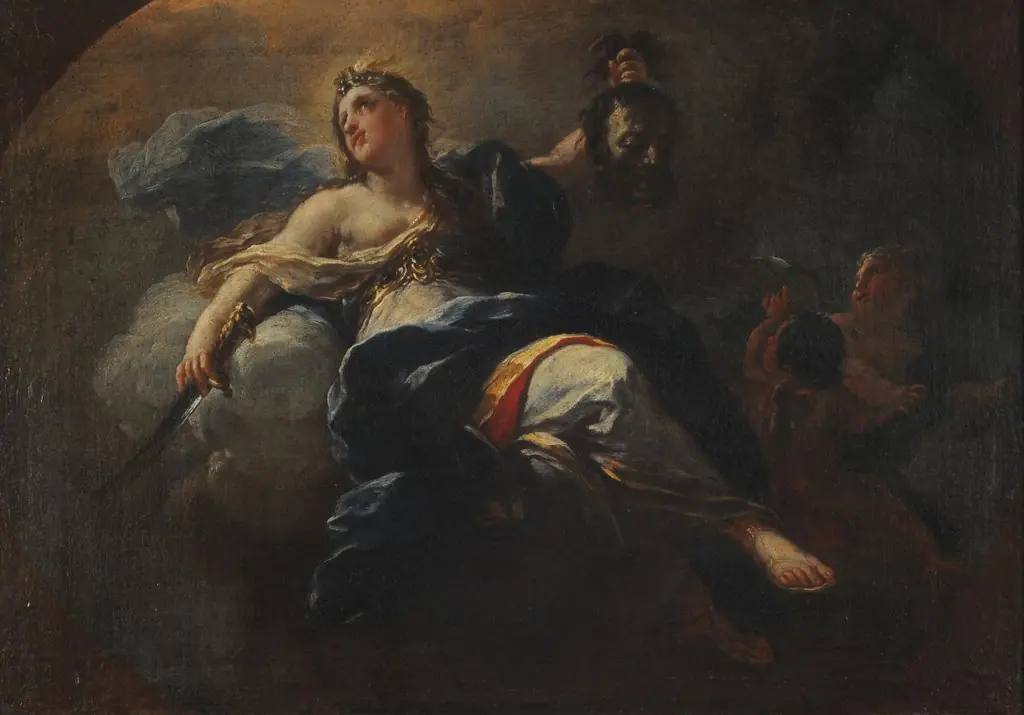 Apoteosis de Judith (Tit. Ant.: Judith llevando -en triunfo- la cabeza de Holofernes)
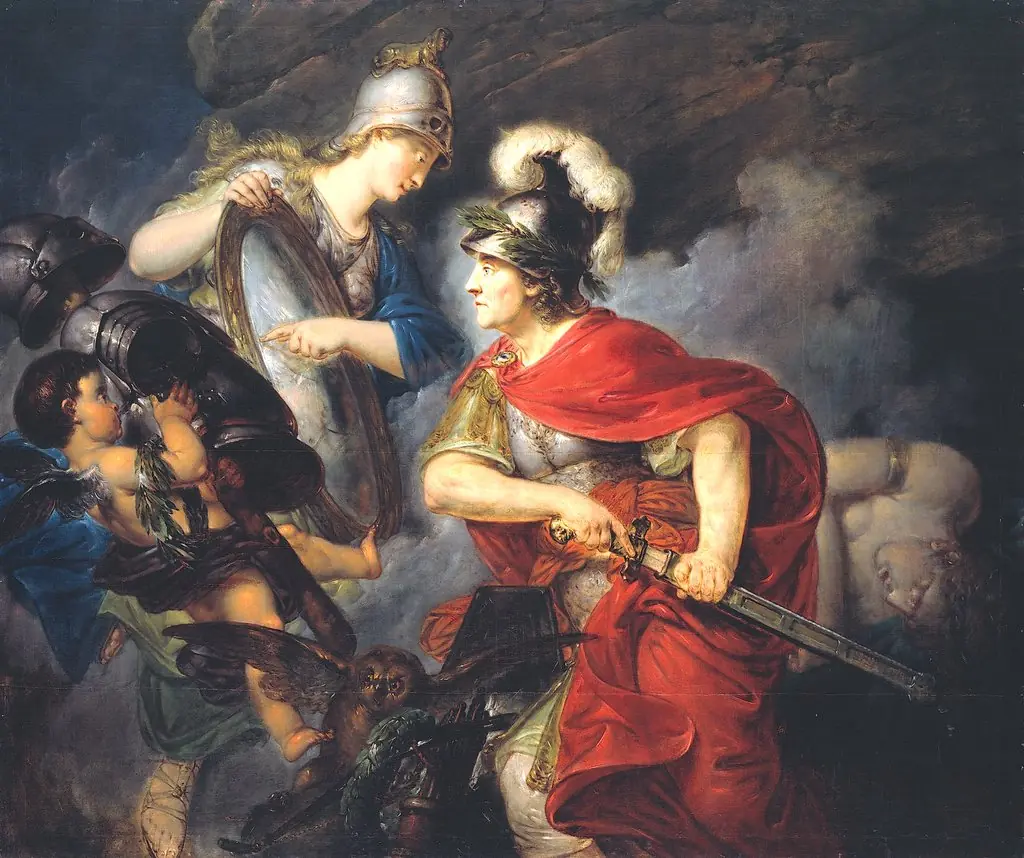 Allegory of Frederick the Great as Perseus
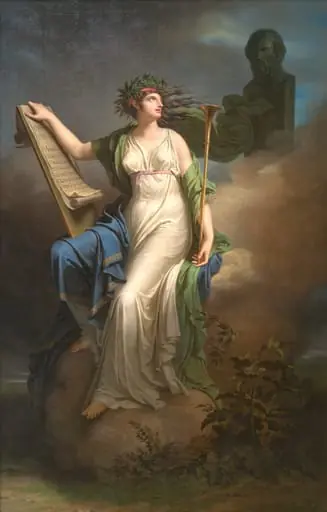 Calliope, Muse of Epic Poetry
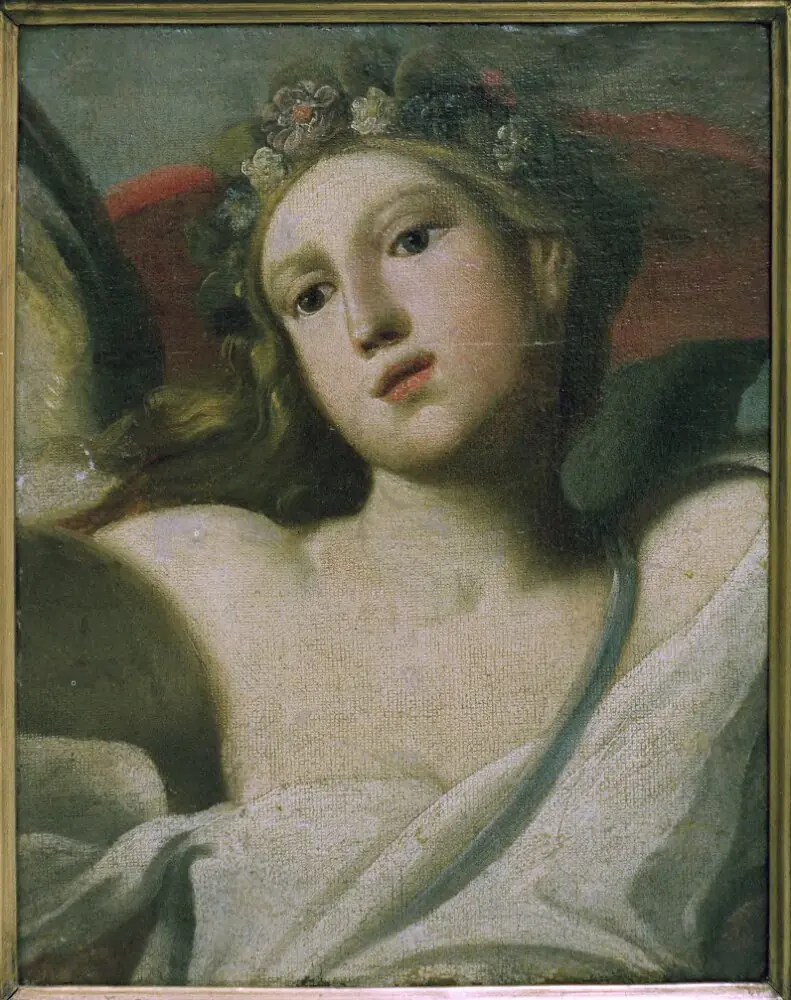 Flora
Flora Diana
Diana Santa Bárbara