Artwork
Diana - Luna
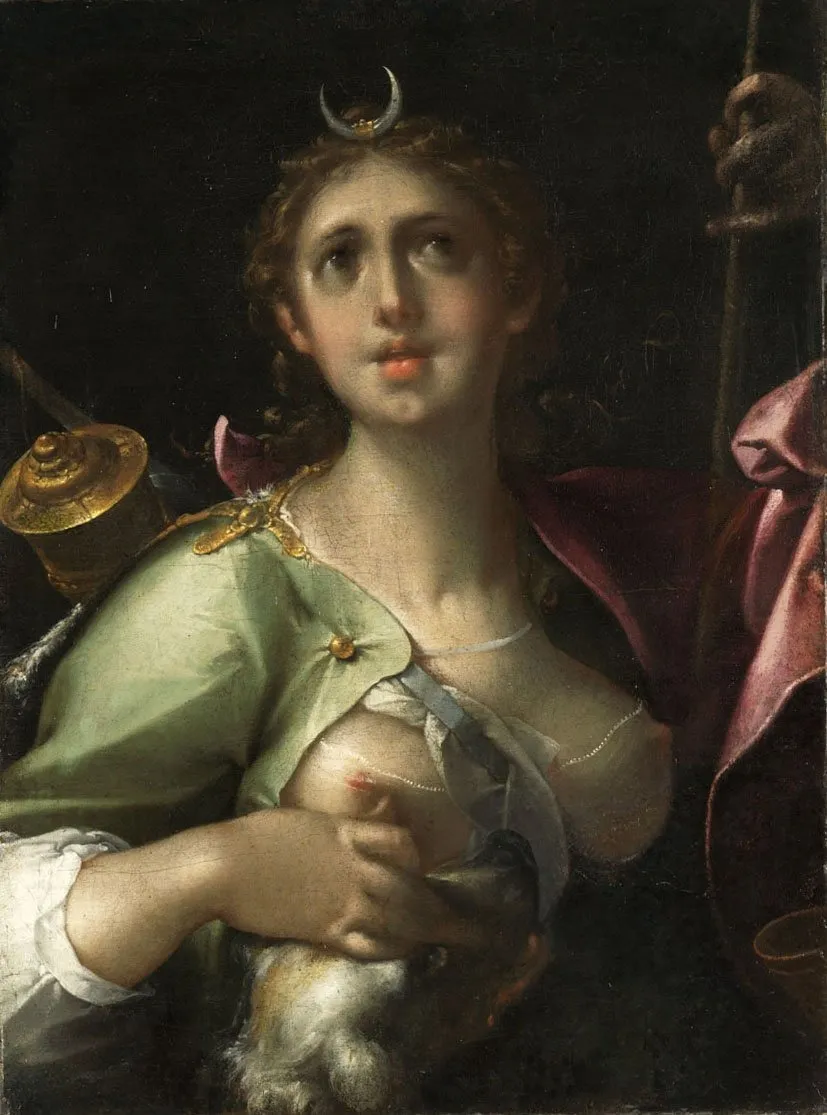
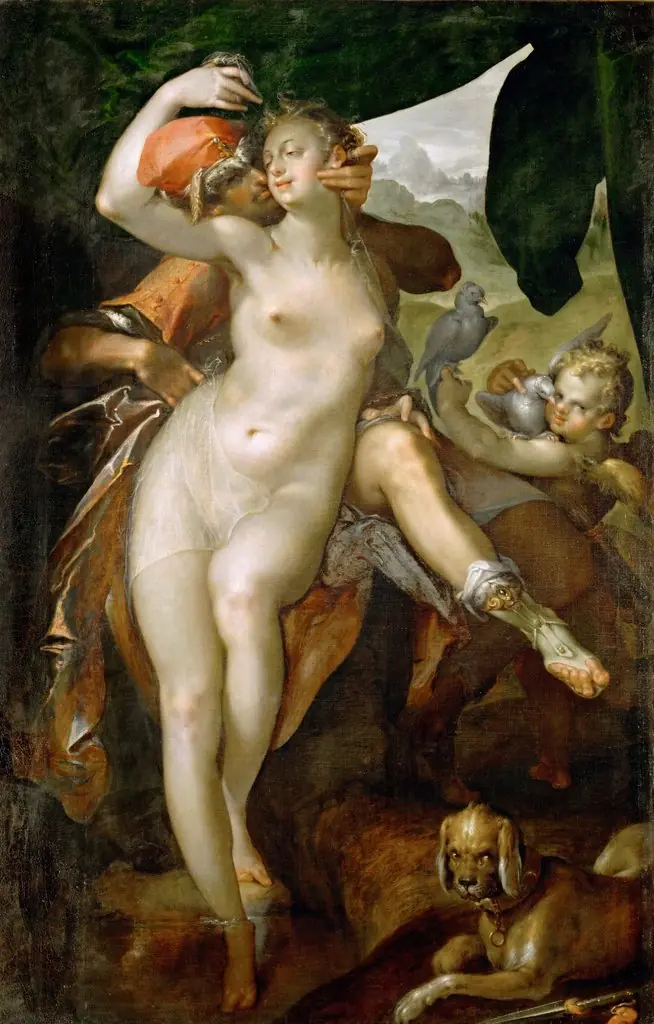
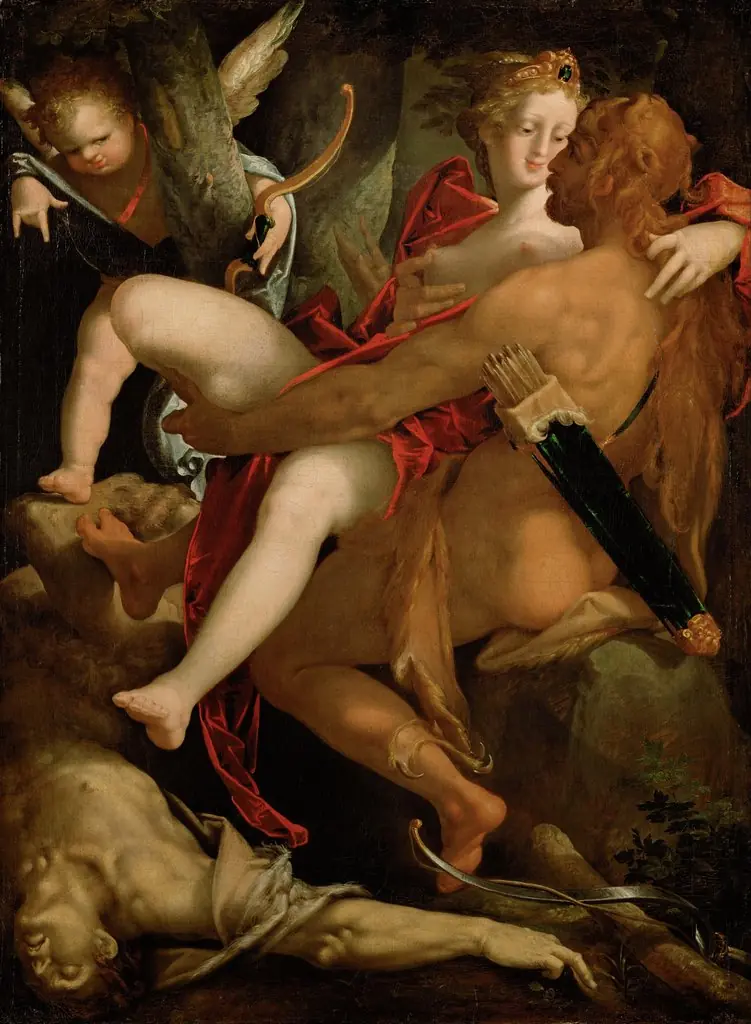
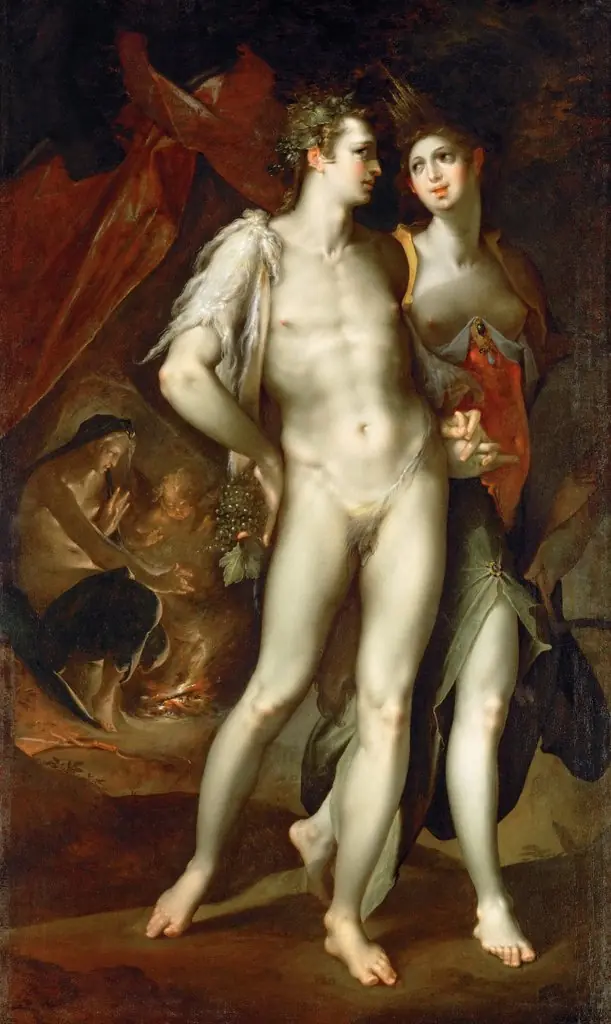
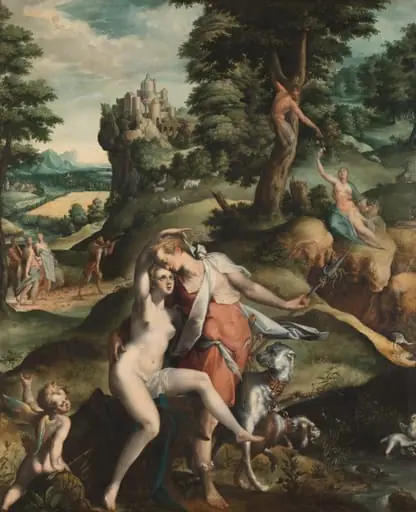
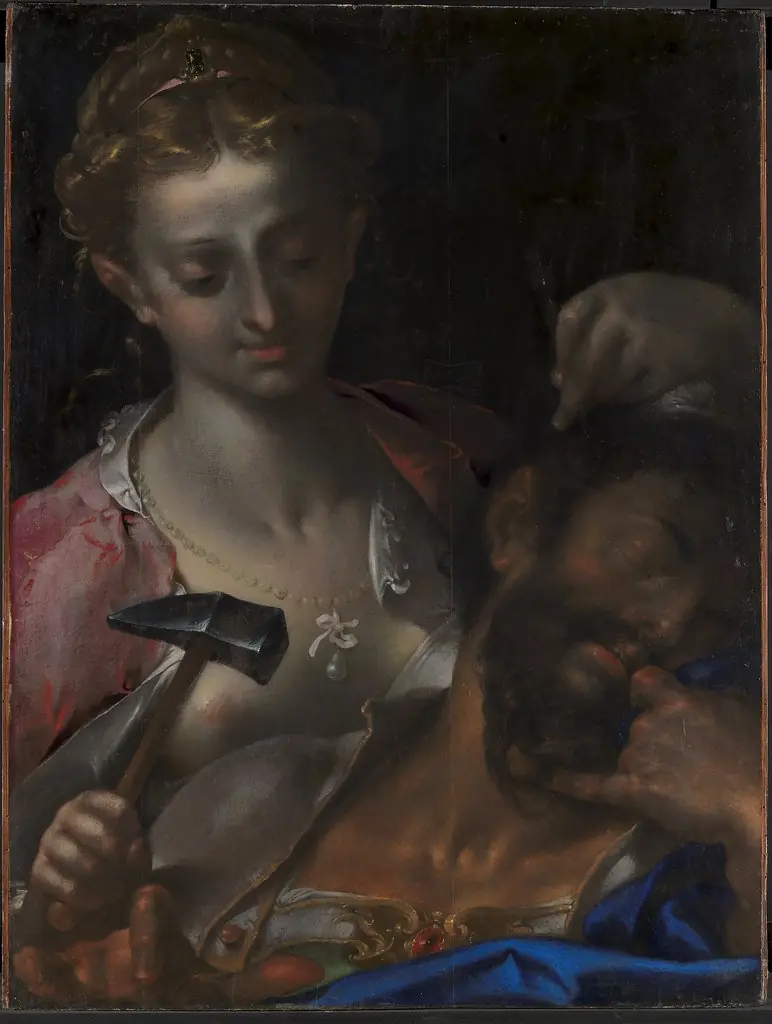
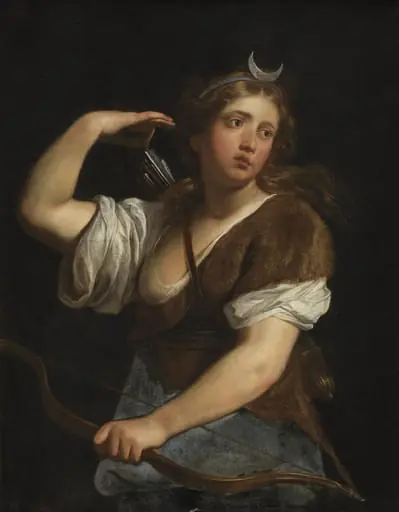
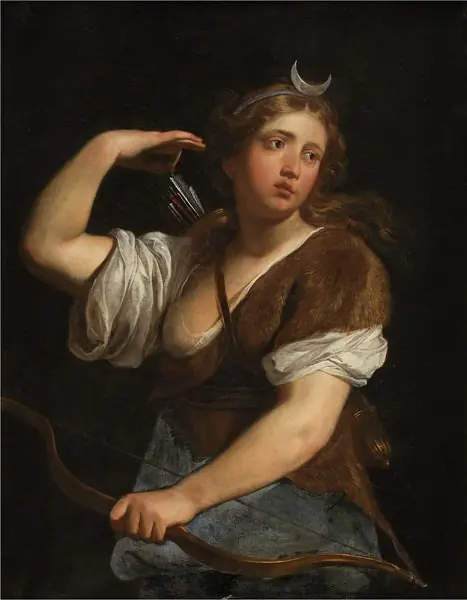
Diana - Luna is an oil painting by the Early Baroque Italian artist Bartholomeus Spranger. It dates from 1600 and is held in the collection of the Museum of Fine Arts, Budapest.
About this work
Overview
Bartholomeus Spranger, a Flemish painter serving Emperor Rudolf II in Prague, produced the oil painting *Diana – Luna* circa 1600. The work portrays a serene female figure identified as the Roman goddess Diana, also associated with the moon, and is part of the Museum of Fine Arts in Budapest’s collection.
Subject & Meaning
The central figure bears a crescent moon on her forehead, a traditional attribute of Diana as Luna. She is shown holding a small dog, a symbol of fidelity, while her calm expression and upward gaze evoke the goddess’s celestial domain and her role as a huntress under the night sky.
Technique & Style
Executed in the Northern Mannerist idiom, the painting features elongated, smoothly modeled forms and graceful poses. Spranger employs chiaroscuro to model the figure against a dark, indistinct background, allowing light to illuminate the face, hands, and the dog, thereby creating a sense of three‑dimensionality and focus.
History & Provenance
Created while Spranger was active at the Habsburg court in Prague, the canvas reflects his synthesis of Netherlandish detail and Italian early Baroque influences. After changing hands over the centuries, the painting entered the Museum of Fine Arts, Budapest, where it remains on display as part of the museum’s European paintings collection.
Artist & collection
Artist
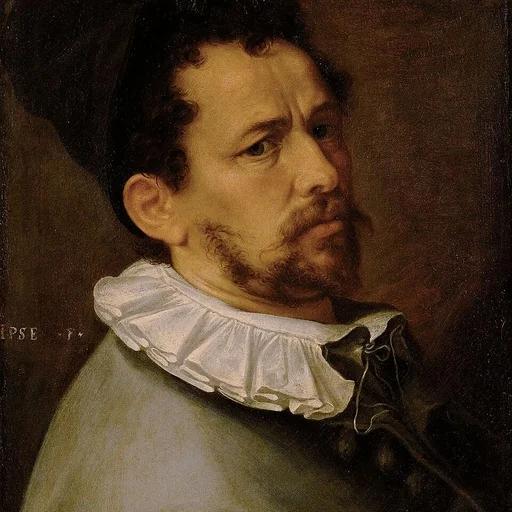
Bartholomeus Spranger or Bartholomaeus Spranger (21 March 1546 – 27 June 1611) was a Flemish painter, draughtsman, sculptor, and designer of prints.