Artwork
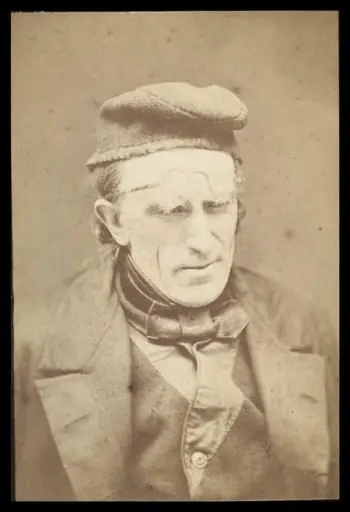
Figure 51: À droite, contraction partielle de l'élévateur commun de l'aile du nez et de la lèvre supérieure: mécontentement, mauvaise humeur; à gauche, repos
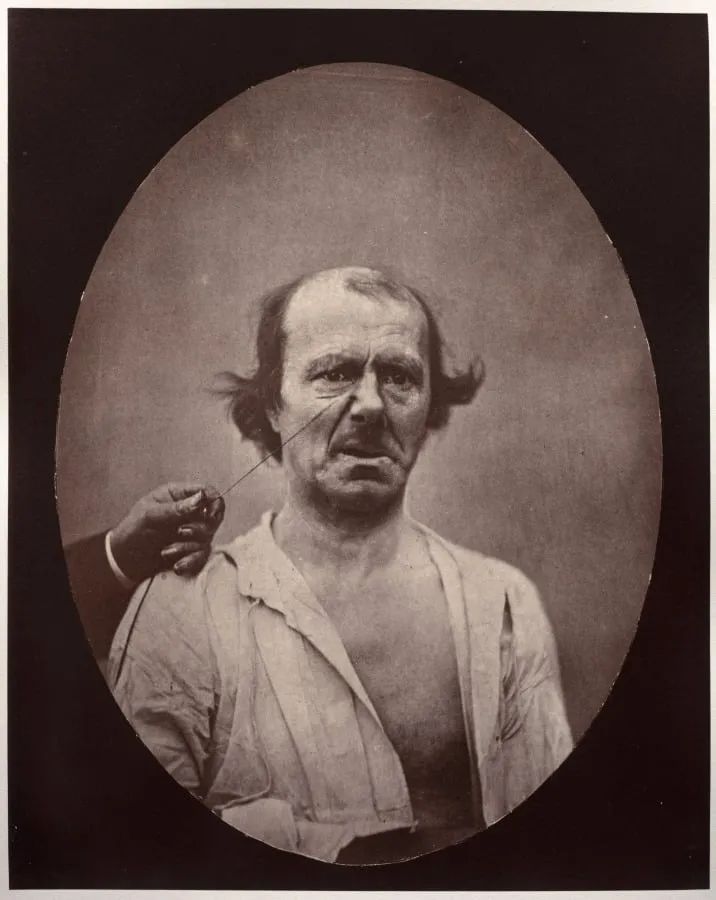
Figure 51: À droite, contraction partielle de l'élévateur commun de l'aile du nez et de la lèvre supérieure: mécontentement, mauvaise humeur; à gauche, repos is a photography by the Impressionist artist Guillaume-Benjamin-Amand Duchenne (de Boulogne). It dates from 1856 and is held in the collection of the Cleveland Museum of Art. Figure 51 is a black‑and‑white photograph that presents a man's face bisected vertically.
About this work
Overview
Figure 51 is a black‑and‑white photograph that presents a man's face bisected vertically. The left half shows a relaxed, neutral expression, while the right half displays a partial contraction of the muscles that lift the nasal wing and upper lip, producing a look of displeasure. The image is a visual record of a controlled experiment on facial movement.
Subject & Meaning
The work illustrates how selective activation of specific facial muscles generates distinct emotional cues. By juxtaposing a stimulated side with an untouched side, the photograph makes the physiological basis of a ‘bad‑mood’ expression immediately apparent, emphasizing the link between muscular activity and perceived affect.
Technique & Style
Photographed in the late 19th century, the image employs stark monochrome contrast to highlight muscular tension. Duchenne applied brief electrical currents to trigger isolated twitches, then captured the result with a camera that could freeze the subtle differences between the two halves of the face.
History & Provenance
The picture belongs to the first systematic series of studies undertaken by French neurologist Guillaume‑Bénédict Duchenne to map facial expression. Produced as part of his broader research on the physiology of emotion, the photograph entered museum collections after being reproduced in his seminal publications on the subject.
Artist & collection
Artist
Guillaume-Benjamin-Amand Duchenne (de Boulogne)
Guillaume-Benjamin-Amand Duchenne (1806–1875) was a De boulogne artist.

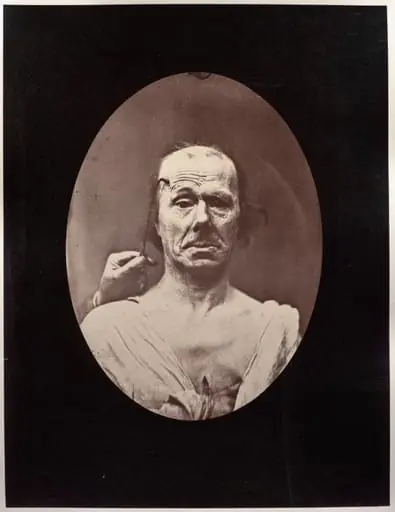 Figure 7: Étude du méchanisme et de l'expression du muscle frontal chez un vieillard: à droit, attention; à gauche, repos
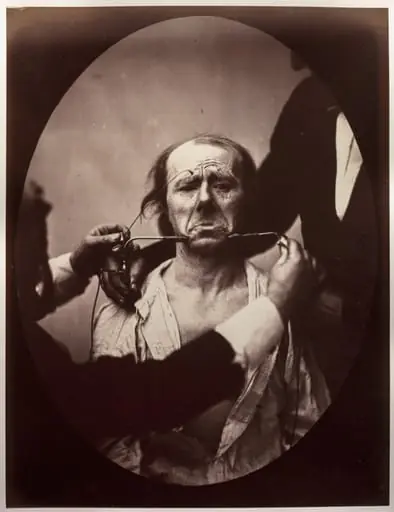 Figure 45: Contraction électrique forte des triangulaires des lèvres et des sourciliers: douleur et déspoir
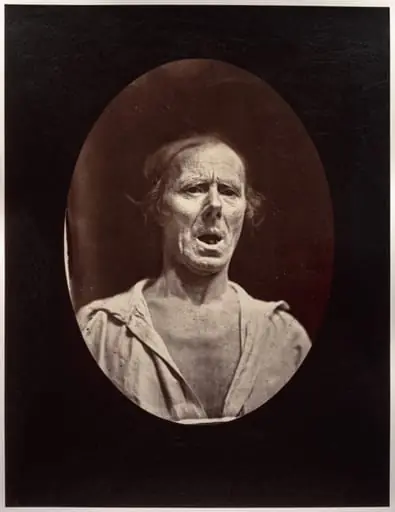 Figure 54: Abaissement volontaire de la mâchoire inférieure: mouvement inexpressif
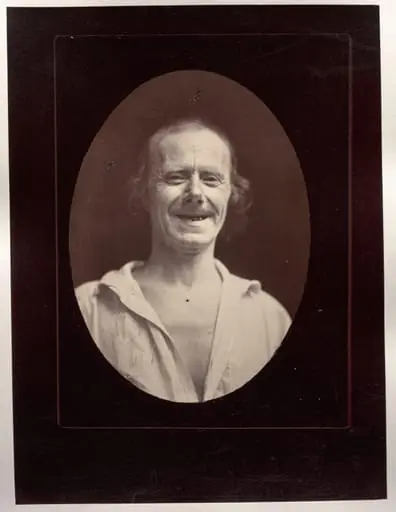 Figure 32: Natural laughter by the voluntary contraction of the two large zygomatics and the lower palpebral orbicularis