Artwork
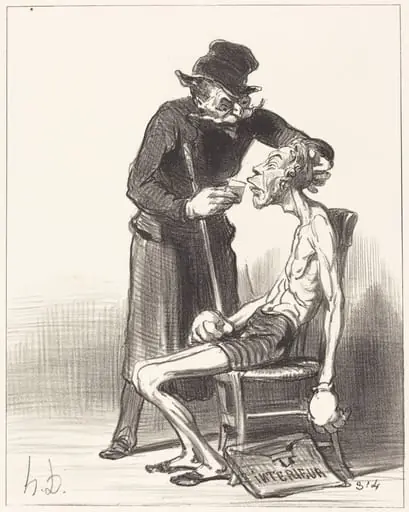
Un Lutteur malheureux
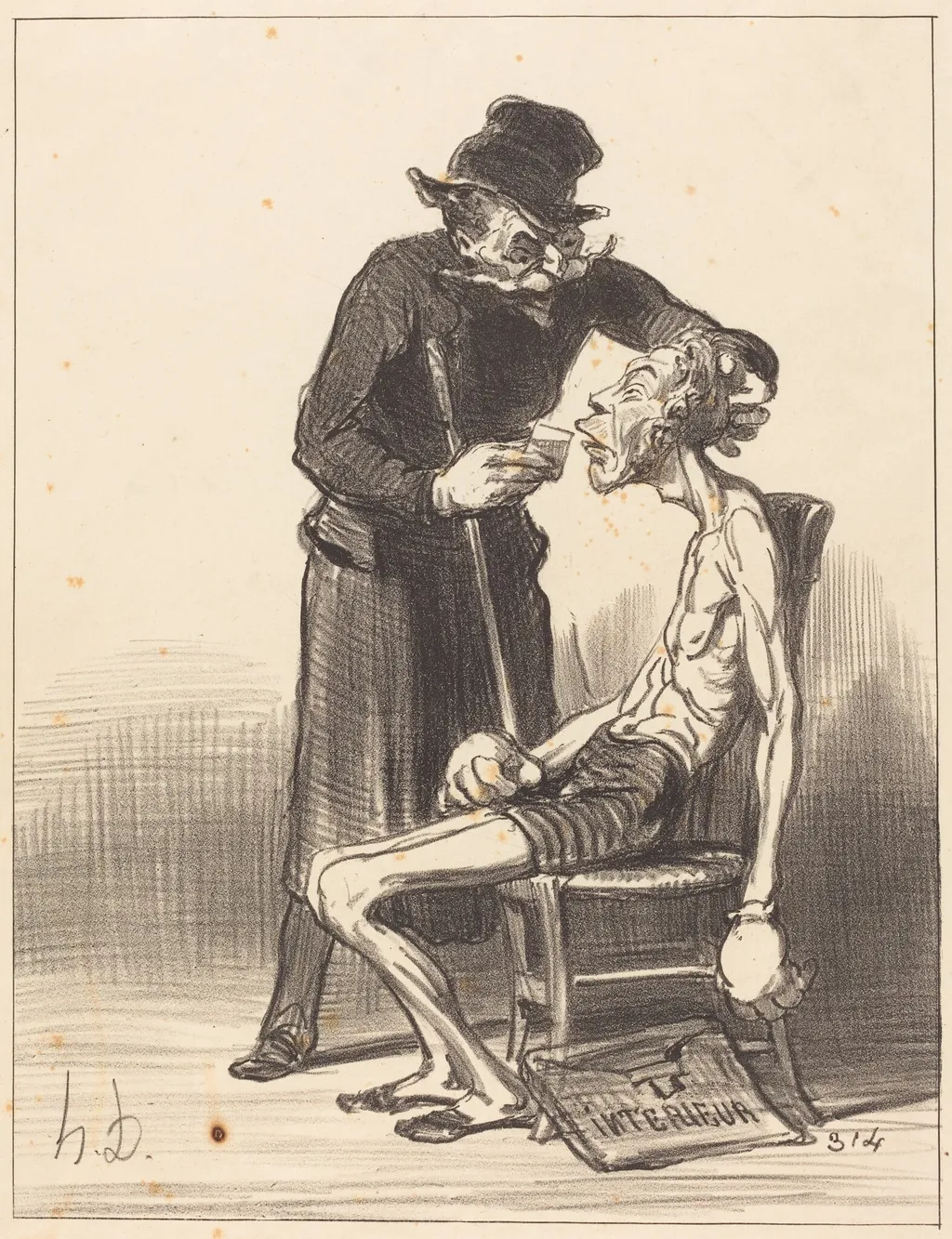
Un Lutteur malheureux is an ink print by the Impressionist artist Honoré Daumier. It dates from 1851 and is held in the collection of the National Gallery of Art.
About this work
Overview
The work belongs to a broader body of prints in which Daumier examined social hierarchies and power dynamics in mid-century France.
Created in 1851, *Un Lutteur malheureux* is a lithograph by Honoré Daumier that captures a moment of physical and symbolic defeat. The work belongs to a broader body of prints in which Daumier examined social hierarchies and power dynamics in mid-century France. Rendered with restrained tonal contrasts, the image avoids overt caricature, instead relying on posture and expression to convey tension between two figures in a quiet, intimate setting.
Subject & Meaning
The scene depicts a seated wrestler, bandaged and exhausted, facing a sternly dressed man standing over him. The wrestler’s vulnerability contrasts with the observer’s rigid posture, suggesting an imbalance of power. Though literal wrestling is implied, the image functions as an allegory for societal struggles—perhaps the oppressed confronting authority, or the individual crushed by institutional indifference. Daumier’s choice of a defeated athlete reflects broader anxieties about justice and resilience under repression.
Technique & Style
Daumier employed lithography to achieve a range of gray tones and textured surfaces, enhancing the emotional weight of the scene. The figures are rendered with economical lines, avoiding excessive detail to emphasize emotional states. The somber palette and compressed composition draw attention to the psychological distance between the two men. The medium’s capacity for rapid reproduction allowed Daumier to disseminate his social commentary widely, aligning with his commitment to public engagement.
History & Provenance
The print was produced during a period of political instability in France, following the 1848 Revolution and the rise of Louis-Napoléon Bonaparte. Daumier, long critical of authoritarianism, had faced imprisonment for his earlier satires. *Un Lutteur malheureux* emerged as part of his quieter, more symbolic phase, avoiding direct political references while still conveying dissent. The work entered public collections in the late 19th century, preserved as part of Daumier’s legacy as a chronicler of ordinary struggle.
Context
In the early 1850s, France’s press freedoms were curtailed, and overt political satire became dangerous. Daumier shifted from overt caricature to more ambiguous, human-centered imagery. This print reflects a broader trend among artists using metaphor to navigate censorship. The wrestling motif, familiar in popular culture, provided a neutral yet potent symbol for endurance and defeat—resonating with citizens weary of political upheaval and economic hardship.
Legacy
Daumier’s later works, including this lithograph, influenced generations of realist and socially engaged artists. His ability to convey complex social commentary through minimal means set a precedent for modern graphic art. *Un Lutteur malheureux* remains a quiet but enduring testament to his focus on dignity amid adversity, and his refusal to reduce human suffering to spectacle.
Artist & collection
Artist
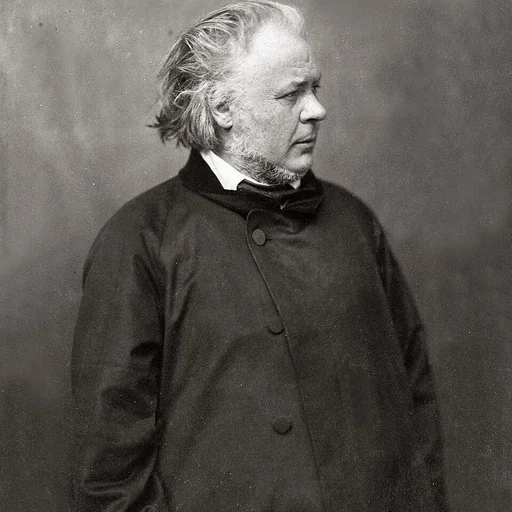
Honoré-Victorin Daumier was a French painter, sculptor, and printmaker, whose many works offer commentary on the social and political life in France, from the Revolution of 1830 to the fall of the Second French Empire in 1870.









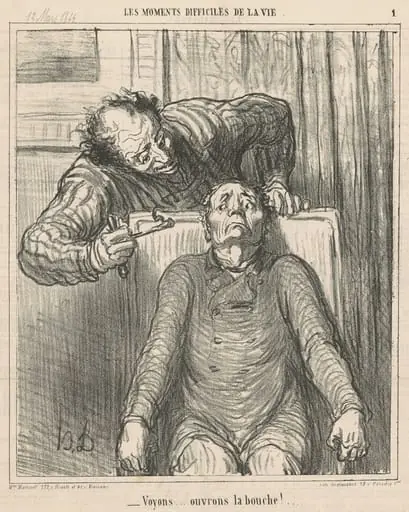 Voyons ... ouvrons le bouche! ...
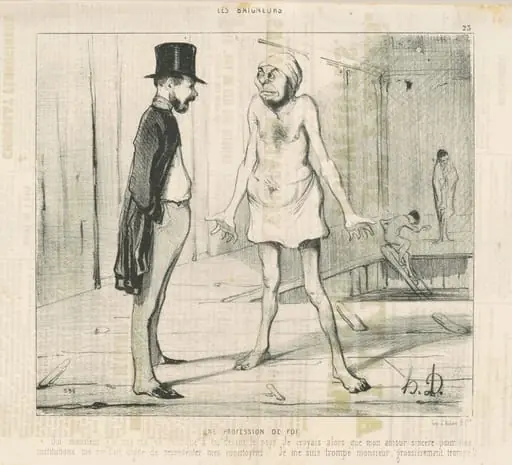 Une profession de foi
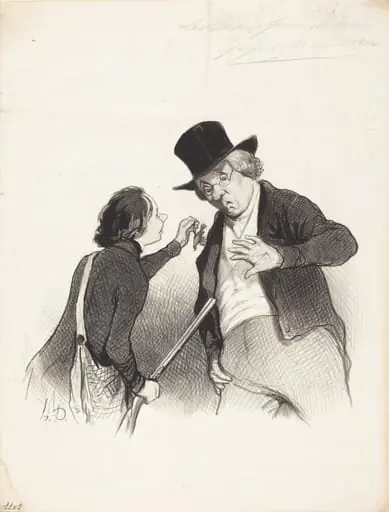 Un Début a la chasse
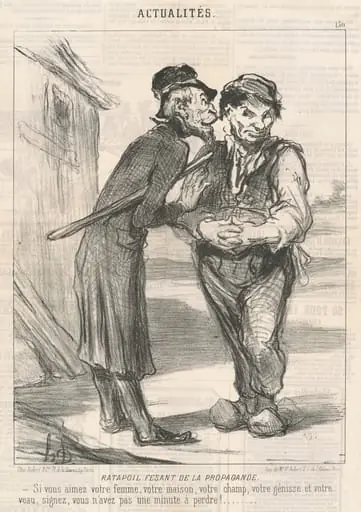 Ratapoil Fesant de la Propaganda: Si vous aimez votre femme, votre maison, votre champ, votre génisse et votre veau, signez, vous n'avez pas une minute de perdre!
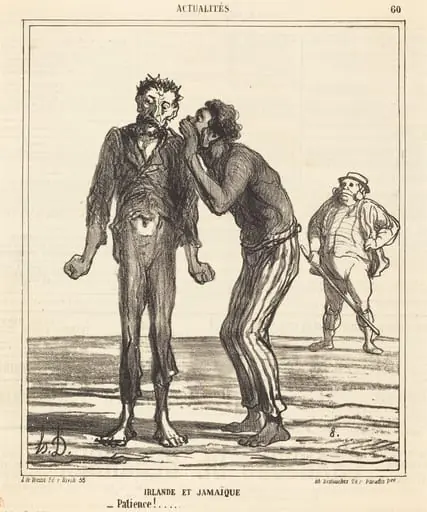 Irlande et Jamaique - Patience!...
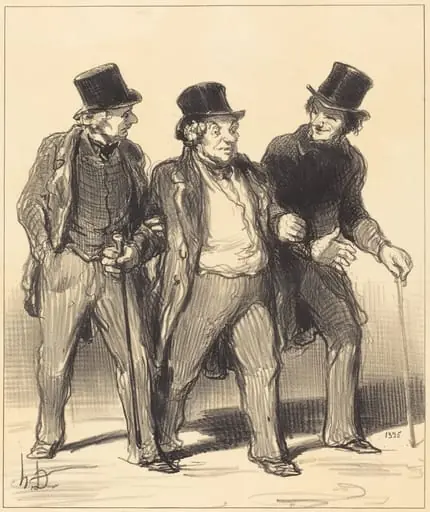 Il me semble que j'aperçois... un... chien... pas muselé!...
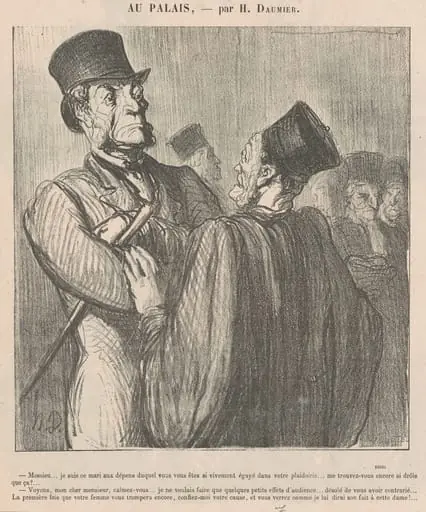 Mossieu ... je suis ce mari aux dépens duquel
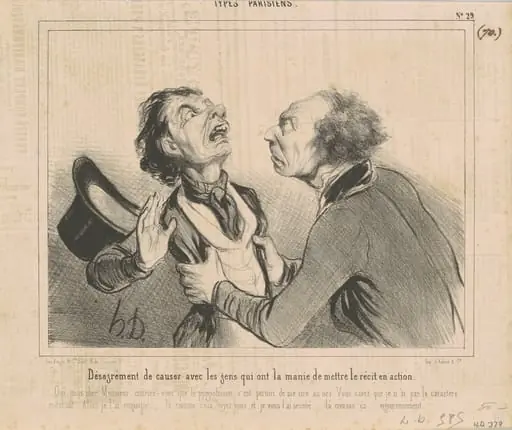 Désagrément de causer avec les gens...
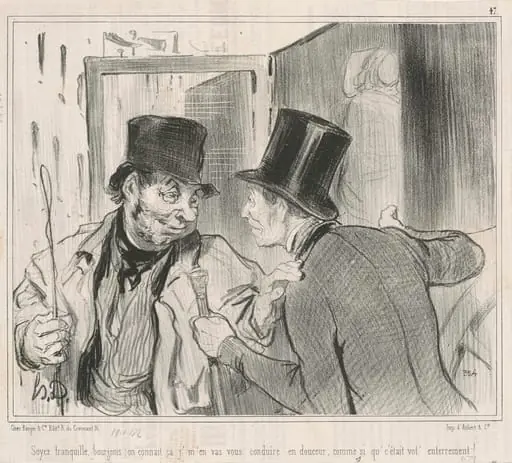 Soyez tranquille bourgeois, on connait
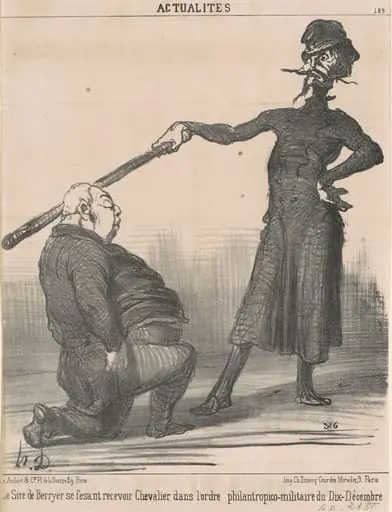 Le sire de Berryer ...Chevalier ...
 Un Lutteur malheureux
 J'ai vu Seigneur... votre malheureux fils...