Artwork
Femme couchée
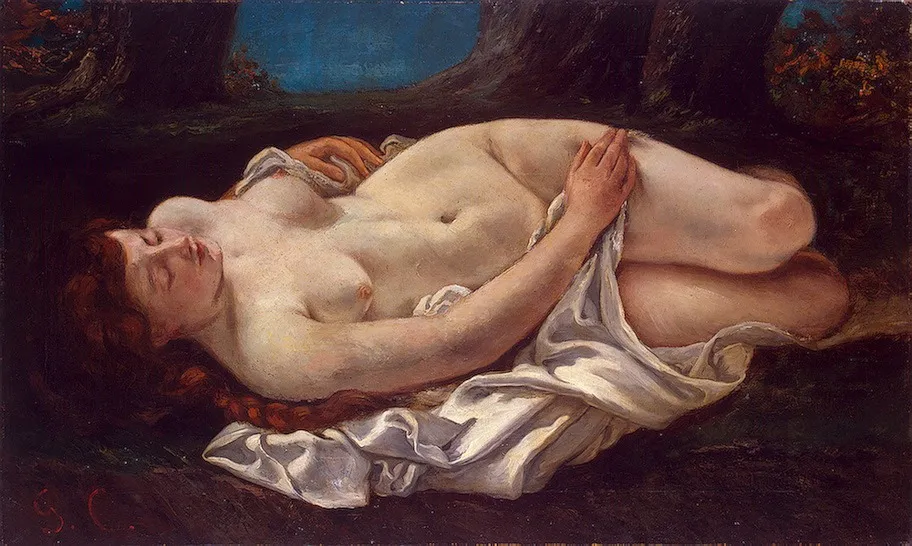
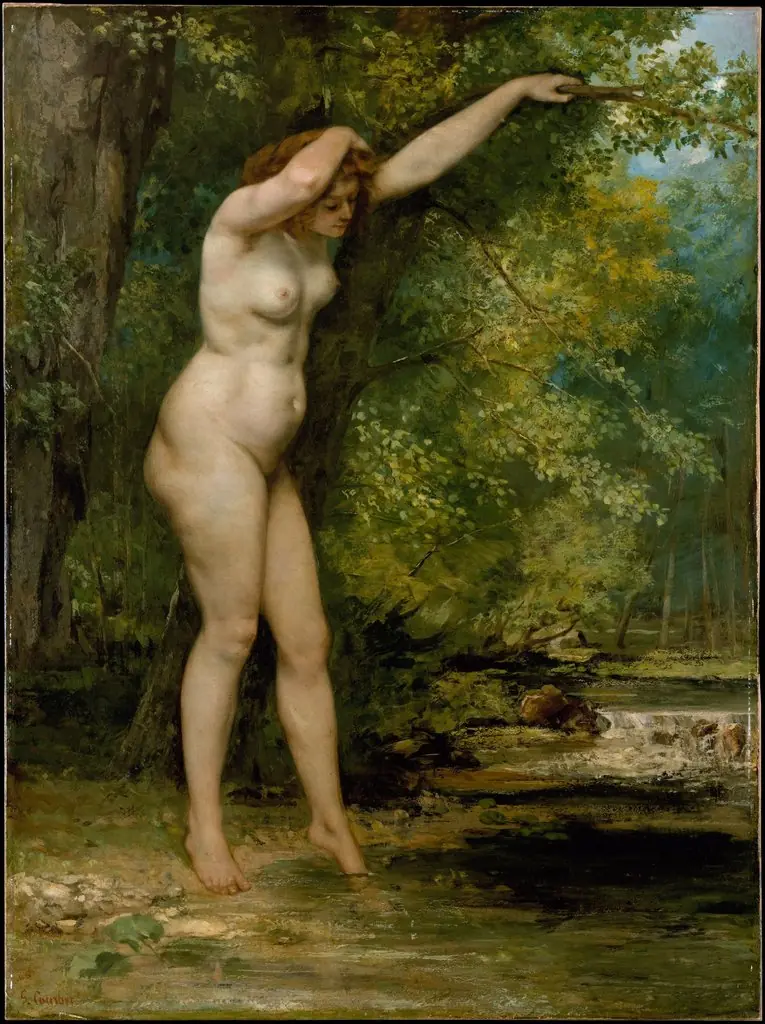
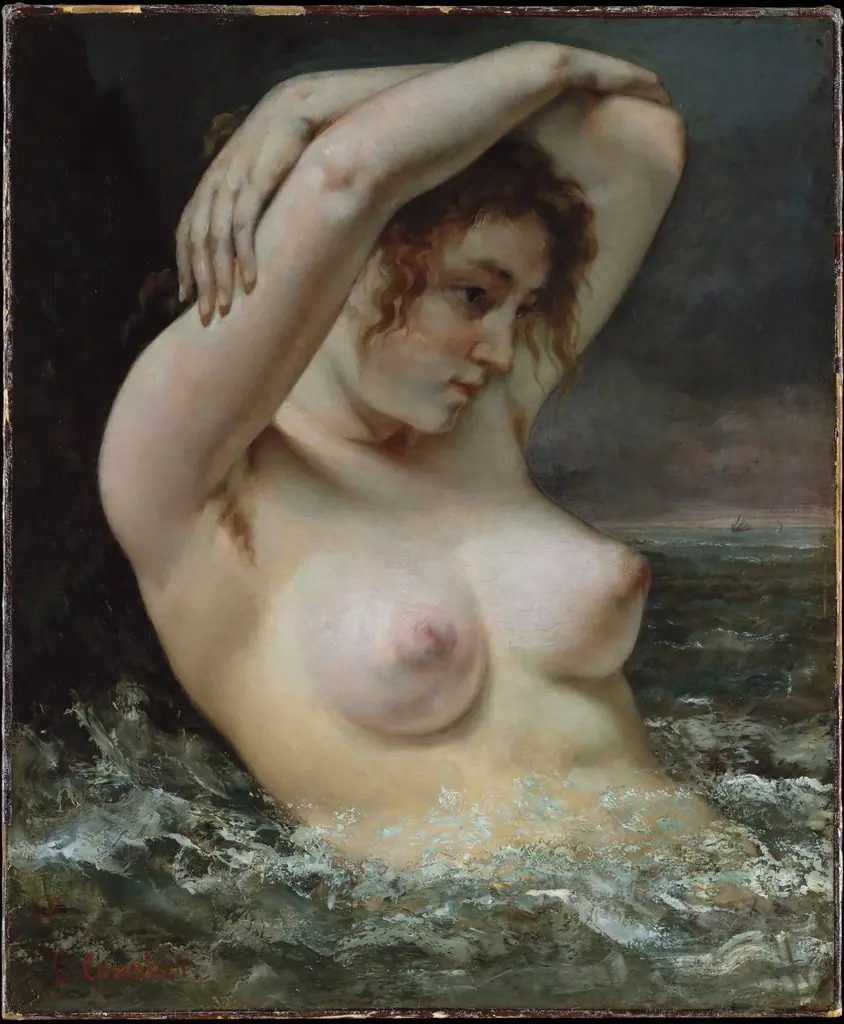
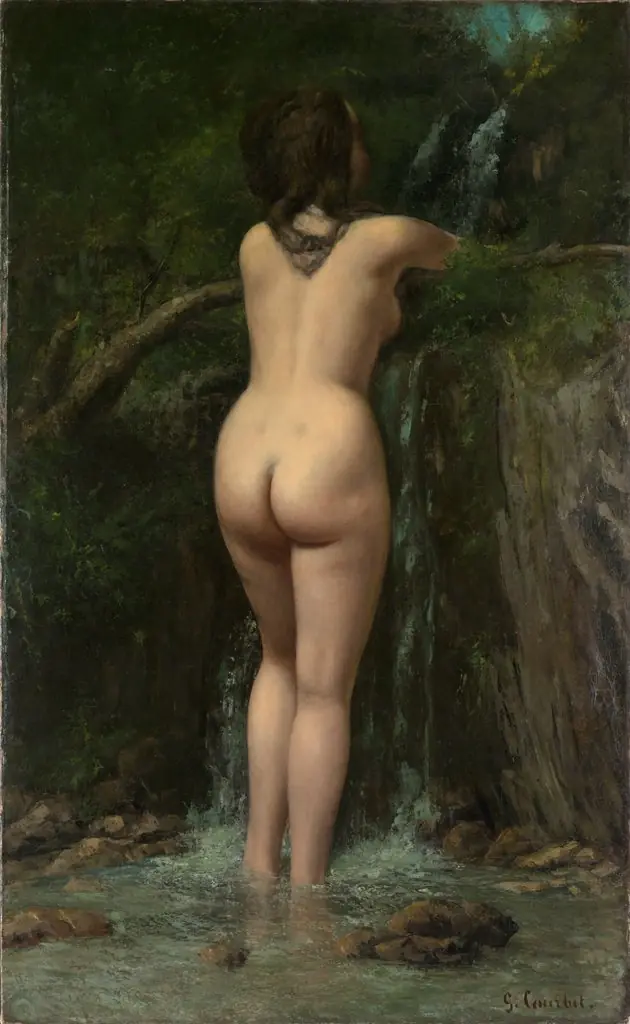
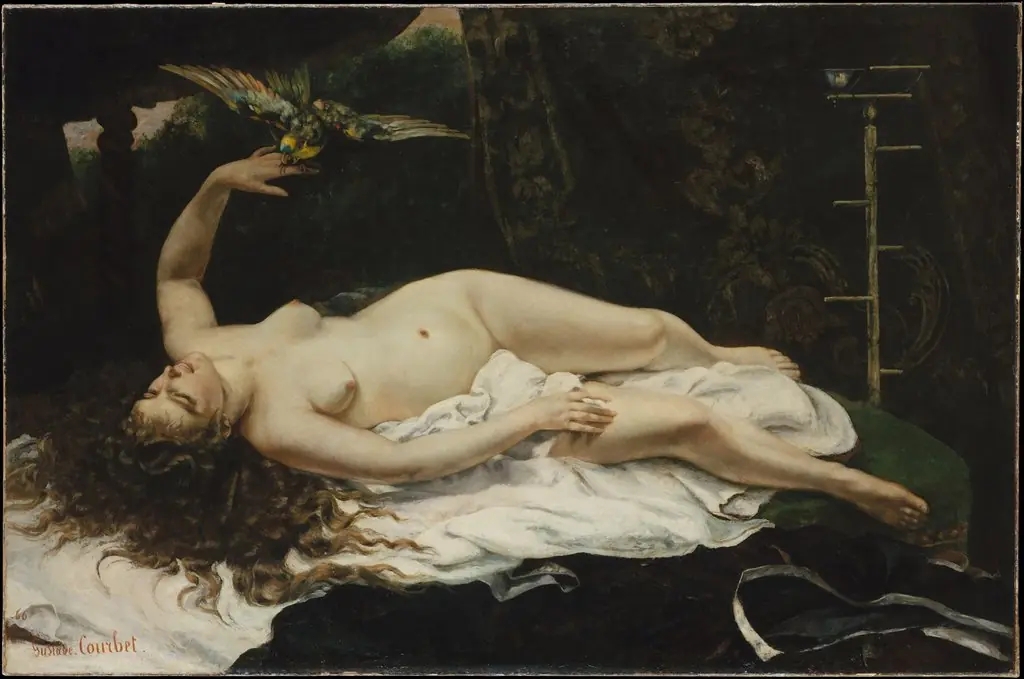
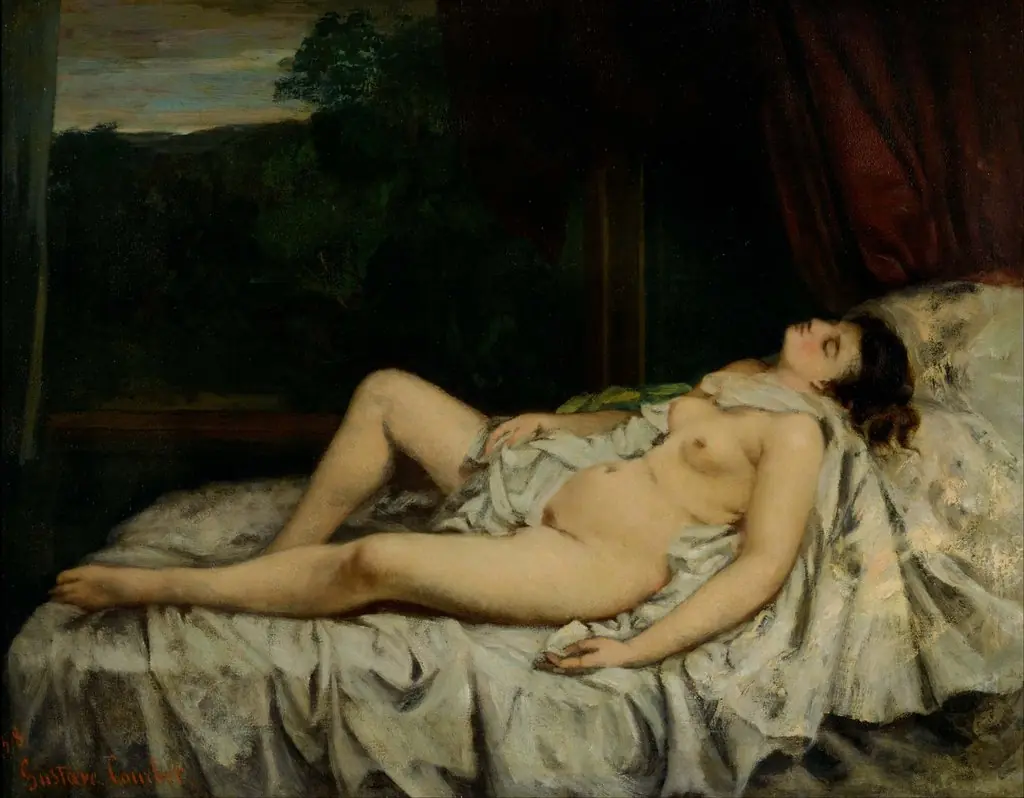
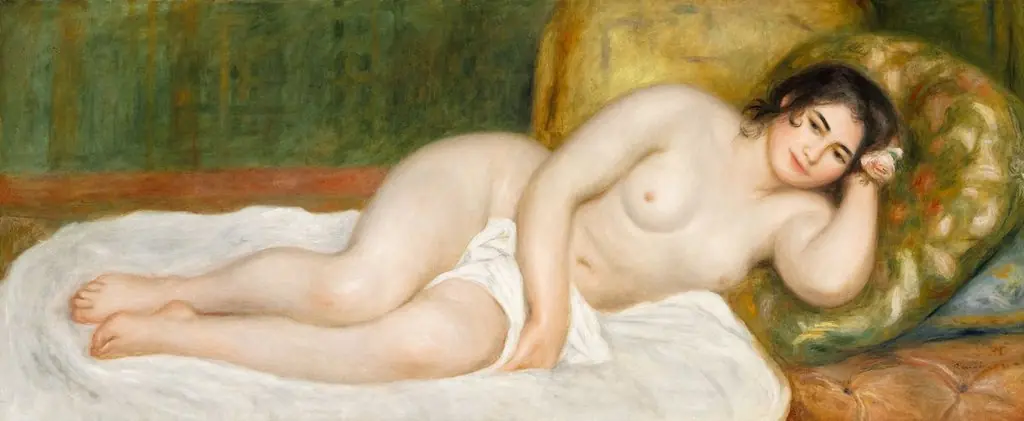
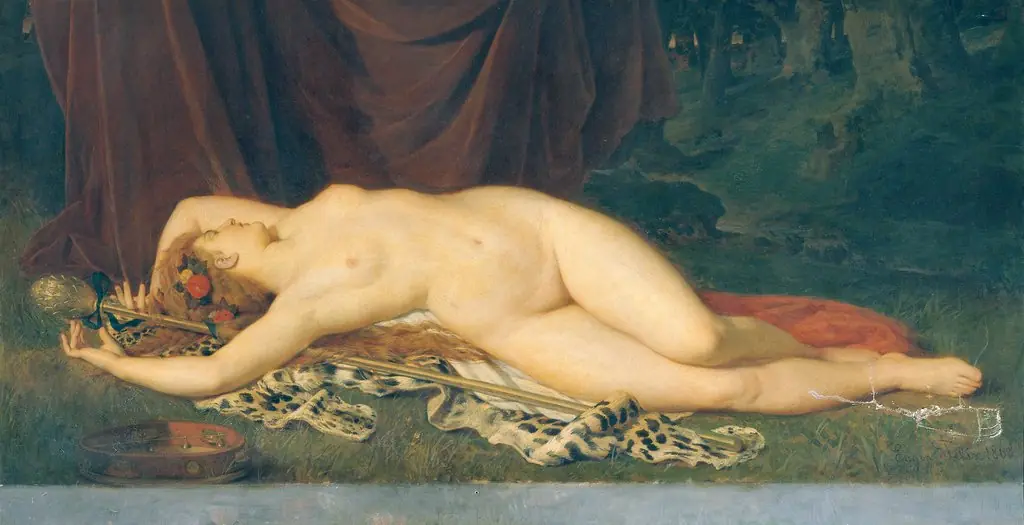
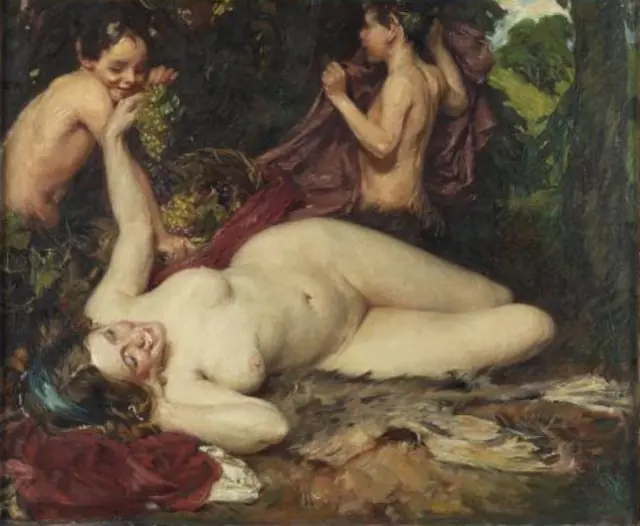
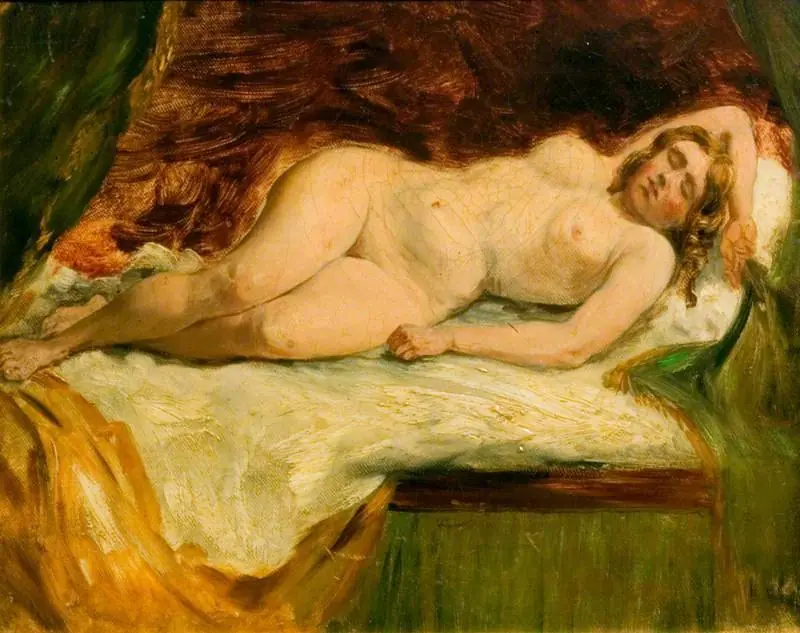
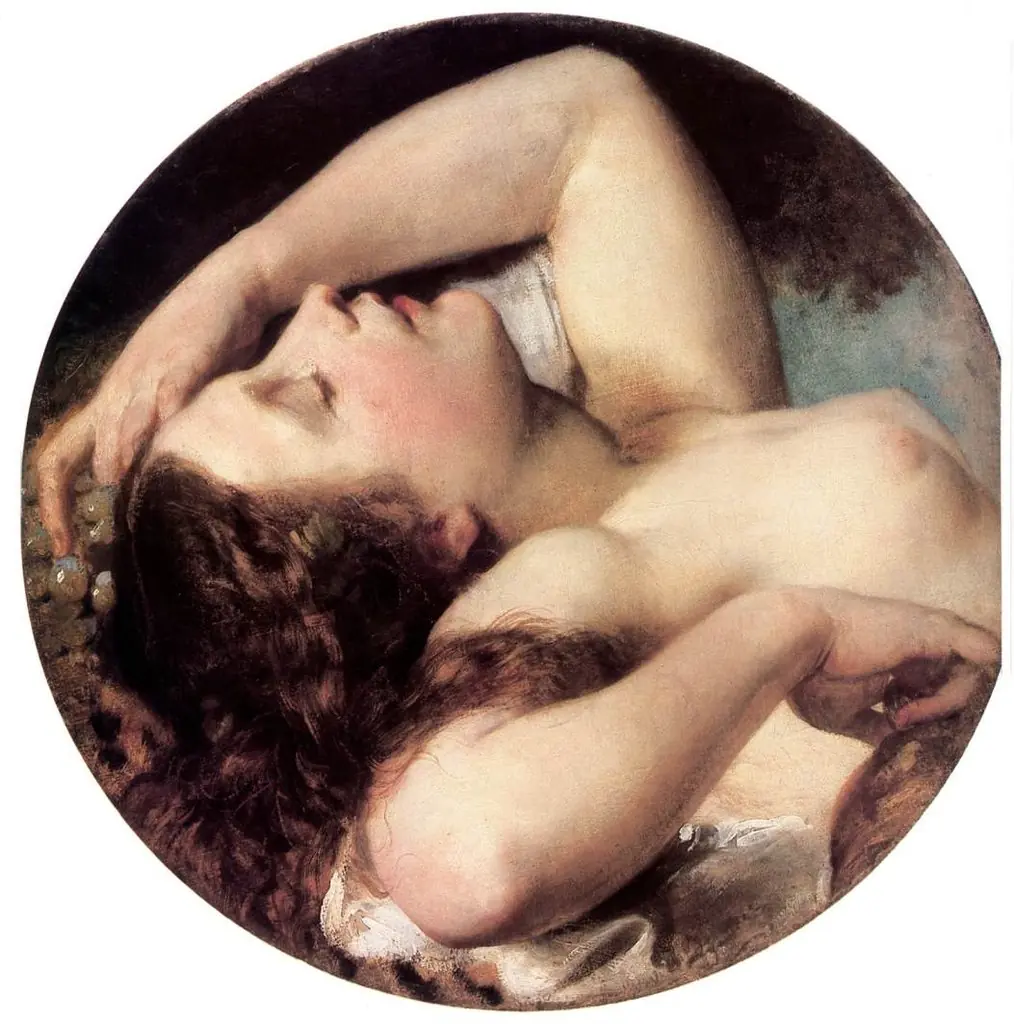
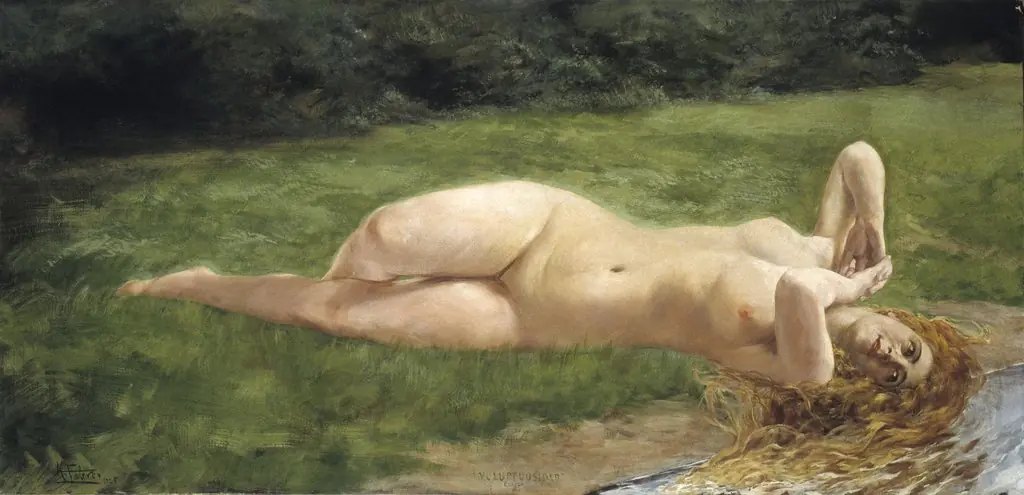
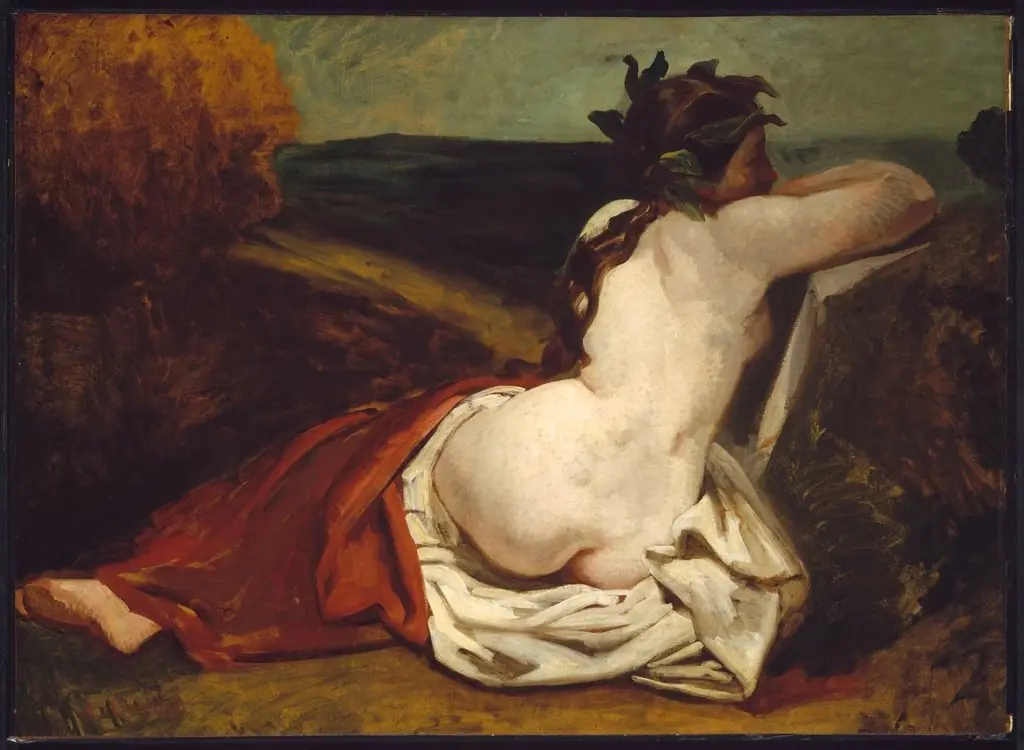
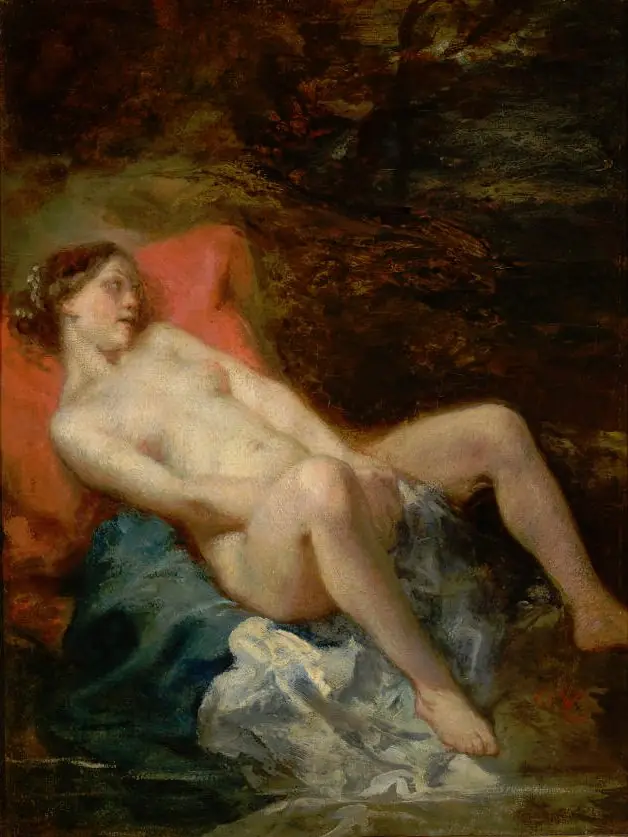
Femme couchée is an oil painting by the Realist artist Gustave Courbet. It dates from 1860 and is held in the collection of the Hermitage Museum.
About this work
Overview
The work is held in the State Hermitage Museum’s collection and exemplifies his commitment to portraying lived reality over academic convention.
Painted in 1860 by Gustave Courbet, *Femme couchée* is an oil on canvas depicting a reclining female figure. Courbet, a central voice in French Realism, turned away from idealized mythological or historical nudes, instead presenting the human form with unembellished observation. The work is held in the State Hermitage Museum’s collection and exemplifies his commitment to portraying lived reality over academic convention.
Subject & Meaning
The subject is a solitary woman lying on her side, one arm supporting her head, her body partially draped in a light fabric. Her posture is natural, unposed, and intimate, avoiding theatricality. The absence of narrative or symbolic context shifts focus to the physical presence of the body itself. Courbet’s choice to depict an ordinary woman, not a goddess or muse, challenged traditional hierarchies in art and redefined the nude as a subject of quiet dignity.
Technique & Style
Courbet employed soft, deliberate brushwork to render the skin’s texture, emphasizing tactility over polish. Light falls from the left, creating subtle gradations of shadow and highlight—a technique rooted in chiaroscuro. The background is muted and indistinct, with blurred hints of foliage or stone, isolating the figure and enhancing its three-dimensionality. The palette is restrained, dominated by warm flesh tones against cool, dark tones.
History & Provenance
Completed in 1860, the painting entered the collection of the State Hermitage Museum in the late 19th or early 20th century, likely through acquisition from a European collector. It was not exhibited publicly during Courbet’s lifetime in major salons, possibly due to its unorthodox treatment of the nude. Its presence in the Hermitage reflects broader Russian interest in French Realist works during the imperial era.
Context
In mid-19th-century France, academic art favored idealized, mythologized nudes. Courbet’s insistence on painting the body as seen—flaws, weight, and all—was radical. *Femme couchée* emerged amid debates over artistic truth and the role of the artist as observer rather than idealizer. It aligned with broader cultural shifts toward secularism and empirical observation in the visual arts.
Legacy
Though not widely exhibited in its time, *Femme couchée* contributed to a broader redefinition of the nude in modern art. Courbet’s direct approach influenced later artists who sought to break from classical norms, including the Impressionists and early modernists. The painting’s emphasis on material presence and unadorned form prefigured concerns that would become central in 20th-century realism and figurative abstraction.
Artist & collection
Artist
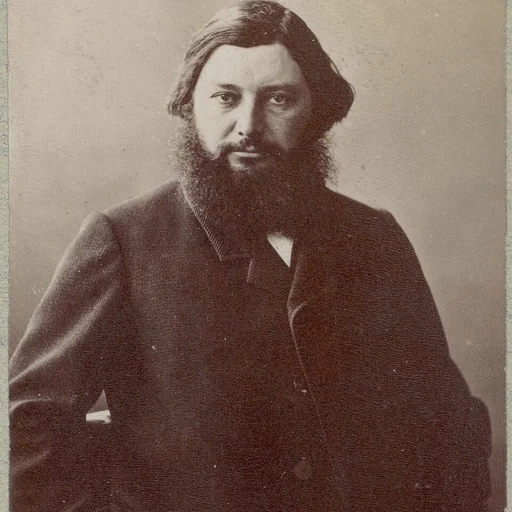
Jean Désiré Gustave Courbet (UK: KOOR-bay; US: koor-BAY; French: ; 10 June 1819 – 31 December 1877) was a French painter who led the Realism movement in 19th-century French painting.