Artwork
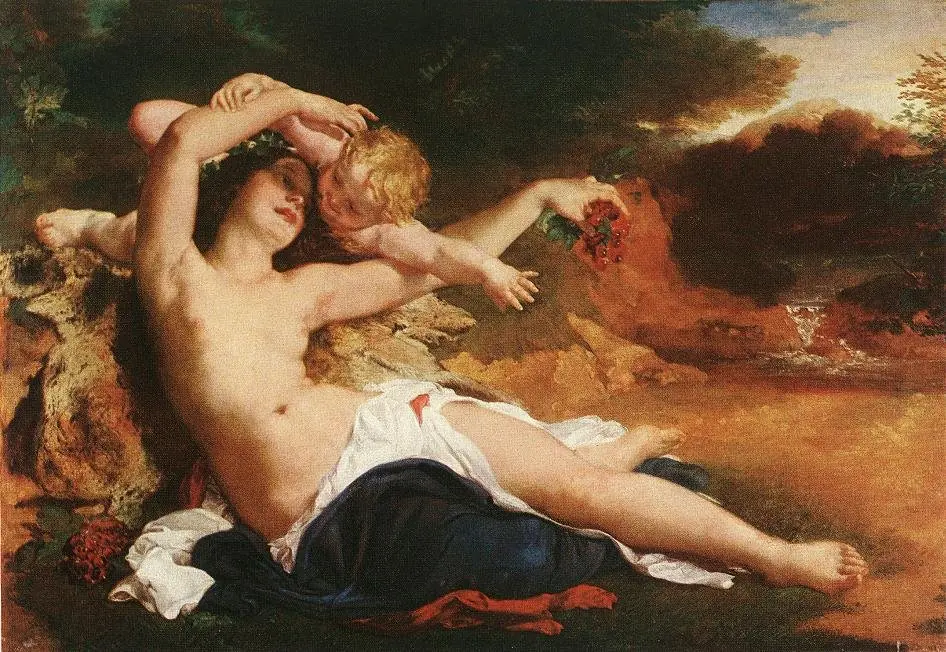
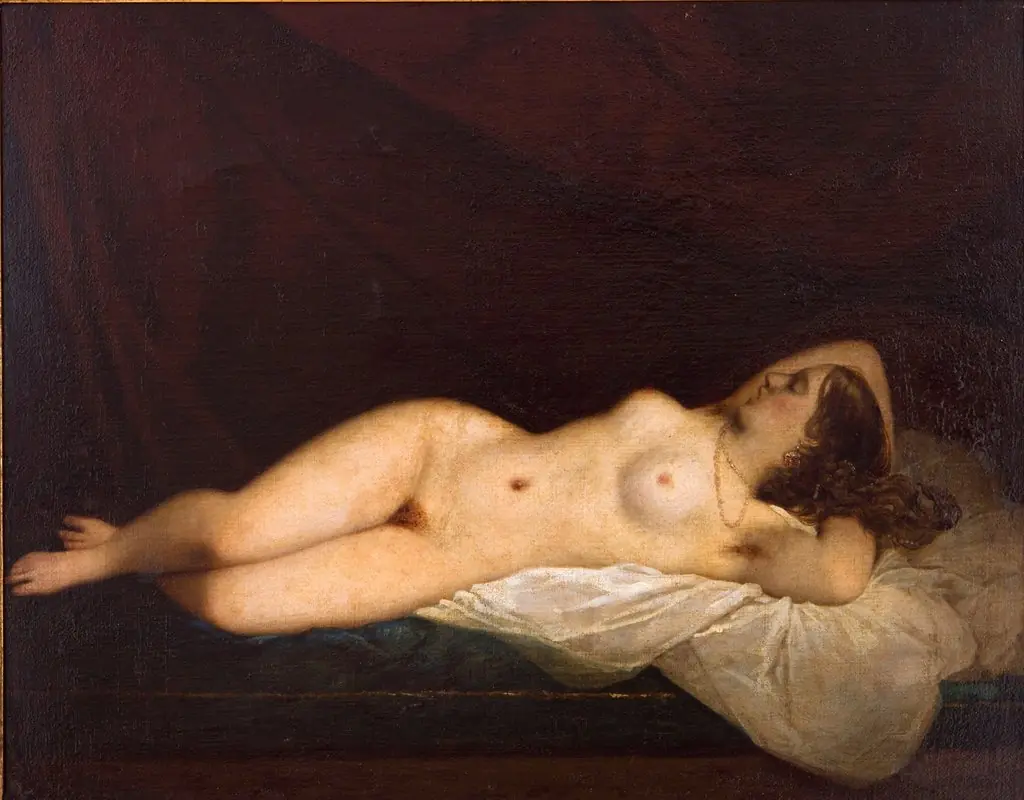
Sleeping Bacchante
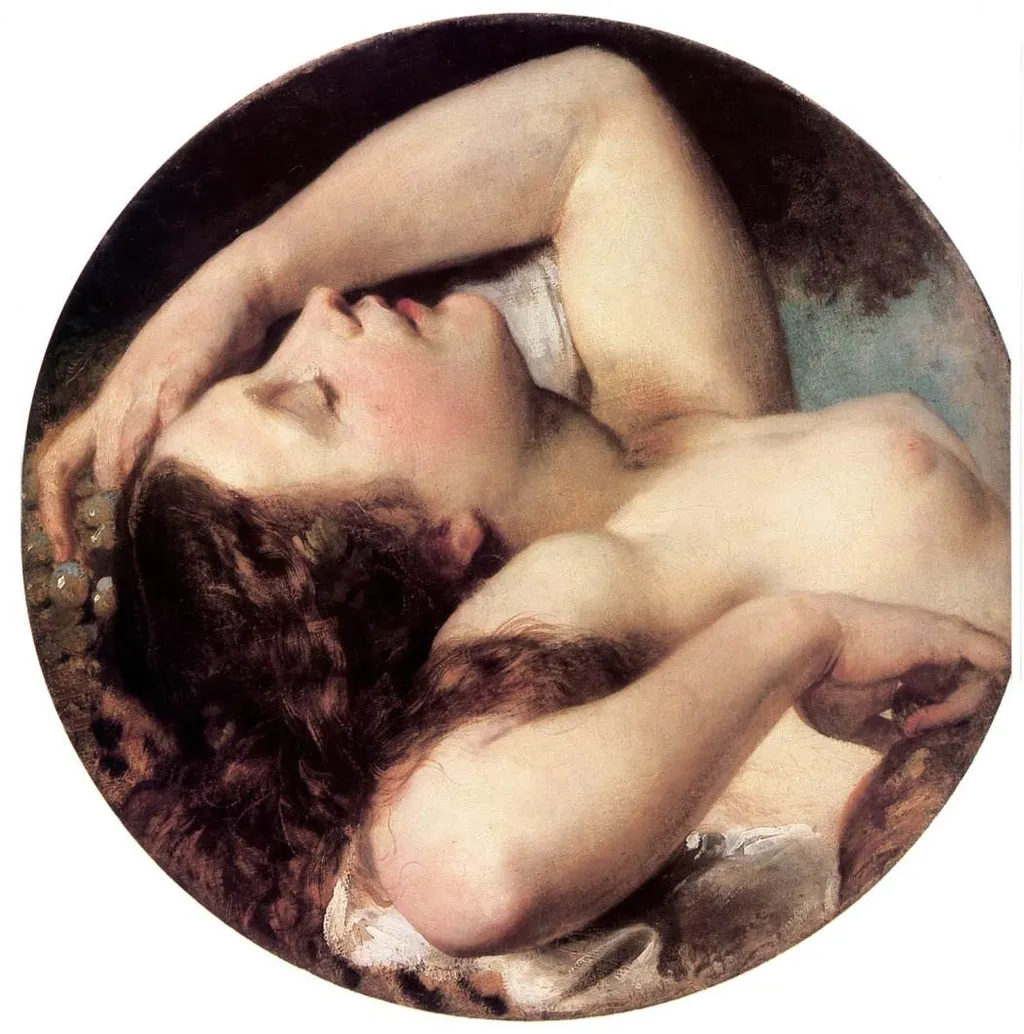
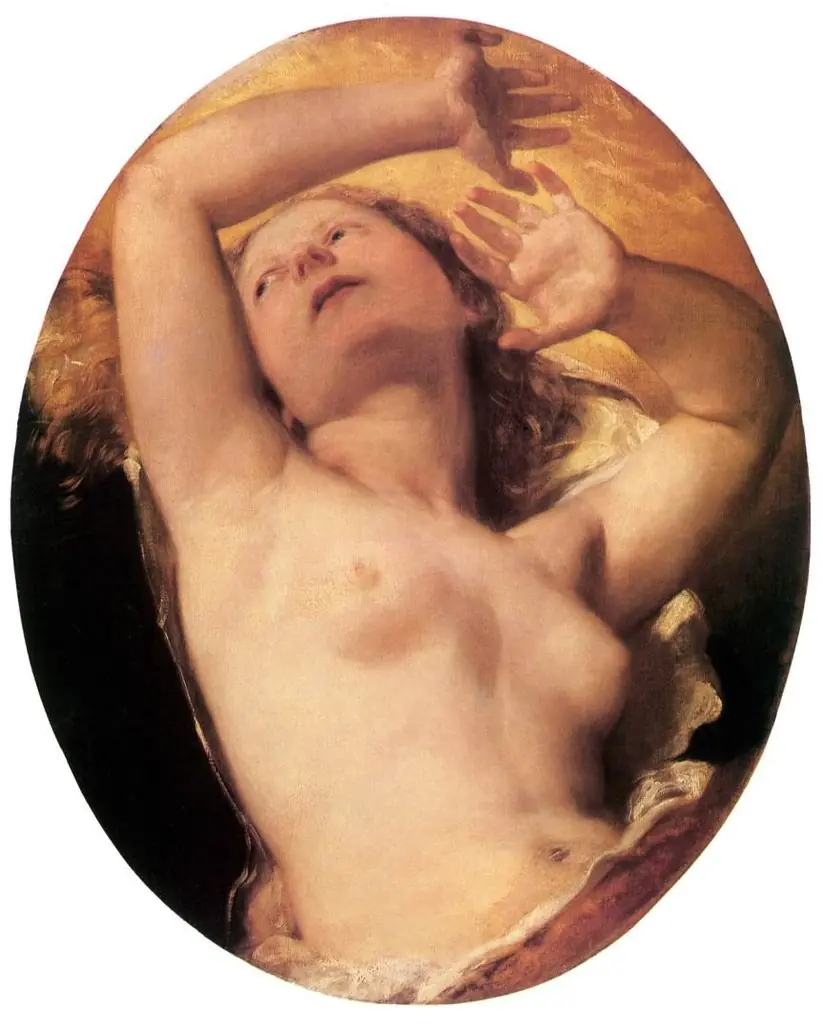
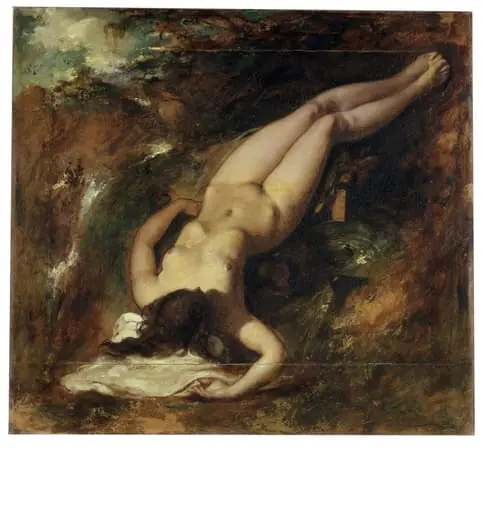
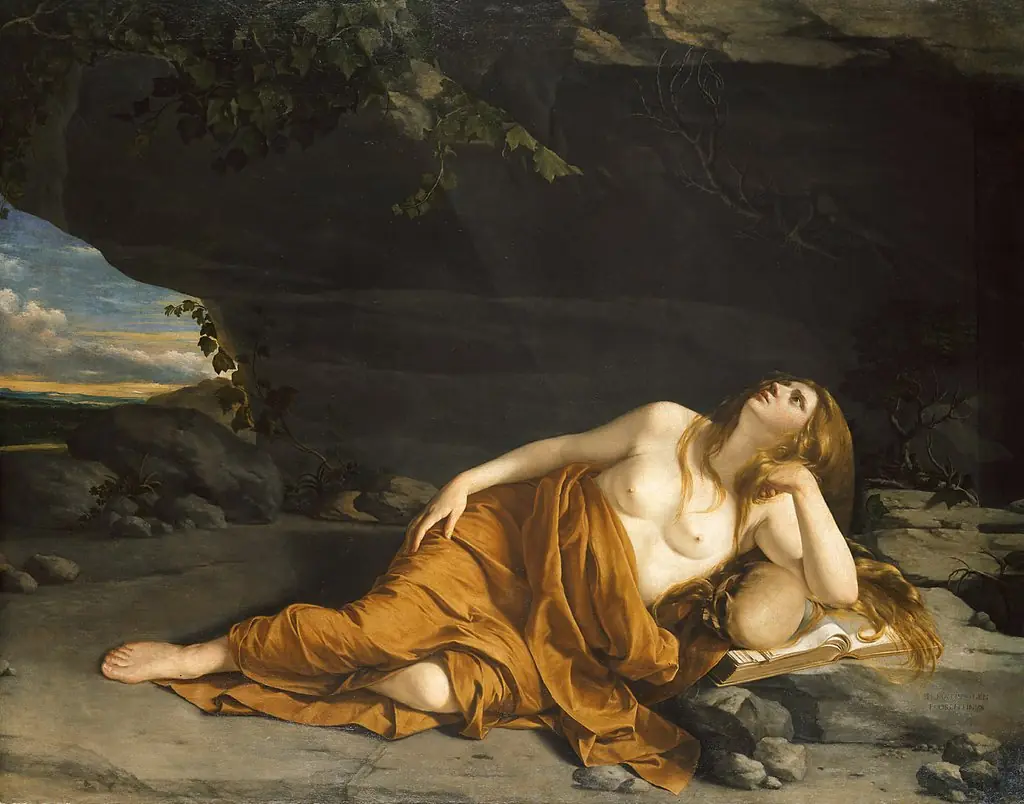
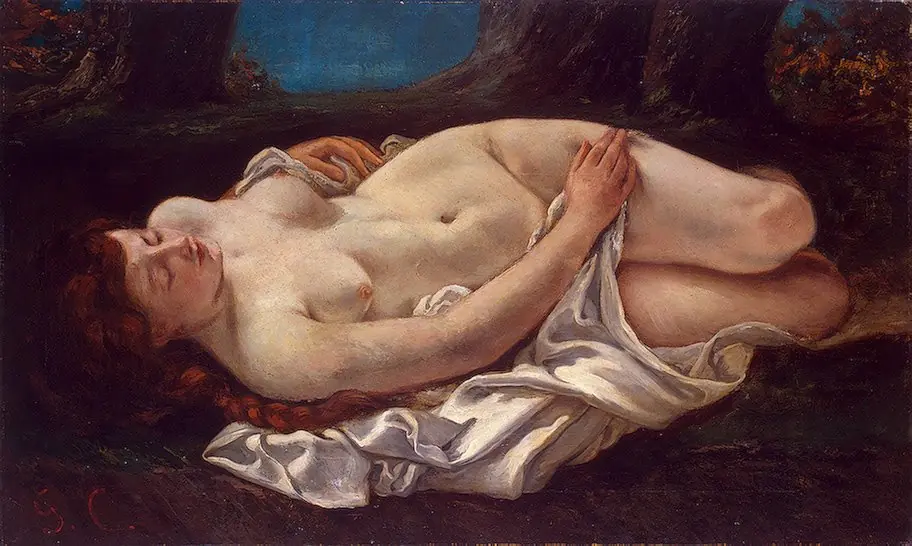
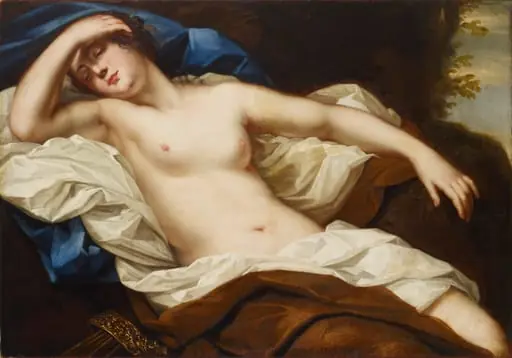
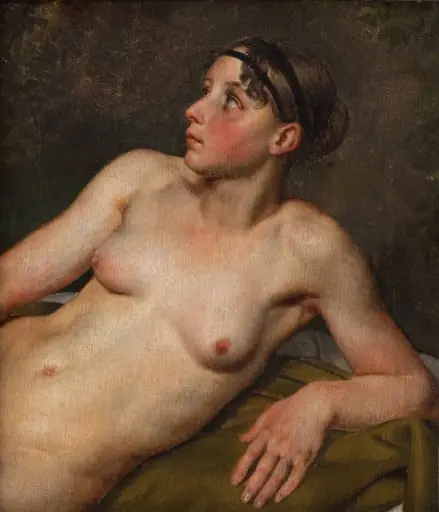
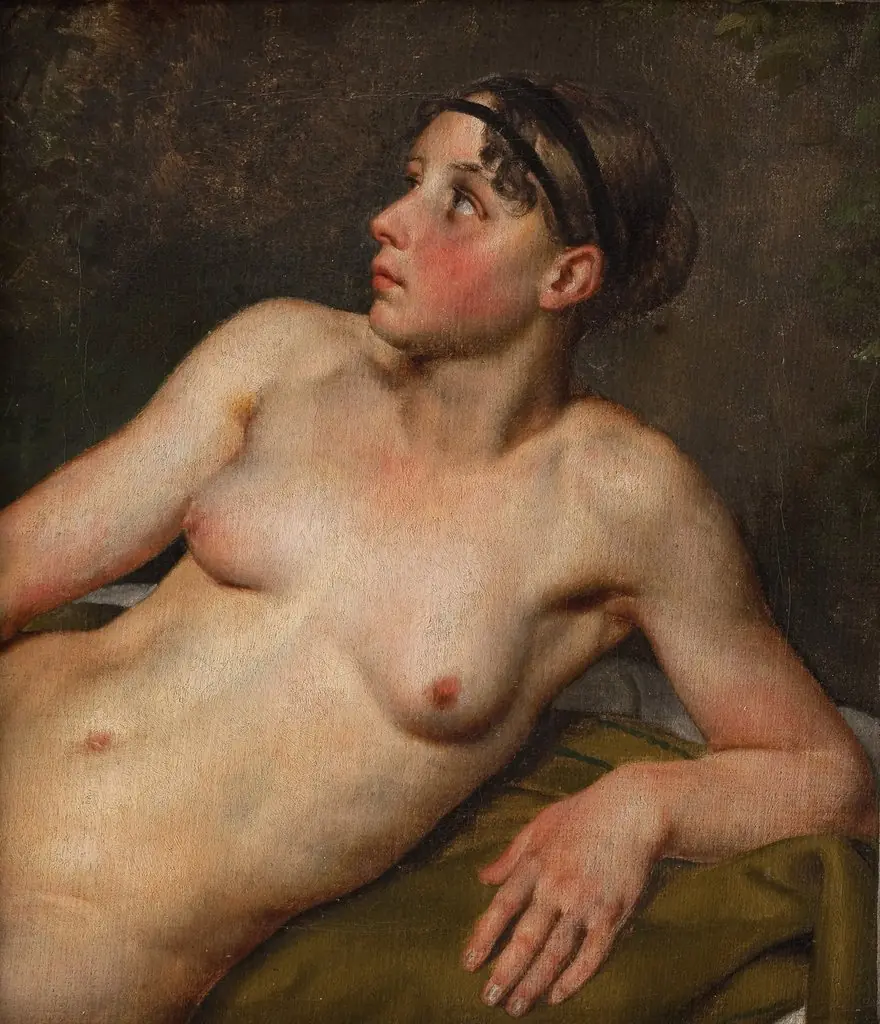
Sleeping Bacchante is an oil painting by the Realist artist Károly Brocky. It dates from 1850 and is held in the collection of the Hungarian National Gallery.
About this work
Overview
Painted around 1850 in oil, *Sleeping Bacchante* is a work by Hungarian artist Károly Brocky, who trained in Vienna and Paris. It reflects the influence of Realism, focusing on a quiet, intimate moment rather than grand narrative. The painting is held in the Hungarian National Gallery and exemplifies Brocky’s interest in the human form under subdued, atmospheric lighting.
Subject & Meaning
The figure is a reclining woman, her posture suggesting deep rest or unconsciousness. Though titled 'Bacchante,' she bears no overt attributes of the mythological follower of Dionysus. Instead, the title may hint at inner release or emotional surrender. Her stillness and closed eyes evoke a private, introspective state, removing her from myth and anchoring her in a moment of human vulnerability.
Technique & Style
Brocky employs a muted palette with high contrast between the woman’s pale skin and the dark, indistinct background. Soft modeling defines her form without sharp outlines, enhancing the sense of calm. The loose brushwork in the shadows and the careful rendering of her hair and limbs suggest a blend of academic training and a more naturalistic approach characteristic of mid-19th-century Realism.
History & Provenance
Károly Brocky, born in 1808 to a hairdresser, began his career among traveling performers before formal study at the École du Louvre.
Károly Brocky, born in 1808 to a hairdresser, began his career among traveling performers before formal study at the École du Louvre. He later lived in London and exhibited at the Royal Academy. *Sleeping Bacchante* entered the collection of the Hungarian National Gallery, where it remains as one of his few surviving works from this period, reflecting his international exposure and domestic cultural significance.
Context
Created during the rise of Realism in Europe, the painting diverges from historical or religious themes common in academic art. Brocky’s focus on an ordinary, solitary female figure aligns with broader trends toward intimate, psychologically grounded subjects. His background as a self-taught artist from a modest origin further distinguishes him from the aristocratic art establishment of the time.
Legacy
Though Brocky is not widely known outside Hungary, *Sleeping Bacchante* endures as a quiet example of 19th-century Hungarian Realism. Its emphasis on emotional stillness and technical restraint offers insight into artists navigating the transition from academic tradition to more personal, observational modes of representation. The work remains a touchstone for understanding regional responses to broader European artistic shifts.
Artist & collection
Artist
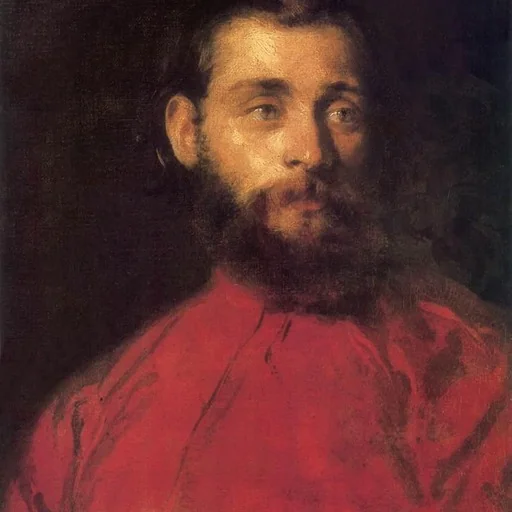
Károly Brocky, or Charles Brocky (Temesvár, 22 May 1808 – London, 8 July 1855) was a Hungarian painter.