Artwork
Fox Caught in a Trap
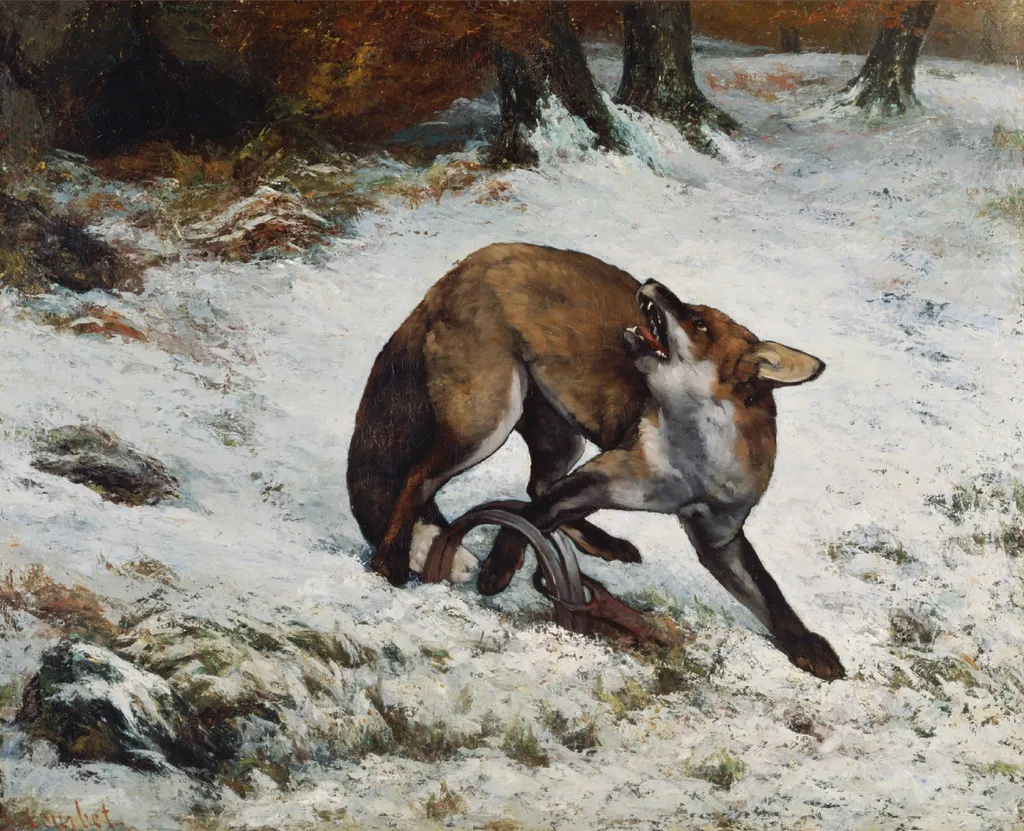
Fox Caught in a Trap is an oil painting by the Realist artist Gustave Courbet. It dates from 1860 and is held in the collection of the National Museum of Western Art.
About this work
Overview
Painted in 1860 by Gustave Courbet, *Fox Caught in a Trap* is an oil on canvas work that exemplifies the Realist approach to subject matter.
Painted in 1860 by Gustave Courbet, *Fox Caught in a Trap* is an oil on canvas work that exemplifies the Realist approach to subject matter. Rather than idealizing nature or myth, Courbet chose a raw, immediate scene from the natural world. The painting captures a moment of physical struggle, emphasizing direct observation over narrative embellishment. It resides today in the National Museum of Western Art in Tokyo.
Subject & Meaning
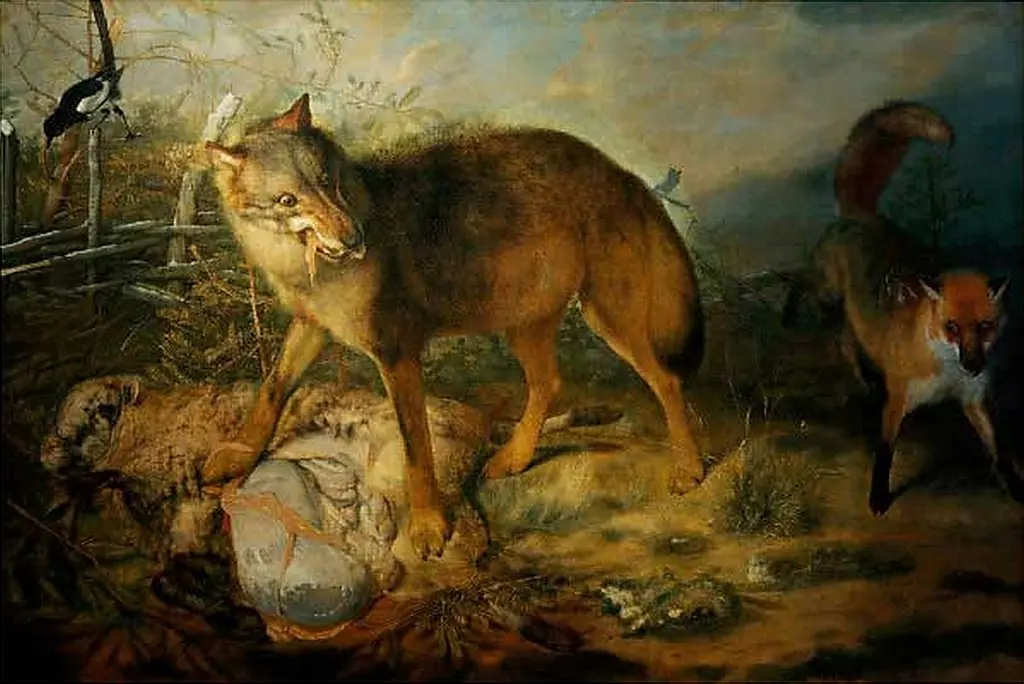
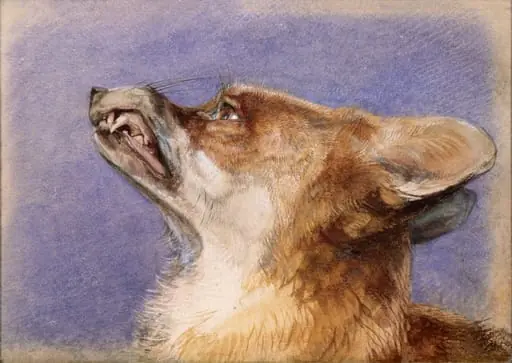
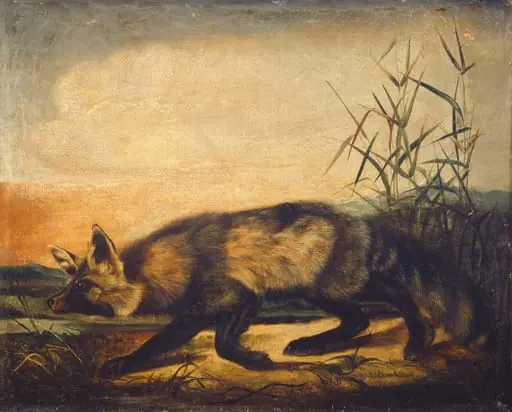
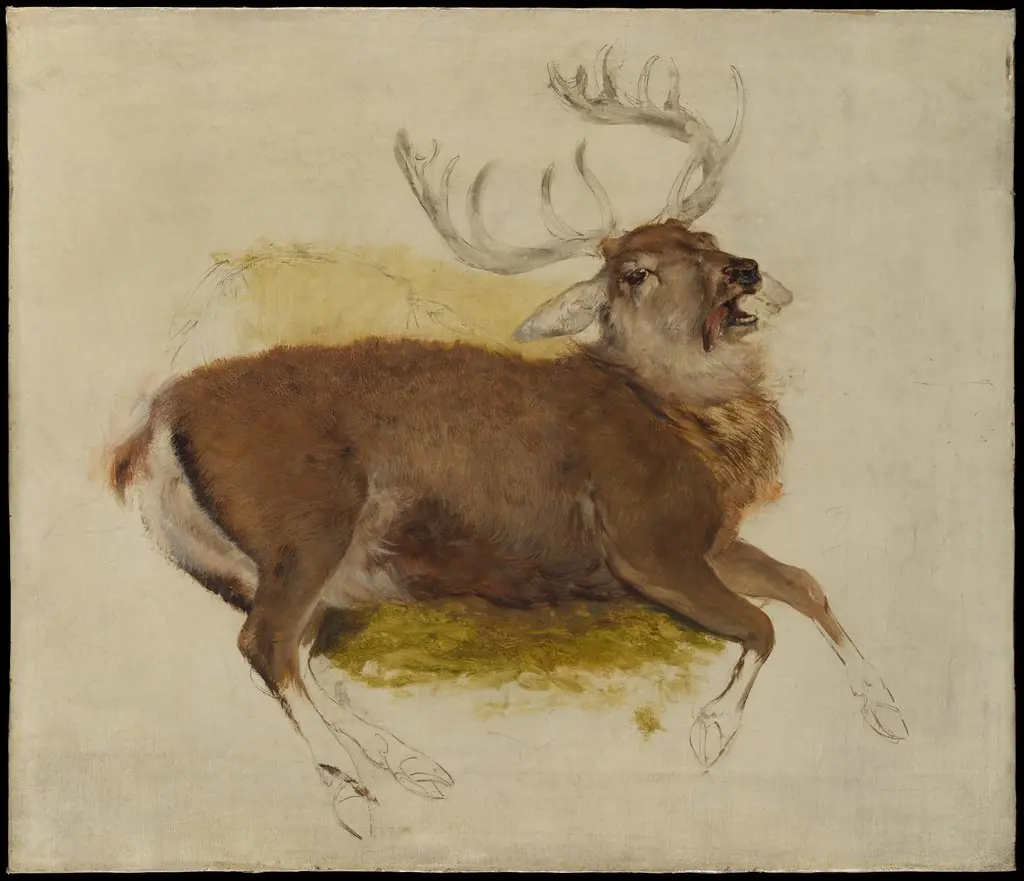
The painting depicts a fox ensnared in a metal trap, its body twisted in a desperate effort to escape. The animal’s open mouth and strained limbs convey urgency and distress. Courbet avoids sentimentality, presenting the fox not as a symbol of cunning or danger, but as a living creature caught in human-made machinery. The scene invites reflection on the tension between wild life and human intervention without overt moralizing.
Technique & Style
Courbet employed thick, assertive brushwork to render the fox’s fur and the trap’s metallic surfaces, creating texture through direct application rather than fine detail. A muted palette of grays, browns, and whites dominates, with subtle contrasts in light suggesting a winter landscape. The background fades into indistinct trees and snow, focusing attention on the fox’s physicality. Chiaroscuro is used sparingly but effectively to heighten the sense of tension.
History & Provenance
Created during Courbet’s mature Realist period, the painting was not commissioned or intended for public exhibition. It remained in private hands until acquired by the National Museum of Western Art in Tokyo, where it entered the collection in the mid-20th century. Its journey reflects the growing international interest in 19th-century French Realism beyond Europe, particularly in postwar Japan’s art institutions.
Context
In the 1860s, Courbet challenged the French Academy’s preference for historical or mythological subjects by elevating ordinary, even harsh, natural scenes. *Fox Caught in a Trap* aligns with his broader project of depicting unvarnished reality. The painting’s timing coincides with industrial expansion and changing attitudes toward nature, making the fox’s entrapment a quiet commentary on encroaching human control over the wild.
Legacy
Though less famous than Courbet’s larger social scenes, this work exemplifies his commitment to truth in representation. It influenced later artists who sought to portray animals and nature without anthropomorphism. The painting’s quiet intensity contributed to the broader acceptance of non-idealized subjects in modern art, reinforcing Realism’s role in shifting artistic priorities away from romanticized narratives.
Own this work as a print
Artist & collection
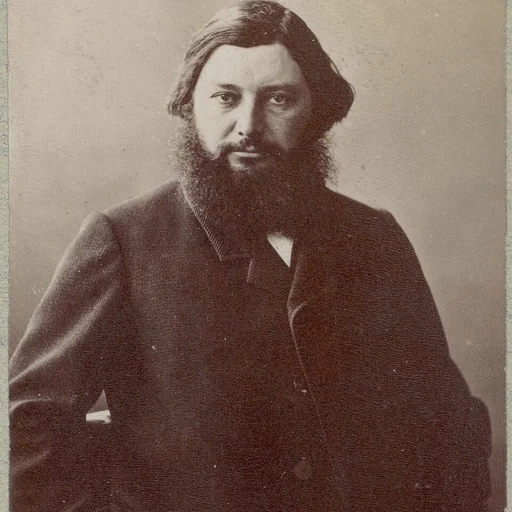
Artist
Jean Désiré Gustave Courbet (UK: KOOR-bay; US: koor-BAY; French: ; 10 June 1819 – 31 December 1877) was a French painter who led the Realism movement in 19th-century French painting.