Artwork
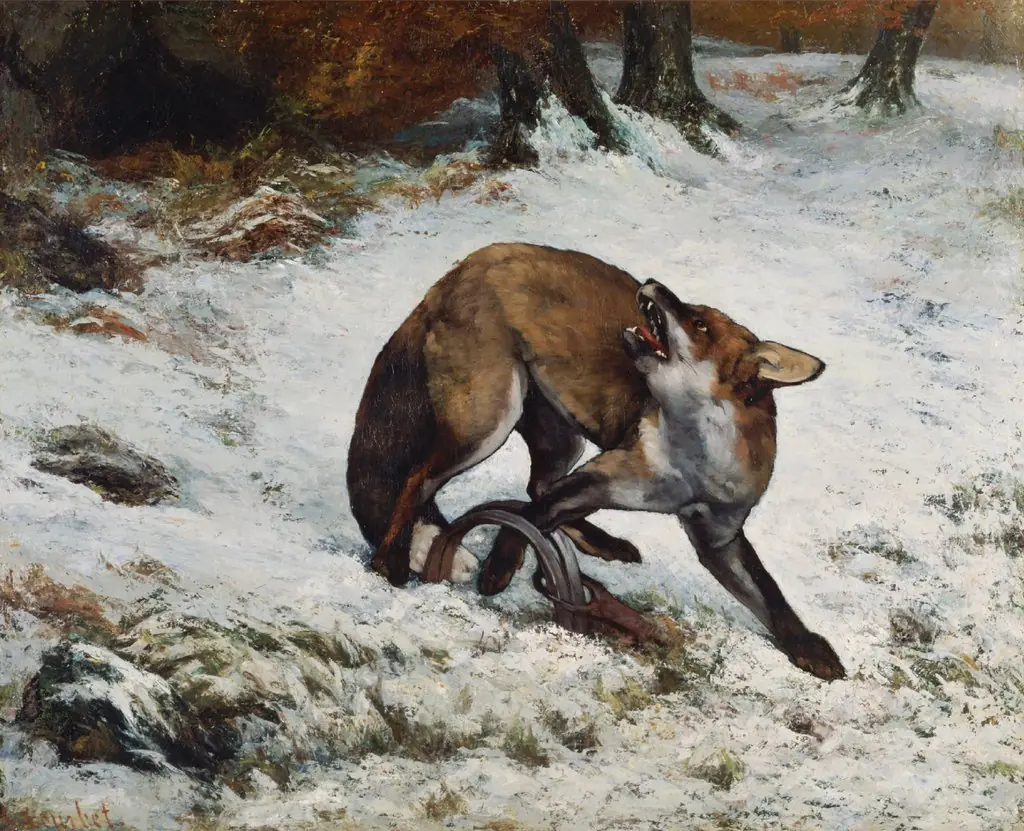
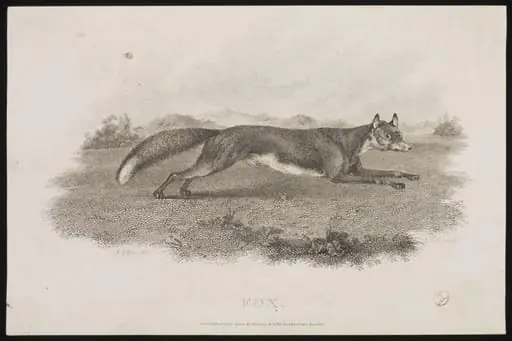
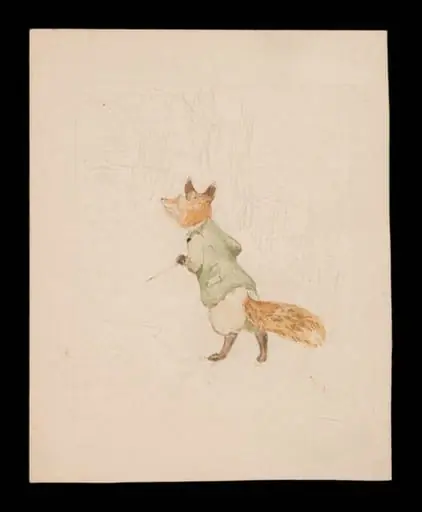
Study of a fox
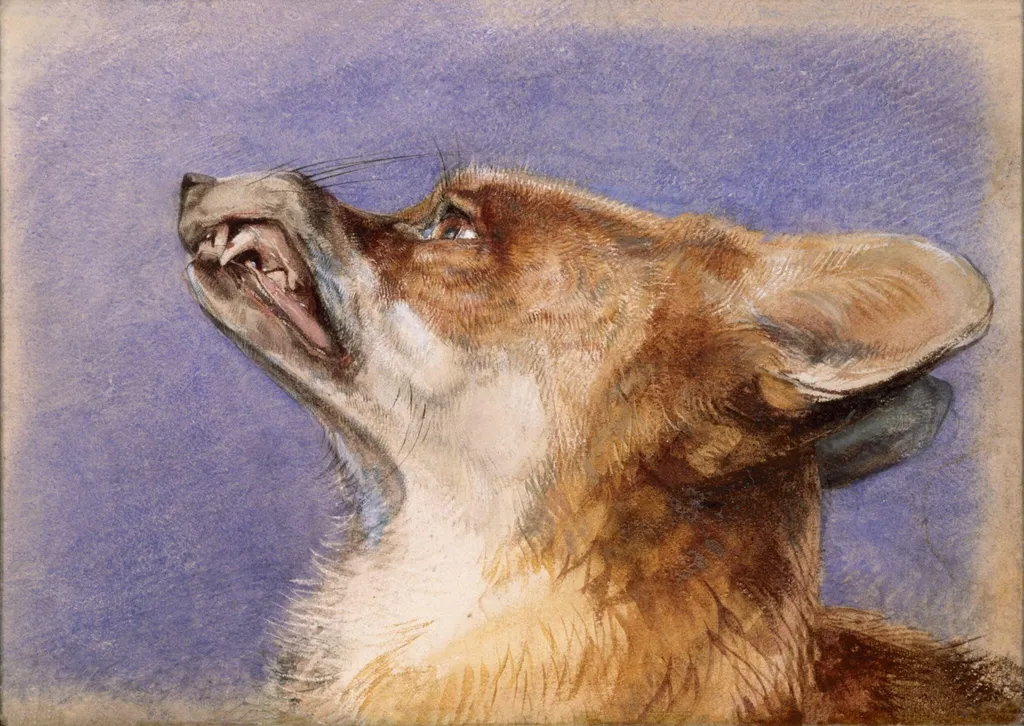
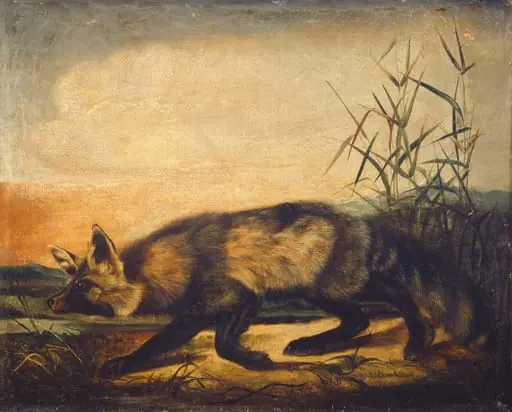
Study of a fox is a watercolor work on paper by the British Romanticist artist John Lewis. It dates from 1824 and is held in the collection of the Victoria and Albert Museum.
About this work
The painting is called "Study of a fox".
It was created by John Lewis in 1824. Lewis was known for his sporting pictures, which were popular at the time. He successfully exhibited and sold these works, including portraits of sportsmen and their dogs.
The painting is held at the Victoria and Albert Museum, which is also home to works by other artists of the Romanticism movement.
Overview
Study of a fox is a watercolour painting created by John Lewis in 1824. It is held in the collection of the Victoria and Albert Museum.
Subject & Meaning
The painting depicts a fox, an animal associated with the popular rural sport of fox hunting in early 19th-century Britain. Lewis was known for his sporting pictures, and this work may be a standalone study or a preparatory piece for a larger composition.
Technique & Style
The work is executed in watercolour, a medium Lewis used to create detailed and expressive studies of animals. His style is characteristic of the Romanticism movement, which emphasized the beauty and power of the natural world.
History & Provenance
Lewis exhibited several watercolours featuring foxes at the Society of Painters in Water Colours in the late 1820s, but the specific connection to this 1824 study is unclear. The painting is now part of the Victoria and Albert Museum's collection, alongside works by other artists of the same period.
Artist & collection

Artist
John Robert Lewis was an American civil rights activist and statesman who served in the United States House of Representatives for Georgia's 5th congressional district from 1987 until his death in 2020.