Artwork
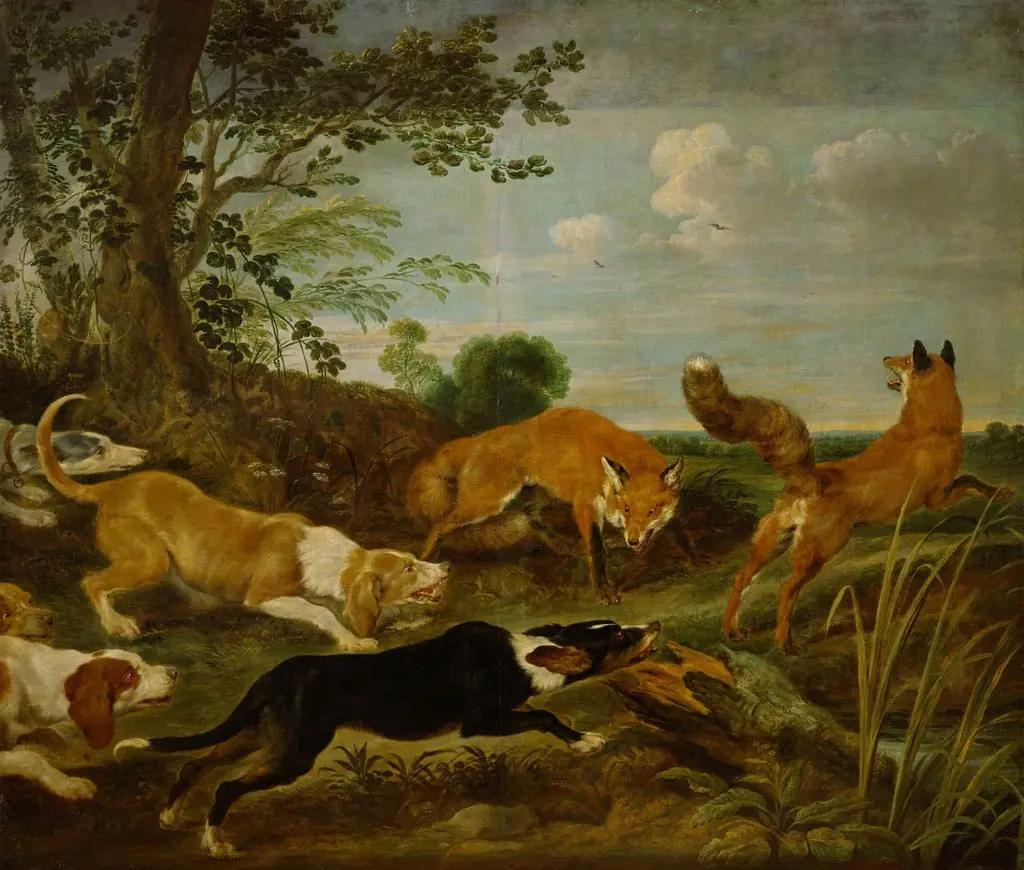
Wolfhounds and Two Foxes
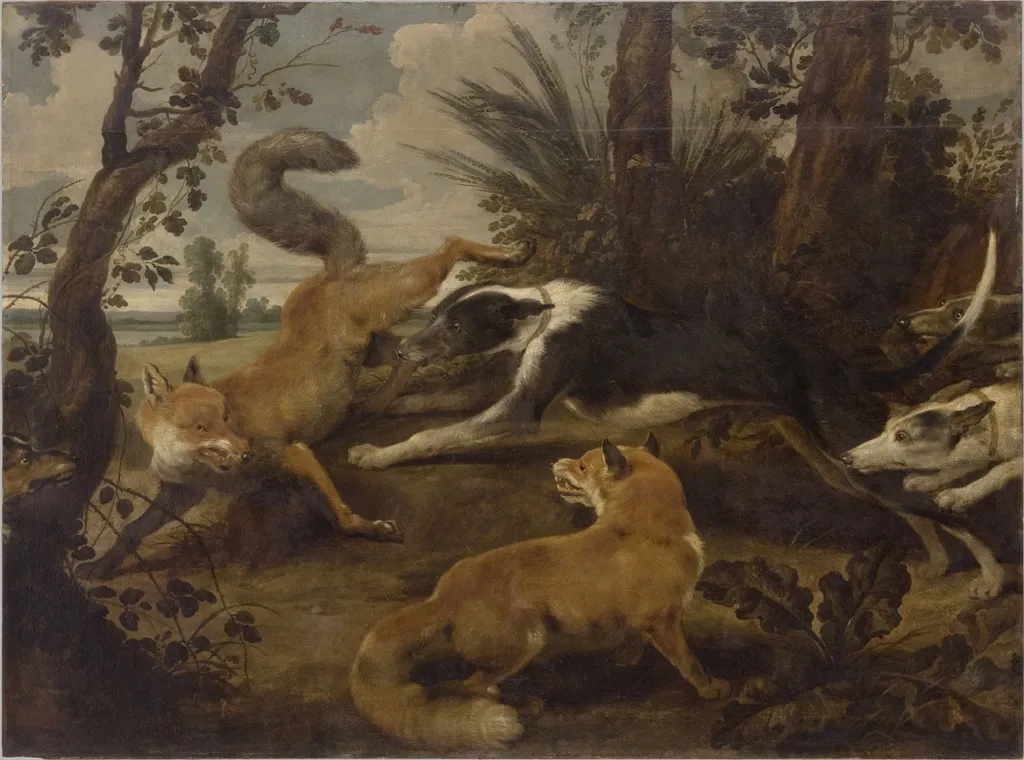
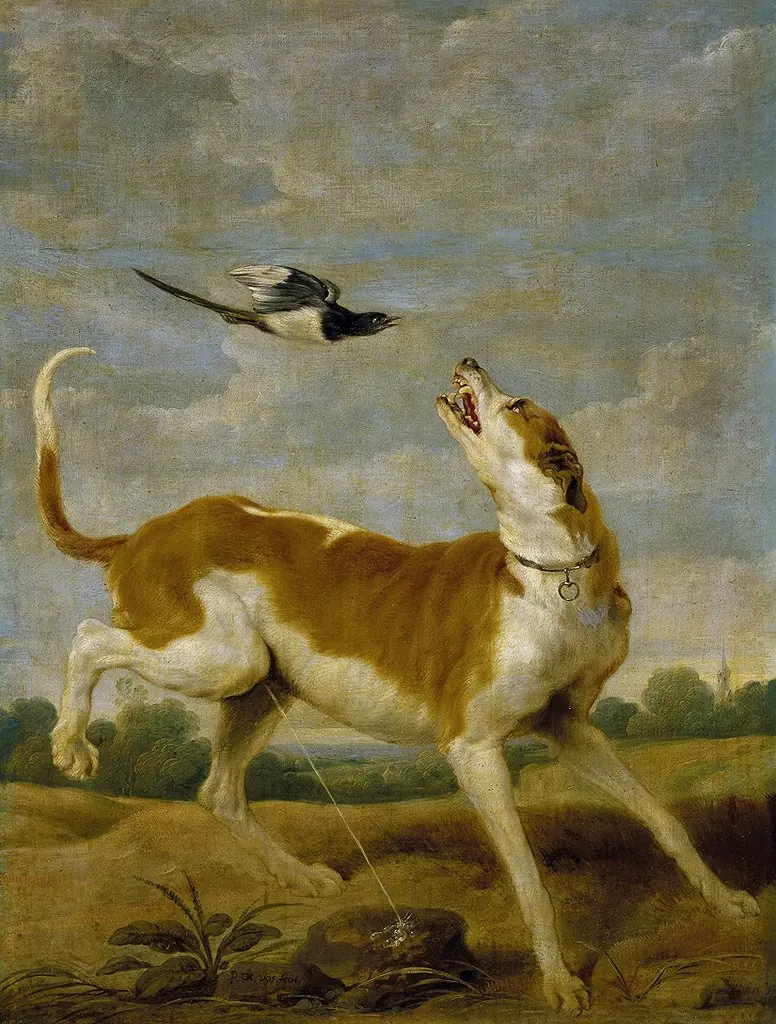
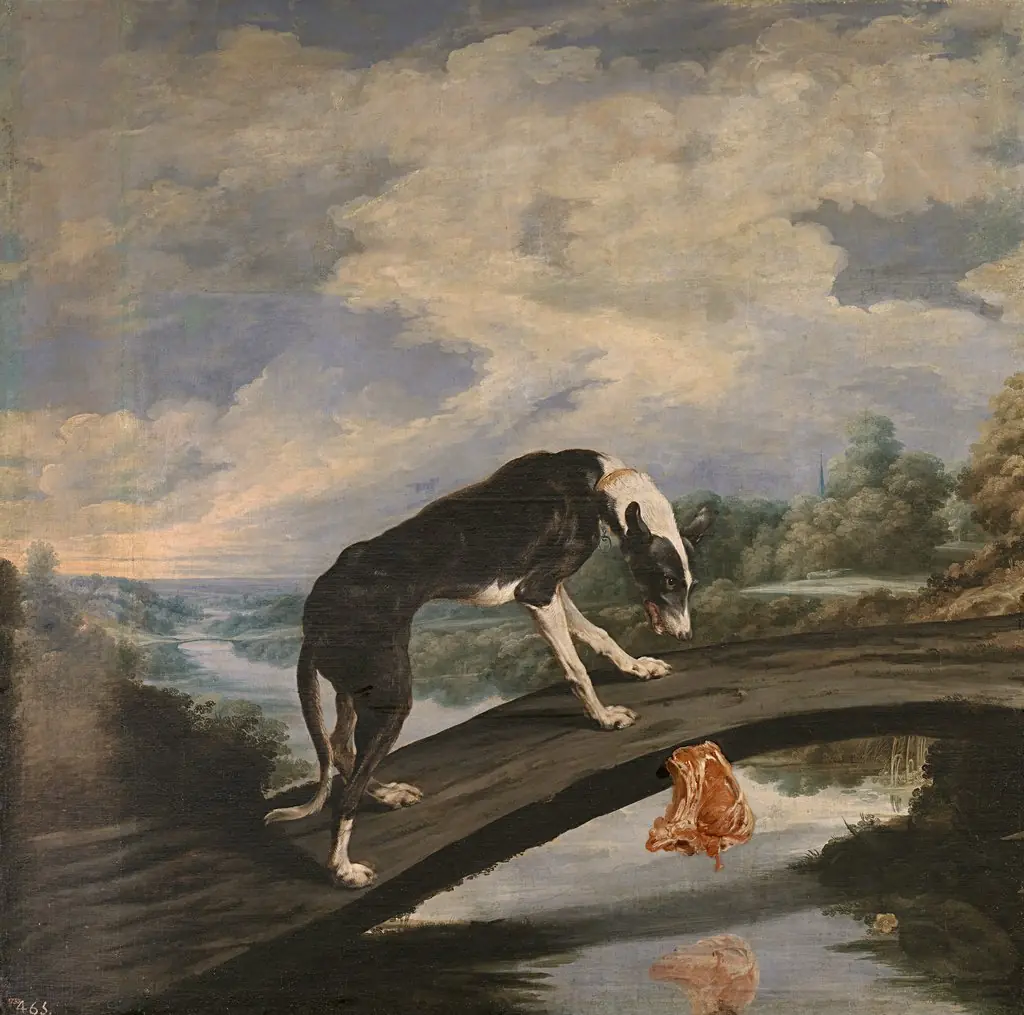
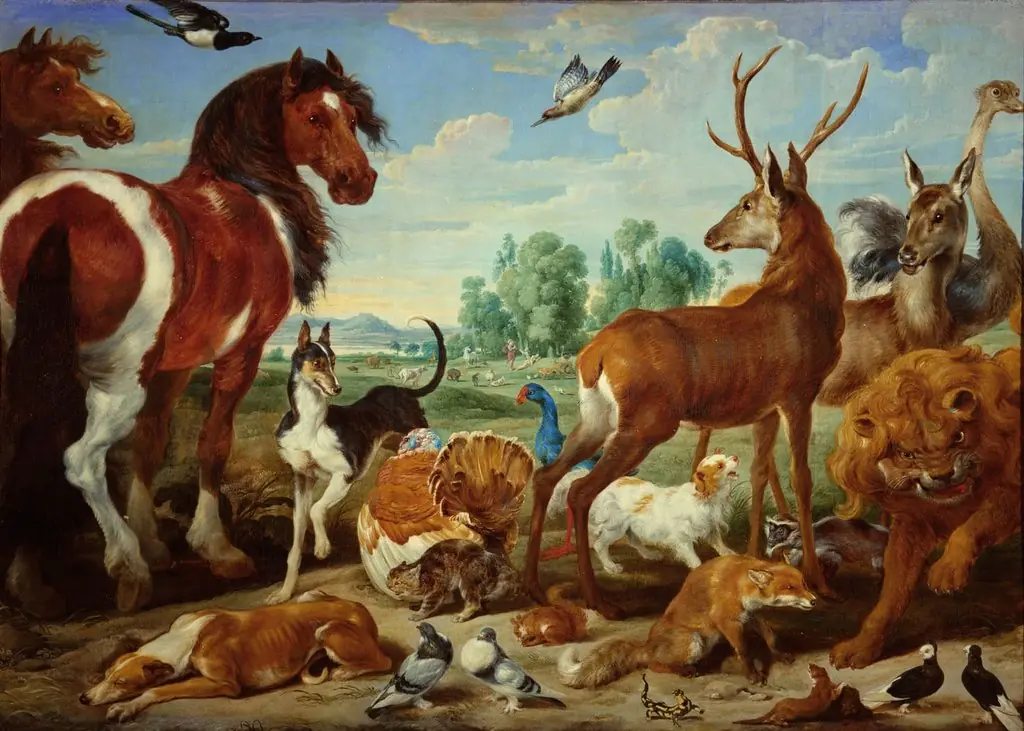
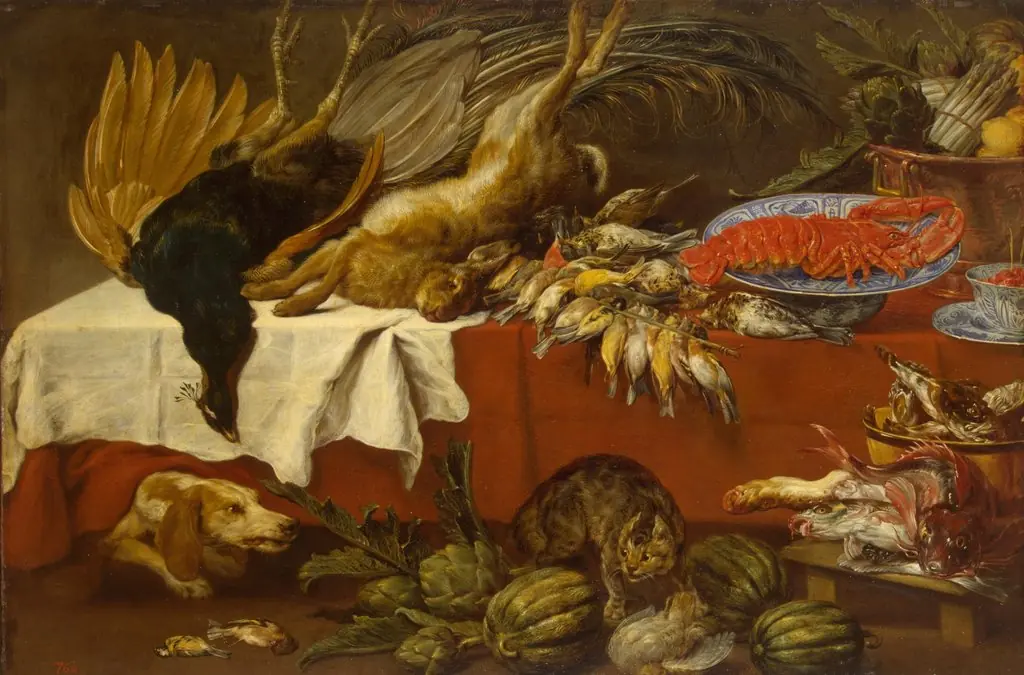
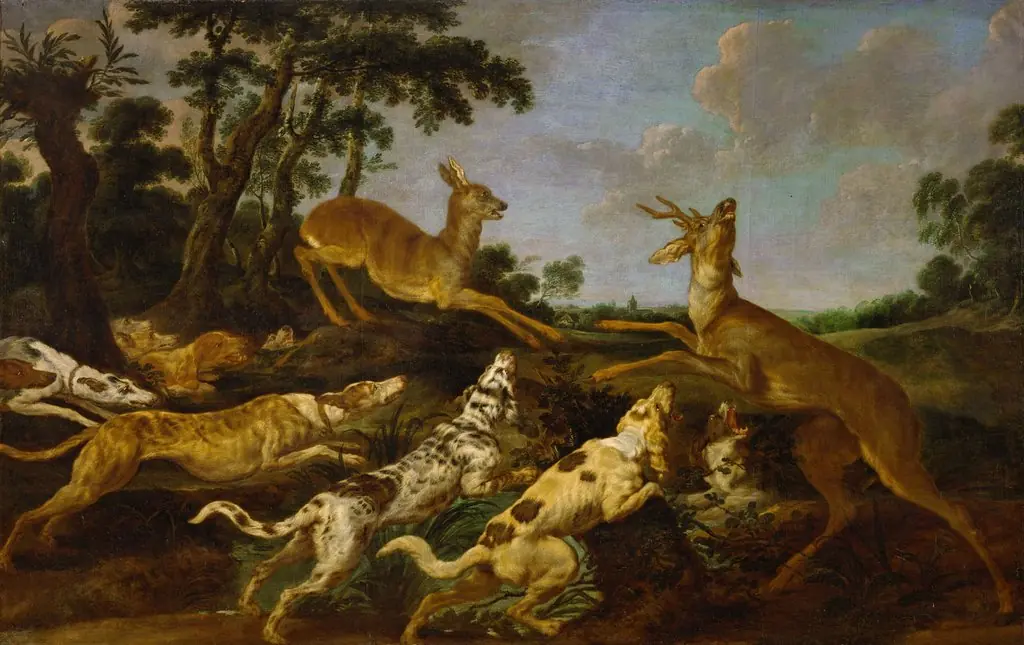
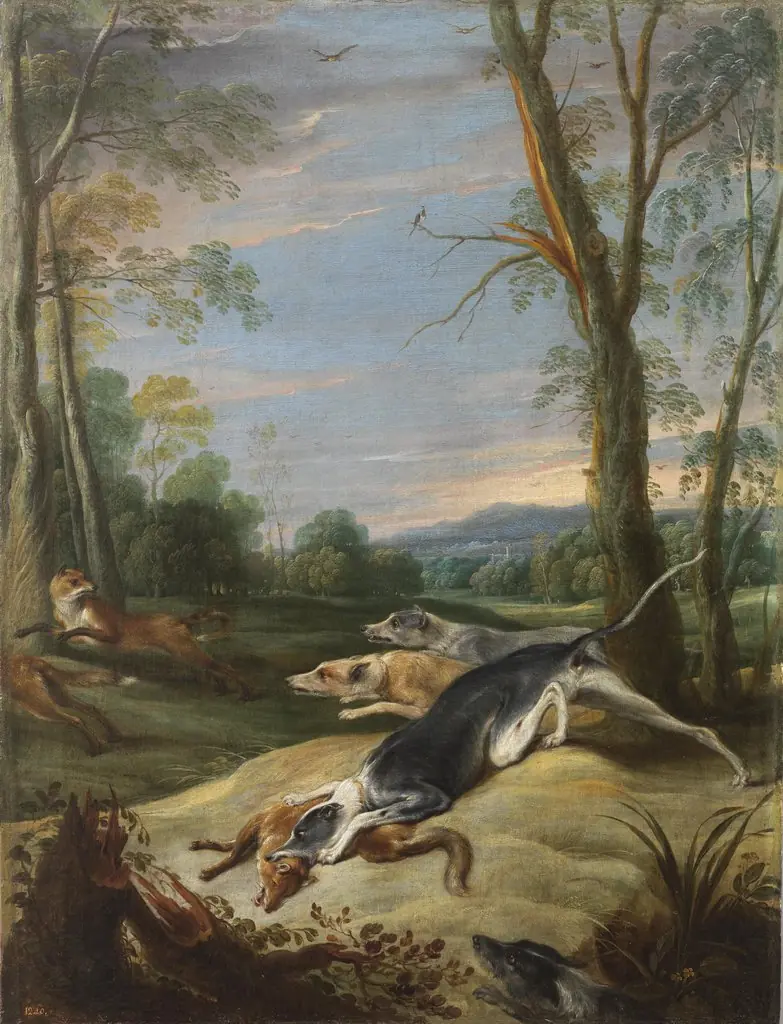
Wolfhounds and Two Foxes is an oil painting by the Flemish Baroque painting artist Paul de Vos. It dates from 1630 and is held in the collection of the Philadelphia Museum of Art.
About this work
Overview
Painted in 1630 by Flemish artist Paul de Vos, this oil-on-canvas work captures a moment of tension between predator and prey.
Painted in 1630 by Flemish artist Paul de Vos, this oil-on-canvas work captures a moment of tension between predator and prey. De Vos, active in Antwerp, specialized in animal subjects and hunting scenes, often commissioned by aristocratic patrons. The painting is now part of the Philadelphia Museum of Art’s collection, representing the Flemish Baroque tradition’s fascination with natural vitality and controlled drama.
Subject & Meaning
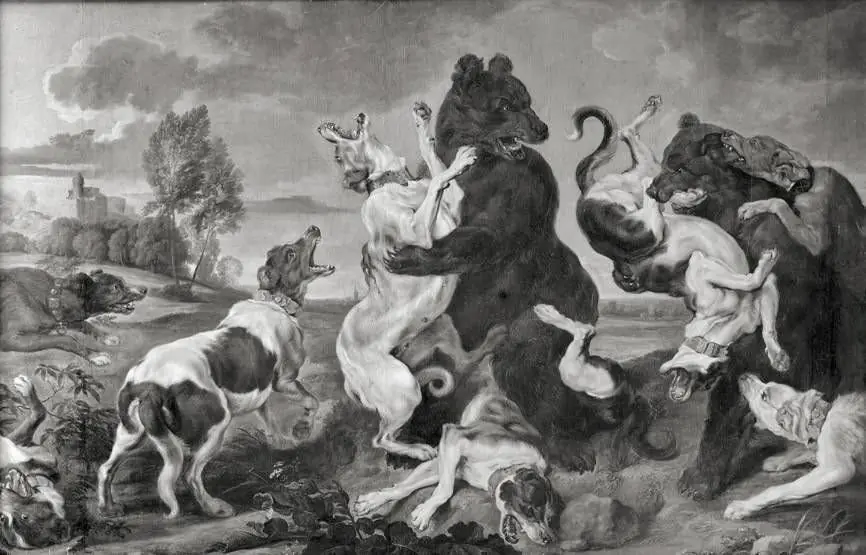
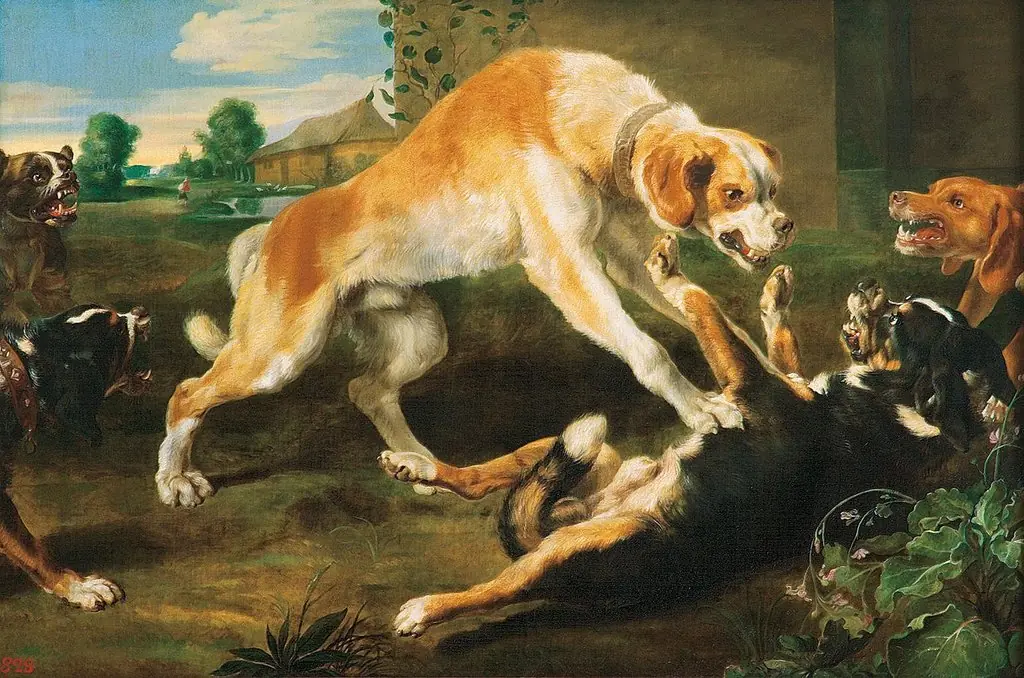
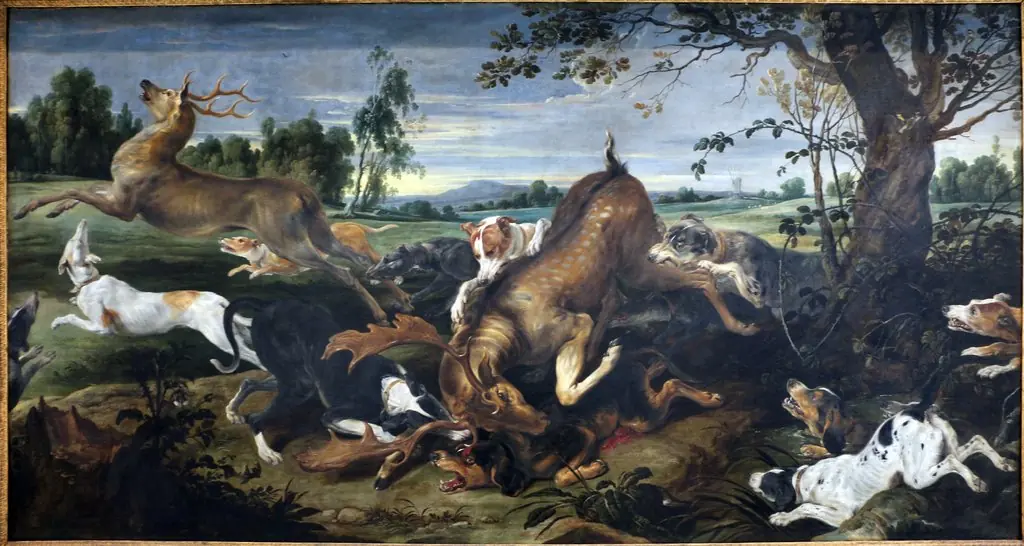
Two foxes, one rearing on its hind legs and the other crouched low, face off against a group of wolfhounds in a state of alert readiness. The scene does not depict a kill but the suspended moment before action, emphasizing instinct and tension. Such compositions reflected contemporary aristocratic interests in the hunt as both sport and symbolic display of dominance over nature.
Technique & Style
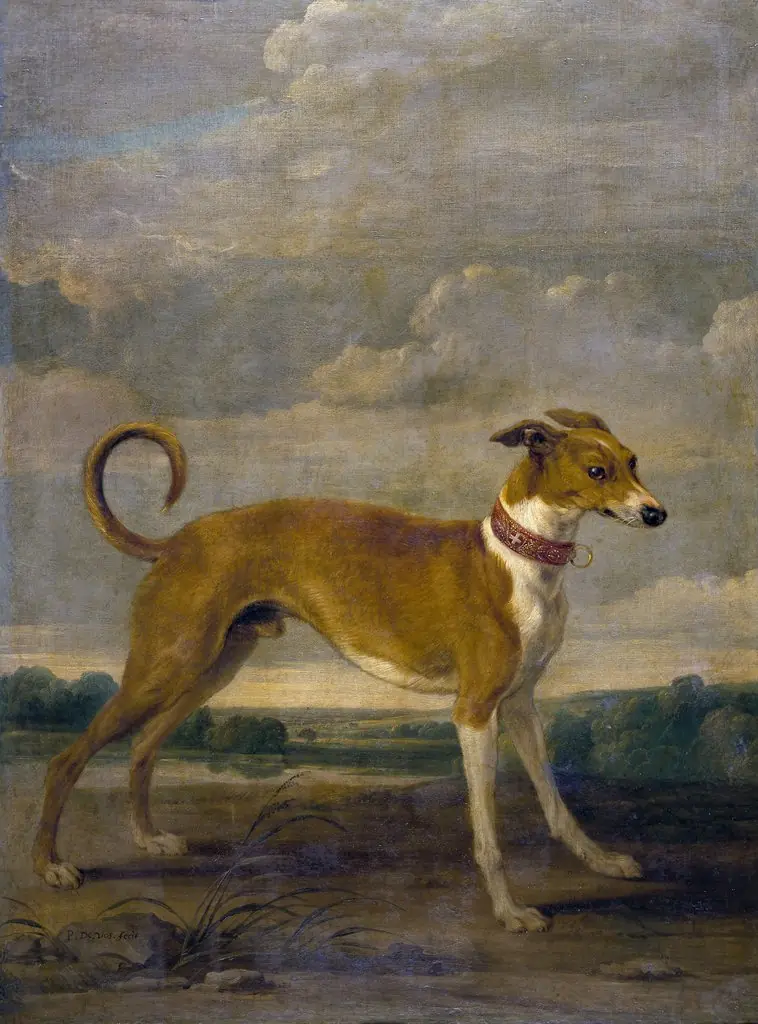
De Vos employed chiaroscuro to model the animals’ muscular forms, enhancing their three-dimensionality through sharp contrasts of light and shadow. The fur of the hounds and foxes is rendered with careful, varied brushwork to suggest texture and movement. The lush, dimly lit background recedes softly, focusing attention on the central struggle while grounding the scene in a naturalistic landscape.
History & Provenance
Created during de Vos’s mature period in Antwerp, the painting aligns with his documented collaborations with Rubens and van Dyck, who often integrated his animal studies into larger compositions. Its presence in Philadelphia since the early 20th century suggests acquisition through European collections, likely via private dealers or inheritances tied to aristocratic European ownership.
Context
In early 17th-century Flanders, animal paintings were valued not merely as decoration but as demonstrations of artistic skill and natural observation. De Vos’s work responded to a market that prized detailed depictions of wildlife, often commissioned by collectors who admired the hunt as a noble pursuit and sought to display their cultural refinement through such imagery.
Legacy
De Vos’s focus on dynamic animal interactions influenced later genre painters in Northern Europe. While less celebrated than his contemporaries, his precise rendering of animal anatomy and behavior contributed to the broader Baroque interest in lifelike representation. This painting remains a representative example of specialized Flemish animal painting from the period.
Artist & collection
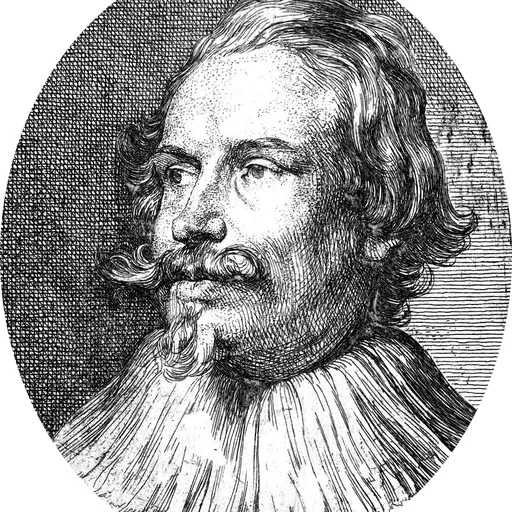
Artist
Paul de Vos (1591/92, or 1595 in Hulst – 30 June 1678 in Antwerp) was a Flemish Baroque painter who specialized in mainly in compositions of animals, hunting scenes and still lifes.