Artwork
La Charente, Port-Berteau
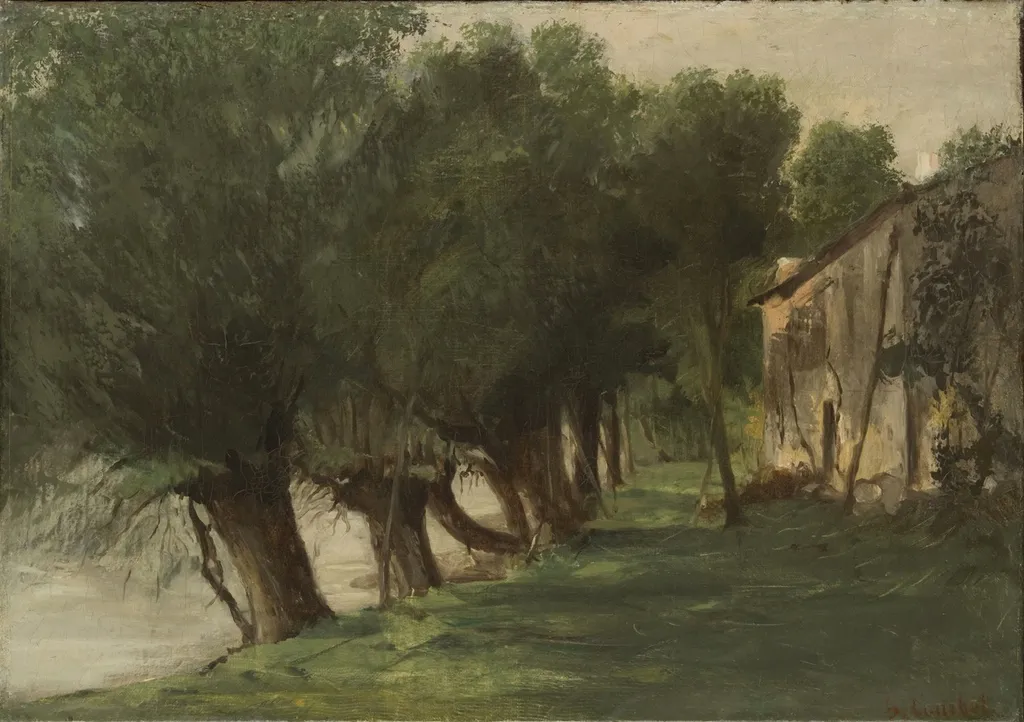
La Charente, Port-Berteau is an oil painting by the Realist artist Gustave Courbet. It dates from 1862 and is held in the collection of the Philadelphia Museum of Art.
About this work
Overview
Painted in 1862, *La Charente, Port-Berteau* is an oil landscape by Gustave Courbet that captures a quiet stretch of the Charente River in western France.
Painted in 1862, *La Charente, Port-Berteau* is an oil landscape by Gustave Courbet that captures a quiet stretch of the Charente River in western France. Unlike the idealized scenes favored by academic painters, Courbet rendered this rural setting with unembellished attention to its natural features. The work exemplifies his dedication to portraying everyday environments as they appeared, without romanticization or dramatic flourish.
Subject & Meaning
The painting depicts a tranquil riverside at Port-Berteau, featuring calm water, scattered trees, and a modest building on the right bank. There is no narrative or human activity to draw attention; instead, the focus lies in the quiet interplay of land, water, and sky. Courbet’s choice to elevate such an ordinary scene reflects his belief that the dignity of the real world required no embellishment to be worthy of art.
Technique & Style
Courbet applied oil paint with thick, deliberate brushstrokes that preserve the texture of the surface and convey the physicality of the landscape. Muted greens, browns, and grays dominate the palette, reinforcing the scene’s understated character. Light and shadow are handled subtly to suggest depth without theatrical contrast, aligning with his rejection of academic chiaroscuro in favor of observed naturalism.
History & Provenance
Created during a period when Courbet was actively challenging the Paris Salon’s dominance, *La Charente, Port-Berteau* was part of his broader effort to assert artistic independence. It remained in private hands for much of the 19th century before entering a public collection. Its survival and recognition reflect its role as a quiet but significant example of Realist landscape painting from the mid-1800s.
Context
In the 1860s, French art was dominated by historical and mythological themes sanctioned by the Academy. Courbet’s focus on unremarkable rural locales like Port-Berteau was a deliberate counterpoint to these conventions. His work aligned with broader intellectual currents that valued empirical observation and the legitimacy of ordinary life, influencing artists who would later explore light and atmosphere more freely.
Legacy
Though not widely exhibited in his lifetime, *La Charente, Port-Berteau* contributed to the foundation of modern landscape painting by prioritizing direct observation over idealization. Its influence can be traced in the work of Impressionists who similarly sought to capture transient effects of light and atmosphere, and in later movements that valued materiality and perceptual honesty over narrative convention.
Artist & collection
Artist
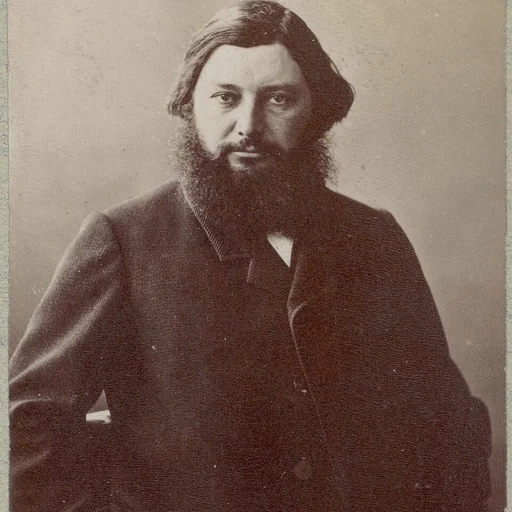
Jean Désiré Gustave Courbet (UK: KOOR-bay; US: koor-BAY; French: ; 10 June 1819 – 31 December 1877) was a French painter who led the Realism movement in 19th-century French painting.

 Countryside landscape
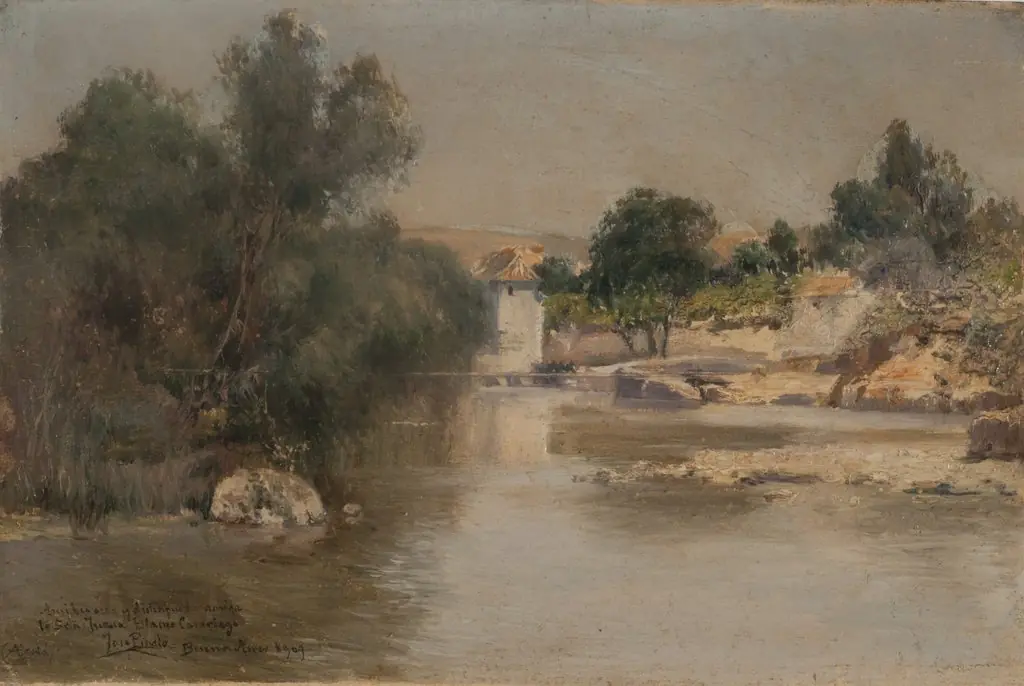 Banks of Guadaira
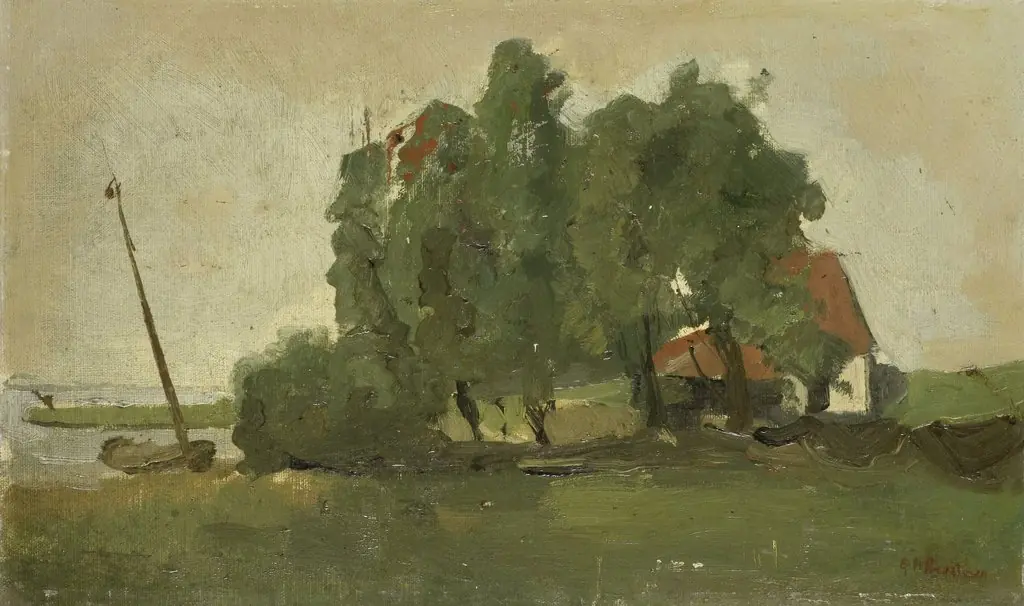 Farmstead
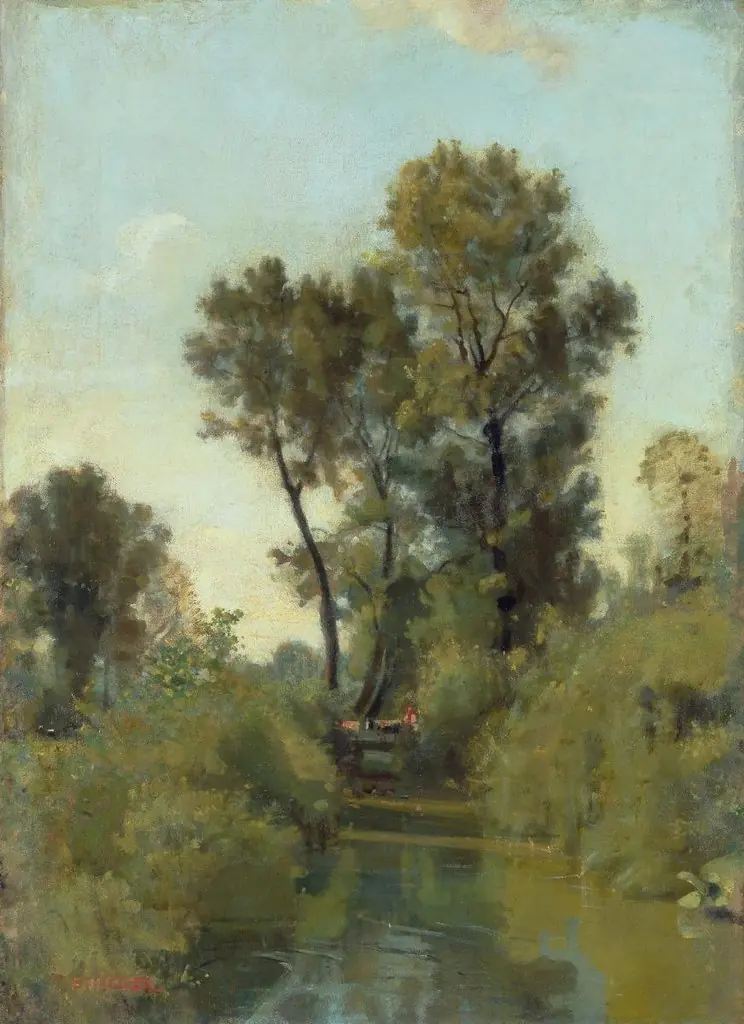 Mühlebach bei Langenthal
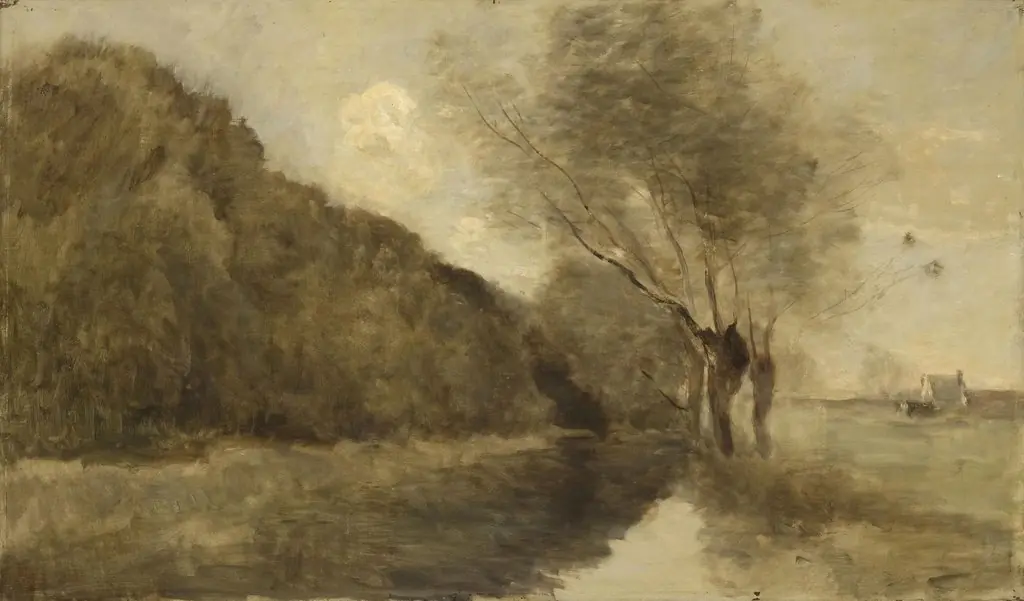 Landscape with a Stream and Willows near Gisors
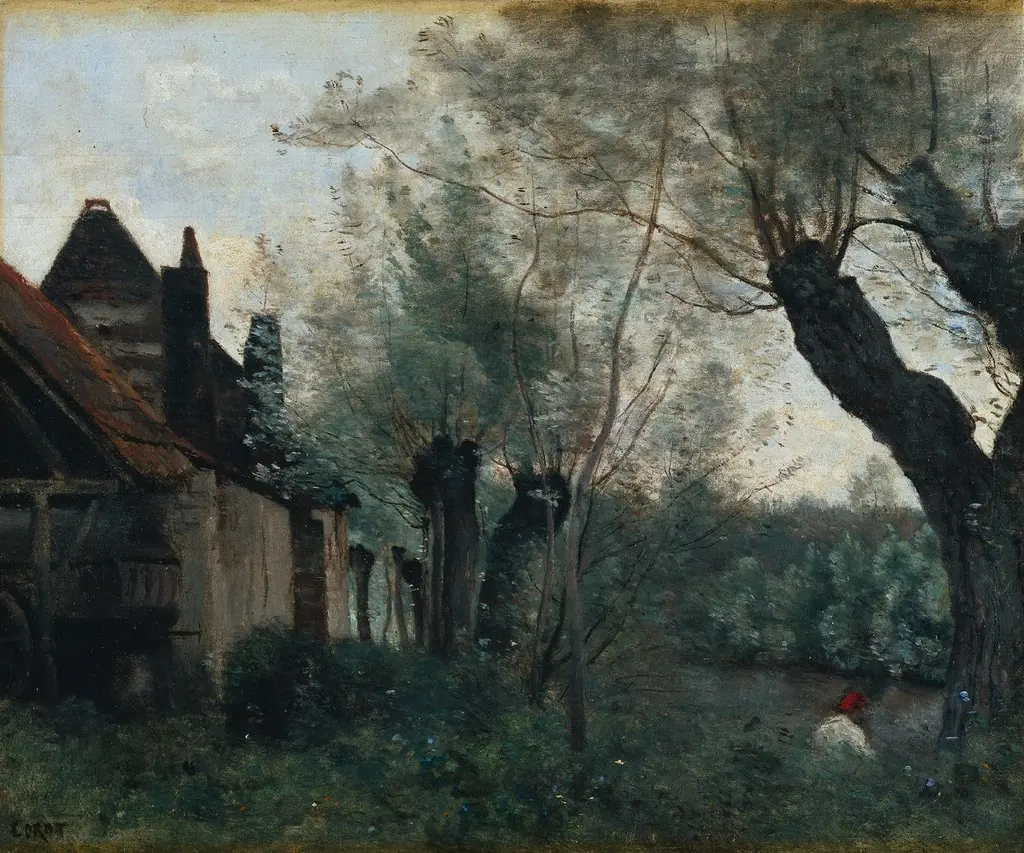 Willows and Farmhouse at Sainte-Catherine-lès-Arras
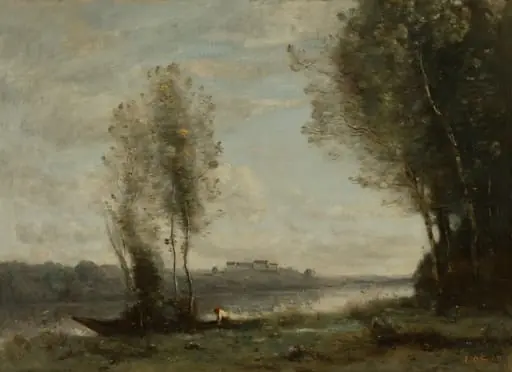 Landscape
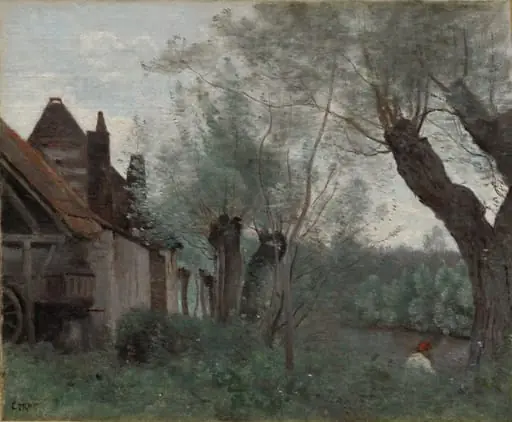 Willows and Farmhouse at Sainte-Catherine-lès-Arras
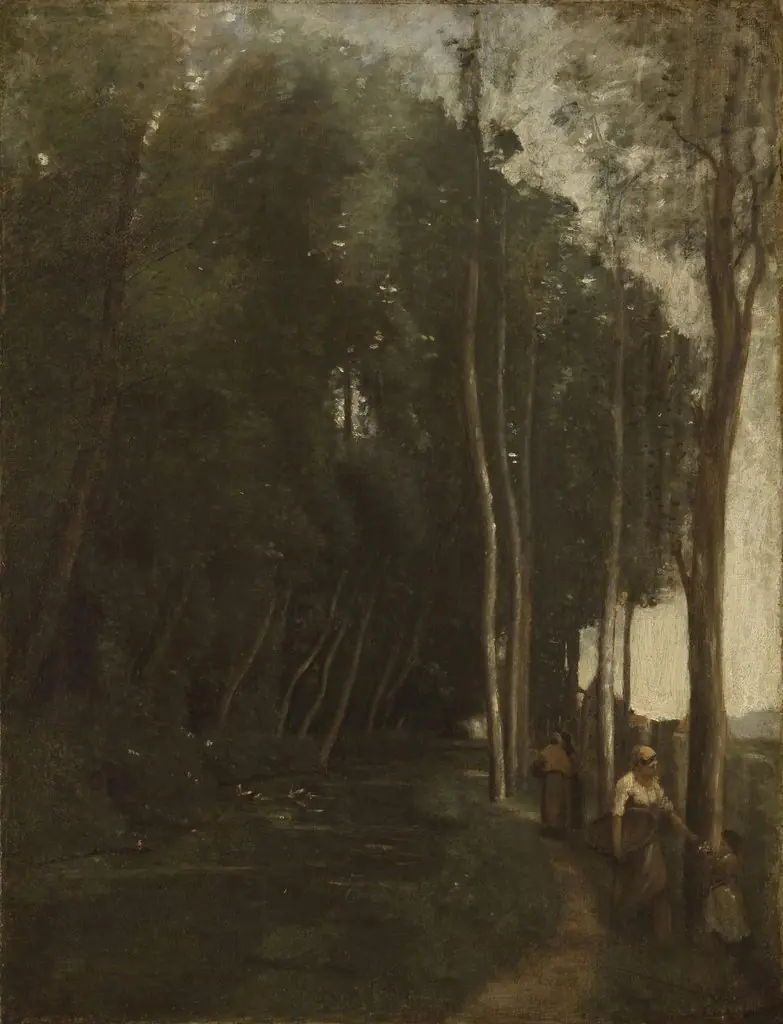 Under Trees, Marcoussy
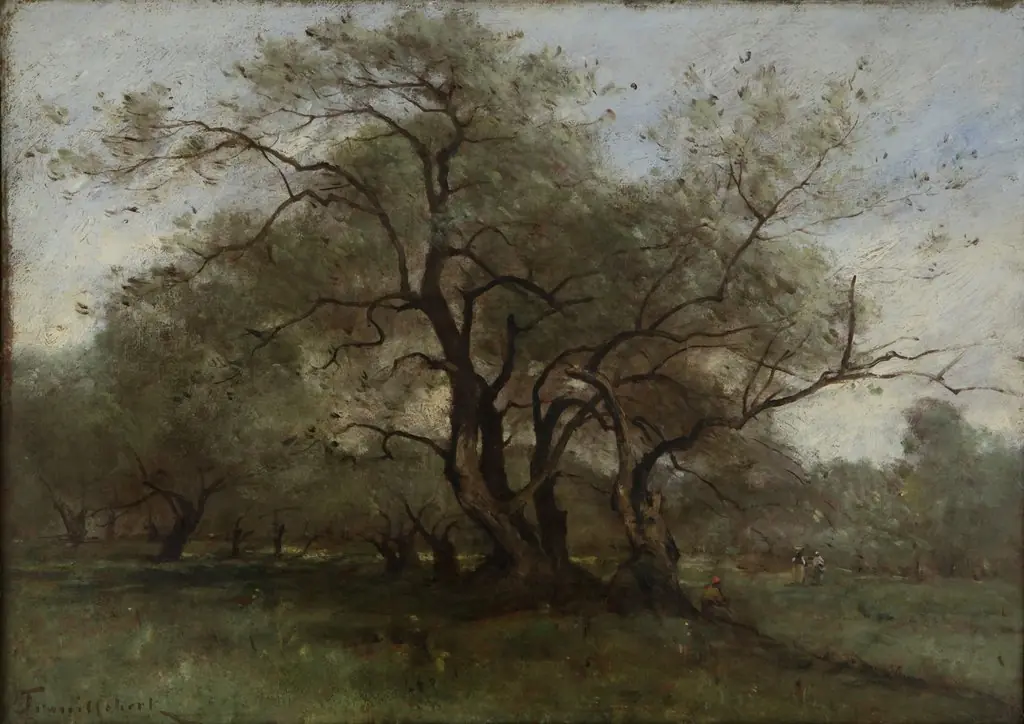 Landscape
 Landscape with a bunch of trees
 Landscape