Artwork
Willows and Farmhouse at Sainte-Catherine-lès-Arras
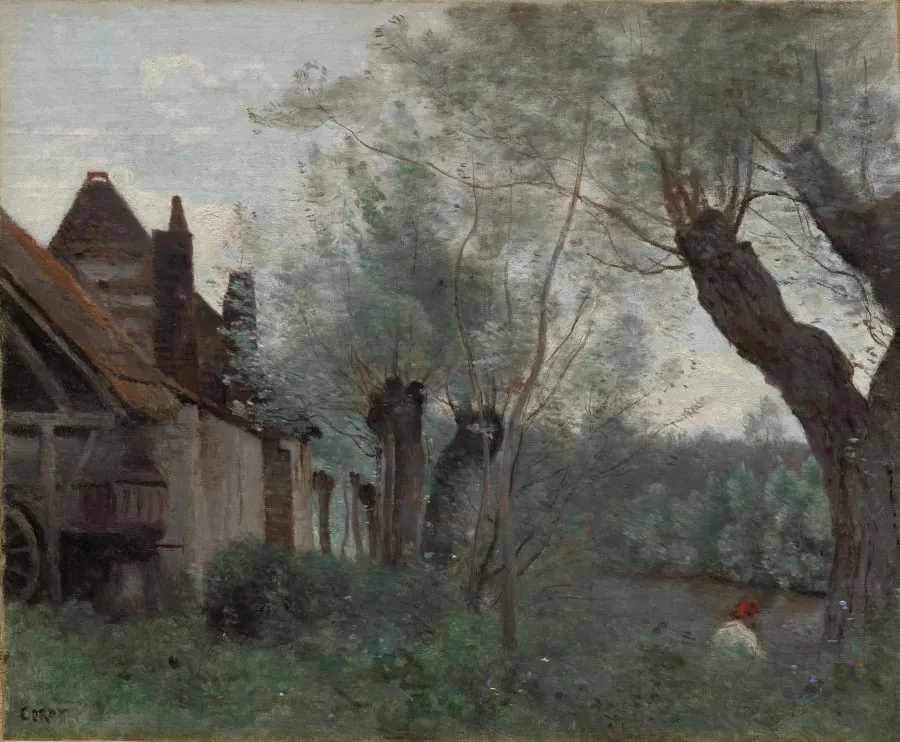
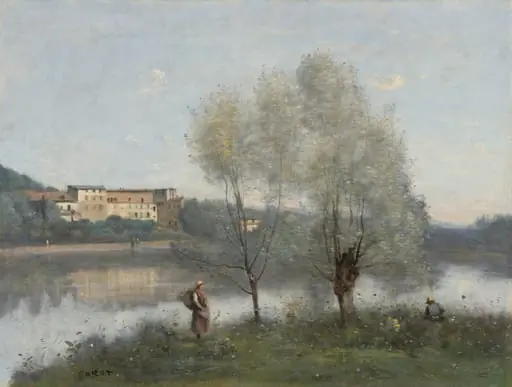
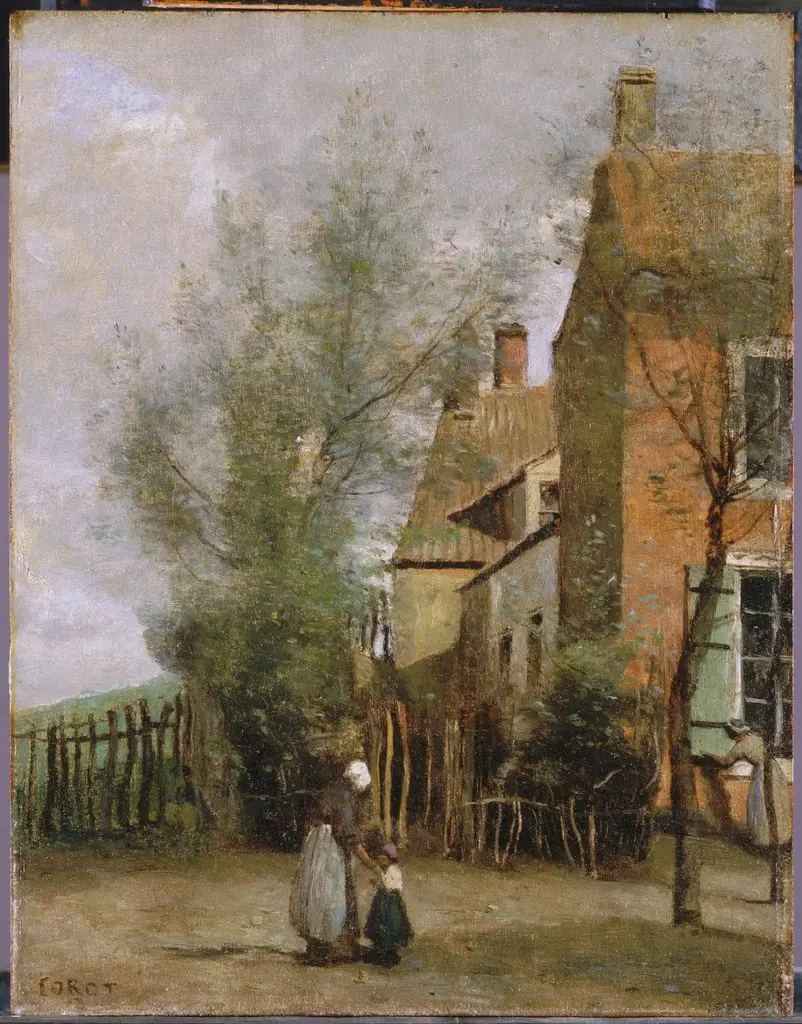
Willows and Farmhouse at Sainte-Catherine-lès-Arras is an unspecified painting by the Barbizon school artist Jean Baptiste Camille Corot. It dates from 1871 and is held in the collection of the Cleveland Museum of Art. In 1871 Jean-Baptiste-Camille Corot created this landscape while residing near Arras in northern France.
About this work
If you like this quiet mood, look up *sfumato*—the way Corot blurred edges to make everything feel gentle and real.
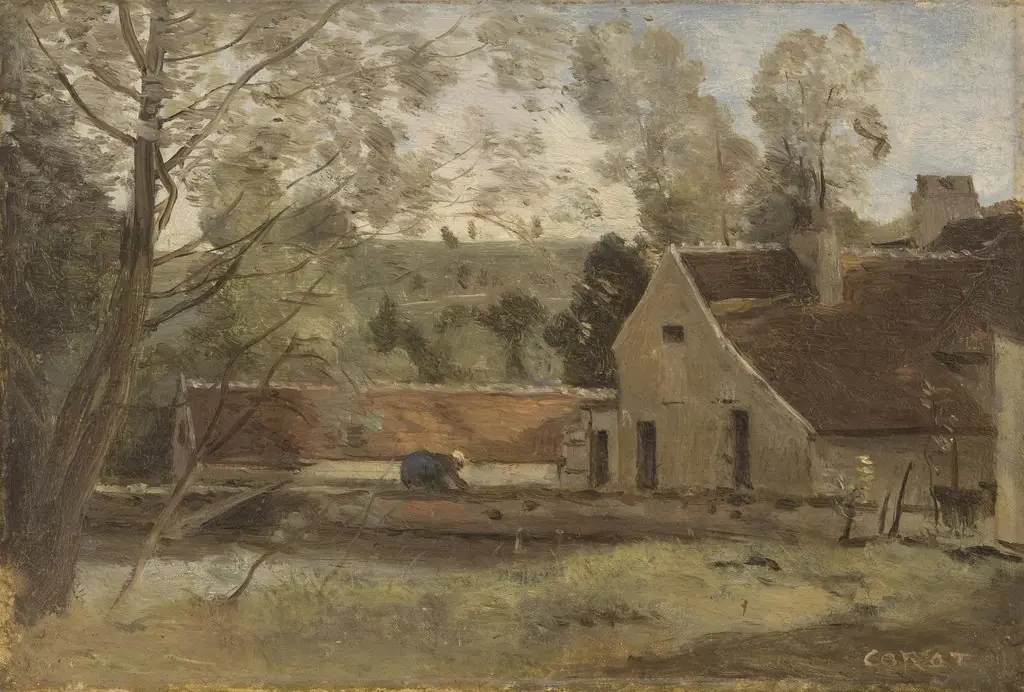
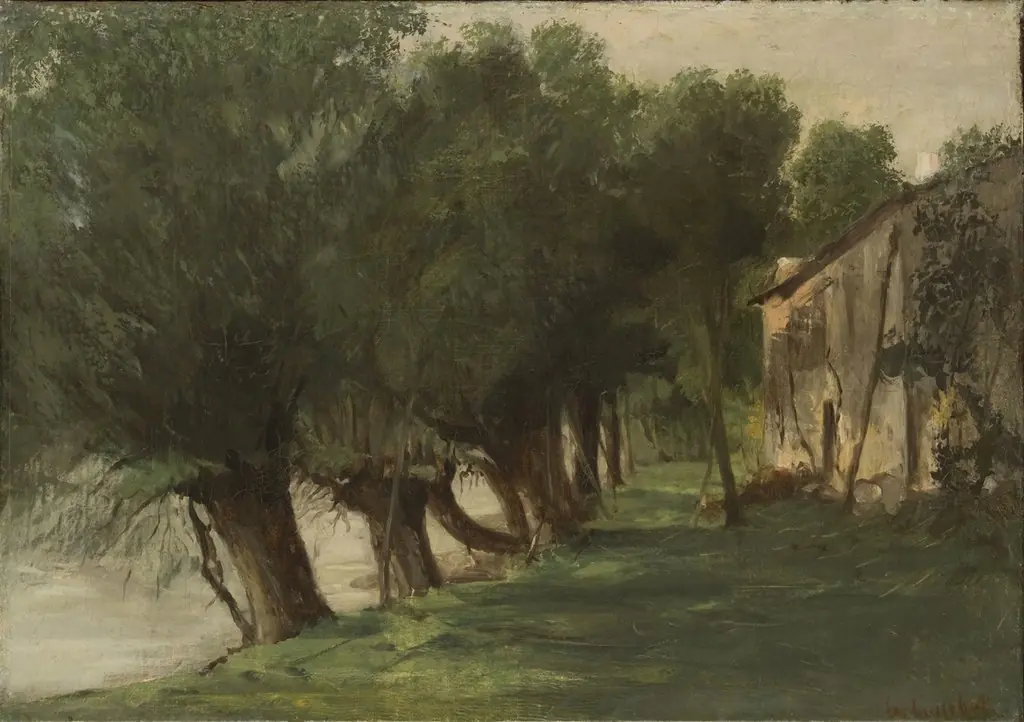
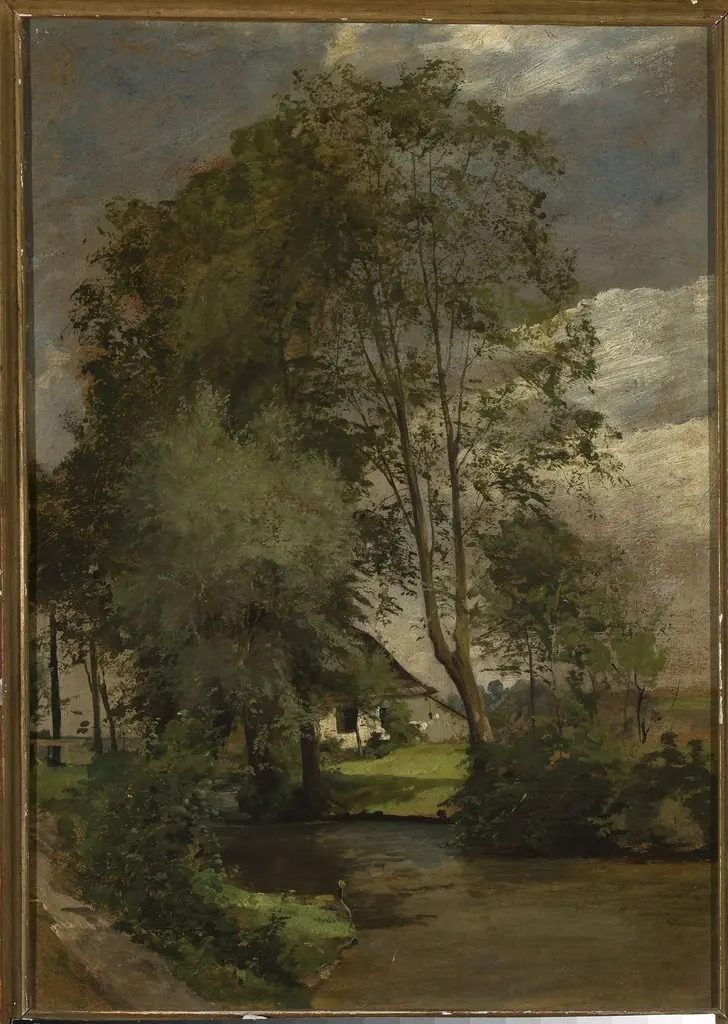
You see a farmhouse tucked behind tall willow trees, their leaves soft and bright in the sunlight. A quiet stream runs in front, reflecting the pale blue sky.
Corot painted this in 1871 while staying in northern France, away from the chaos of Paris after the war. He loved these peaceful scenes—no drama, just light on water and the rustle of leaves. It’s the kind of place you’d want to sit and listen to the breeze.
If you like this quiet mood, look up *sfumato*—the way Corot blurred edges to make everything feel gentle and real.
Overview
In 1871 Jean-Baptiste-Camille Corot created this landscape while residing near Arras in northern France. The composition presents a modest farmhouse concealed behind a stand of tall willows, with a tranquil stream reflecting a pale sky. The work exemplifies the serene, light‑filled scenes that appealed to a broad audience in the artist’s later career.
Subject & Meaning
The painting captures a quiet rural setting: willows with bright, sun‑kissed foliage frame a humble dwelling, while the water mirrors the soft blue of the heavens. The absence of narrative drama suggests a focus on the simple, contemplative experience of nature, inviting viewers to linger in the calm of the countryside.
Technique & Style
Corot employs a delicate handling of light, allowing the foliage and water to glow with subtle tonal shifts. His use of softened edges, reminiscent of sfumato, blurs the boundaries between forms, creating an atmospheric effect that emphasizes mood over precise detail.
History & Provenance
The work was produced during Corot’s stay in the Arras region, a period marked by his retreat from post‑war Paris. It quickly resonated with the public, contributing to his reputation as a painter of tranquil, lyrical landscapes.
Context
Created shortly after the Franco‑Prussian War, the painting reflects a turn toward pastoral tranquility in French art. While many contemporaries depicted urban upheaval, Corot’s focus on bucolic scenes offered a visual respite from recent conflicts.
Artist & collection
Artist
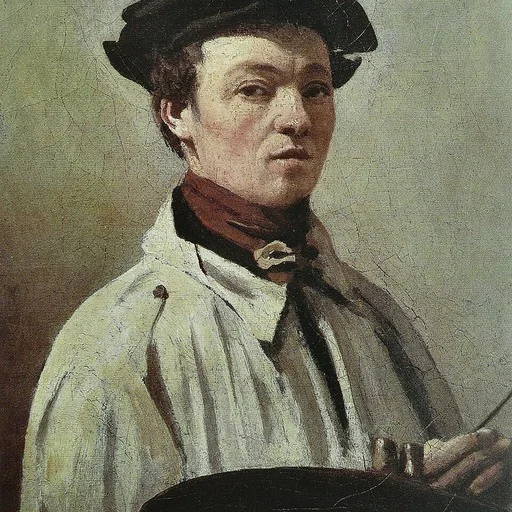
Jean-Baptiste-Camille Corot (UK: KORR-oh, US: kə-ROH, kor-OH; French: ; 16 July 1796 – 22 February 1875), or simply Camille Corot, was a French landscape and portrait painter as well as a printmaker in etching.