Artwork
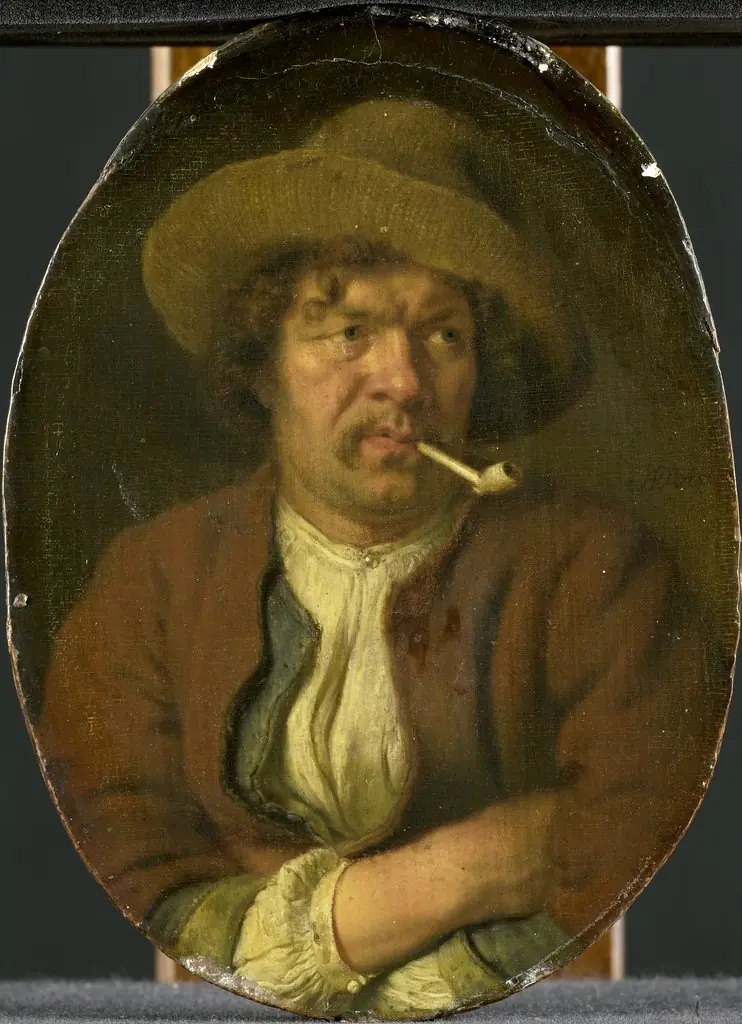
Man with Pipe
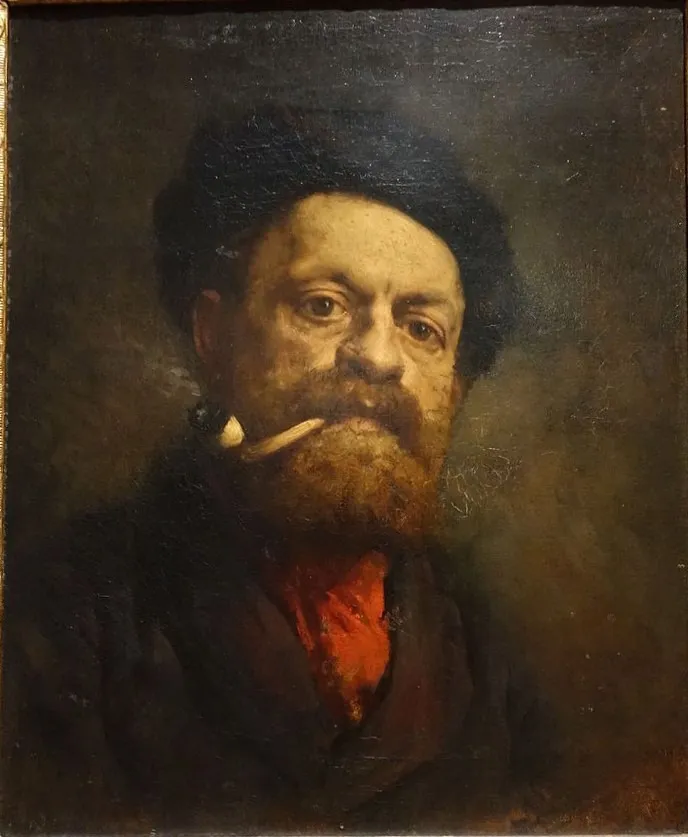
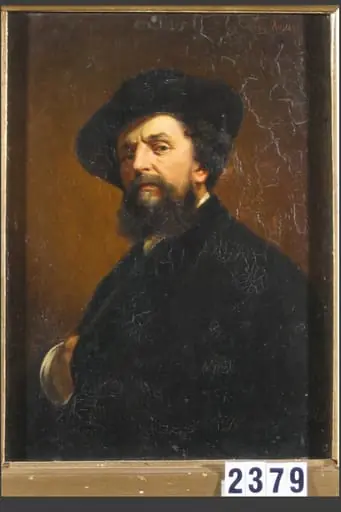
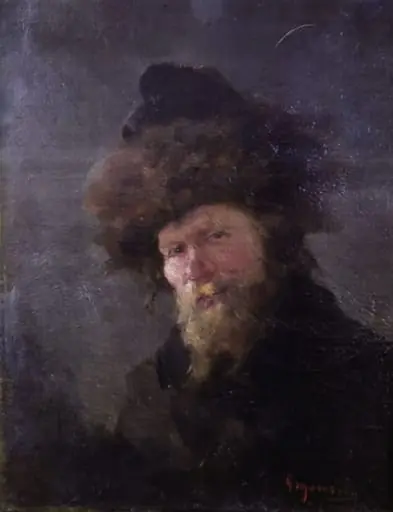
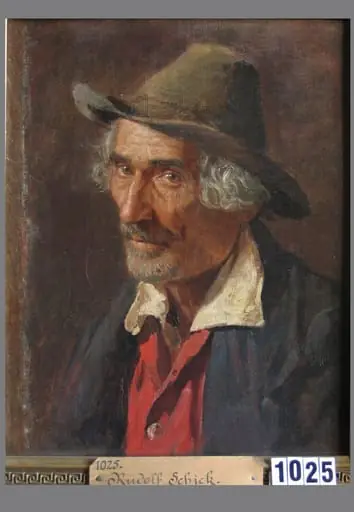
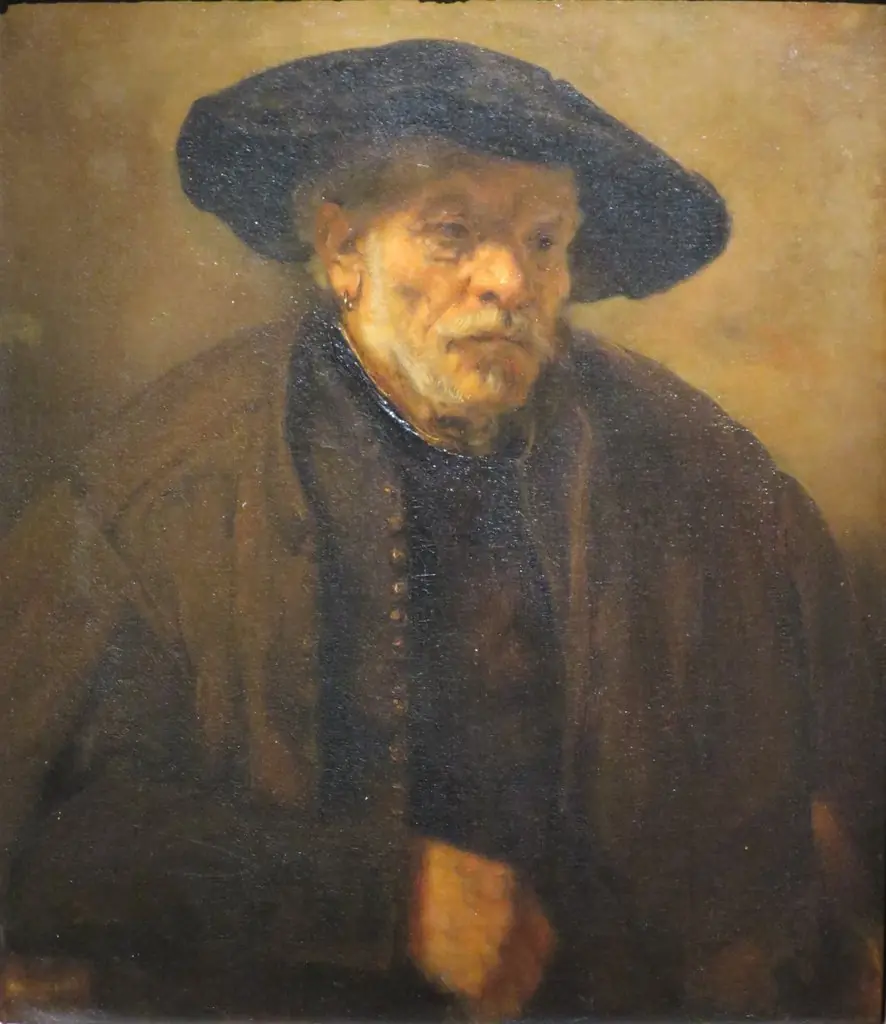
Man with Pipe is an oil painting by the Realist artist Gustave Courbet. It dates from 1868 and is held in the collection of the National Museum of Ancient Art.
About this work
Overview
Man with Pipe is an 1868 oil painting by Gustave Courbet, a prominent French Realist. The work is a portrait featuring a man with a pipe, characterized by its realistic depiction and emphasis on observable detail.
Subject & Meaning
The subject, a man with a pipe in a dark jacket and red shirt, is set against a dark background. His serious expression and direct gaze are the focal points, conveying a sense of solemnity.
Technique & Style
Courbet employed a realistic style with meticulous attention to facial features and clothing. The use of chiaroscuro adds depth and dimensionality to the composition.
History & Provenance
The painting is part of the National Museum of Ancient Art's collection. Note: The museum's name might imply a focus on ancient art, but it also holds works like this from later periods.
Context
Created during Courbet's peak, the painting reflects his rejection of academic ideals in favor of direct, realistic representation, aligning with the broader Realist movement in 19th-century France.
Legacy
While specific legacy details of *Man with Pipe* are not highlighted, it contributes to Courbet's overall influence on Realist and subsequent artistic movements through its unromanticized, detailed portrayal of everyday life.
Artist & collection
Artist
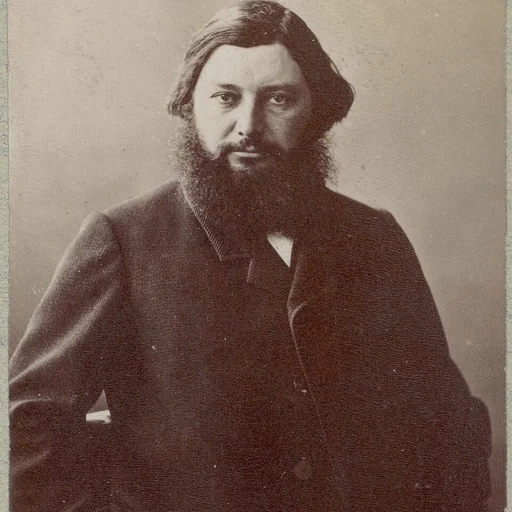
Jean Désiré Gustave Courbet (UK: KOOR-bay; US: koor-BAY; French: ; 10 June 1819 – 31 December 1877) was a French painter who led the Realism movement in 19th-century French painting.