Artwork
Bajamar (Guéthary)
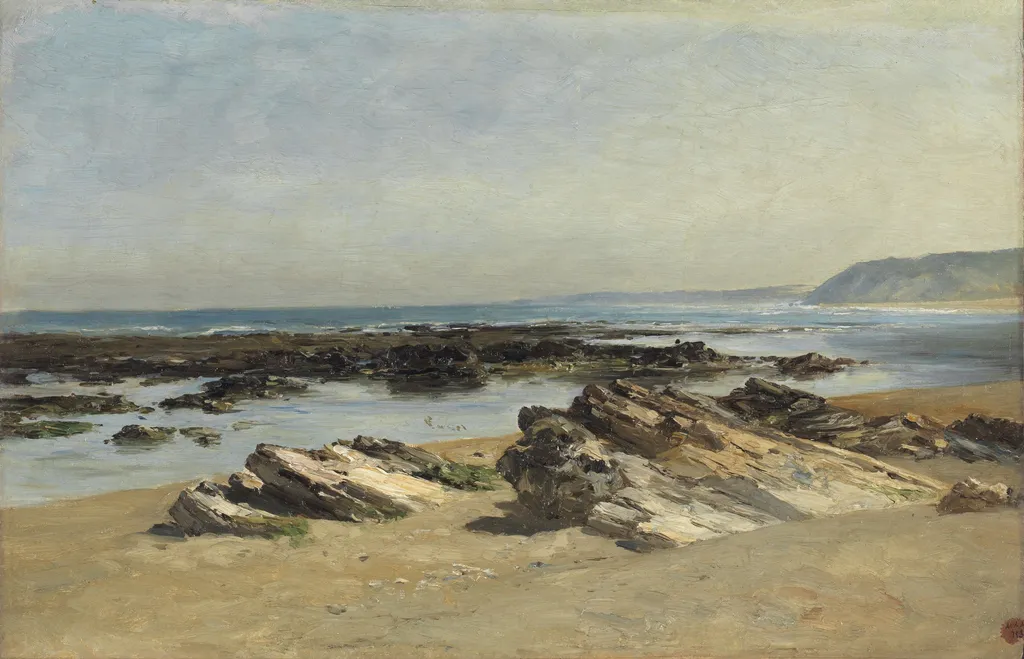
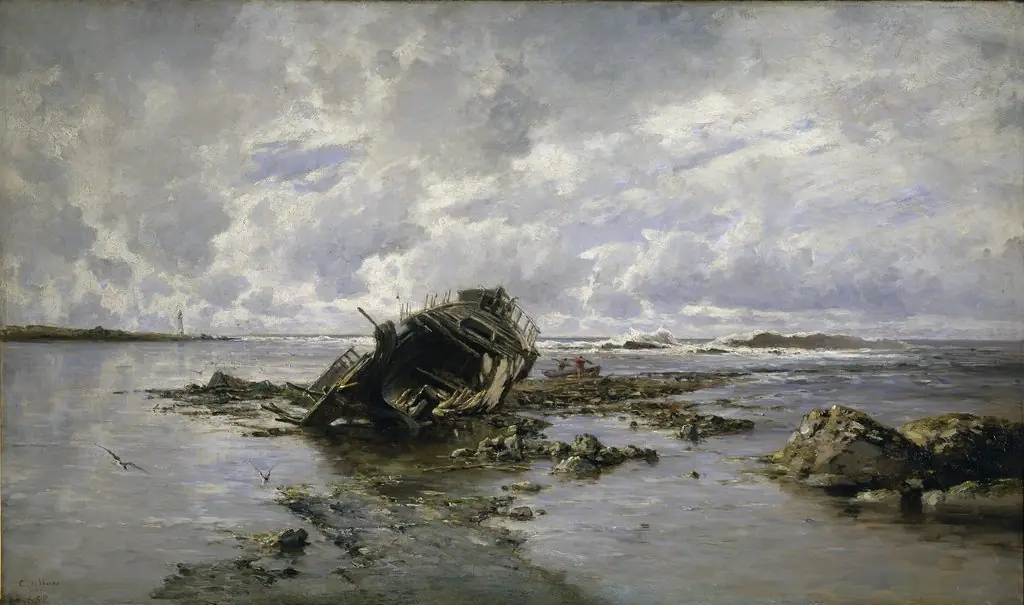
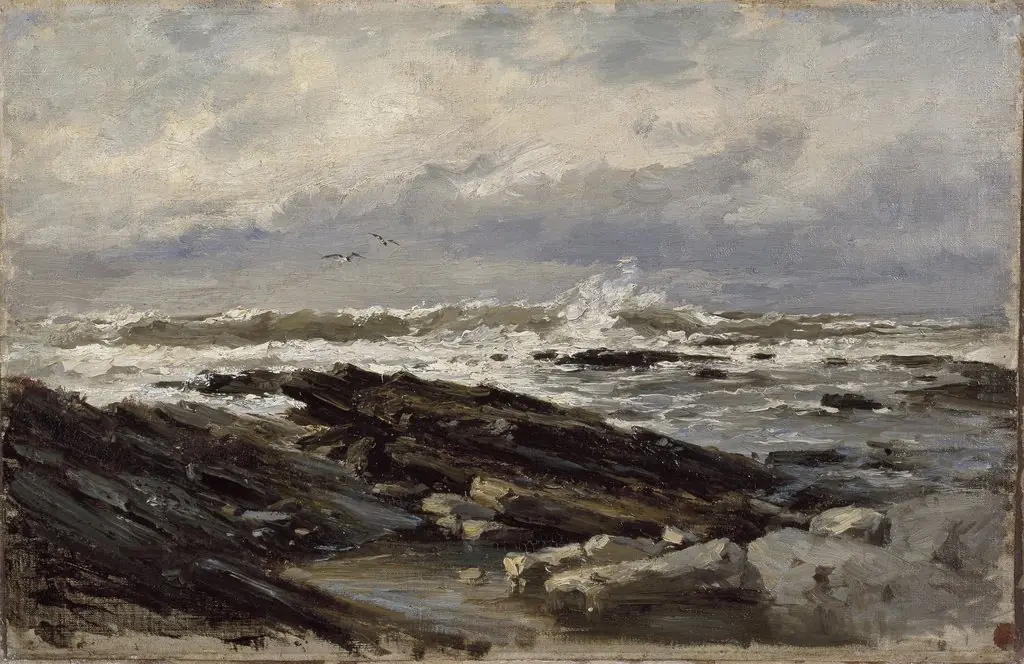
Bajamar (Guéthary) is an oil painting by the Impressionist artist Carlos de Haes. It dates from 1891 and is held in the collection of the Museo del Prado.
About this work
Overview
Carlos de Haes painted *Bajamar (Guéthary)* in 1891 with oil on canvas. The work shows a quiet coastal landscape, featuring a low horizon where sea and sky merge, and a foreground of protruding rocks that break the sand. Its composition balances open water with solid landforms, creating a calm, natural atmosphere.
Subject & Meaning
The scene captures a stretch of beach near Guéthary, a town on the Basque coast. A gentle sea stretches toward a sky of muted blues and whites, while weathered rocks emerge from the sand, suggesting the enduring presence of the coastline. The painting emphasizes the quiet, unadorned beauty of a specific Spanish locale.
Technique & Style
De Haes employed a realist approach tempered by Impressionist influences, using layered oil washes to render atmospheric light. The palette relies on cool blues and subtle whites for the sky and water, contrasted with earthy tones in the foreground rocks. Brushwork varies from smooth gradations in the sky to more textured strokes on the stone, enhancing depth.
History & Provenance
Created during the artist’s mature period, the canvas entered the collection of the Museo del Prado, where it remains on display. De Haes, a Belgian-born painter who settled in Spain, was a leading figure in mid‑nineteenth‑century Spanish landscape painting, contributing to the realist tradition that preceded the rise of Impressionism in Spain.
Own this work as a print
Artist & collection
Artist
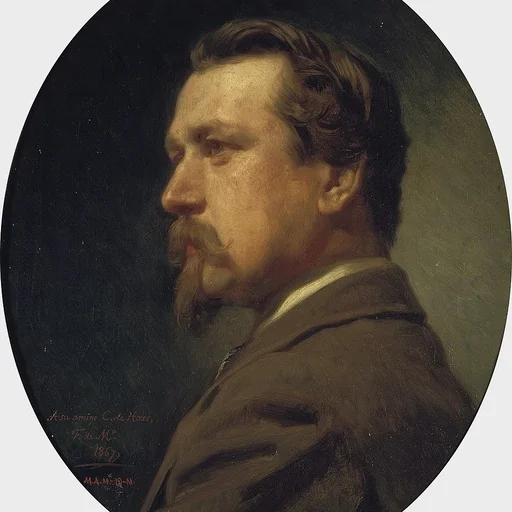
Carlos Sebastián Pedro Hubert de Haes (January 25, 1829 – June 17, 1898) was a Spanish painter from Belgium.

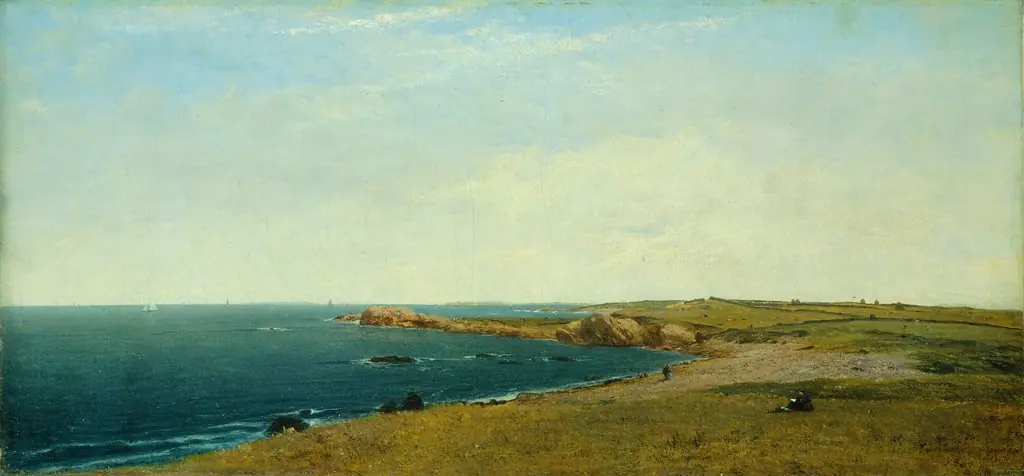 Near Newport
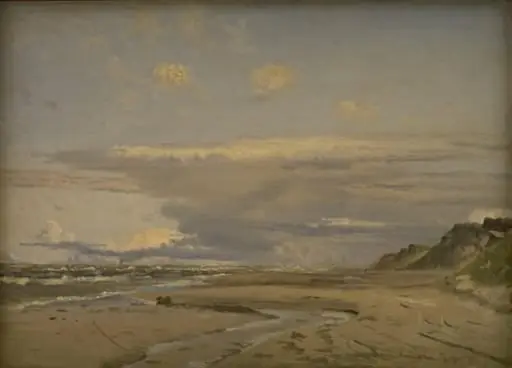 The Beach at Kandestederne, West Jutland
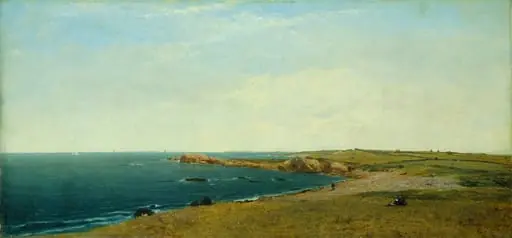 Near Newport
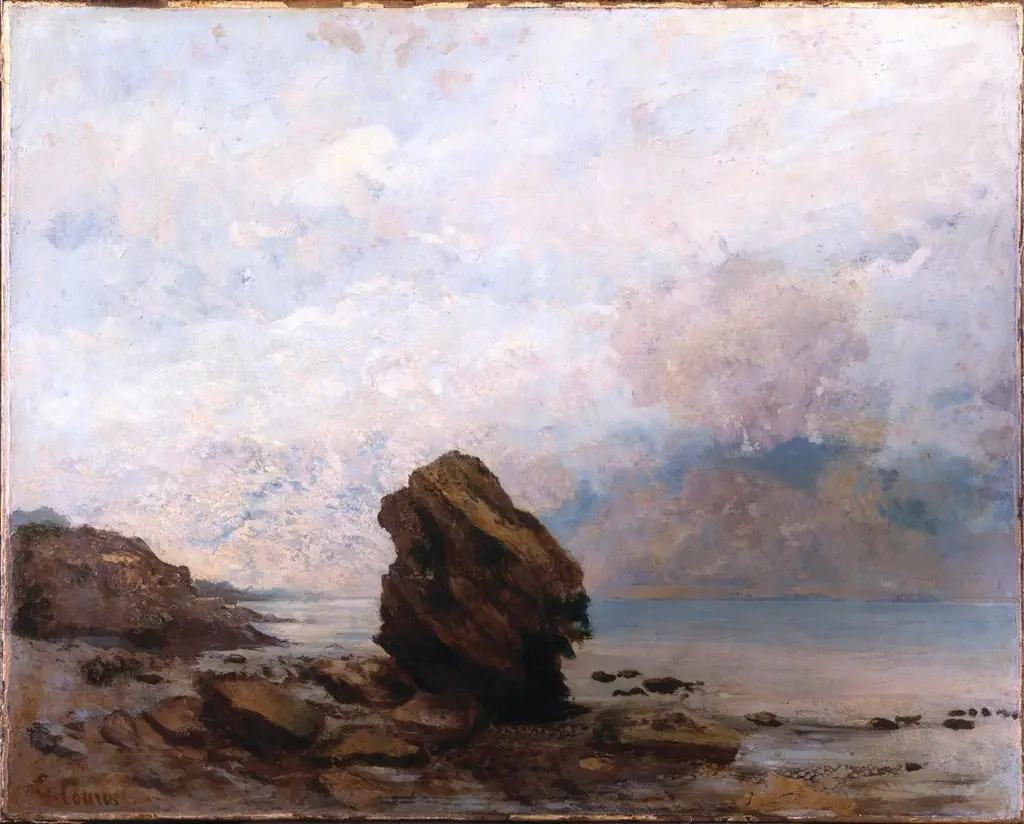 Le Rocher isolé
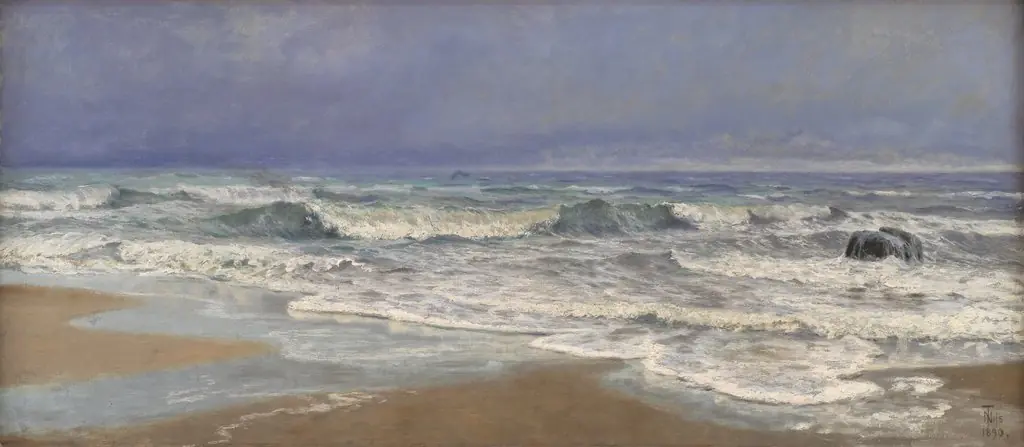 Gråvejrsdag ved Vesterhavet med brænding
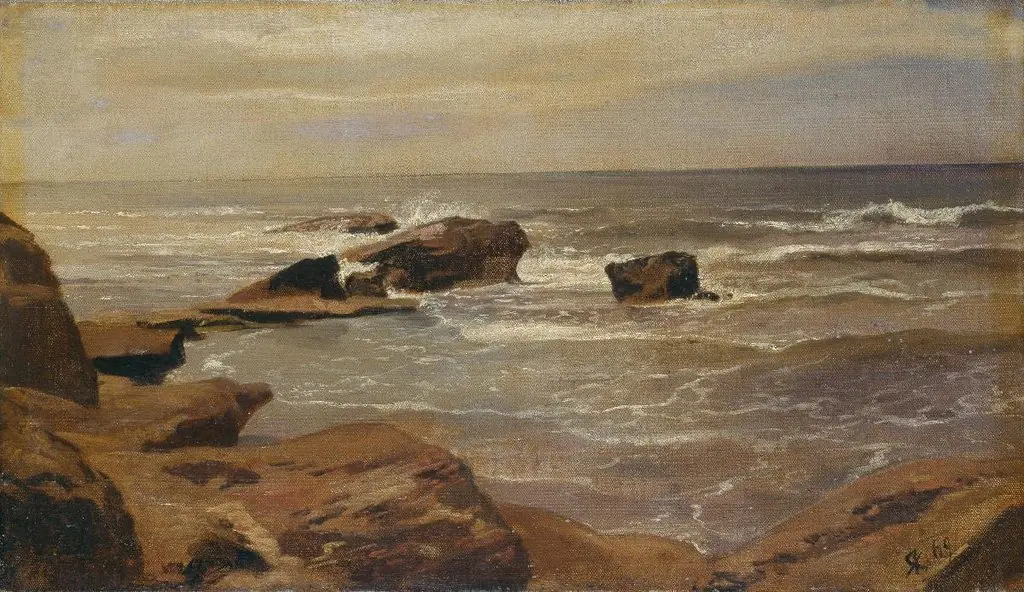 Meer bei Porto dʼAnzio
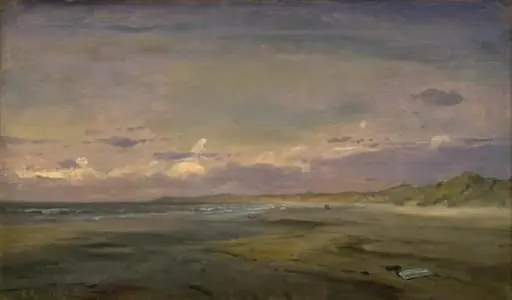 Low Beach and Sand Dunes. Cattwijk
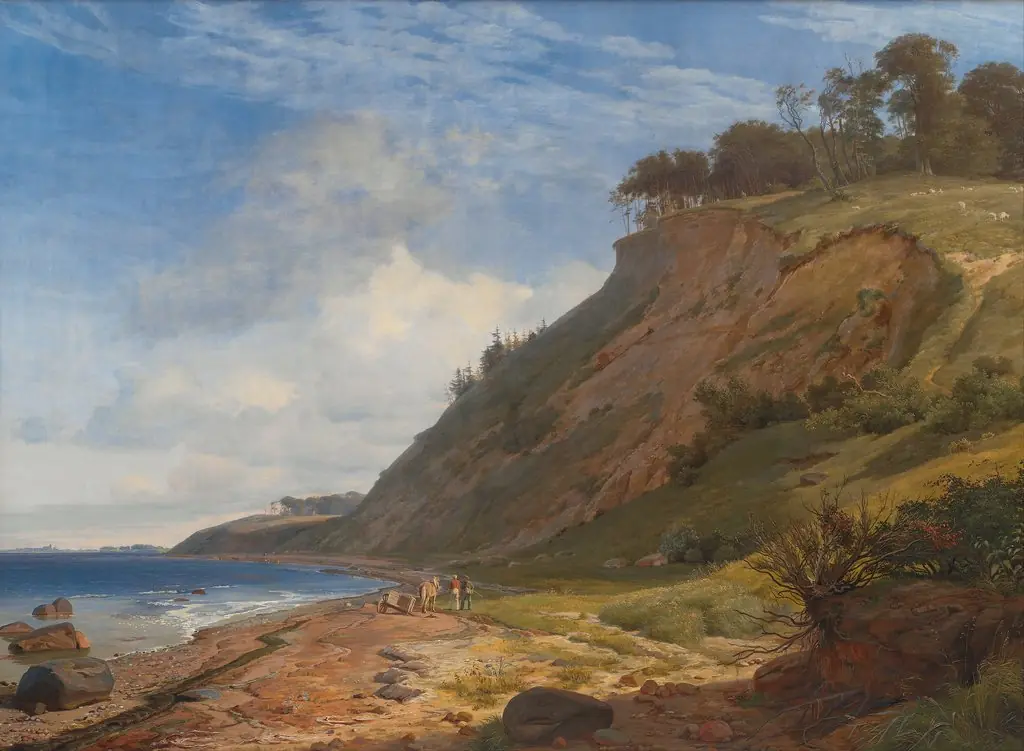 A Danish Coast. View from Kitnæs on Roskilde Fjord. Zealand
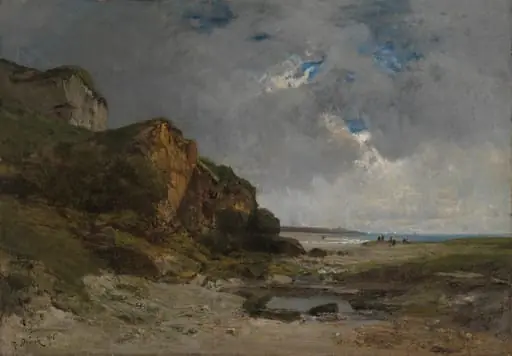 Rantamaisema Normandiasta
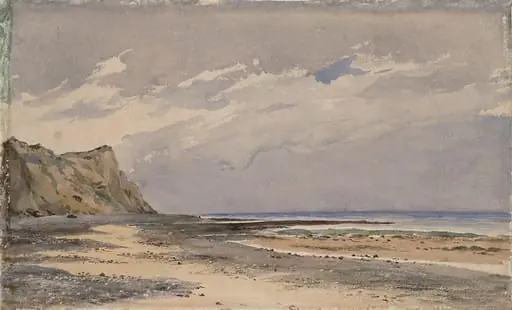 Shore Scene, Sheringham, Norfolk
 Rompientes (Guéthary)