Artwork
The Charente at Port-Bertaud
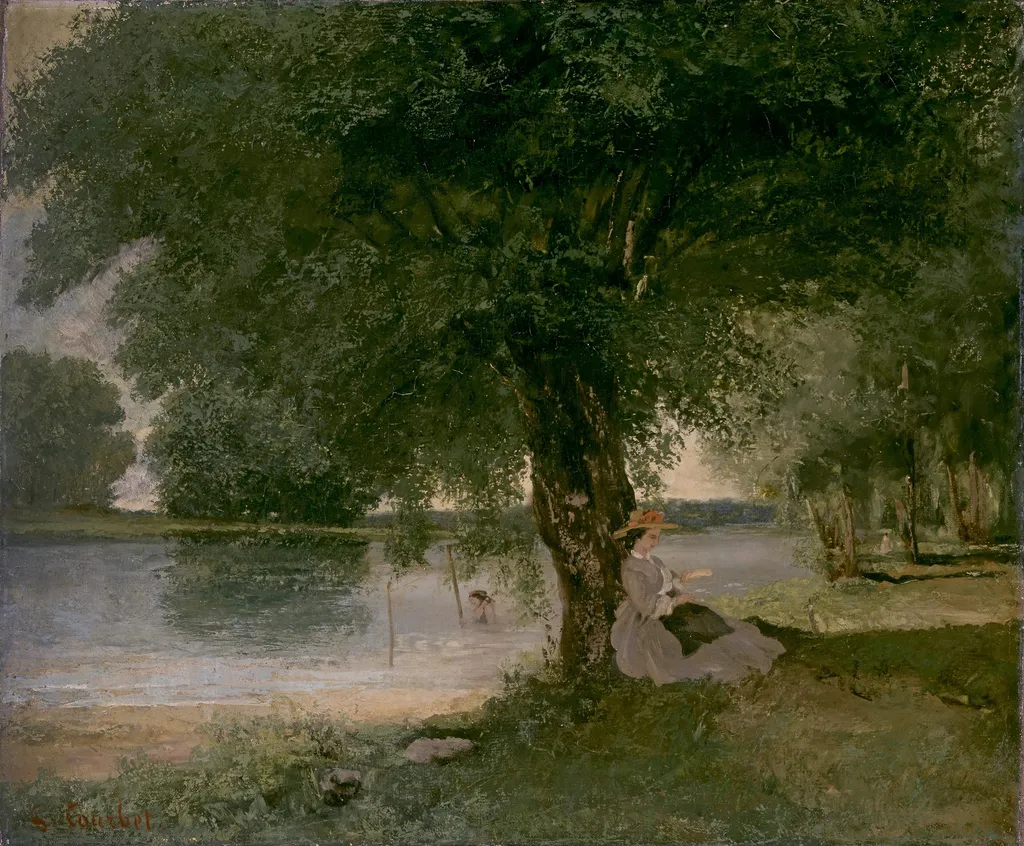
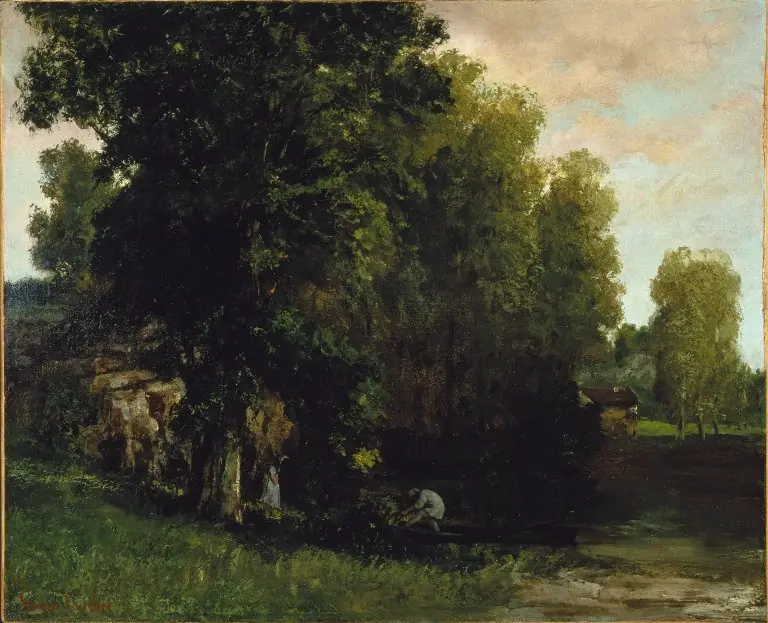
The Charente at Port-Bertaud is an oil painting by the Realist artist Gustave Courbet. It dates from 1862 and is held in the collection of the Fitzwilliam Museum.
About this work
Overview
Painted in 1862, *The Charente at Port-Bertaud* is an oil on canvas work by Gustave Courbet, capturing a quiet stretch of the Charente River in western France.
Painted in 1862, *The Charente at Port-Bertaud* is an oil on canvas work by Gustave Courbet, capturing a quiet stretch of the Charente River in western France. It reflects Courbet’s commitment to portraying ordinary landscapes without embellishment, aligning with the Realist movement’s rejection of idealized or dramatic subjects. The painting is part of the Fitzwilliam Museum’s collection, where it remains a quiet example of his rural observations.
Subject & Meaning
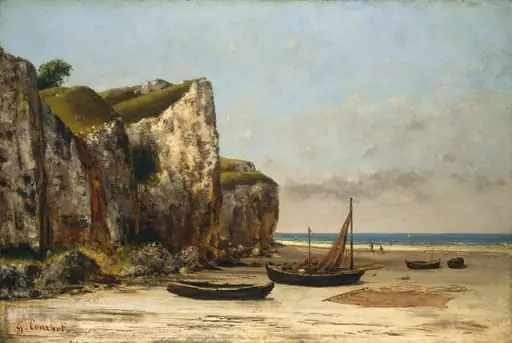
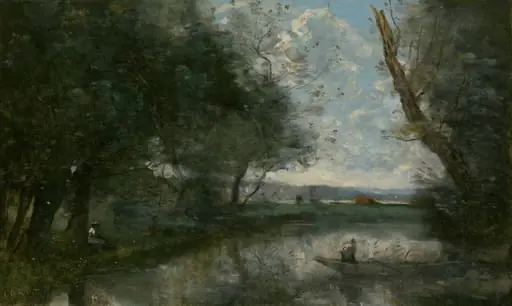
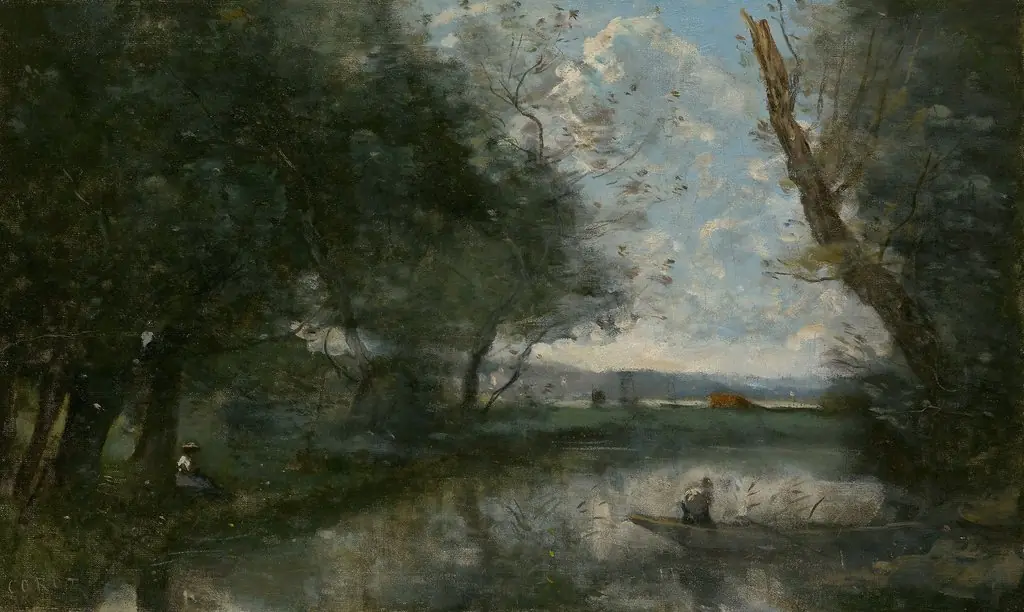
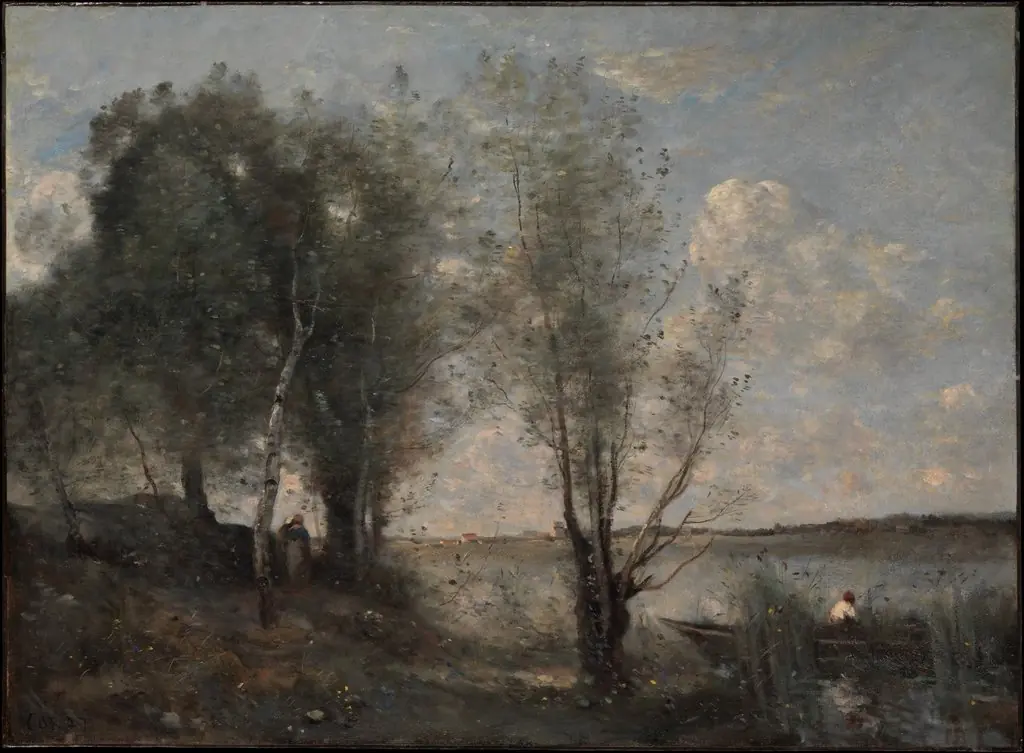
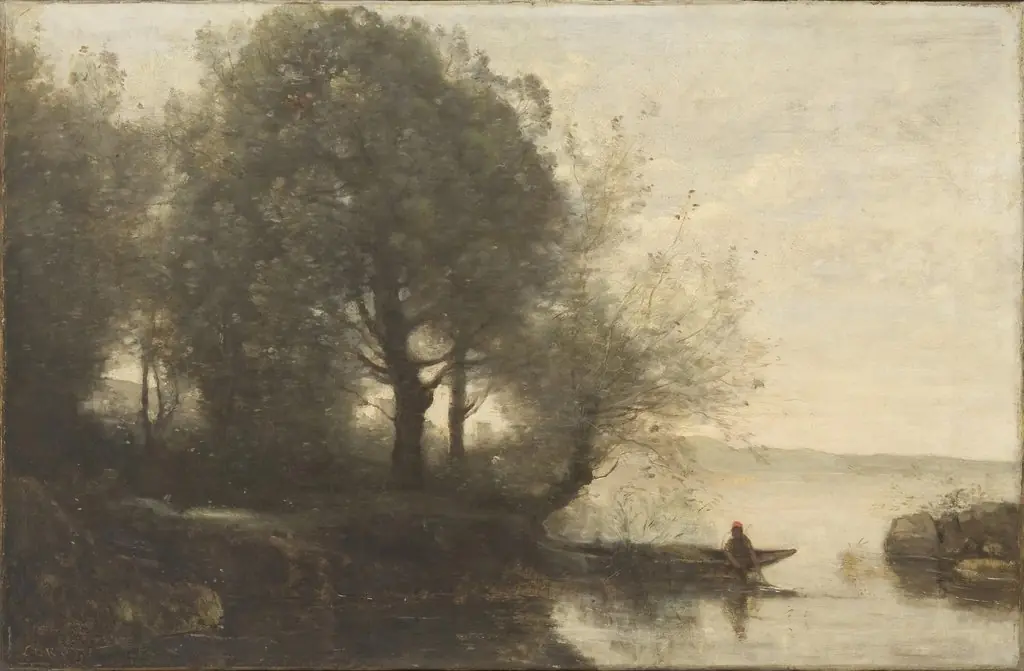
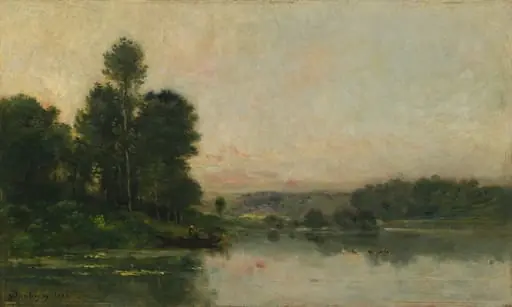
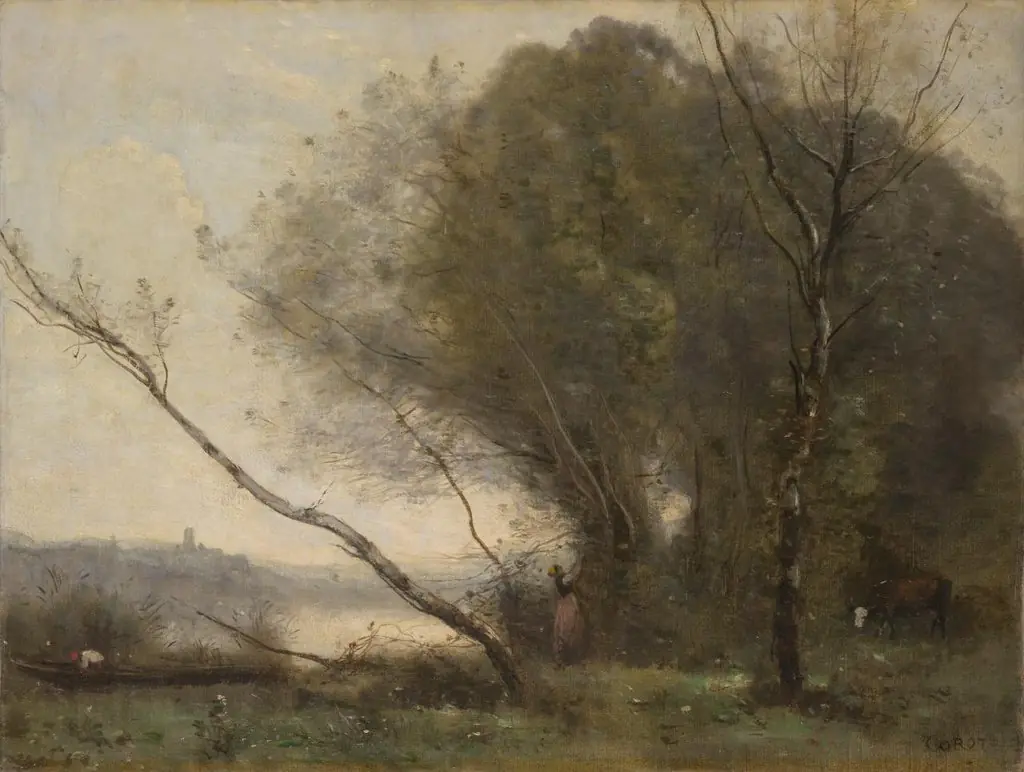
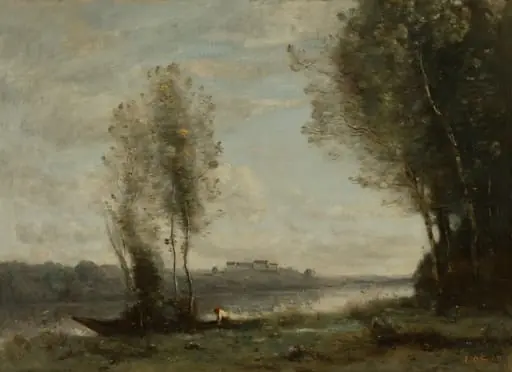
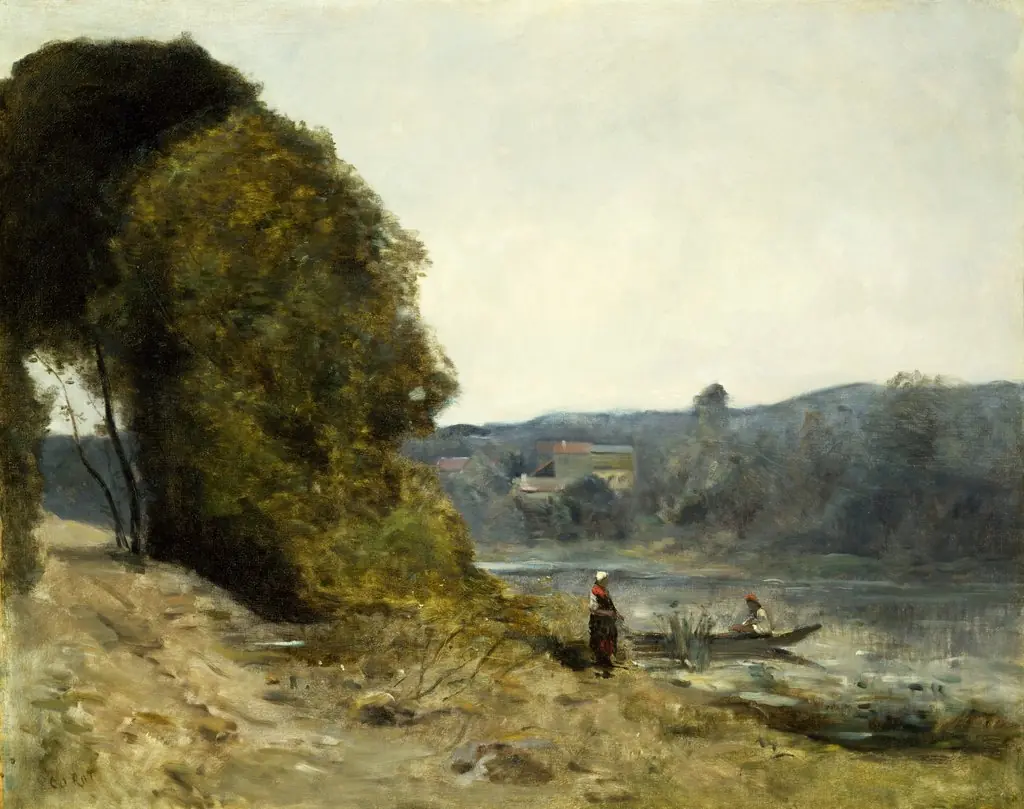
The scene centers on a solitary woman seated beneath a sprawling tree, her posture suggesting stillness and introspection. A distant figure wades in the river, subtly anchoring the composition in human presence without narrative drama. The absence of activity or symbolism emphasizes the quiet dignity of everyday moments, reinforcing Courbet’s belief that truth resided in unadorned observation rather than myth or sentiment.
Technique & Style
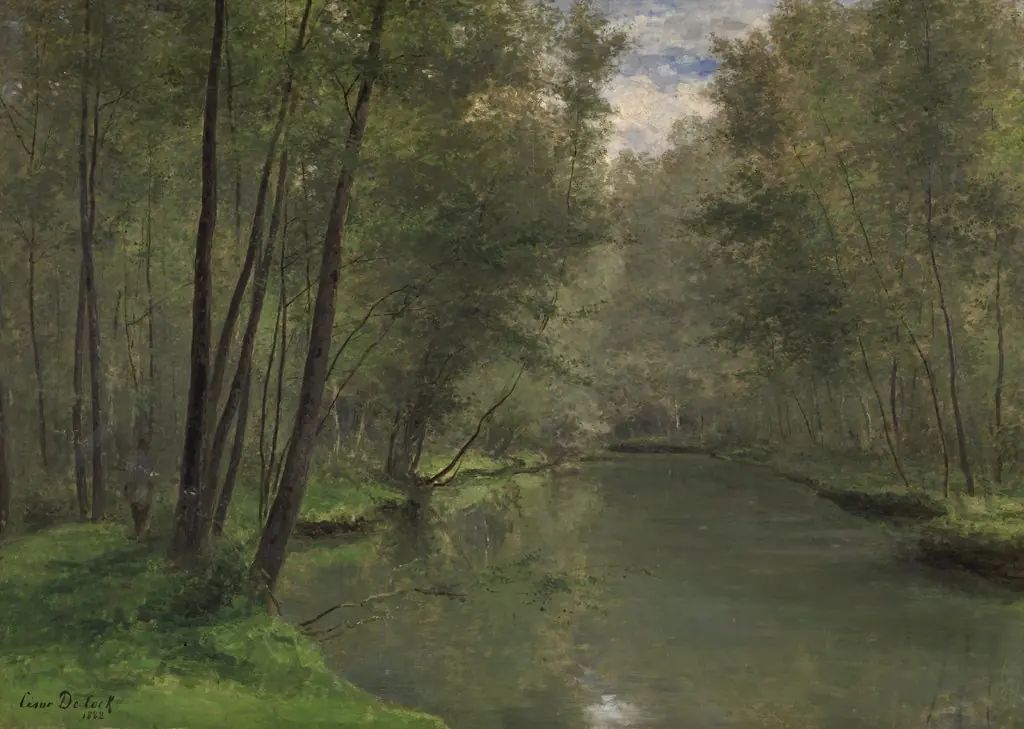
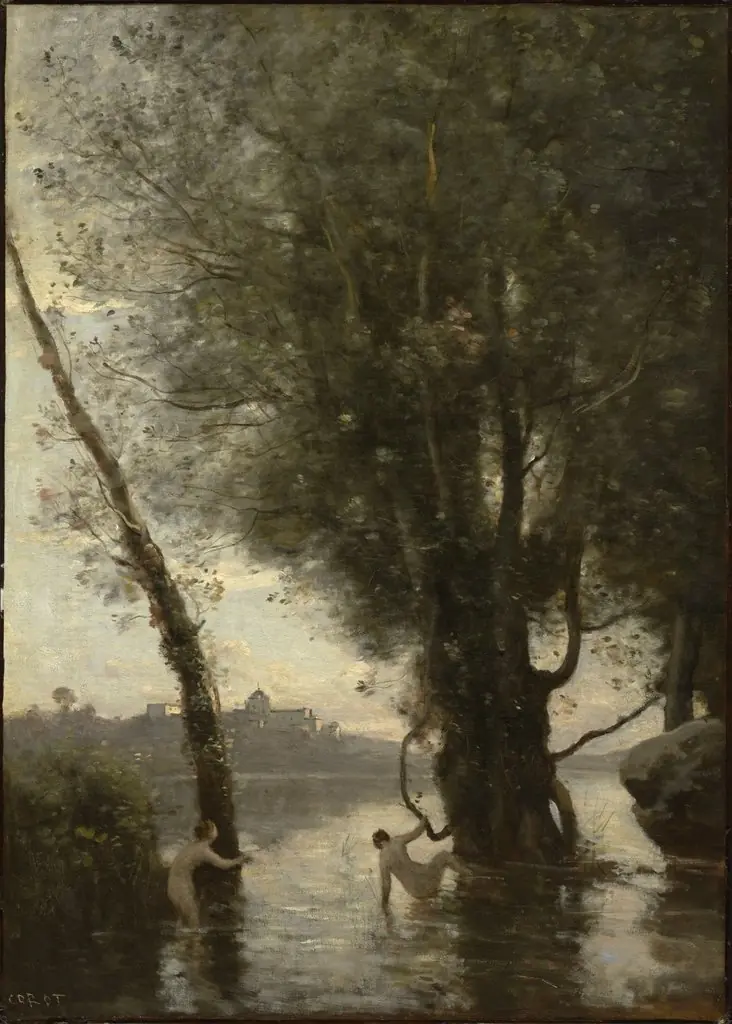
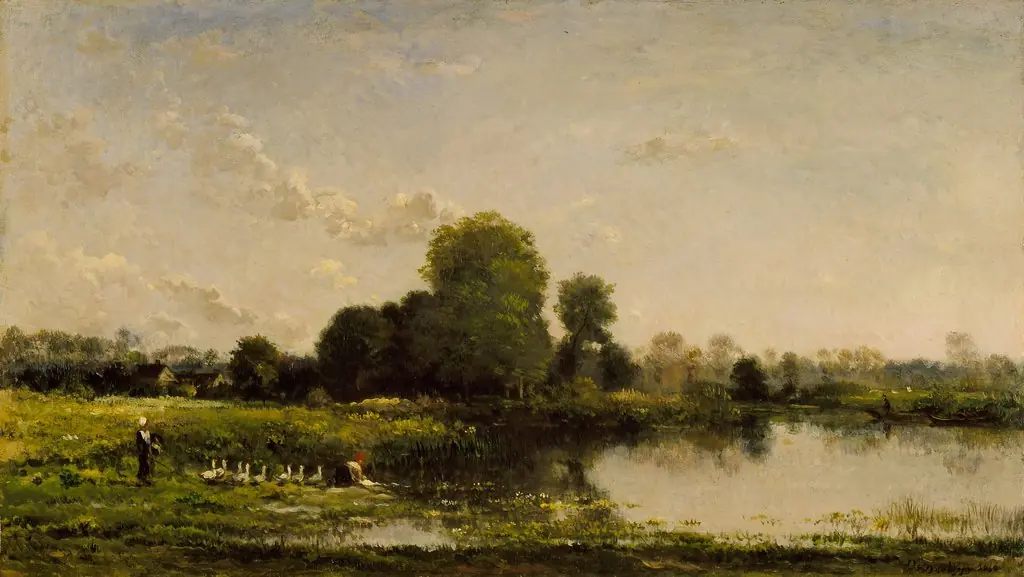
Courbet applied thick, deliberate strokes of oil paint to render the textures of bark, water, and foliage with tactile immediacy. The palette is muted—soft greys, greens, and earth tones—mirroring the overcast sky and damp riverbank. Brushwork is neither polished nor theatrical; instead, it conveys the physical weight of the natural world, rejecting academic smoothness in favor of direct, sensory representation.
History & Provenance
Created during Courbet’s mature period, the painting was likely made during one of his extended stays in the Charente region, where he frequently sketched and painted local landscapes. It entered the Fitzwilliam Museum’s collection in the late 19th or early 20th century, possibly through a private donation or acquisition, and has remained in its care since, preserved as a representative work of French Realism.
Context
In the 1860s, Courbet positioned himself against the French Academy’s preference for historical or mythological themes. By focusing on unremarkable riverbanks and ordinary figures, he challenged artistic norms and asserted that the visible, tangible world deserved equal artistic weight. *The Charente at Port-Bertaud* exemplifies this philosophy, emerging alongside other works that redefined the boundaries of acceptable subject matter in painting.
Legacy
Though less celebrated than Courbet’s larger public works, this painting contributes to his enduring influence on modern landscape painting. Its quiet intensity and refusal to dramatize nature paved the way for later movements, including Impressionism and even early modernist approaches to place and perception. It stands as a testament to the power of restraint in visual storytelling.
Own this work as a print
Artist & collection
Artist
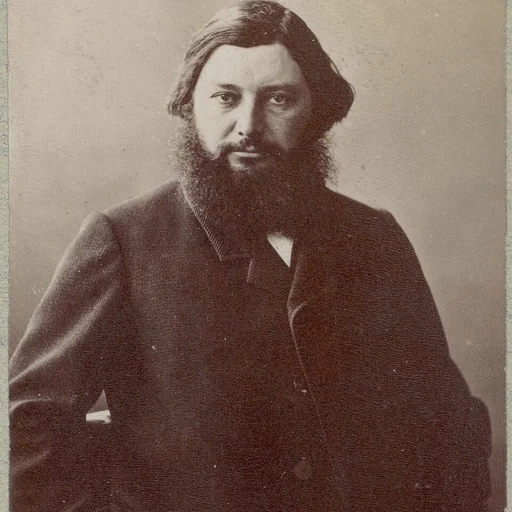
Jean Désiré Gustave Courbet (UK: KOOR-bay; US: koor-BAY; French: ; 10 June 1819 – 31 December 1877) was a French painter who led the Realism movement in 19th-century French painting.