Artwork
Szentiványi Gyula
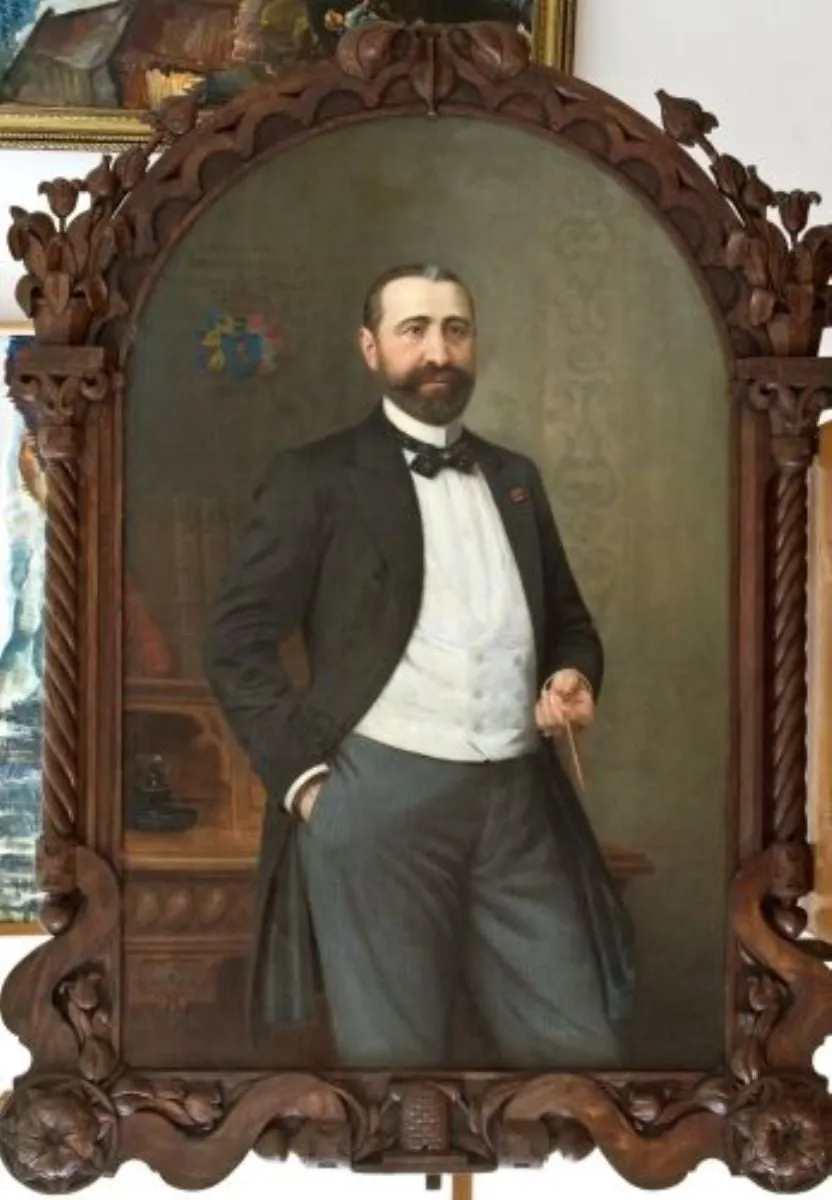
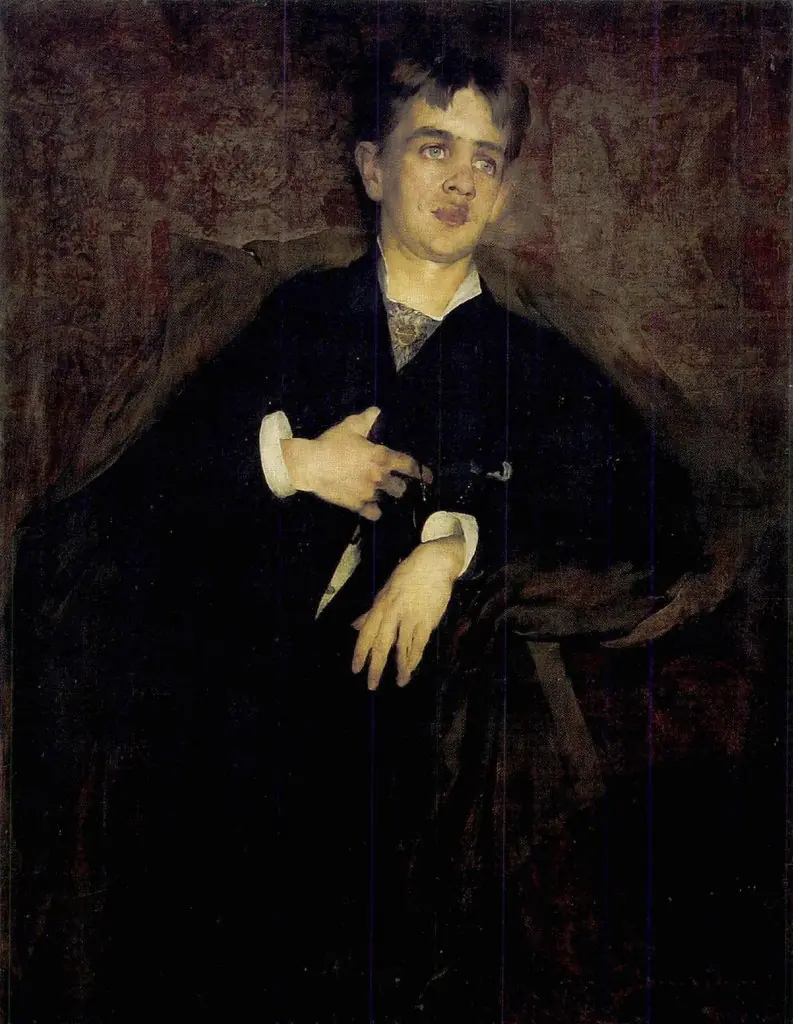
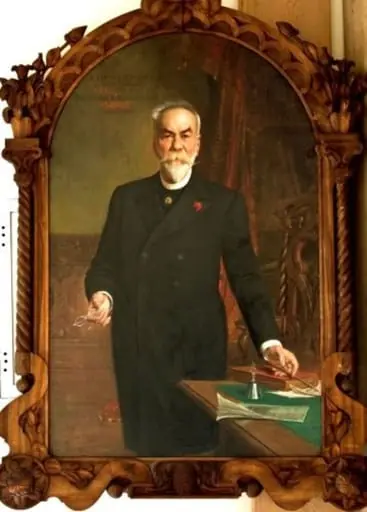
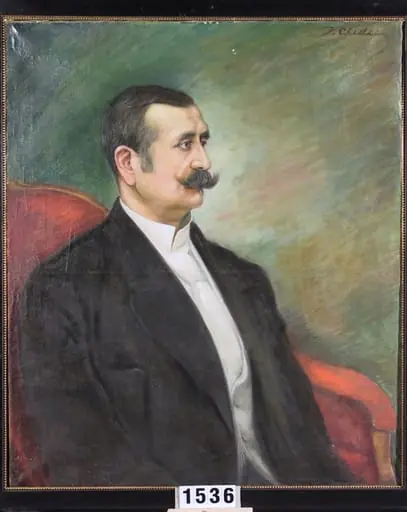
Szentiványi Gyula is an unspecified painting by Jenő Gyárfás. It dates from 1906 and is held in the collection of the Székely National Museum.
About this work
Overview
Szentiványi Gyula is a portrait created in 1906 by Jenő Gyárfás, a Hungarian artist known for his work in portraiture and graphics. The piece is part of the Museum of Ethnography's collection.
Subject & Meaning
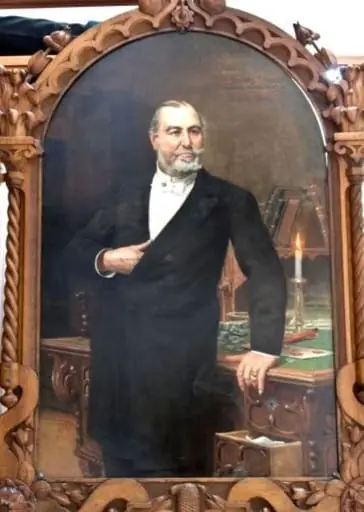
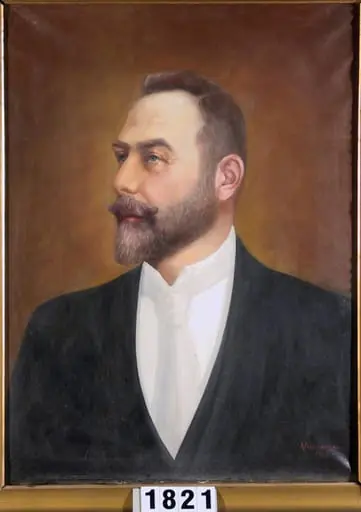
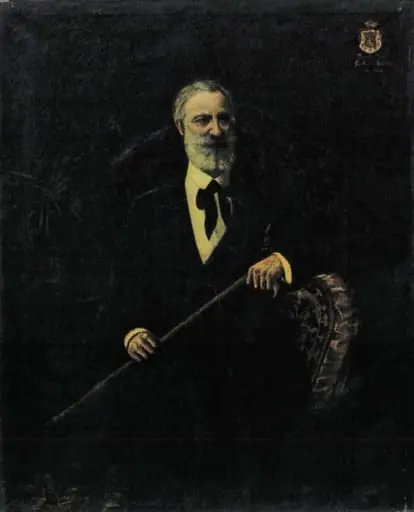
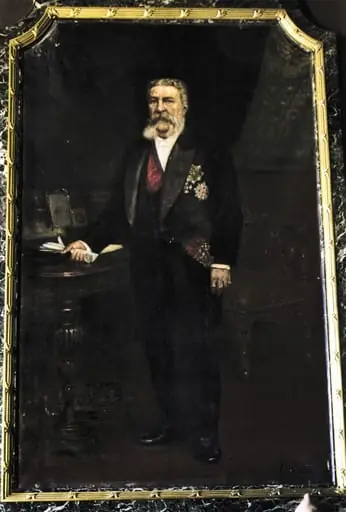
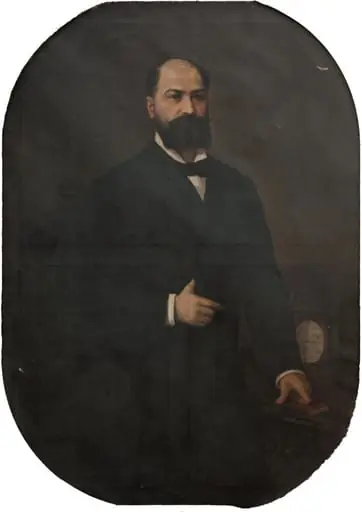
The portrait depicts a man in formal attire, conveying a sense of social status through his black tailcoat, white shirt, black bow tie, and red lapel pin. His poised stance, with one hand in his pocket and the other holding a cane, reinforces an air of dignity.
Technique & Style
Gyárfás employed chiaroscuro, utilizing strong light and dark contrasts to create depth and emphasize the subject's formality. The overall composition is set against a dark background, further highlighting the subject.
History & Provenance
Created in 1906 by Jenő Gyárfás (1857-1925), the painting is now held in the Museum of Ethnography's collection. Originally from Sepsiszentgyörgy (now Sfântu Gheorghe, Romania), Gyárfás's work reflects his Hungarian artistic roots.
Context
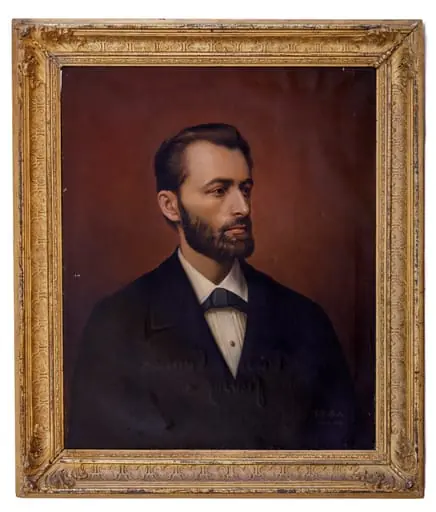
The ornate wooden frame, adorned with carved leaves and twisted columns, complements the subject's formal attire, underscoring the importance of social status representation in early 20th-century Hungarian portraiture.
Legacy
While specific impacts or influences of *Szentiványi Gyula* are not widely documented, it contributes to the broader understanding of early 20th-century Hungarian portraiture and the use of chiaroscuro in capturing social nuances.
Artist & collection
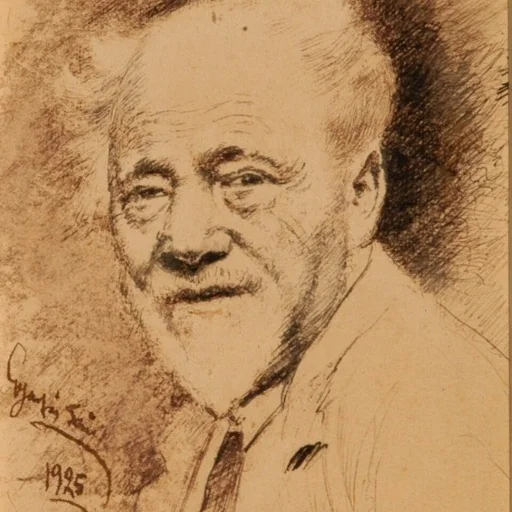
Artist
Jenő Gyárfás (6 April 1857, in Sepsiszentgyörgy – 3 December 1925, in Sepsiszentgyörgy, renamed Sfântu Gheorghe) was a Hungarian portrait painter, graphic artist and writer.