Artwork
Portrait of Arnold Ipolyi
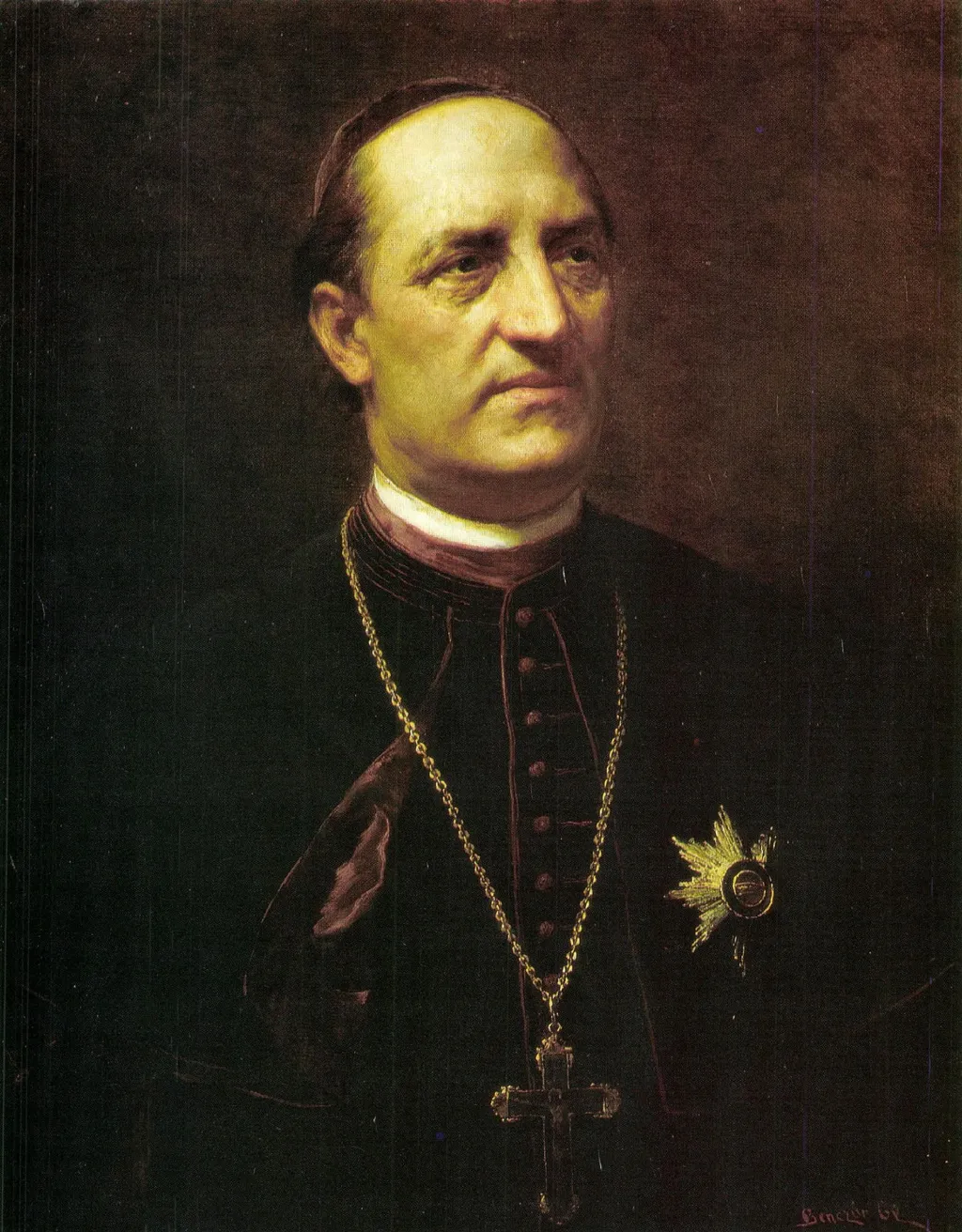
Portrait of Arnold Ipolyi is an oil painting by the Impressionist artist Gyula Benczúr. It dates from 1896 and is held in the collection of the Hungarian National Gallery.
About this work
Overview
It is part of the permanent collection at the Hungarian National Gallery, where it stands as a quiet example of late 19th-century Hungarian portraiture.
Painted in 1896 by Gyula Benczúr, this oil-on-canvas portrait captures Arnold Ipolyi, a Hungarian clergyman and scholar. Executed in a restrained, tonal manner, the work reflects Benczúr’s engagement with both academic tradition and emerging impressionist sensibilities. It is part of the permanent collection at the Hungarian National Gallery, where it stands as a quiet example of late 19th-century Hungarian portraiture.
Subject & Meaning
Arnold Ipolyi, depicted in formal ecclesiastical attire, is shown with a composed, introspective gaze. His dark robe, worn with a cross and a decorative pin, signals his position within the church hierarchy. The absence of contextual elements focuses attention on his demeanor, suggesting a contemplative figure devoted to intellectual and spiritual life. The portrait conveys dignity without embellishment, aligning with the subject’s scholarly reputation.
Technique & Style
Benczúr employs a muted palette dominated by deep browns and blacks, with subtle shifts in tone to model the figure’s form. Brushwork is deliberate yet soft, avoiding sharp definition in favor of atmospheric depth. The dark, flat background isolates the subject, enhancing the sense of solemnity. While rooted in academic portraiture, the handling of light and texture shows an awareness of impressionist approaches to surface and mood.
History & Provenance
The painting was completed in 1896, during Benczúr’s tenure as director of the Hungarian University of Fine Arts. It was likely commissioned to honor Ipolyi’s contributions to religious scholarship and cultural life. The work entered the Hungarian National Gallery’s collection shortly after its creation and has remained there since, preserved as part of the nation’s artistic heritage.
Context
In late 19th-century Hungary, portraiture often served to affirm national identity and institutional authority. Ipolyi, as a theologian and historian, embodied the intellectual elite of the era. Benczúr, though known for grand historical scenes, frequently turned to portraiture to document influential figures. This work reflects a broader cultural project: visually anchoring the nation’s scholarly and religious leadership.
Legacy
Though less celebrated than Benczúr’s large-scale historical paintings, this portrait endures as a refined example of his ability to convey character through restraint. It contributes to the understanding of Hungarian cultural elites during a period of national consolidation. The painting remains a key reference for studies of ecclesiastical representation in Central European art.
Own this work as a print
Artist & collection
Artist
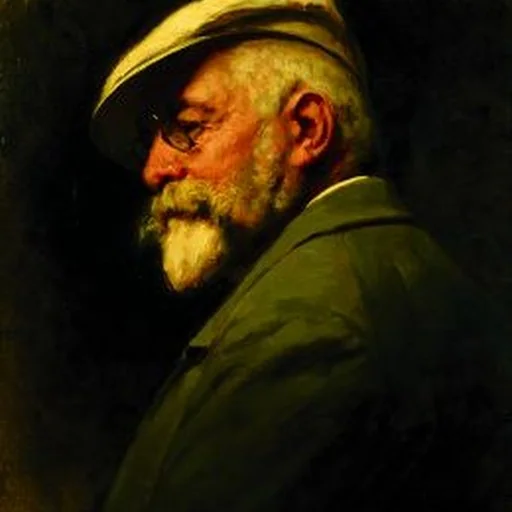
Gyula Benczúr (28 January 1844 – 16 July 1920) was a Hungarian painter and art teacher.

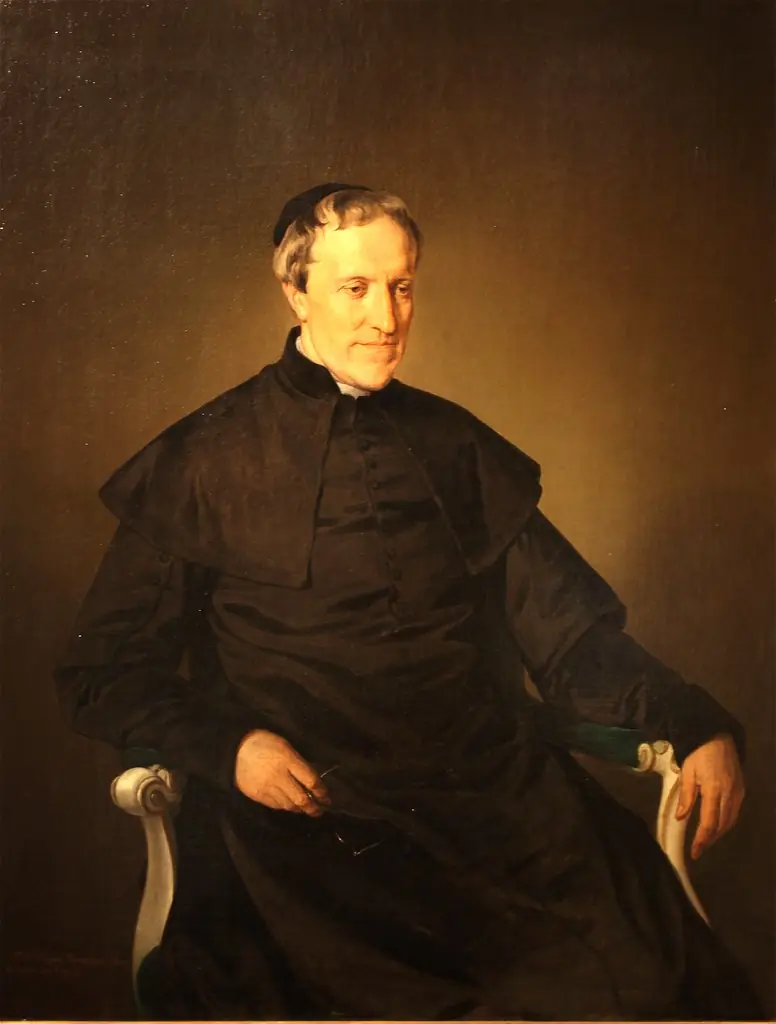 Portrait of Antonio Rosmini
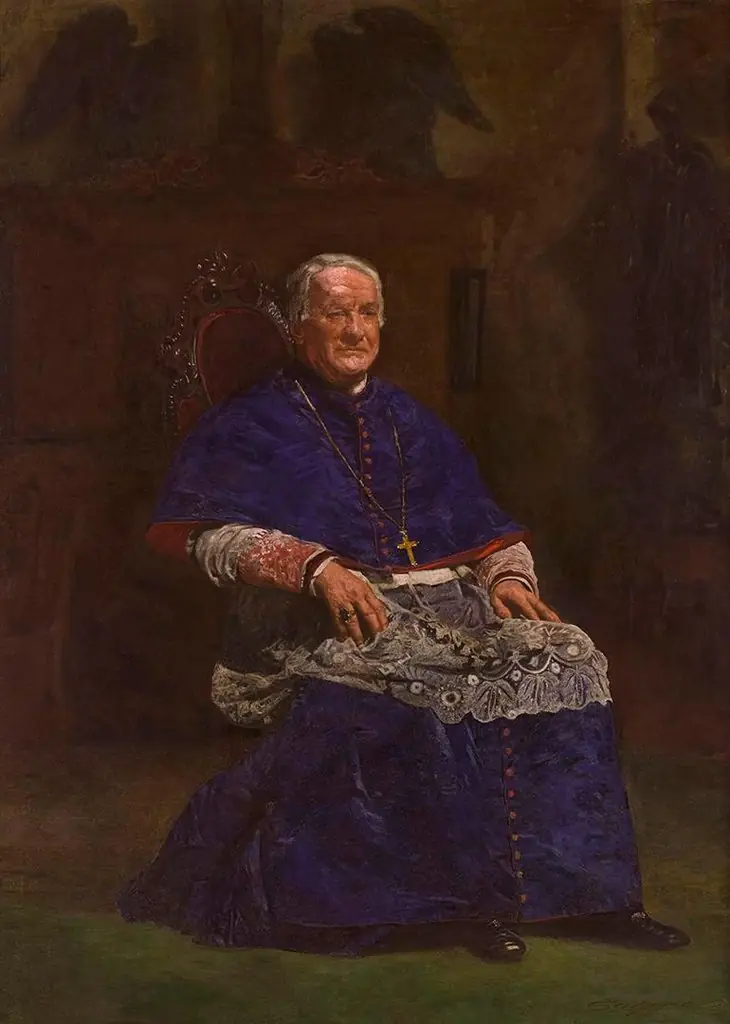 Archbishop James Frederick Wood
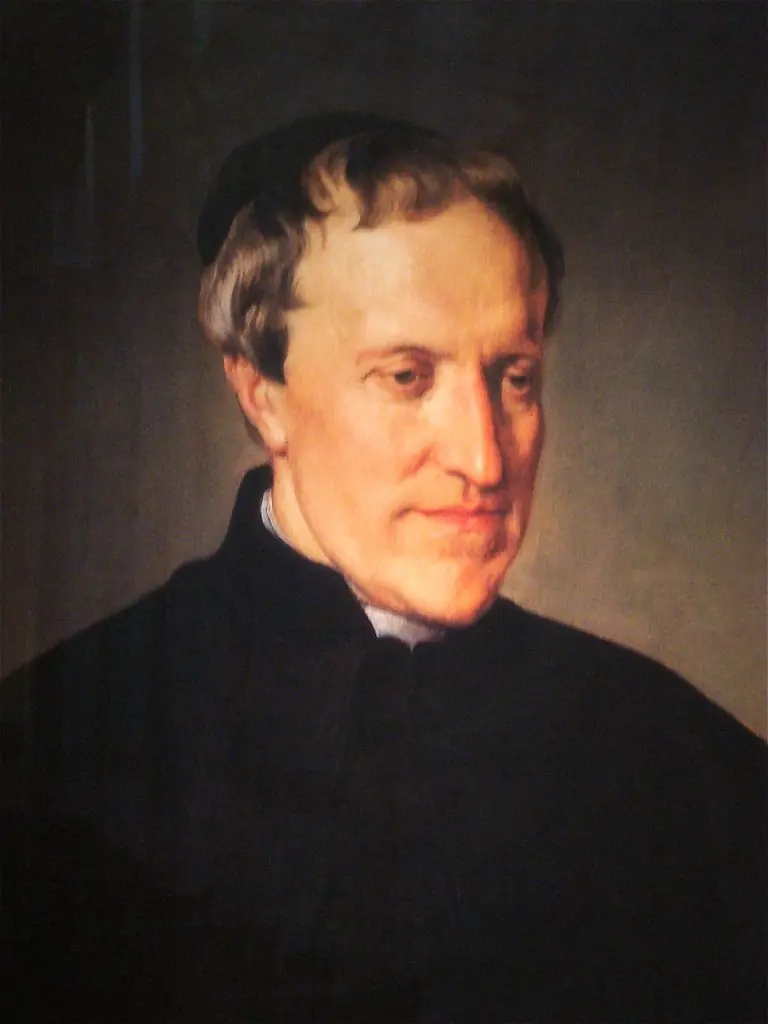 Porträt des Antonio Rosmini (1797-1855)
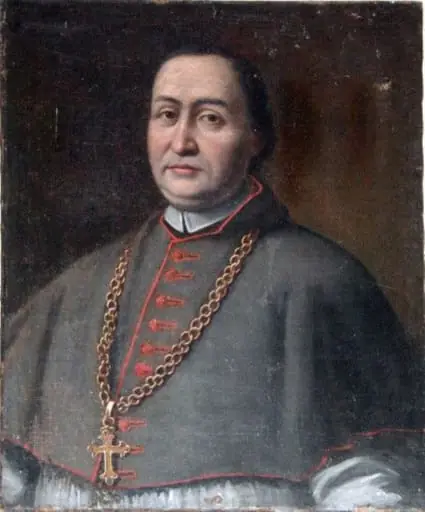 Vicarul apostolic Ștefan Ștefanovici Roska
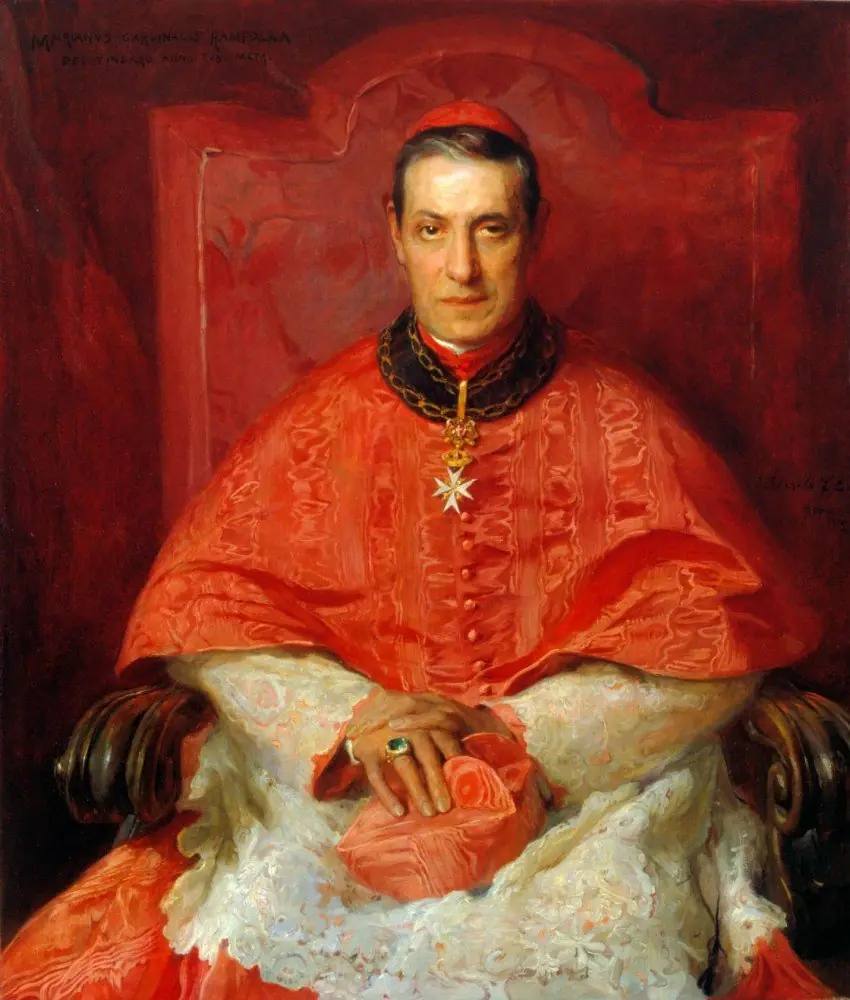 Cardinal Mariano Rampolla
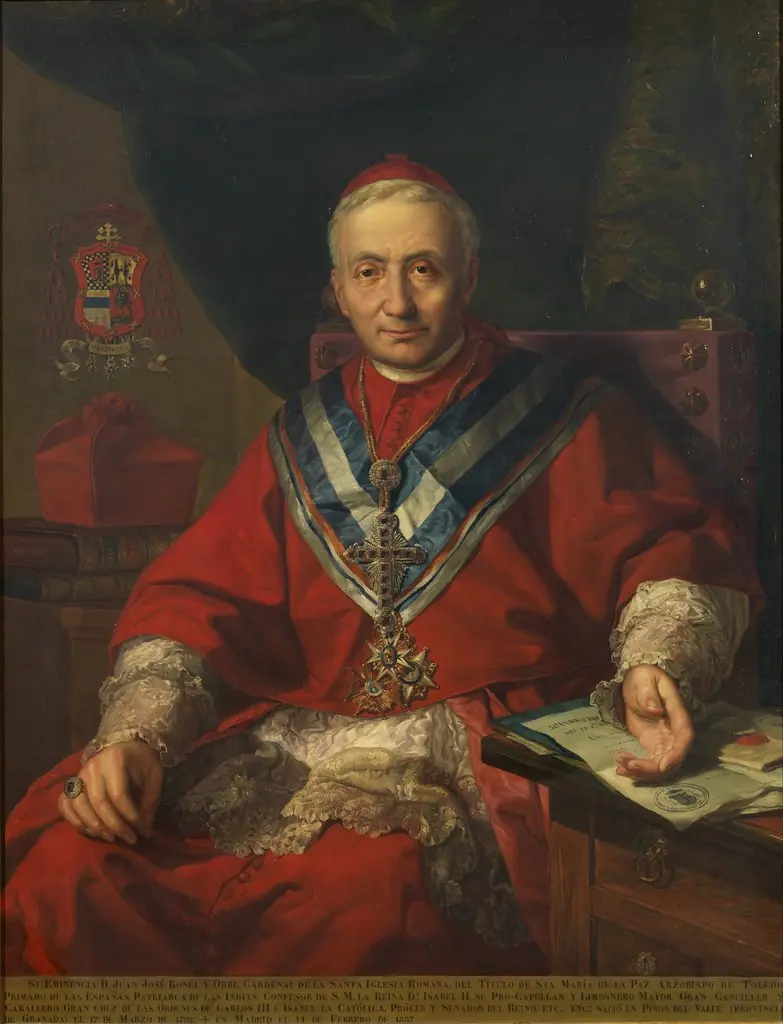 Cardinal Juan José Bonel y Orbe
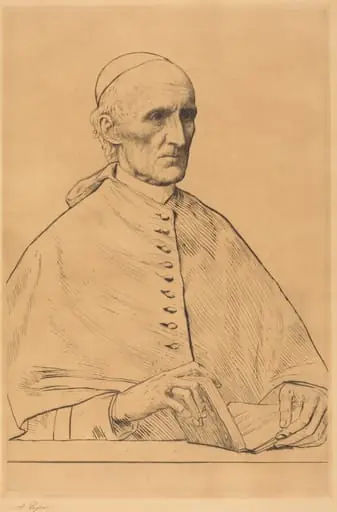 His Eminence Cardinal Manning, 1st plate
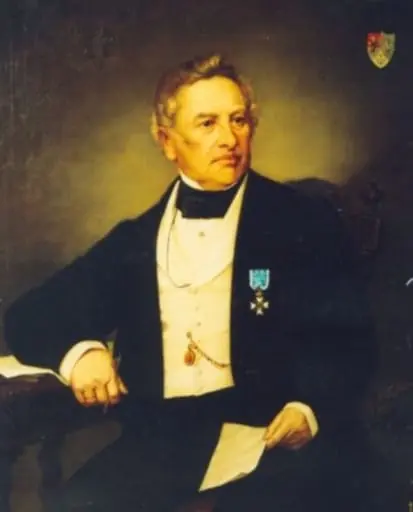 Scarlat Petrovici Armis
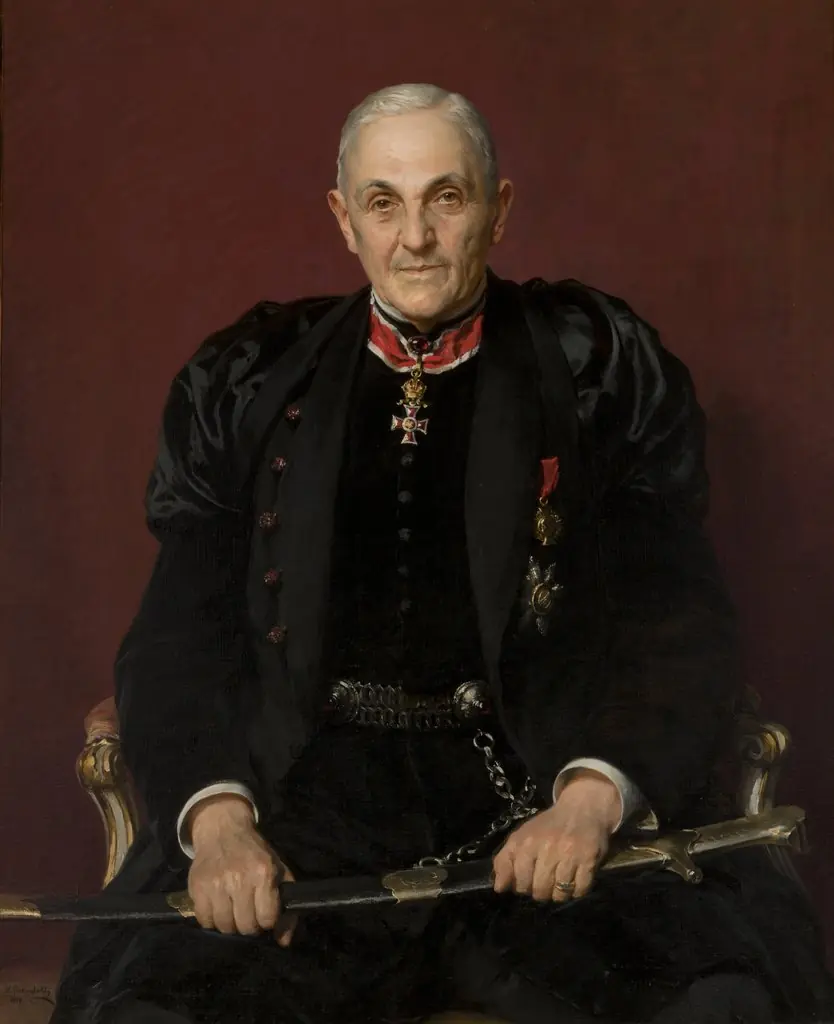 Portrait of Dawid Abrahamowicz
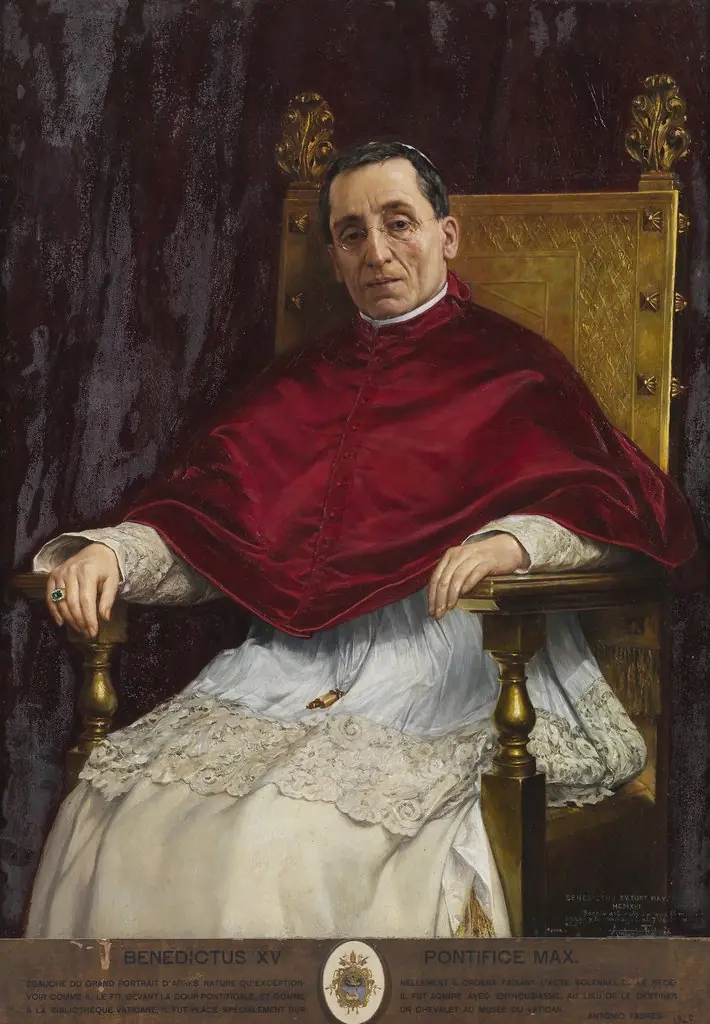 Pope Benedict XV
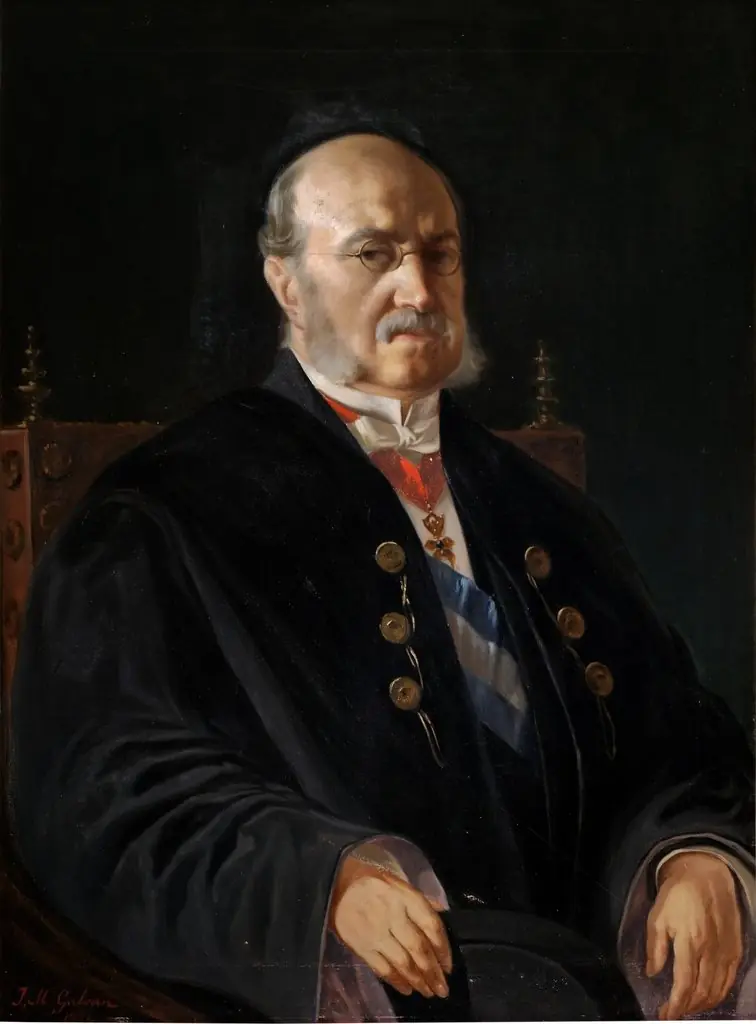 Manuel García Barzanallana I marqués de Barzanallana
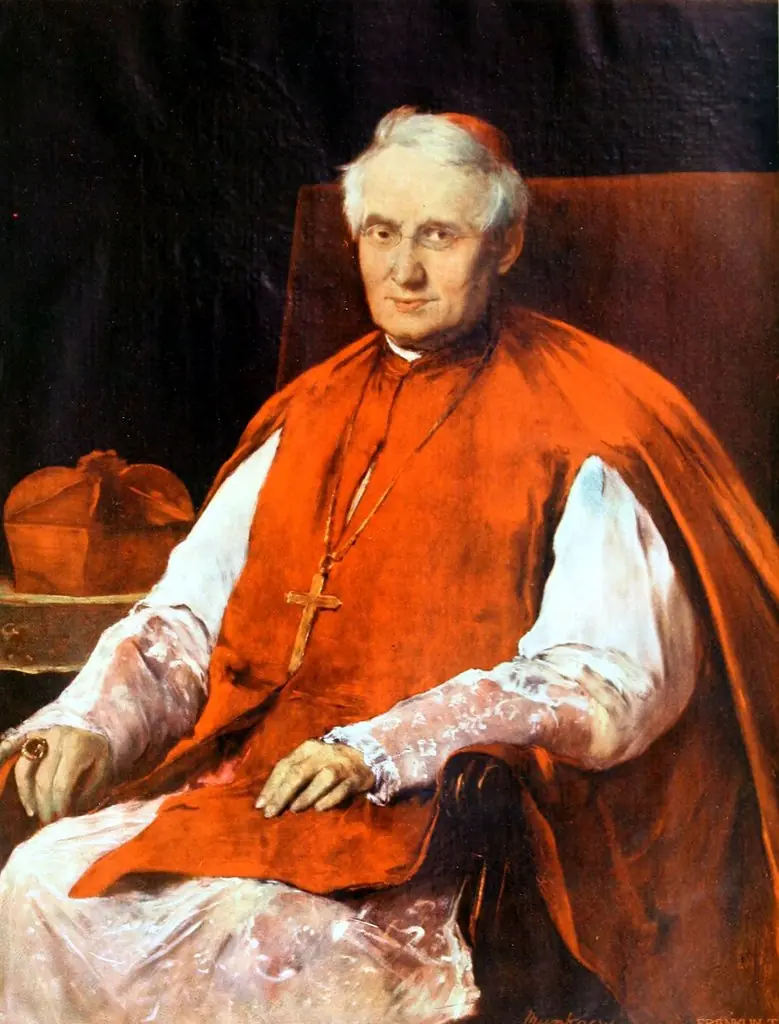 Portrait of Cardinal Lajos Haynald