Artwork
Narcissus
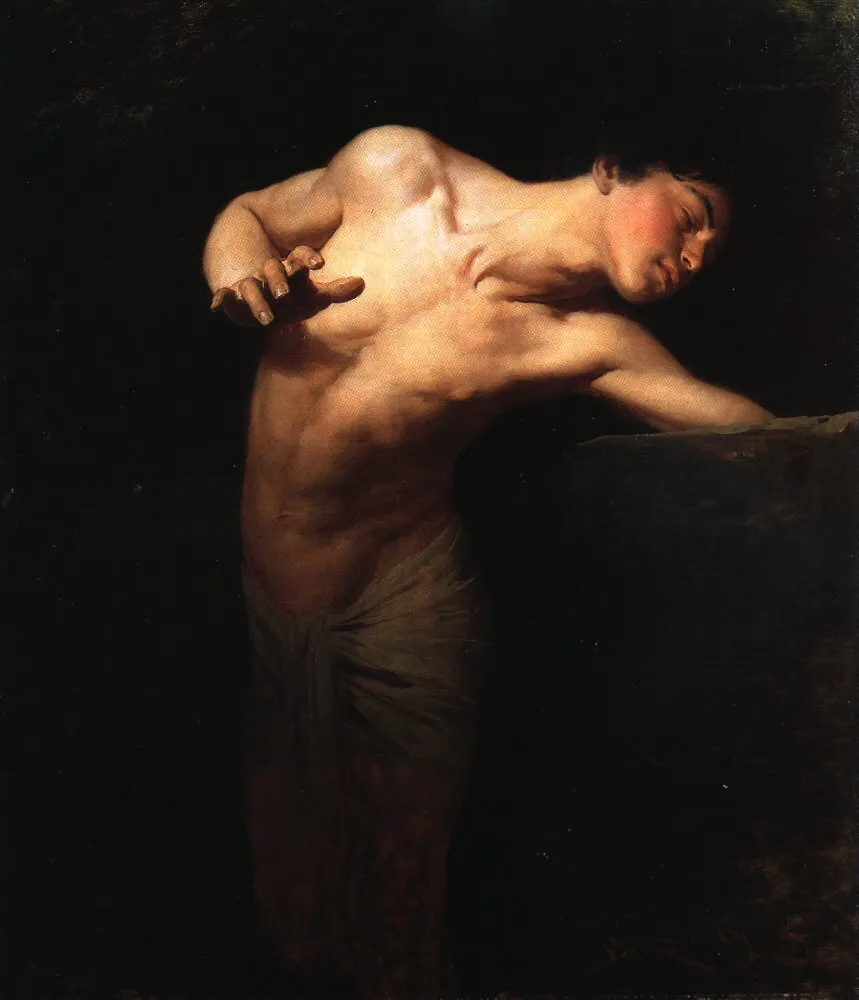
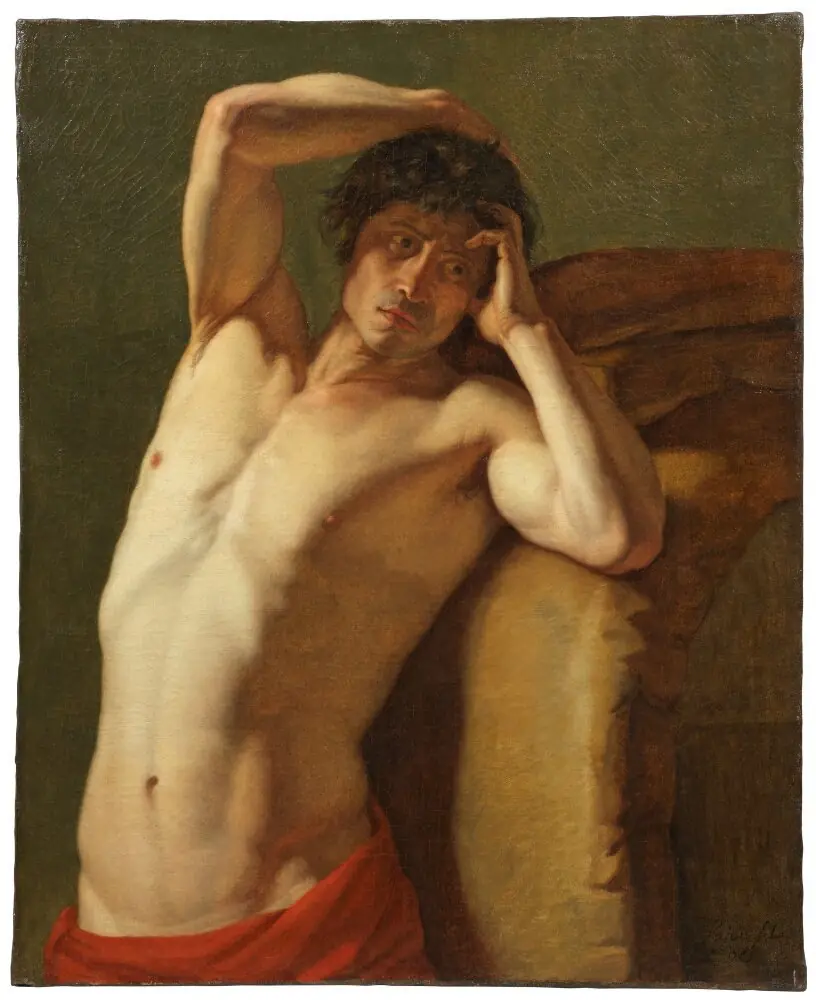
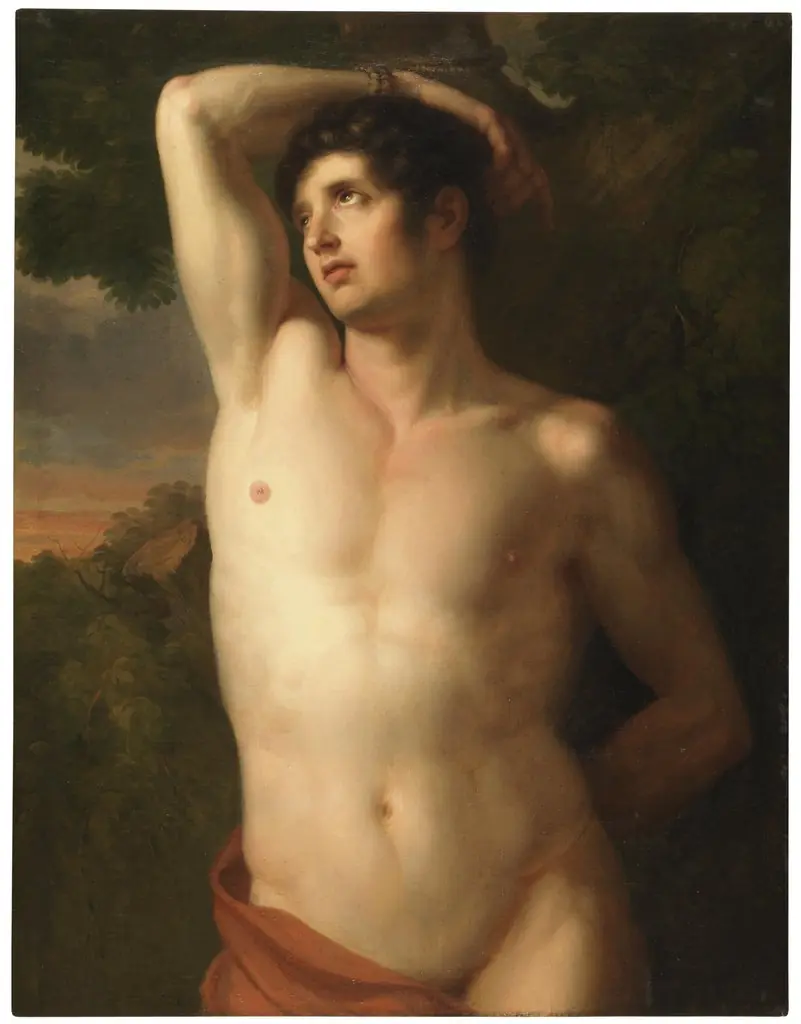
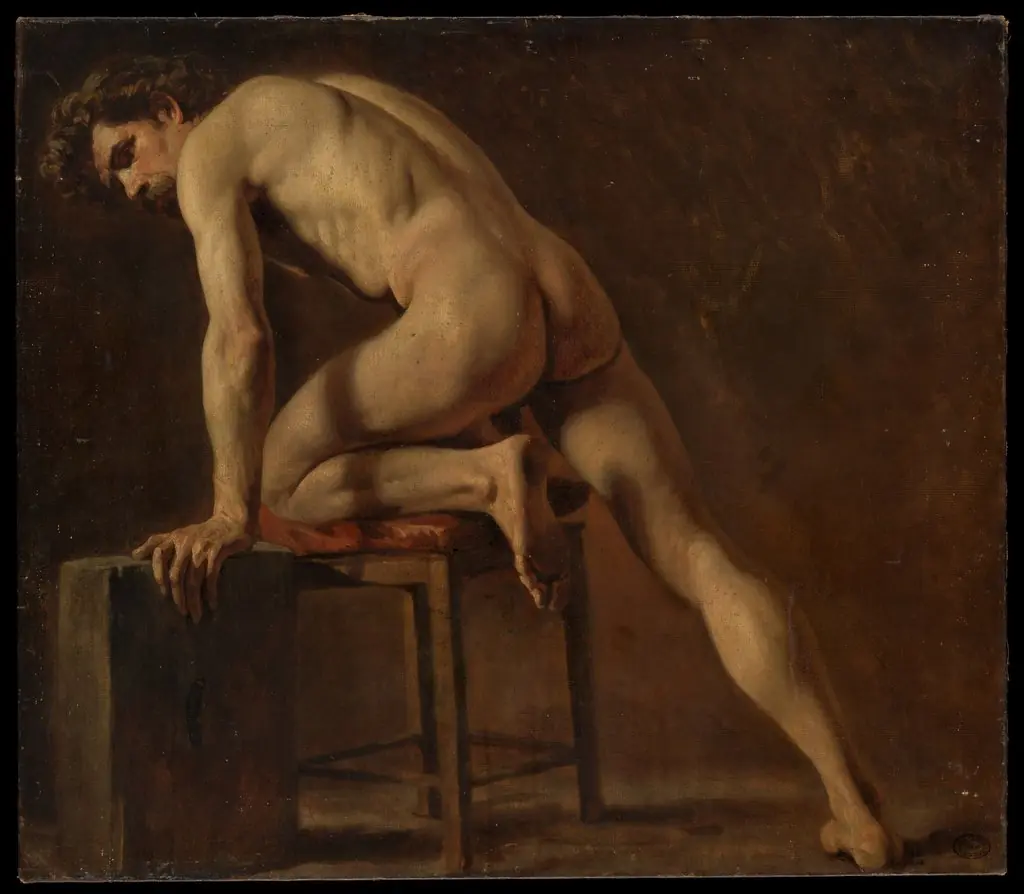
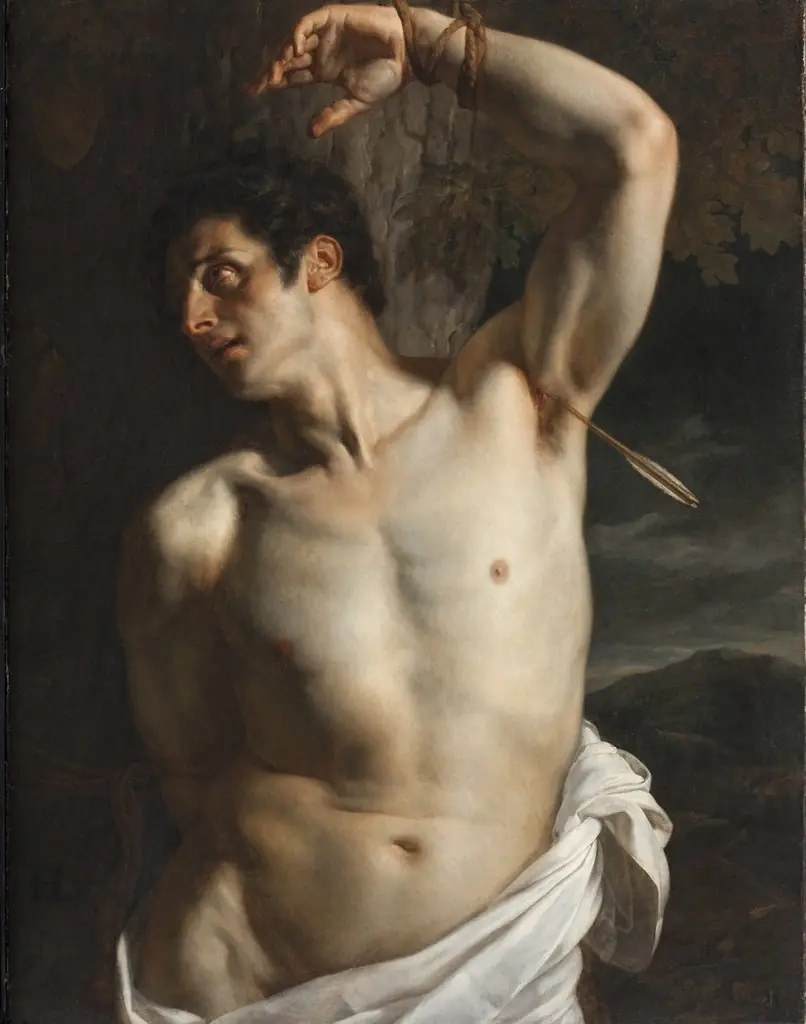
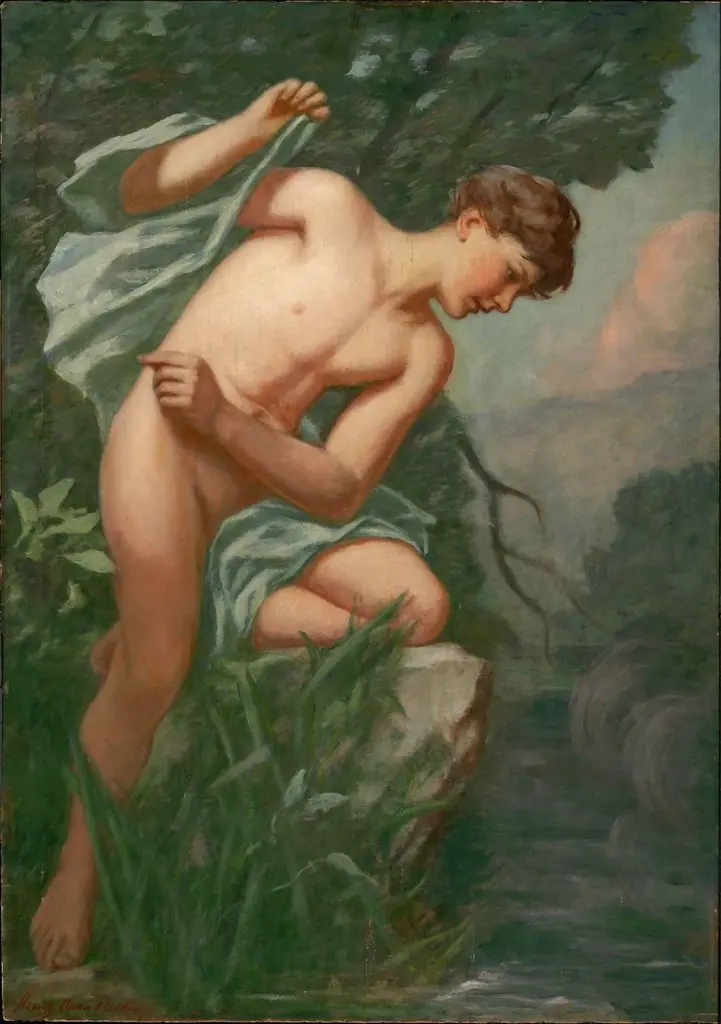
Narcissus is an oil painting by Gyula Benczúr. It dates from 1891 and is held in the collection of the Hungarian National Gallery.
About this work
Overview
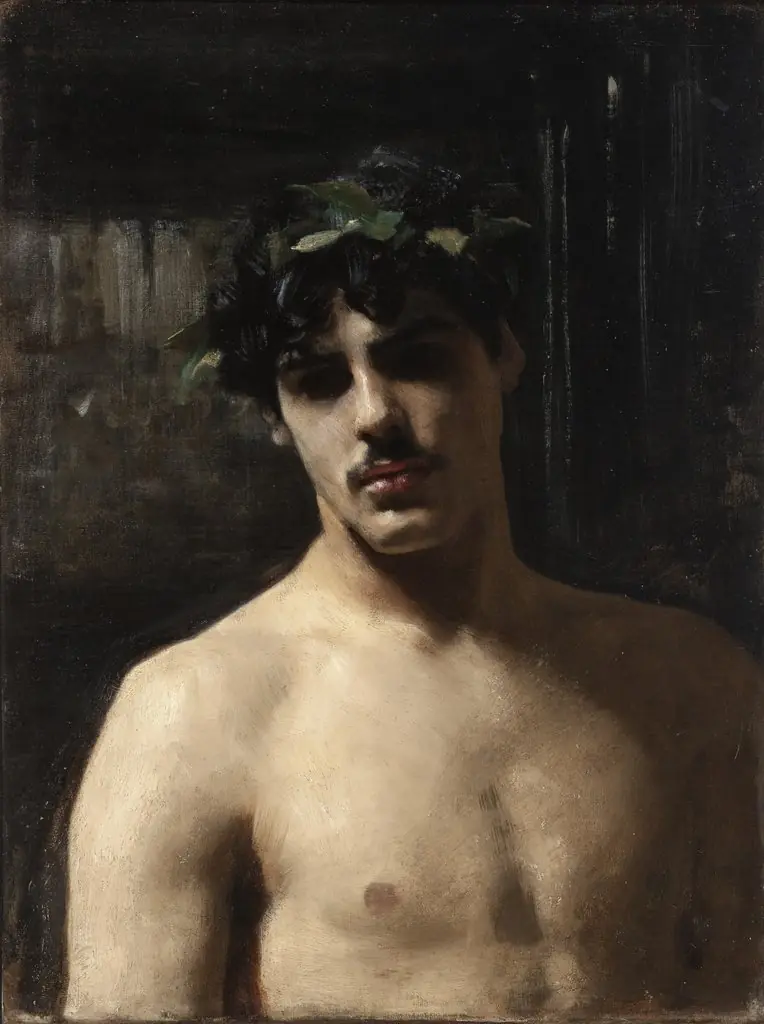
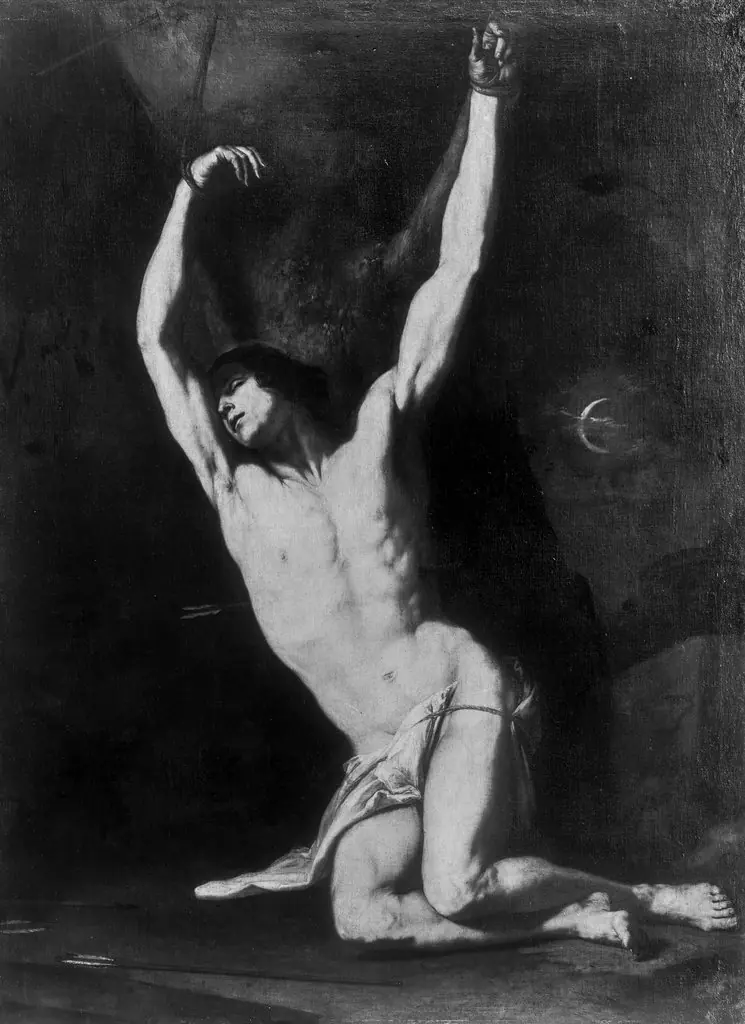
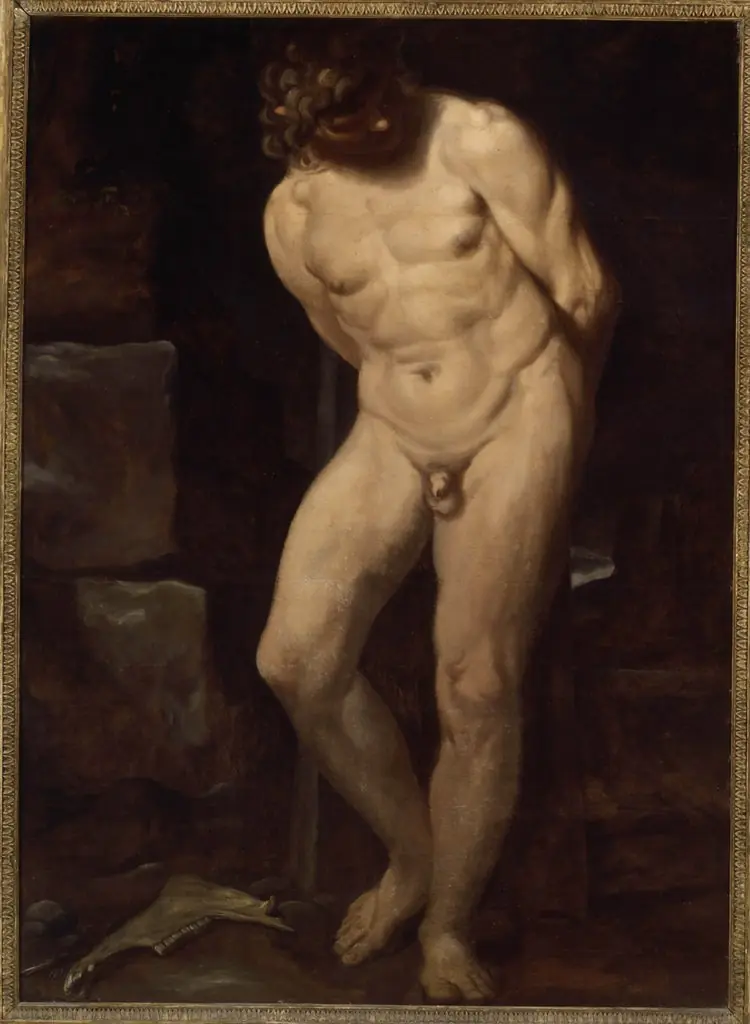
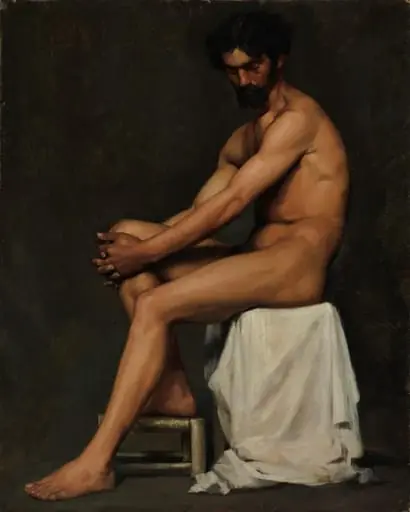
Gyula Benczúr’s 1891 oil painting *Narcissus* presents a solitary male figure in a classical pose, his head tipped back and eyes shut, supported by a stone pedestal. The work belongs to the mythological genre and is part of the collection of the Hungarian National Gallery, exemplifying Benczúr’s academic approach to historic subjects.
Subject & Meaning
The composition depicts the legendary youth Narcissus at the moment of self‑absorption, his gaze turned inward as he contemplates his own reflection. By isolating the figure and stripping away narrative accessories, Benczúr emphasizes the psychological tension inherent in the myth, inviting contemplation of vanity and self‑perception.
Technique & Style
Executed in oil, the painting relies on a strong chiaroscuro scheme that models the nude form through contrasting light and shadow. The illuminated torso emerges from a darker background, creating a three‑dimensional effect and heightening the dramatic mood typical of Benczúr’s precise, academic technique.
History & Provenance
Created during the late nineteenth‑century historicist period, *Narcissus* reflects Benczúr’s reputation as a leading Hungarian painter of historical and mythological subjects. After its completion, the work entered the holdings of the Hungarian National Gallery, where it remains on display as part of the museum’s representation of national academic art.
Artist & collection
Artist
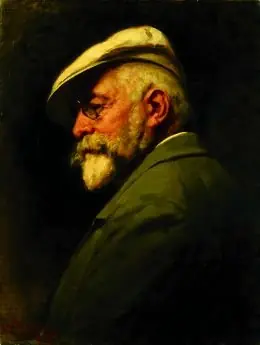
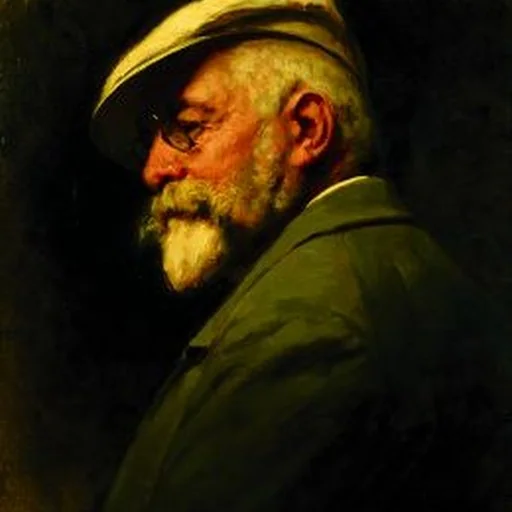
Gyula Benczúr (28 January 1844 – 16 July 1920) was a Hungarian painter and art teacher.