Artwork
Cardinal Mariano Rampolla
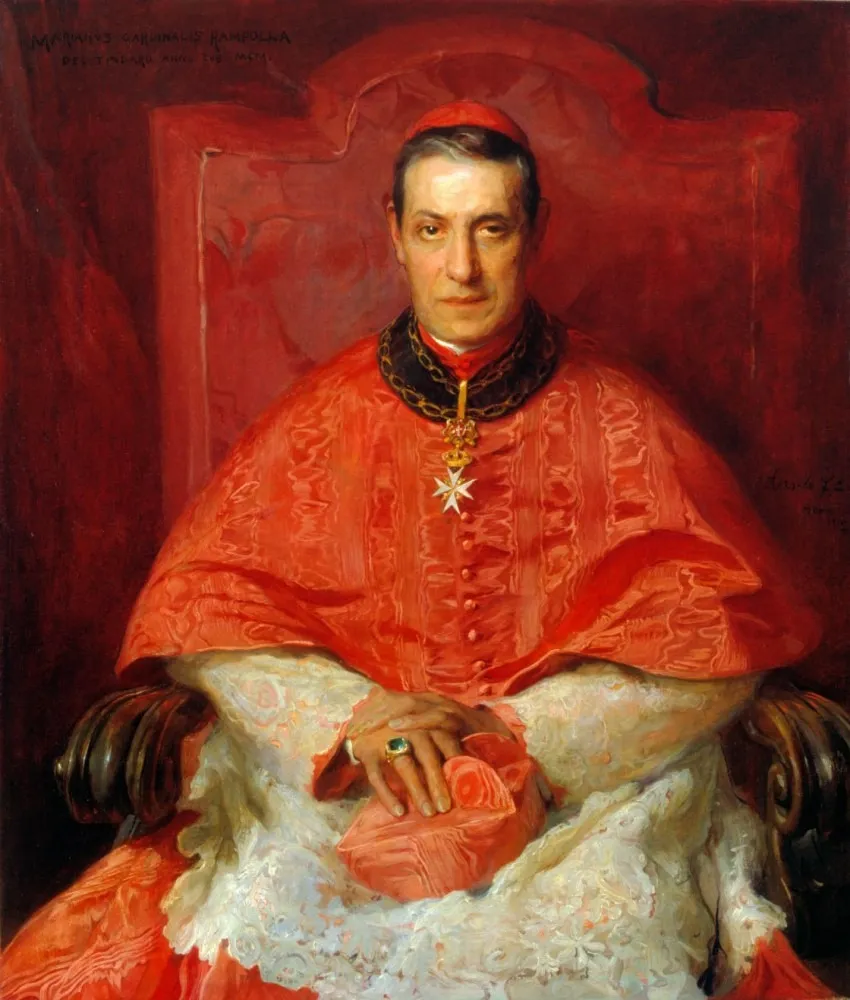
Cardinal Mariano Rampolla is an oil painting by the Impressionist artist Philip de László. It dates from 1900 and is held in the collection of the Hungarian National Gallery.
About this work
Overview
De László, born in Hungary and later naturalized as a British subject, was known for his precise, formal portraiture of European elites.
Painted in 1900 by Philip de László, this oil portrait depicts Cardinal Mariano Rampolla, a senior figure in the Catholic Church. The work is part of the Hungarian National Gallery’s collection. De László, born in Hungary and later naturalized as a British subject, was known for his precise, formal portraiture of European elites. Though sometimes associated with Impressionist techniques, his style here leans toward academic realism with refined detail.
Subject & Meaning
Cardinal Rampolla served as Secretary of State under Pope Leo XIII and was a key figure in Vatican diplomacy. The portrait captures him in full ceremonial regalia: a red cassock with lace trim, a red zucchetto, and a gold pectoral cross. His clasped hands and solemn expression convey authority and restraint, reflecting his ecclesiastical role rather than personal emotion. The composition emphasizes dignity and institutional presence.
Technique & Style
De László employed fine brushwork to render the textures of silk, lace, and metal with precision. The deep red background isolates the figure, enhancing the richness of the cardinal’s garments. Light falls subtly across the face and hands, modeling form without dramatic contrast. The palette is restrained, dominated by crimson, gold, and dark wood, reinforcing the painting’s formal tone and avoiding decorative excess.
History & Provenance
Commissioned during Rampolla’s lifetime, the portrait entered the Hungarian National Gallery’s collection in the early 20th century. De László, who maintained studios across Europe, often painted church dignitaries alongside royalty. The work’s provenance aligns with his broader practice of documenting influential figures through commissioned portraits, many of which remain in public collections today.
Context
In 1900, Rampolla was a central figure in Vatican politics, having been a leading candidate in the papal conclave of 1903. His portrait reflects the enduring tradition of ecclesiastical portraiture as a tool of institutional identity. De László’s approach, while modern in its attention to psychological presence, adheres to the conventions of formal portraiture established in the 18th and 19th centuries.
Legacy
The portrait remains a representative example of de László’s ability to merge aristocratic elegance with psychological gravity. Though not widely exhibited outside Hungary, it contributes to the understanding of how religious authority was visually articulated in the early 20th century. His technique influenced later portraitists, particularly in the tradition of diplomatic and ecclesiastical representation.
Artist & collection
Artist
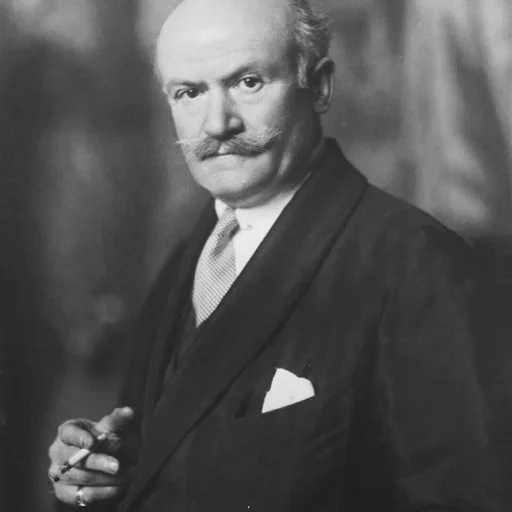
Philip Alexius László de Lombos (born Fülöp Laub; Hungarian: László Fülöp Elek; 30 April 1869 – 22 November 1937), known professionally as Philip de László, was an Anglo-Hungarian painter known particularly for his…

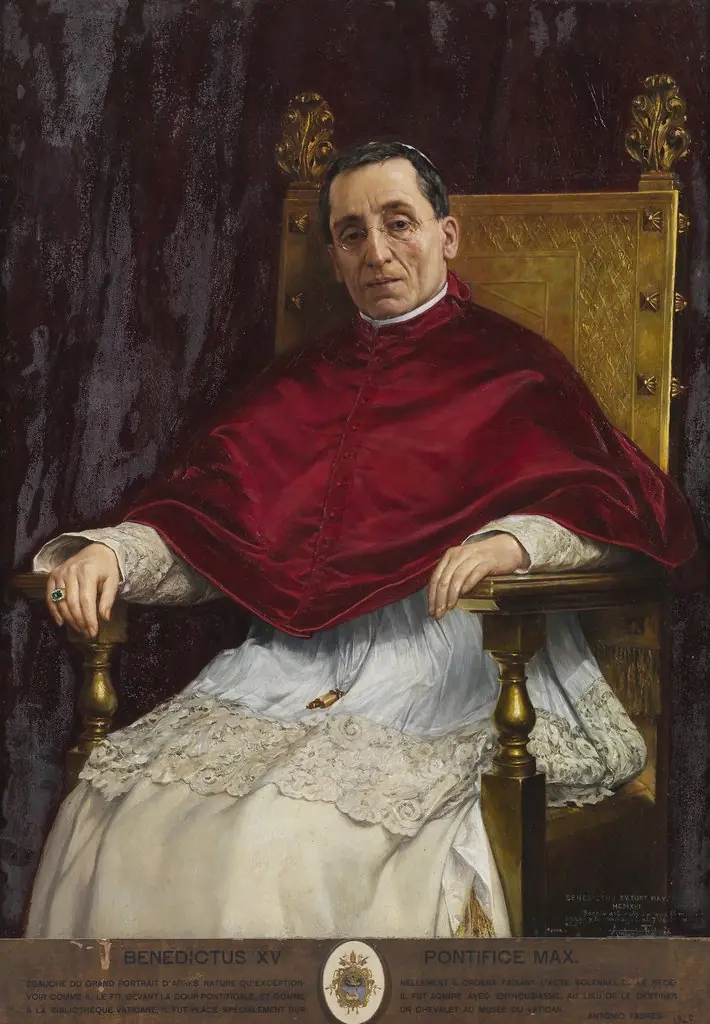 Pope Benedict XV
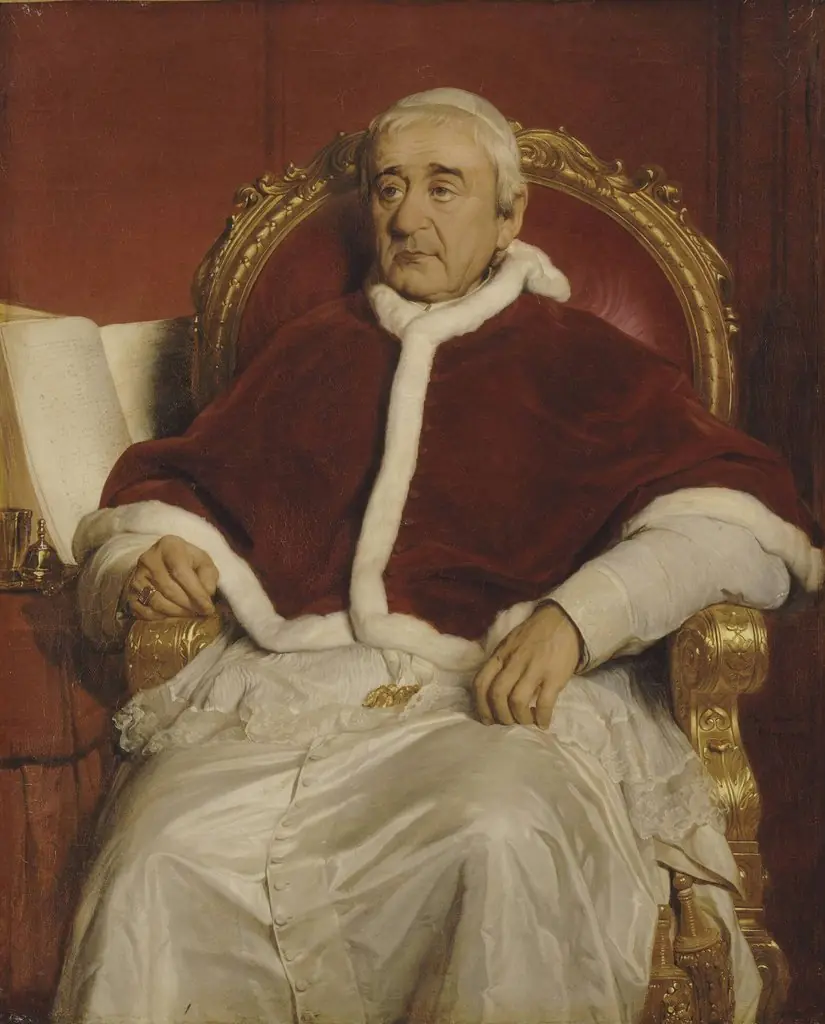 Gregory XVI, Pope (1765-1846)
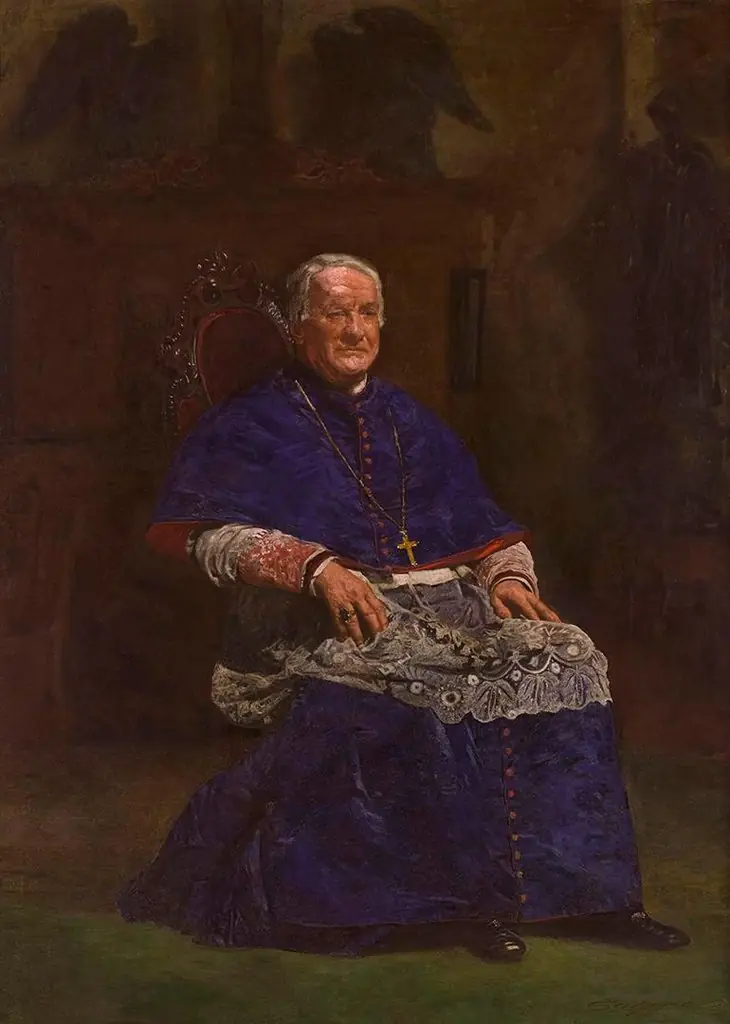 Archbishop James Frederick Wood
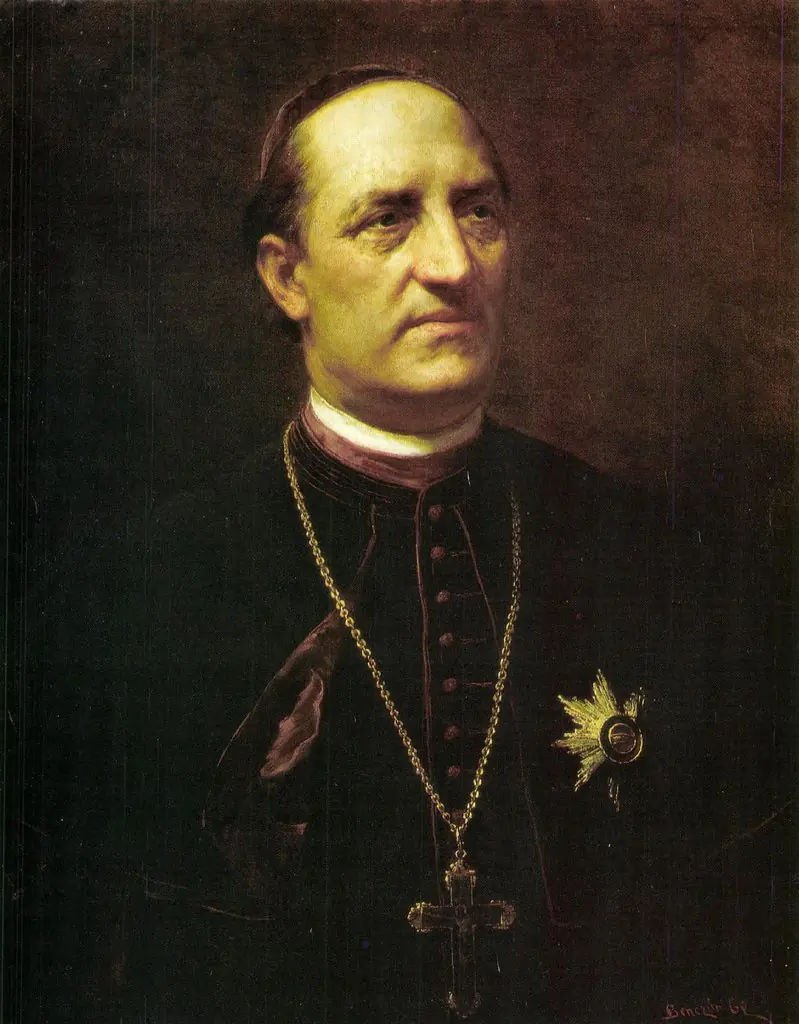 Portrait of Arnold Ipolyi
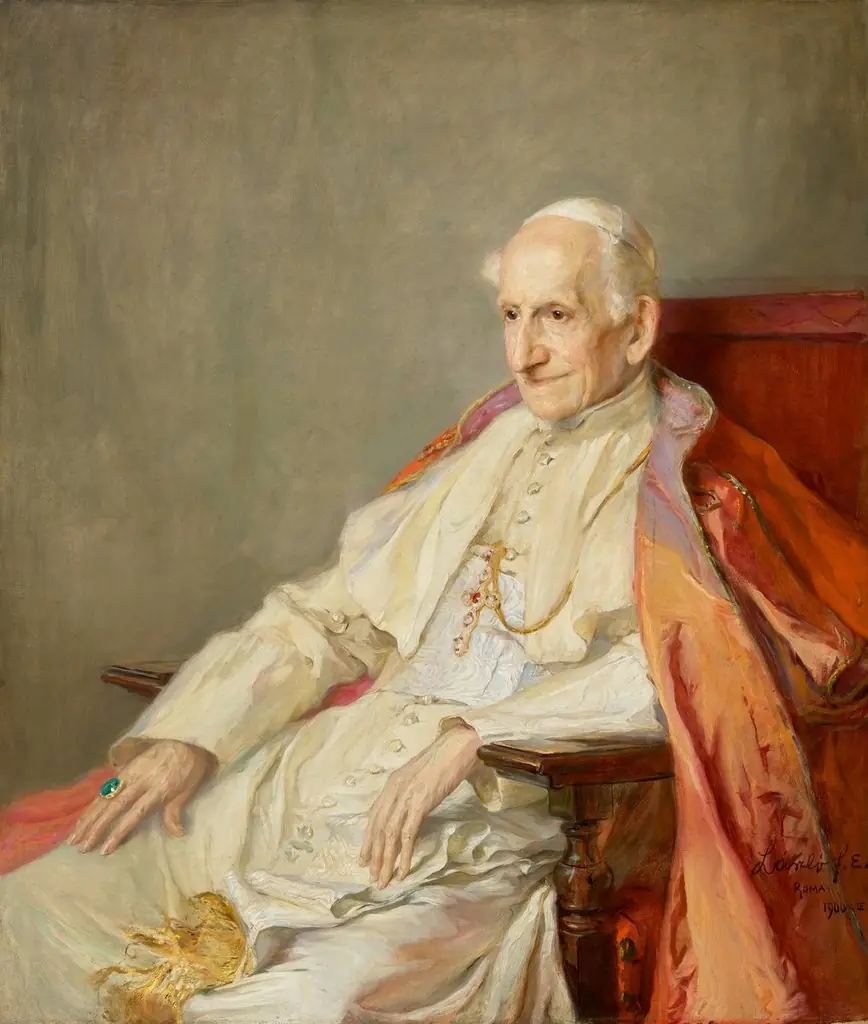 His Holiness Pope Leo XIII
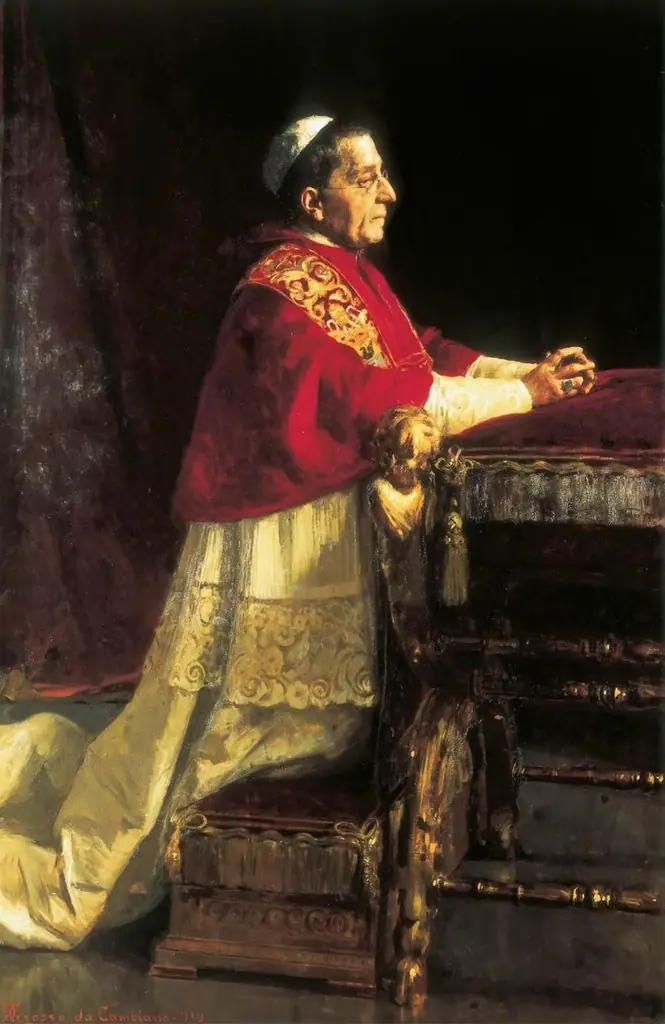 Portrait of Benedict XV praying at the faldstool
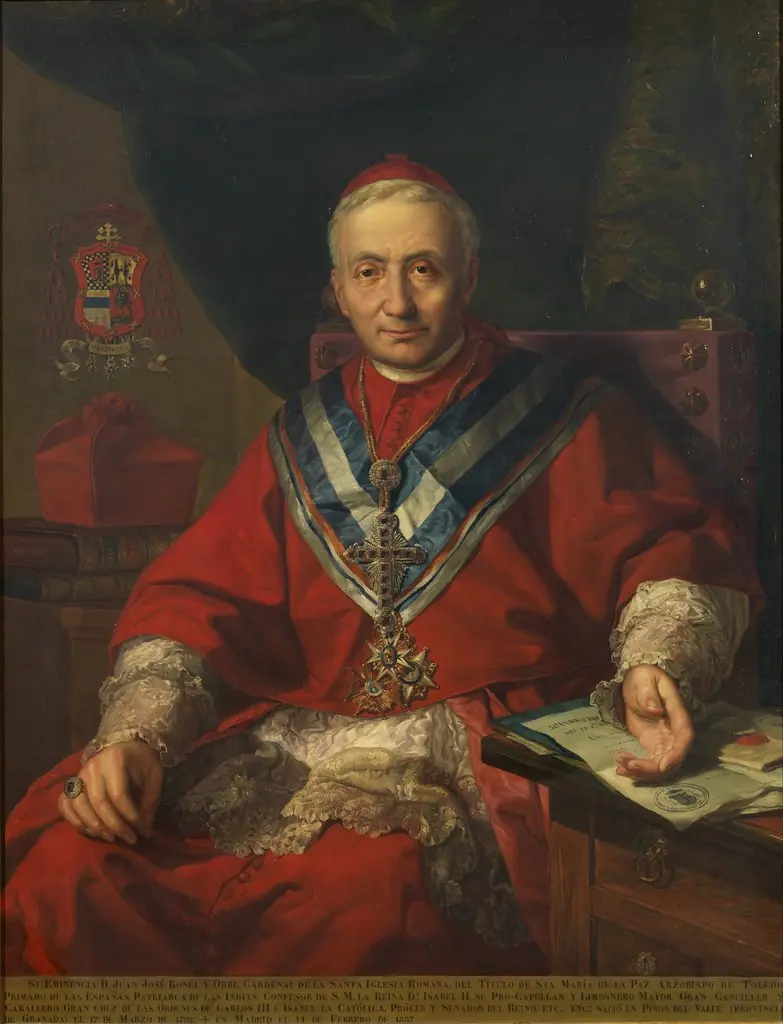 Cardinal Juan José Bonel y Orbe
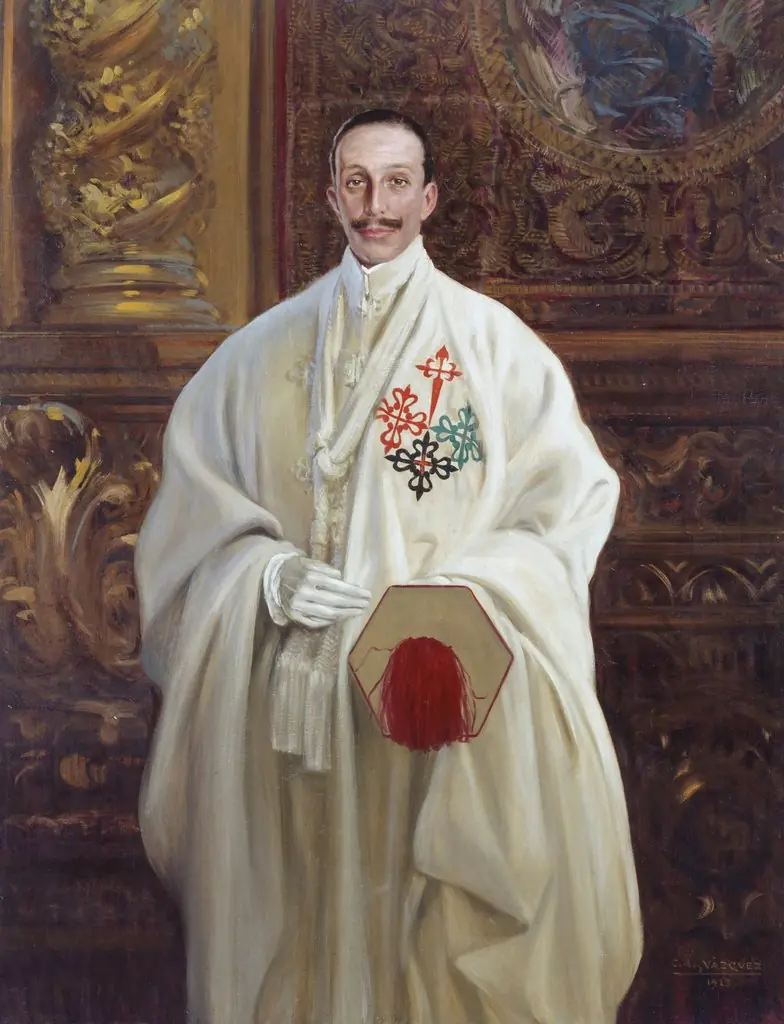 Alfonso XIII con hábito de maestre de las órdenes militares
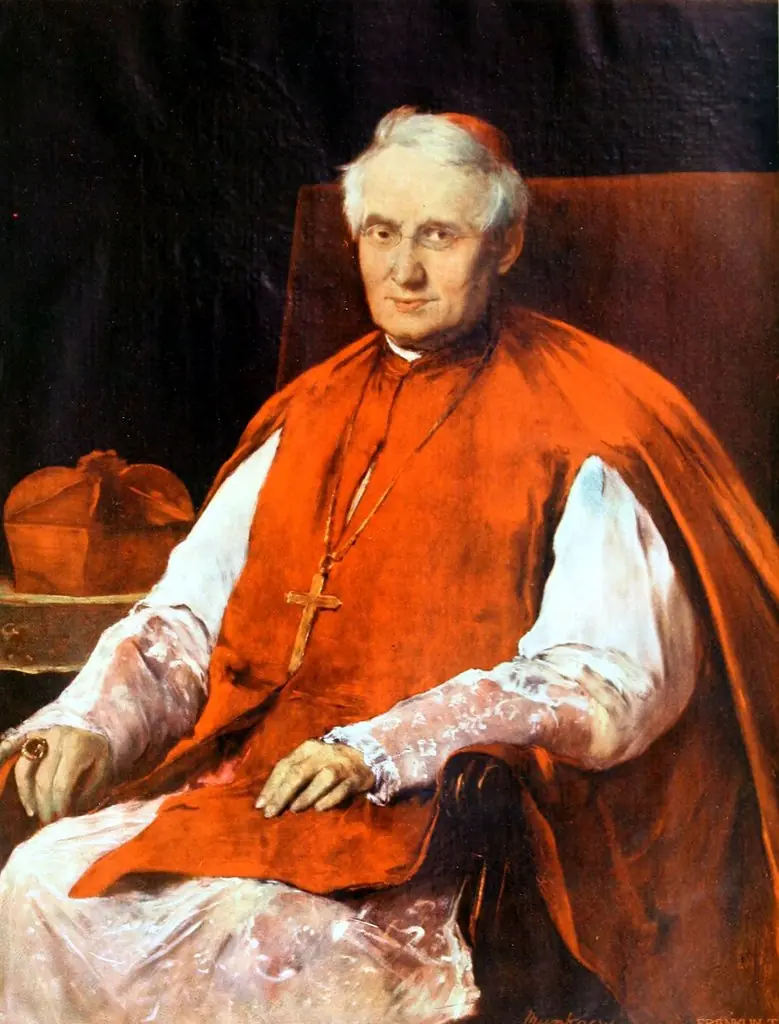 Portrait of Cardinal Lajos Haynald
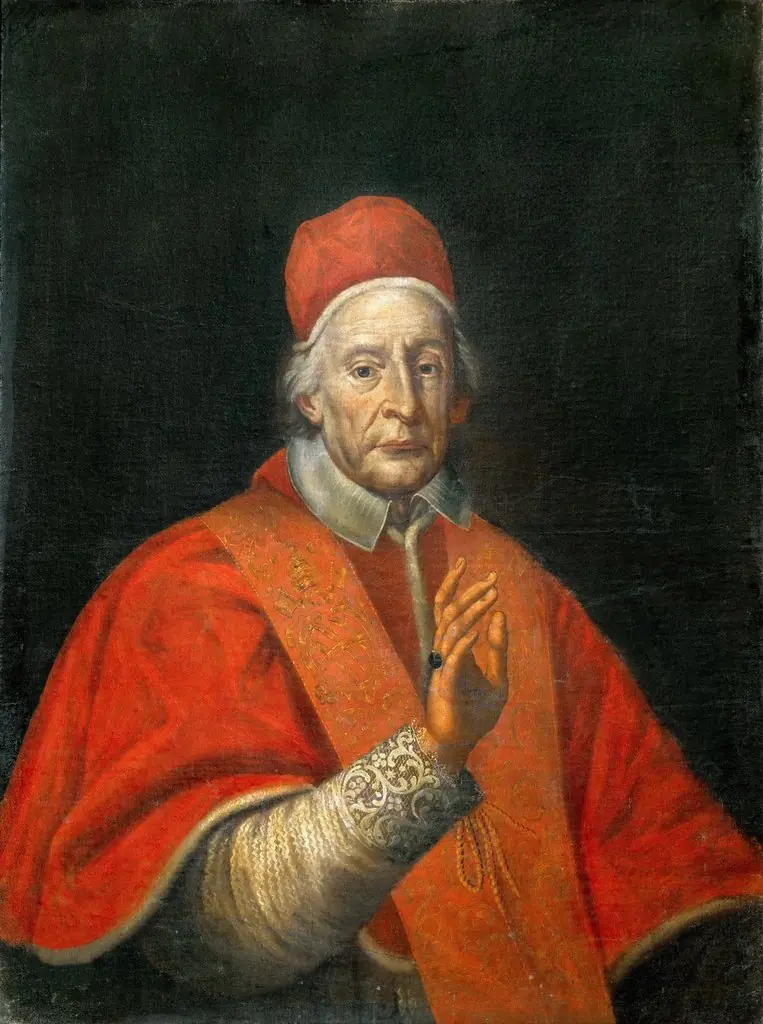 Portrait of Clement XII
 Portrait of the Cardinal Lavigerie
 A Cardinal