Artwork
Înpărțirea pâinii
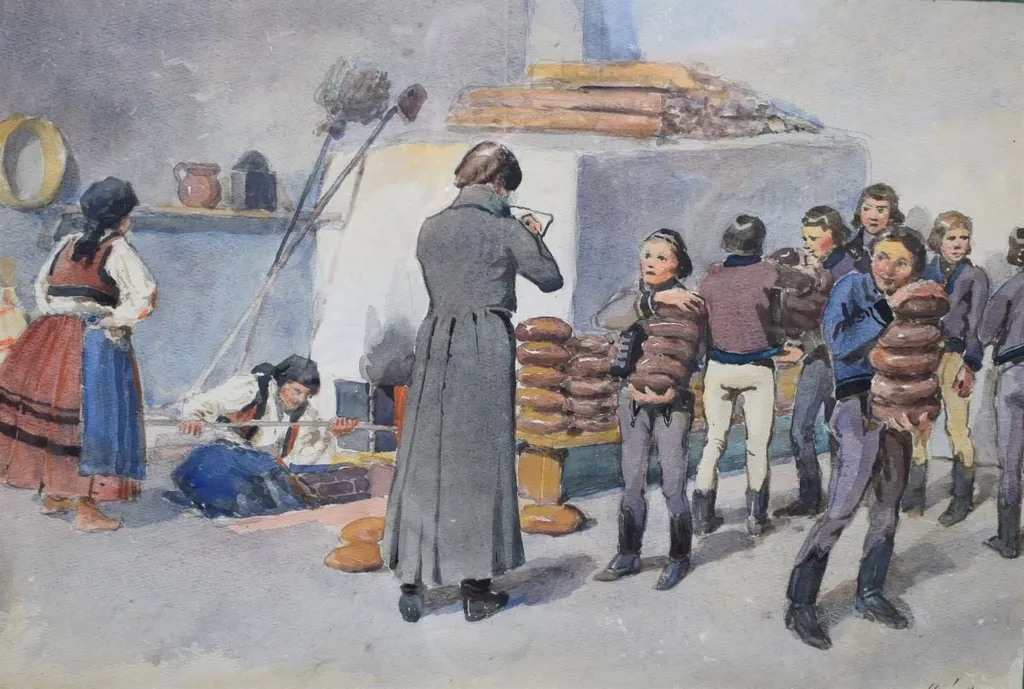
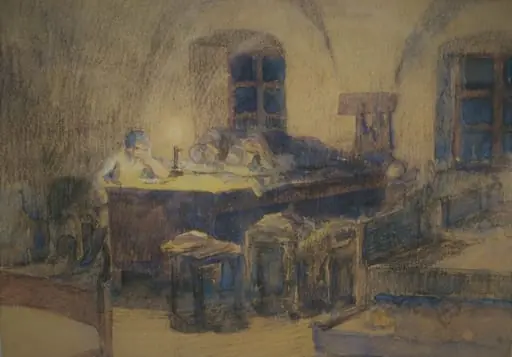
Înpărțirea pâinii is a print by Rezső Haáz. It is held in the collection of the Haáz Rezső Museum. The painting depicts a quiet interior scene in which a group of individuals gathers around a table, engaged in the act of dividing bread.
About this work
Overview
The painting depicts a quiet interior scene in which a group of individuals gathers around a table, engaged in the act of dividing bread.
The painting depicts a quiet interior scene in which a group of individuals gathers around a table, engaged in the act of dividing bread. A central figure in a long coat presides over the moment, his posture suggesting ritual or leadership. The room, with its high ceiling and large window, frames the group in subdued natural light, enhancing the sense of stillness and shared purpose among the figures.
Subject & Meaning
The act of dividing bread implies a communal ritual, possibly religious or domestic, emphasizing unity and shared sustenance. The figures, dressed in traditional attire, reflect a rural or provincial setting where such customs held social weight. The central man’s role as distributor suggests authority or spiritual leadership, while the attentive gazes of others convey reverence and collective participation.
Technique & Style
The artist employs a restrained palette and soft modeling to evoke intimacy and calm. Light filters through the window, casting gentle shadows that define forms without dramatic contrast. Brushwork is precise yet unobtrusive, favoring clarity over flourish. The composition centers the figures around the table, guiding the viewer’s eye to the bread as the focal point of the scene.
History & Provenance
The work is attributed to Rezső Haáz, a Hungarian painter active in the late 19th and early 20th centuries. While specific details of its commission or early ownership are not widely documented, it aligns with Haáz’s interest in depicting everyday life in Transylvanian communities. The painting likely emerged from his broader series of genre scenes rooted in regional traditions.
Context
Created during a period of rising national consciousness in Hungary, the painting reflects a cultural interest in preserving rural customs amid modernization. Haáz’s focus on modest, communal rituals resonated with broader artistic movements that sought to document authentic folk life, distinguishing his work from urban or aristocratic subjects favored by contemporaries.
Legacy
Though not widely exhibited outside regional collections, the painting remains a representative example of Haáz’s commitment to documenting everyday Hungarian life. It contributes to a modest but significant body of work that preserves the visual language of provincial rituals, offering insight into social cohesion in pre-industrial communities.
Artist & collection
Artist
Rezső Haáz made paintings and prints that look at everyday life around schools and villages.
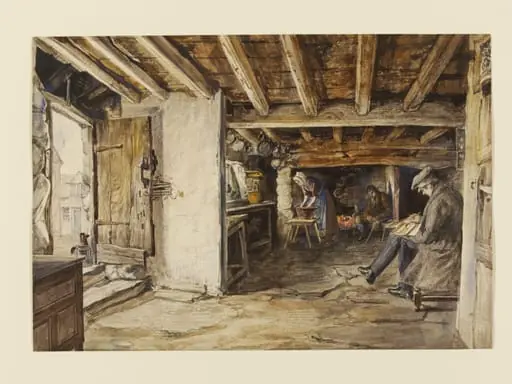 Interior of a cottage, North Wales
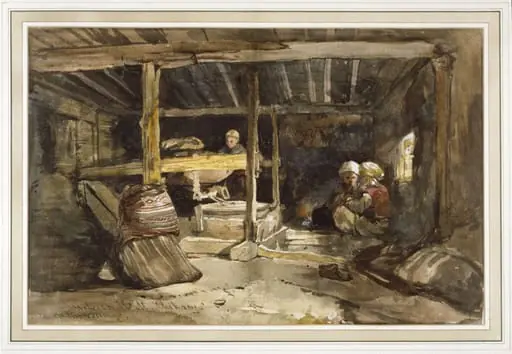 A Turkish Mill, Chikoey, or River Village
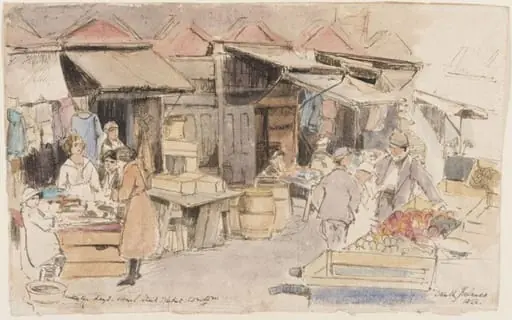 Winter days, Hessel Street Market, London
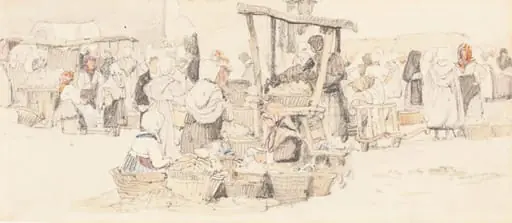 An Outdoor Market
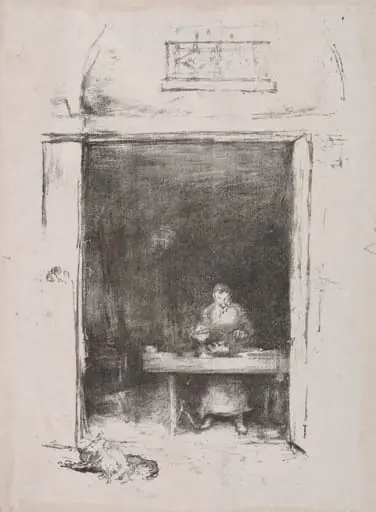 The Smith: Passage du Dragon
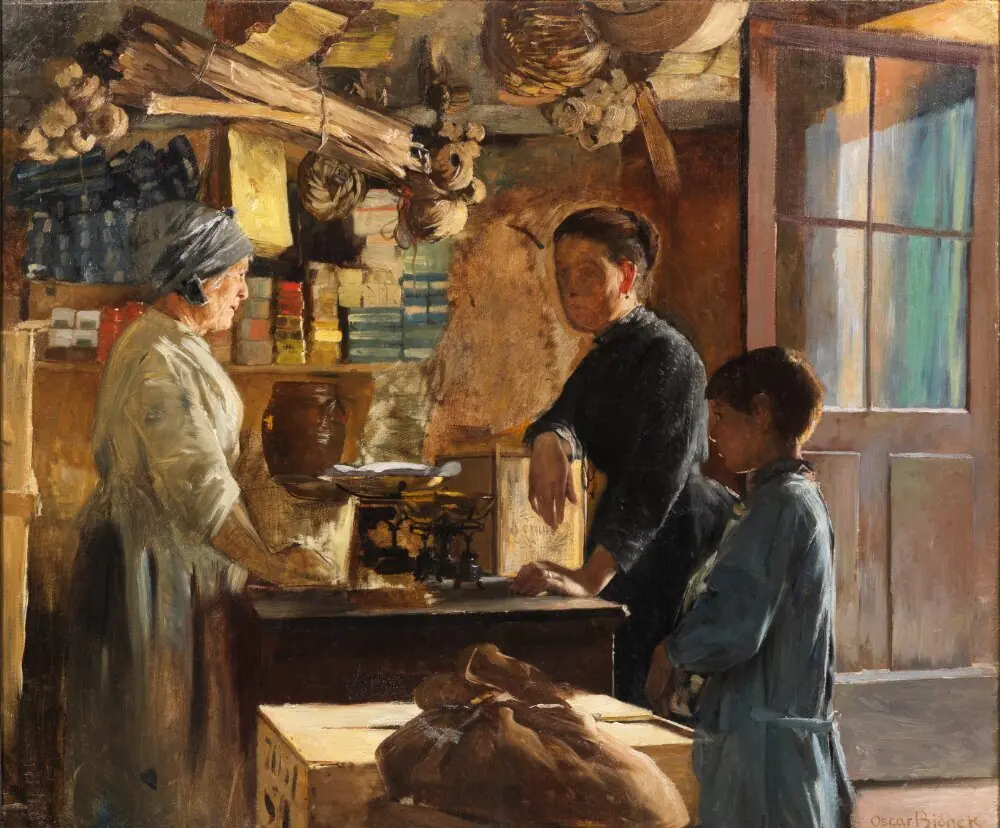 The Store in Grez-sur-Loing
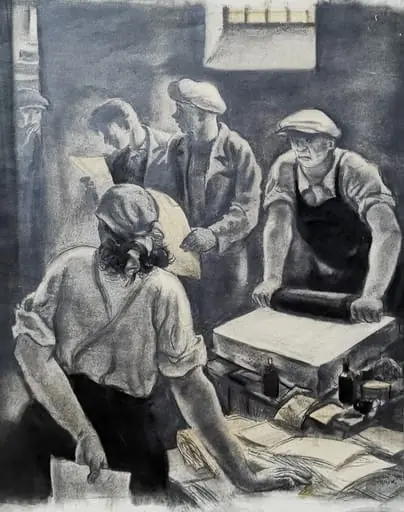 Zile negre
 Fabrica de conserve
 Kehräävä eukko ahvenanmaalaisessa tuvassa
 Fra Faaborg havn
 Interior of an Inn
 Stacking Hay, near Lincoln