Artwork
Pedagog
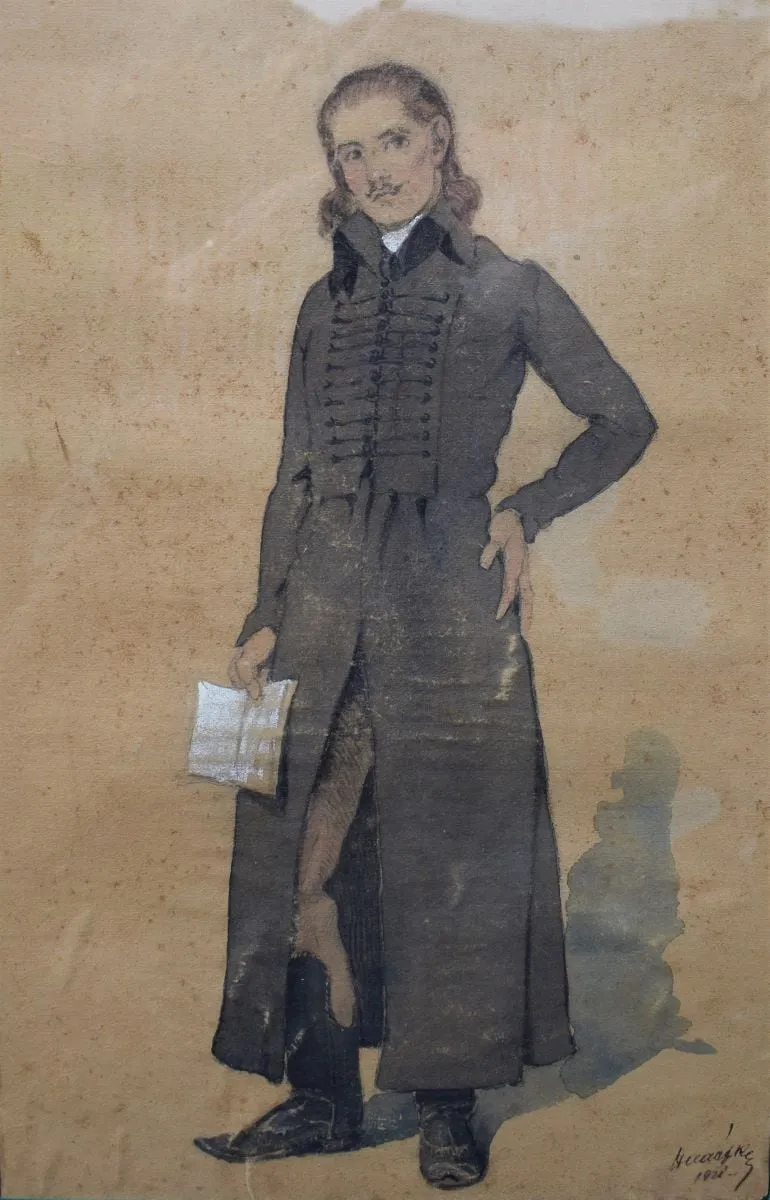
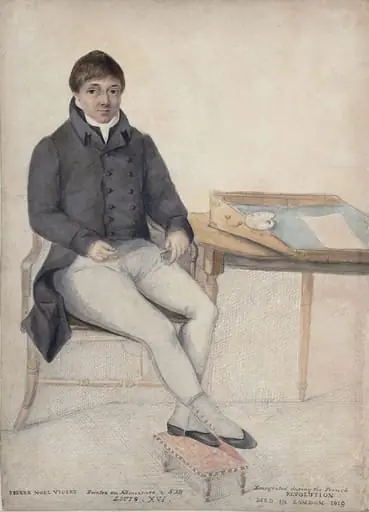
Pedagog is an unspecified painting by Rezső Haáz. It is held in the collection of the Haáz Rezső Museum. The work is a portrait of a seated gentleman rendered in oil on canvas.
About this work
He has a white shirt underneath and holds a piece of paper in his right hand, while his left hand rests on his hip.
This portrait painting depicts a man dressed in a long, dark coat with a high collar and buttons down the front. He has a white shirt underneath and holds a piece of paper in his right hand, while his left hand rests on his hip. The background of the painting is a light brown color.
The man's attire and hairstyle suggest that the painting may have been created in the 19th century. The artist's use of chiaroscuro creates a sense of depth and dimensionality in the painting.
To learn more about the artist's use of chiaroscuro, explore the technique of chiaroscuro.
Overview
The work is a portrait of a seated gentleman rendered in oil on canvas. He wears a dark, high‑collared coat with a row of front buttons, a crisp white shirt, and his hair is styled in a manner typical of the nineteenth century. His right hand clutches a sheet of paper, while his left hand rests on his hip, set against a muted light‑brown backdrop.
Subject & Meaning
The sitter appears to be a figure of some education or professional standing, suggested by his formal attire and the document he holds, which may indicate scholarly or bureaucratic activity. The composition emphasizes his poised demeanor, inviting viewers to consider his role within the social hierarchies of his time.
Technique & Style
The artist employs chiaroscuro, contrasting deep shadows with illuminated areas to model the figure’s volume and create a three‑dimensional presence. Subtle gradations of tone on the coat and face generate a sense of depth, while the restrained palette of dark fabrics against a warm, earth‑toned background underscores the portrait’s sober tone.
Context
Dress and hairstyle place the painting in the nineteenth century, a period when portraiture often served to document personal status and professional identity. The use of chiaroscuro aligns the work with academic traditions that valued realistic modeling and controlled lighting to convey character.
Legacy
While the artist’s identity remains unspecified, the portrait exemplifies the era’s conventional approach to individual representation, offering insight into contemporary fashion, social conventions, and the technical preferences of studio painters working within the academic canon.
Artist & collection
Artist
Rezső Haáz made paintings and prints that look at everyday life around schools and villages.
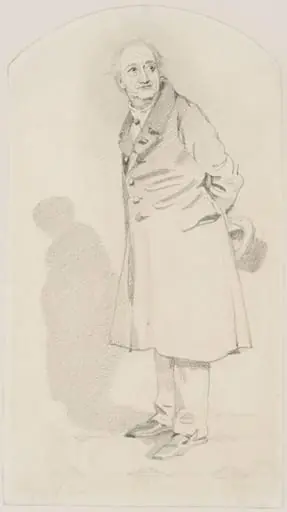 Johann Wolfgang von Goethe
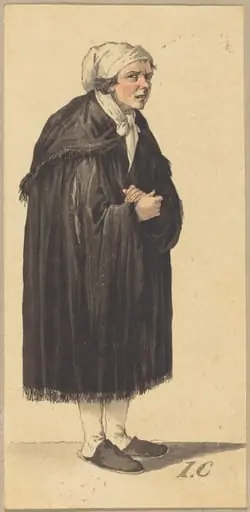 A London Character
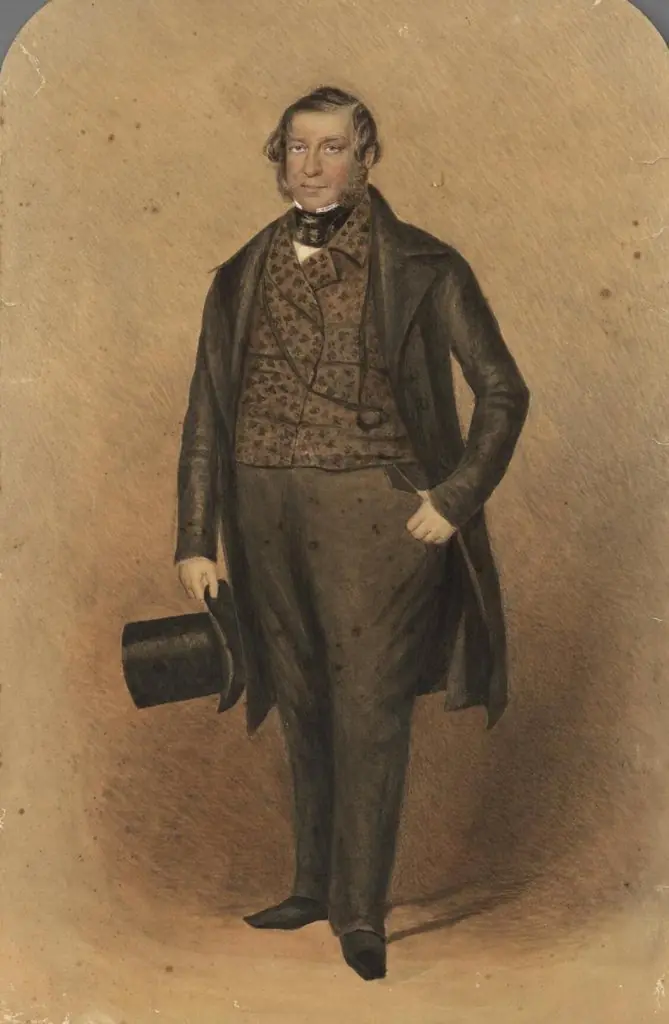 Frederick Augustus Jones
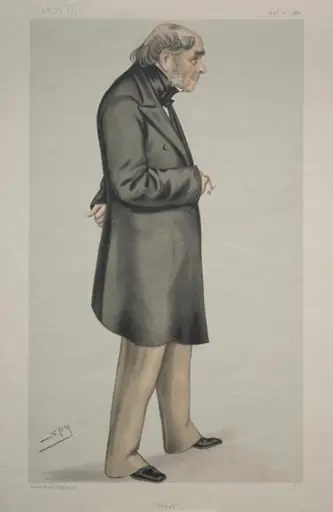 Steel
Steel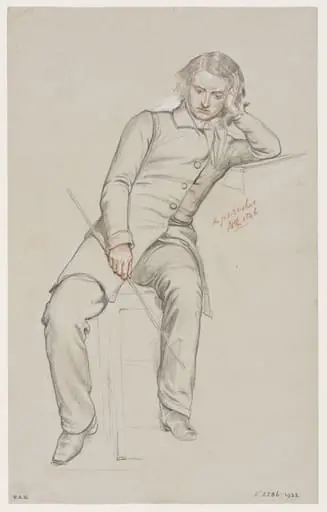 Untitled
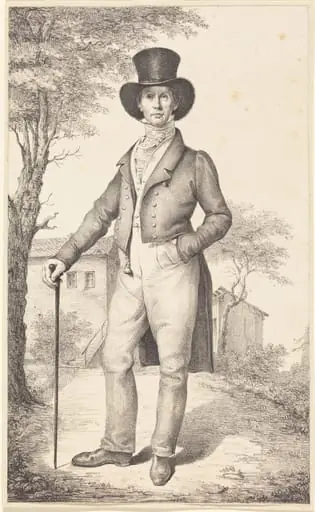 The Senior Government Auditor Rudolf Schadow (The Artist's Brother)
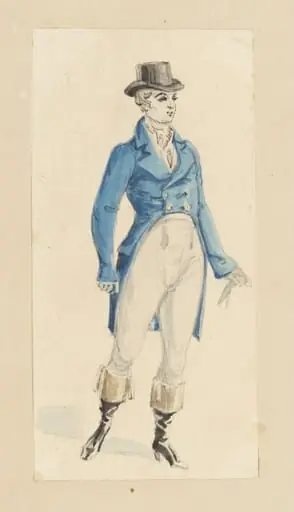 Untitled
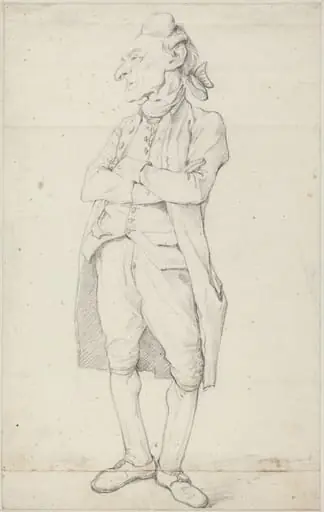 A Gentleman Standing with His Arms Crossed
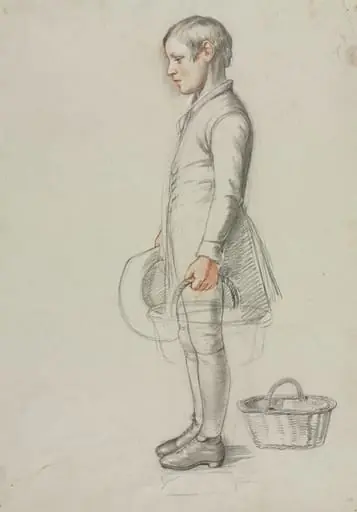 Study for "Country Cousins"
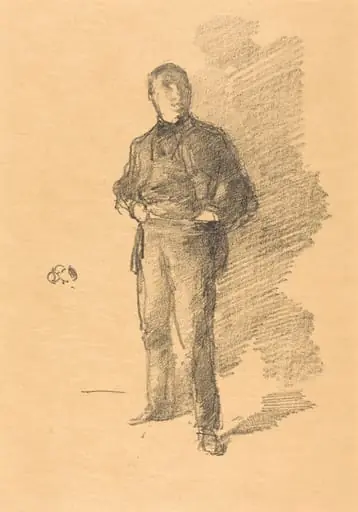 Study No. 1: Mr. Thomas Way
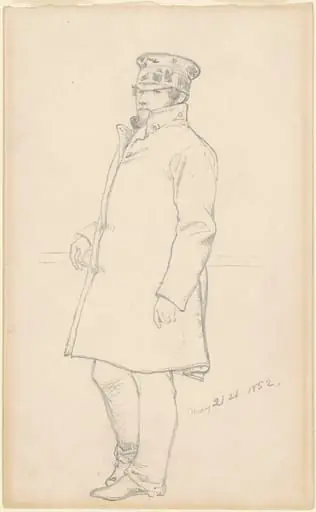 Man in Cap and Coat
 Portrait of Pierre Noel Violet