Artwork
Staff/Whisk
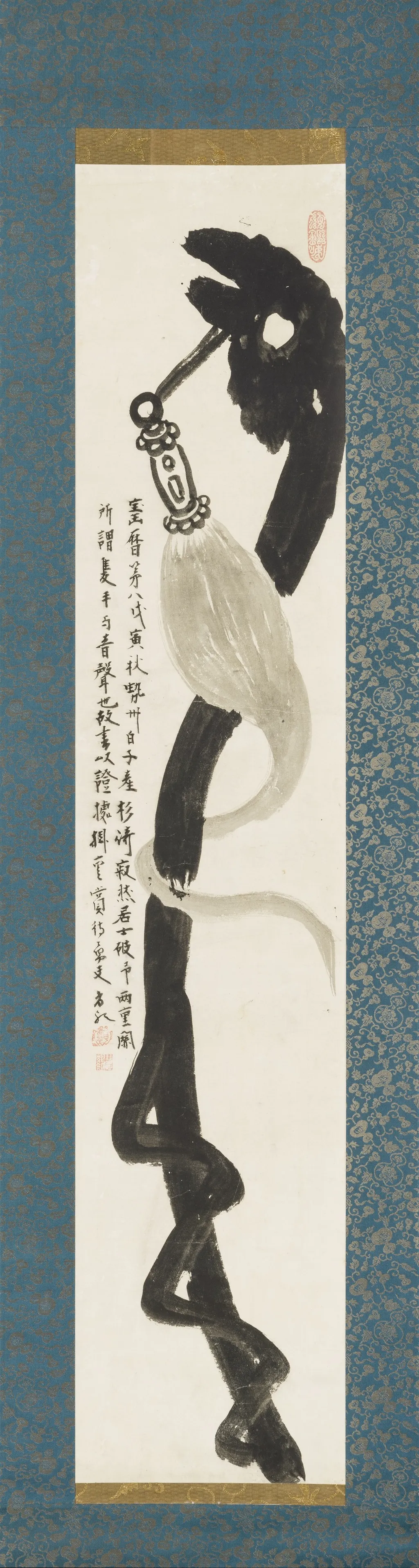
Staff/Whisk is an unspecified painting by the Nihonga artist Hakuin Ekaku. It dates from 1758 and is held in the collection of the Los Angeles County Museum of Art.
About this work
Overview
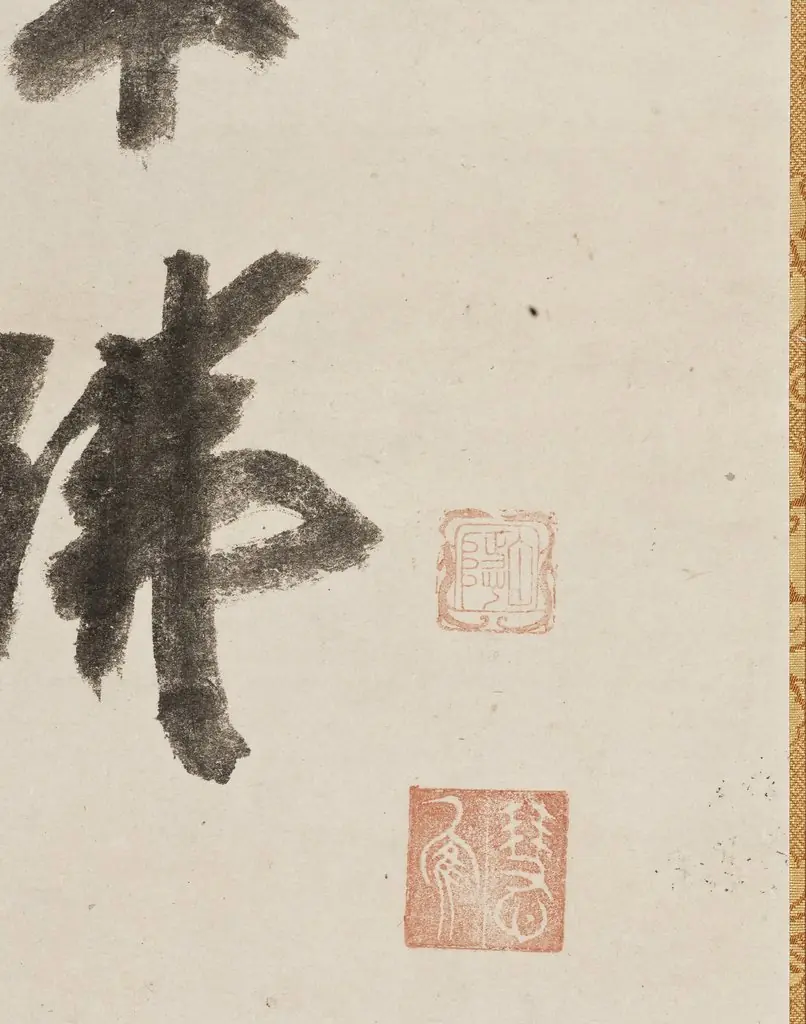
Created in 1758 by the Japanese Zen monk Hakuin Ekaku, this ink painting depicts a simple yet dynamic object: a curved staff topped with a fluffy whisk.
Created in 1758 by the Japanese Zen monk Hakuin Ekaku, this ink painting depicts a simple yet dynamic object: a curved staff topped with a fluffy whisk. Executed with bold, spontaneous brushwork, the composition relies on contrast between the dark, twisted form and the light background. Chinese characters appear beside the object, hinting at its symbolic function within Zen practice. The work is part of the Los Angeles County Museum of Art’s collection.
Subject & Meaning
The staff and whisk are traditional tools associated with Zen monastic life, used for ritual and discipline. In Hakuin’s rendering, they transcend mere utility, becoming emblems of spiritual authority and mindfulness. The vigorous brushstrokes suggest movement and vitality, reflecting Zen ideals of presence and immediacy. The inclusion of Chinese script reinforces the cultural and doctrinal lineage of the practice, linking the object to broader Buddhist teachings.
Technique & Style
Hakuin employed ink wash techniques characteristic of Zen painting, using rapid, confident strokes to convey form without detail. The dark, sinuous staff contrasts sharply with the pale background, enhancing its sculptural presence. The white whisk is rendered with loose, textured brushwork, suggesting softness and motion. The calligraphic inscriptions are integrated as compositional elements, not merely labels, embodying the unity of image and text in Zen aesthetics.
History & Provenance
The painting was produced during Hakuin’s mature period, when he was actively reforming Zen practice in Japan. It likely served as a teaching aid or devotional object within monastic circles. The work entered the Los Angeles County Museum of Art’s collection in the 20th century, following the broader Western interest in East Asian religious art. Its preservation reflects its significance as a tangible link to Edo-period Zen culture.
Context
Hakuin Ekaku was a pivotal figure in revitalizing Rinzai Zen during the 18th century, emphasizing direct experience over scholarly study. His paintings, often depicting everyday objects with expressive brushwork, were tools for conveying Zen principles beyond textual doctrine. This work aligns with a tradition of monastic art that valued spontaneity and simplicity, rejecting ornate decoration in favor of raw, unmediated expression.
Legacy
Hakuin’s staff and whisk paintings influenced later generations of Zen artists and continue to be studied for their fusion of spiritual intent and artistic economy. The work exemplifies how Zen aesthetics transformed mundane objects into vehicles for contemplation. Its presence in a major Western museum underscores its role in bridging Japanese religious traditions and global art history.
Artist & collection


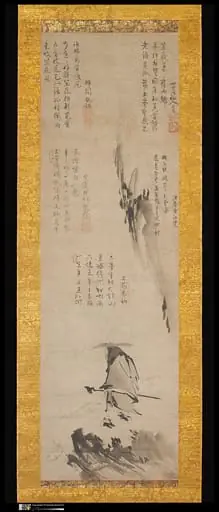 瑞巖龍惺・竹香全悟・九淵龍賝・南江宗沅・ 翺之慧鳳賛 東坡笠屐図|Su Shi (Dongpo) in a Bamboo Hat and Clogs
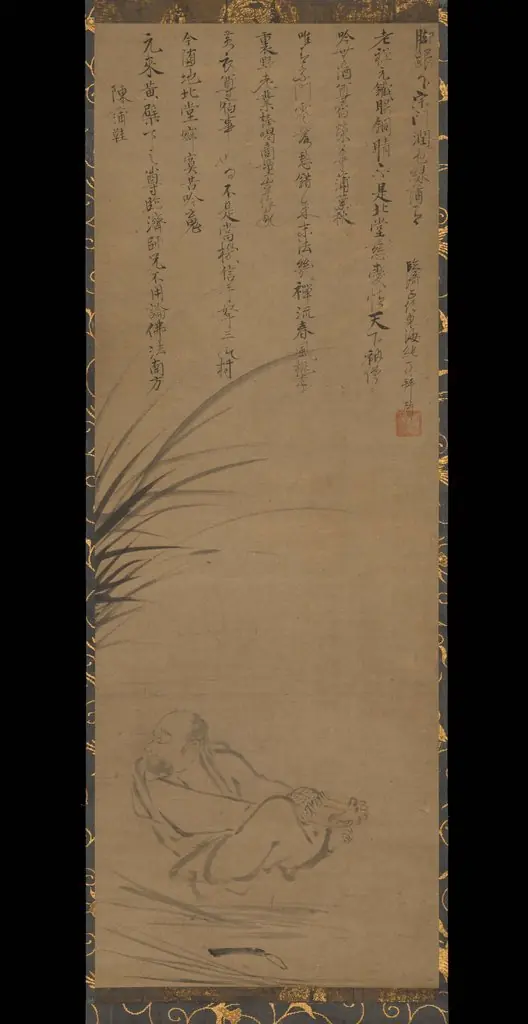 Inscription on the anonymous painting of Chen Puxie
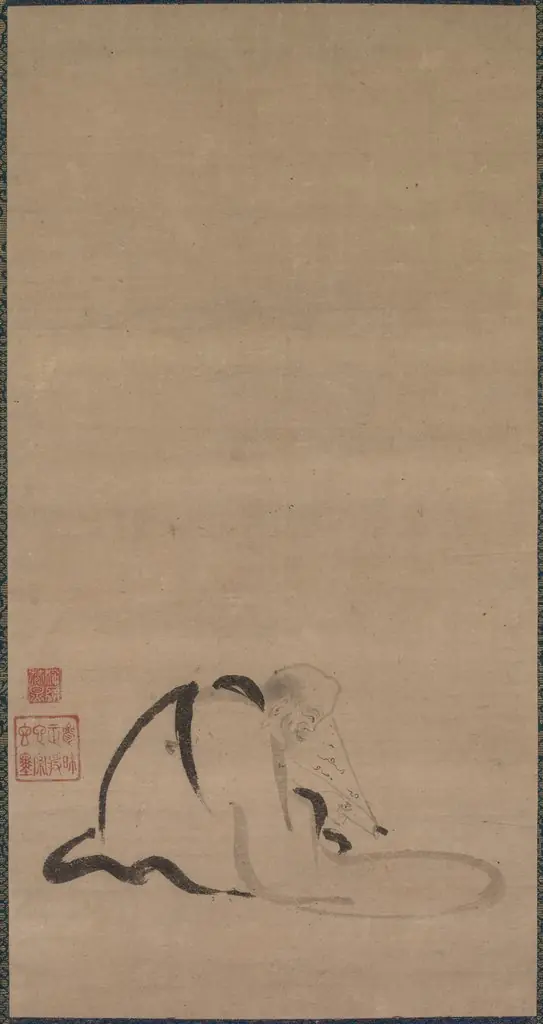 Seated Priest
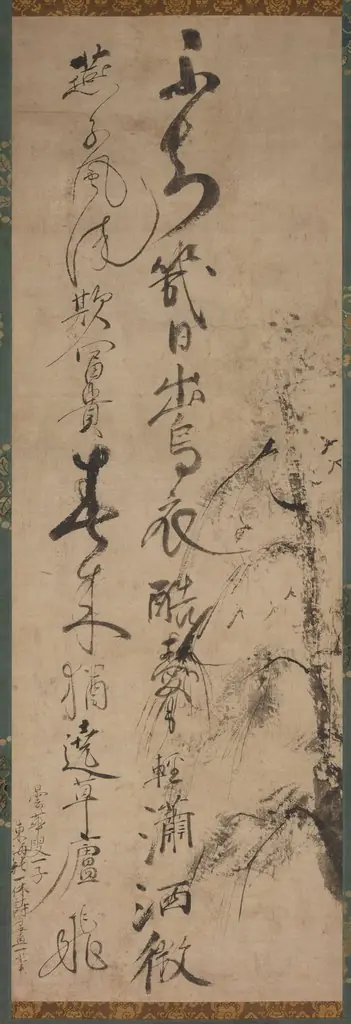 Calligraphy with Willow and Swallows
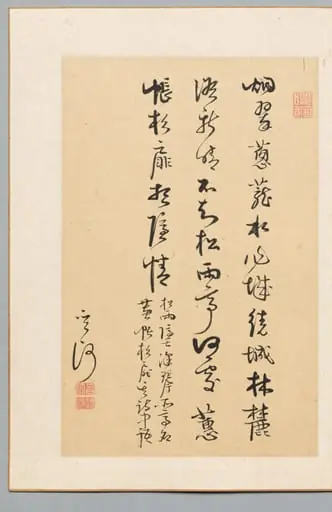 Calligraphy
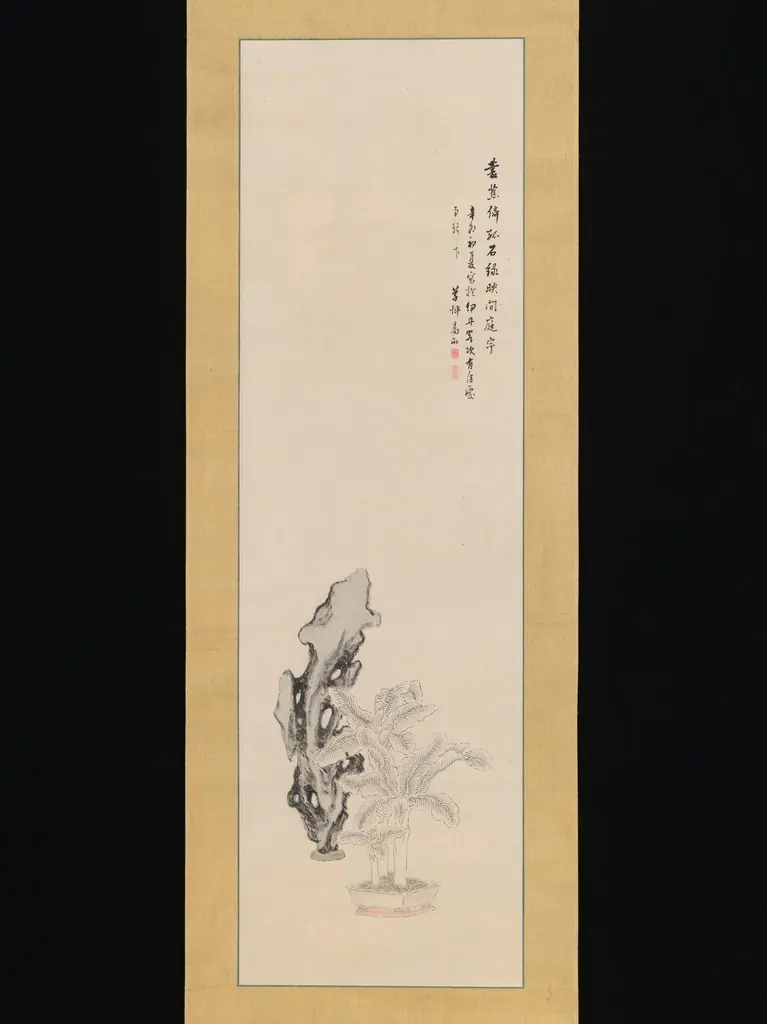 Taihu Rock and Banana Plant
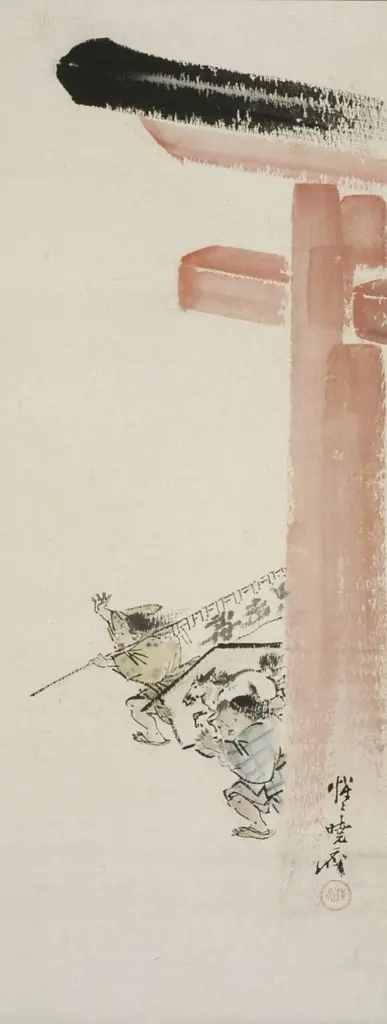 Children at Torii Gate Stealing Banner and Plaque
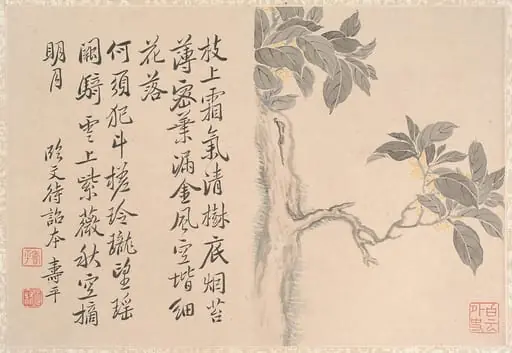 清 仿惲壽平 桂花圖 冊頁|Cassia Tree
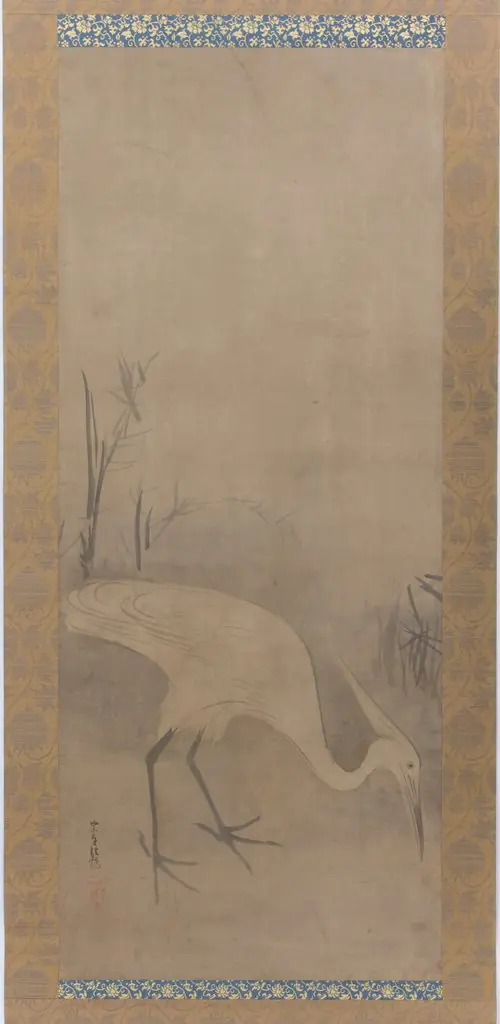 White Heron (Shirosagi zu)
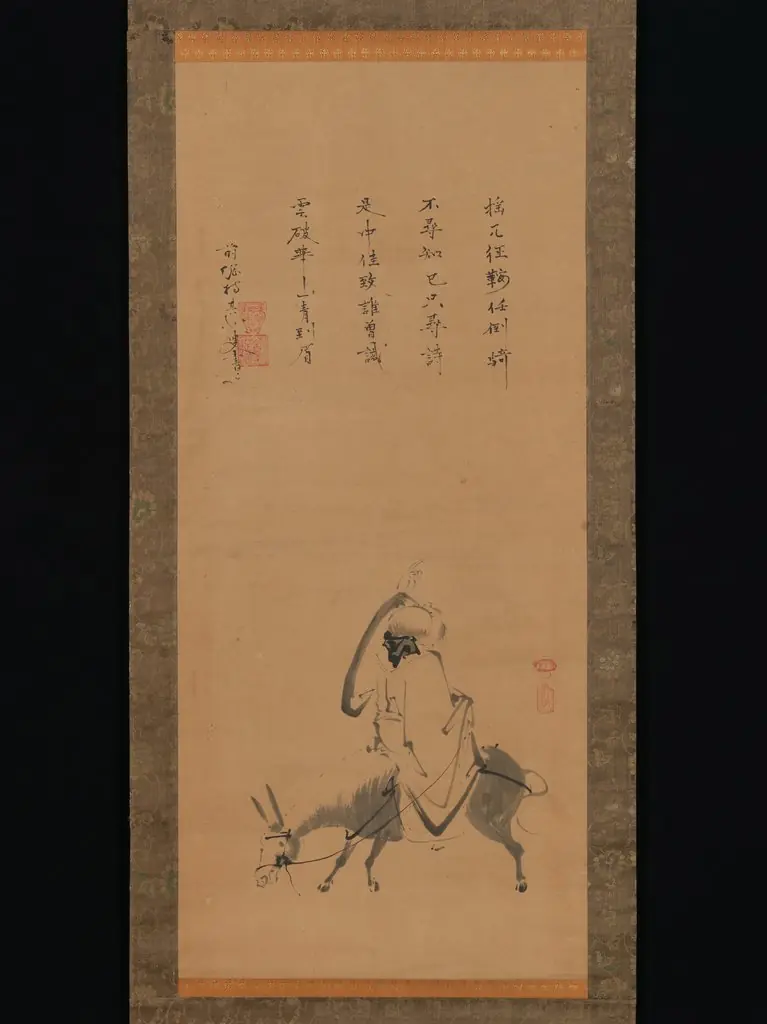 The Chinese Poet Pan Lang on a Donkey
 Cat
Cat