Artwork
Daruma
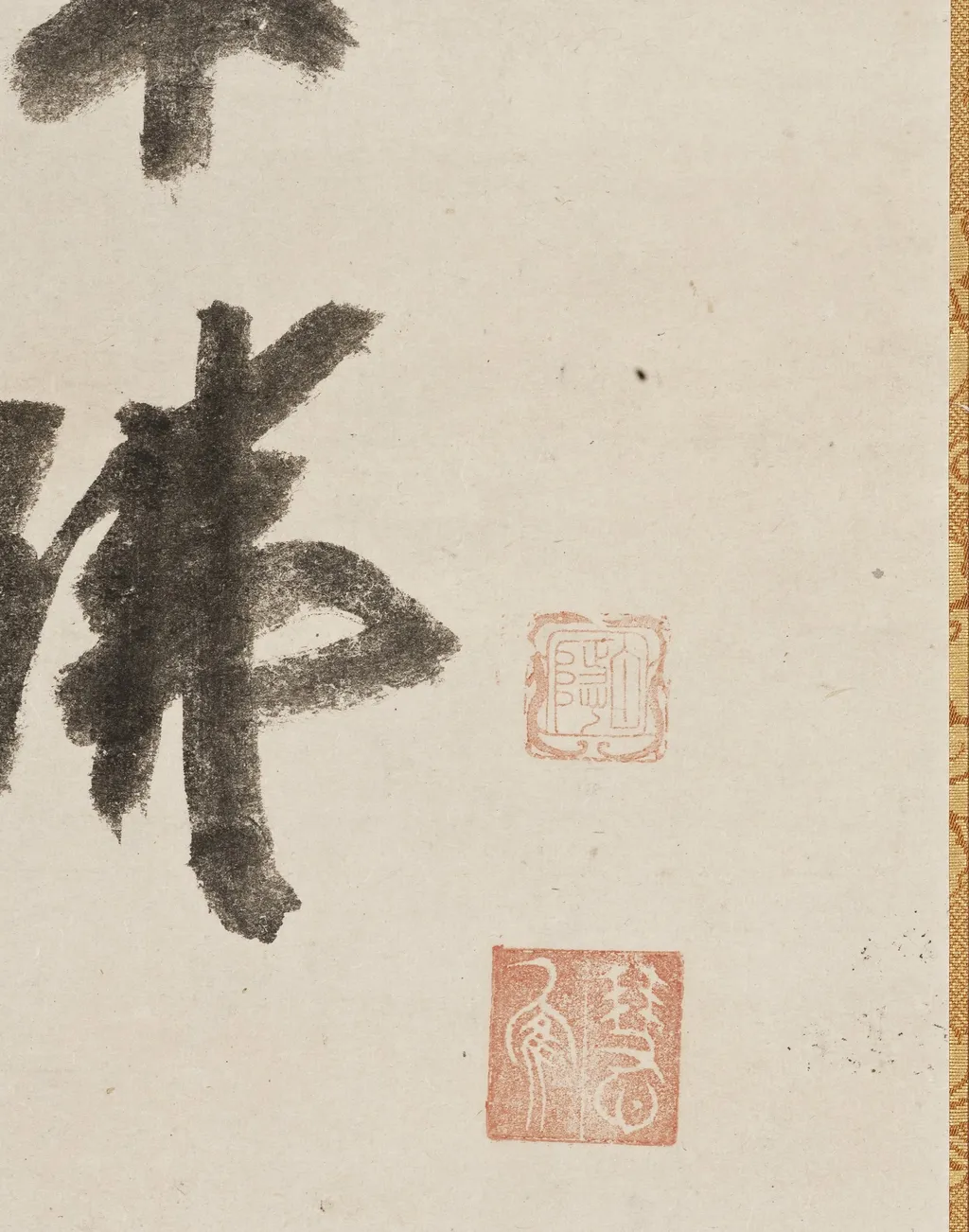
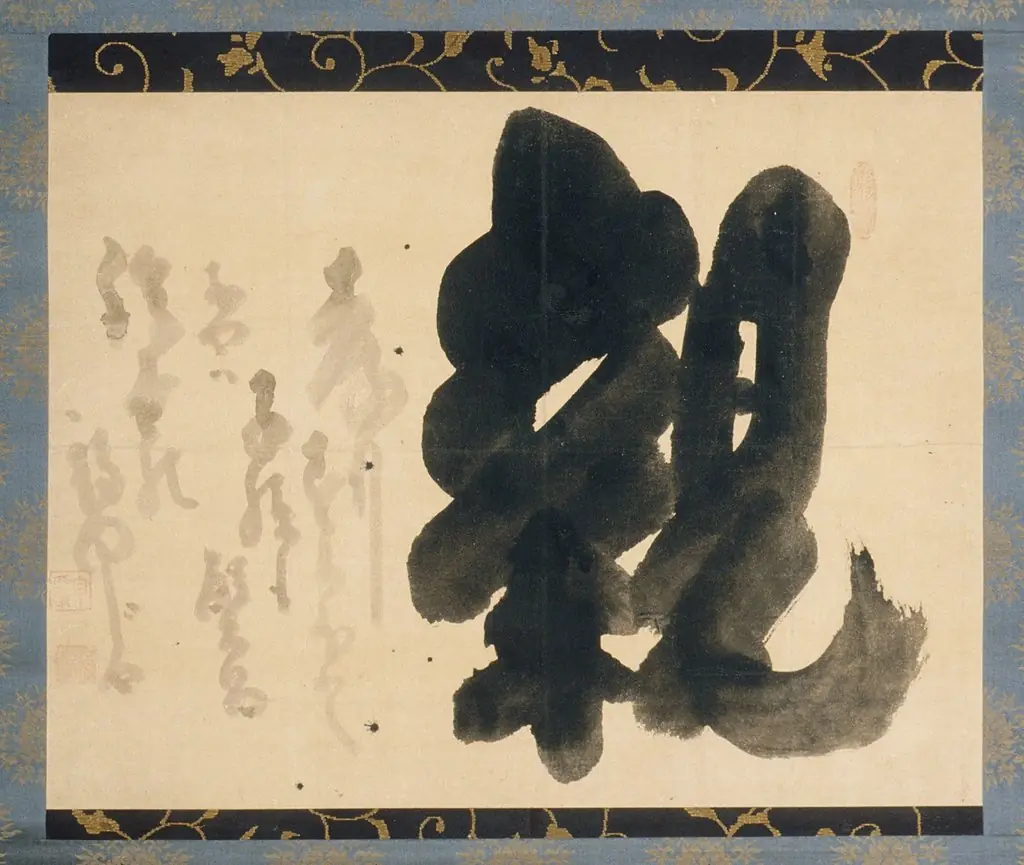
Daruma is an unspecified painting by Hakuin Ekaku. It dates from 1750 and is held in the collection of the Los Angeles County Museum of Art.
About this work
Overview
Created around 1750 by the Zen monk‑artist Hakuin Ekaku, this work titled “Daruma” is part of the Los Angeles County Museum of Art’s collection. The painting presents a single figure with a round head and an exaggerated, open smile, set against a deep brown backdrop. Its composition is concise, focusing attention on the expressive gesture of the central character.
Subject & Meaning
The figure is a visual rendition of Daruma, the legendary founder of the Zen tradition who is frequently portrayed in Japanese visual culture. Daruma’s iconic grin and simplified form convey perseverance and spiritual awakening, echoing the monk’s role as a symbol of steadfast resolve in the face of adversity.
Technique & Style
Hakuin employs bold brushwork and a limited palette of vivid hues, reducing the body to abstracted shapes while retaining the immediacy of the facial expression. The stark contrast between the bright figure and the rich brown ground creates a dynamic visual tension, characteristic of the artist’s vigorous, expressive approach to Zen painting.
History & Provenance
The painting has remained in the public domain since its creation in the mid‑18th century, eventually entering the Los Angeles County Museum of Art’s holdings. Its attribution to Hakuin Ekaku, a noted Zen master and painter, situates the work within the broader tradition of Japanese Buddhist art that traveled to Western collections during the 20th century.
Artist & collection


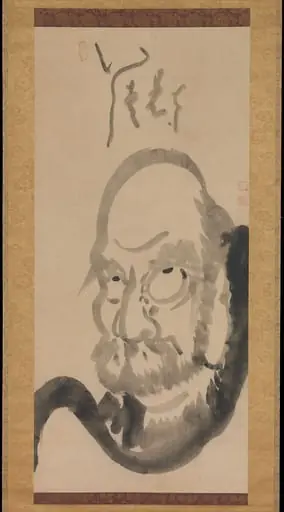
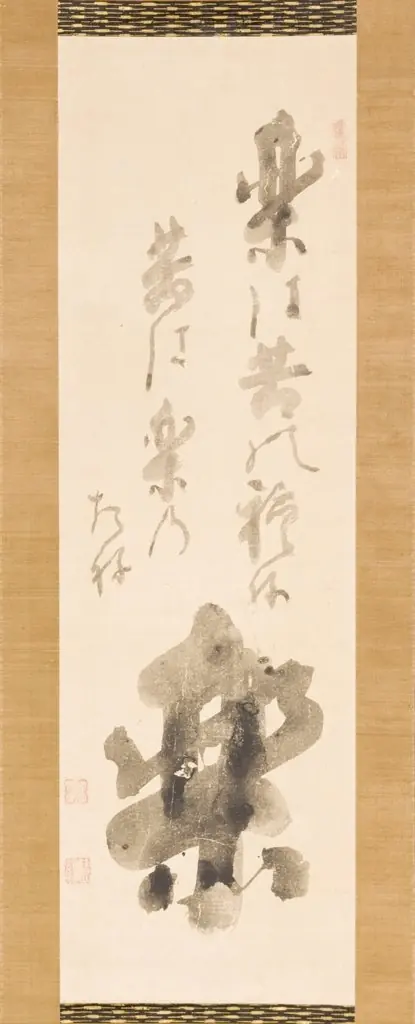
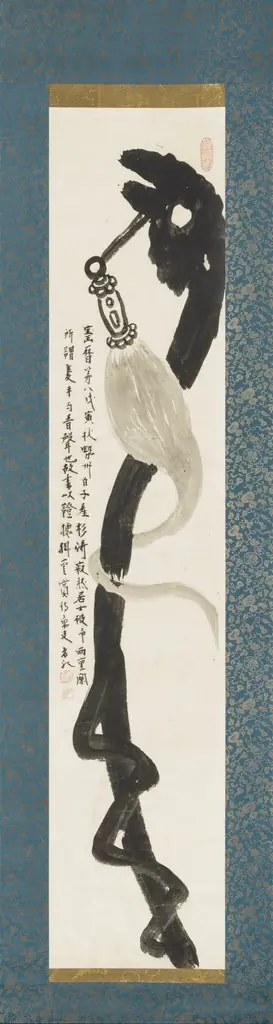
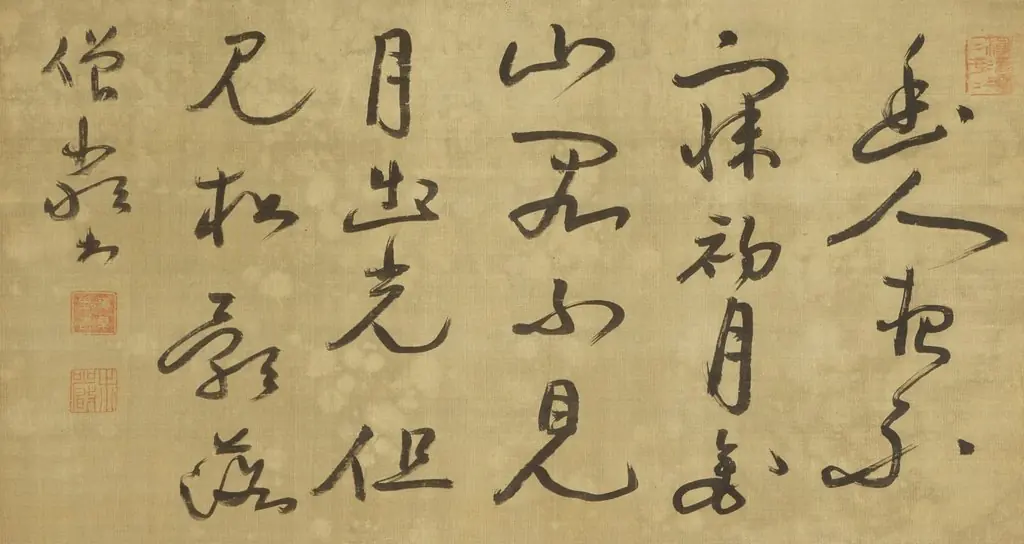 Poem (The Hermit Does Not Sleep at Night)
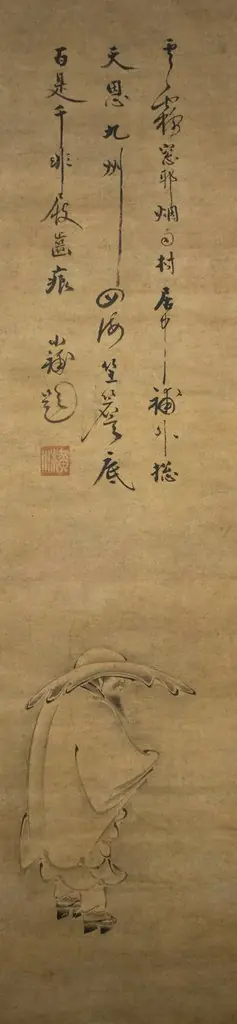 Su Dongpo in a Borrowed Hat (Tōba tairyū zu)
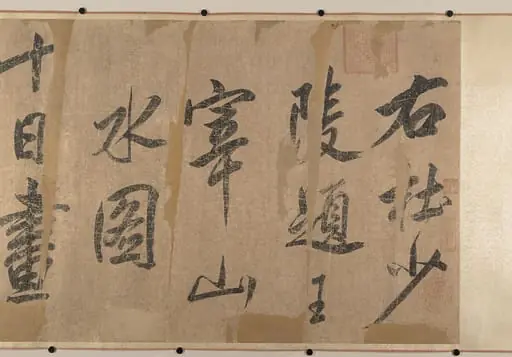 Untitled
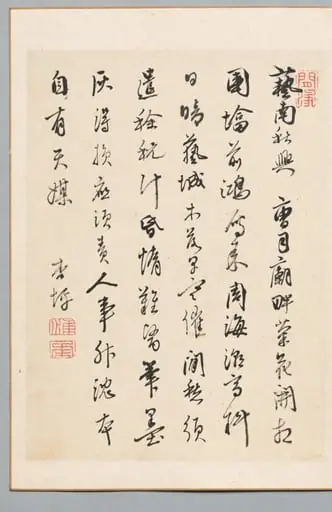 Poem
Poem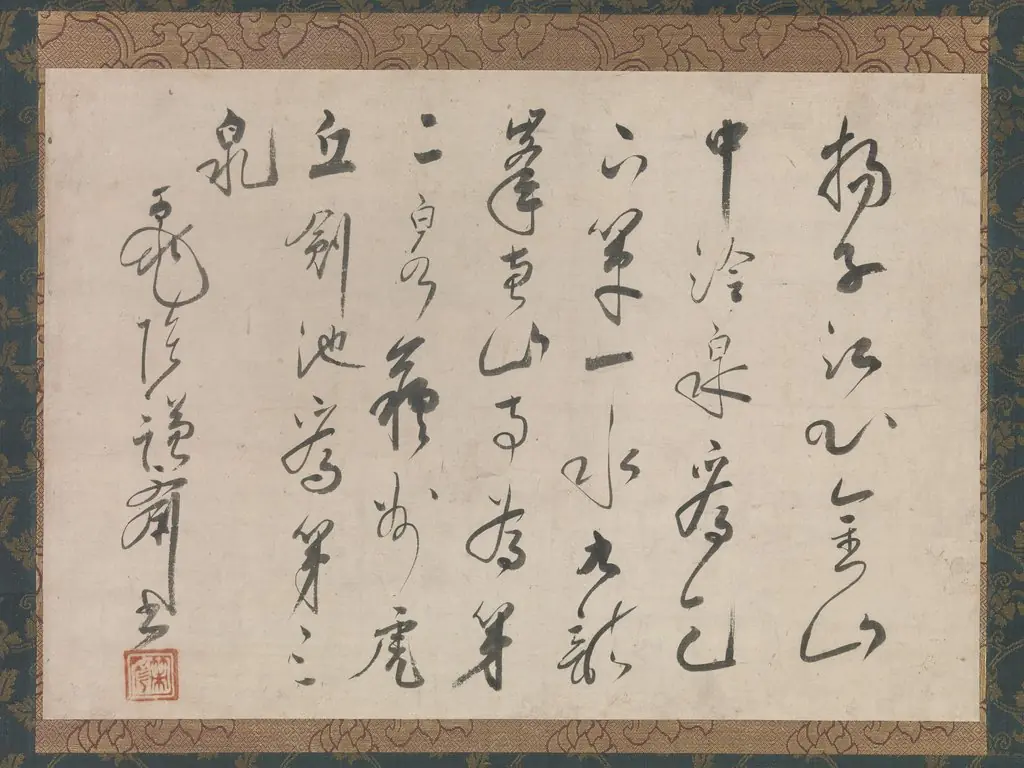 Account of the Three Springs of Jiangsu Province in China
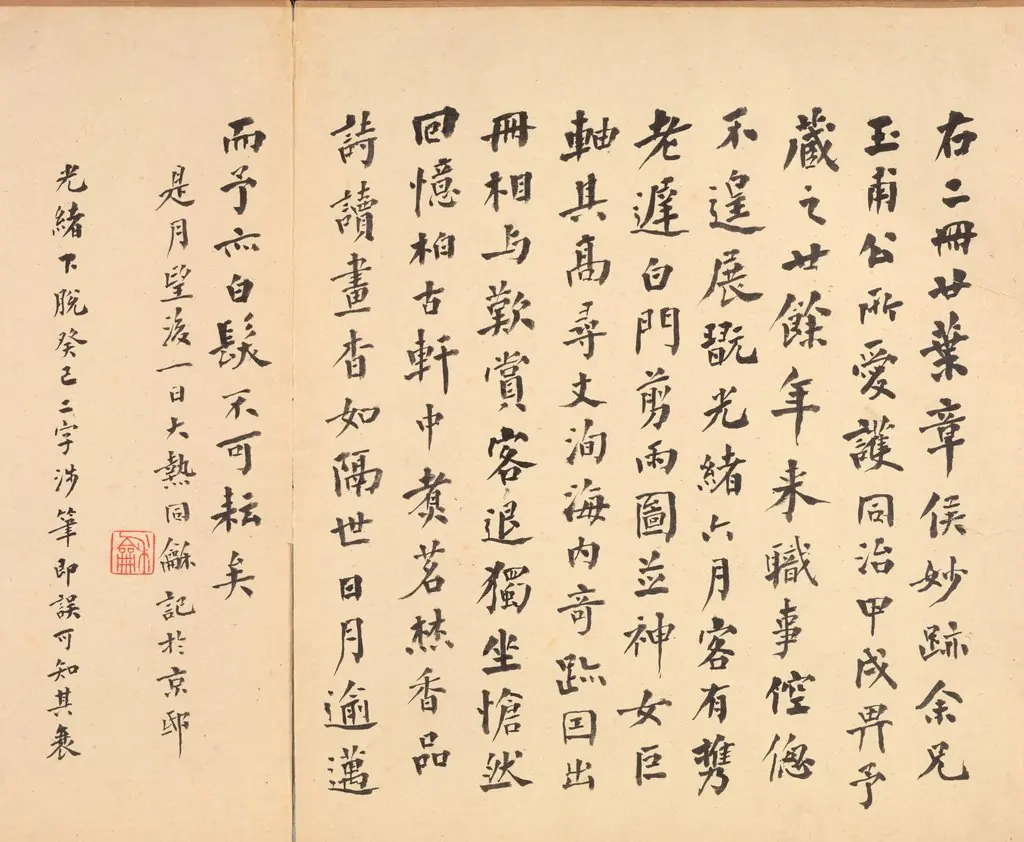 Paintings after Ancient Masters: Calligraphy
 Calligraphy
 Poem
Poem 清 佚名 摹王旦、王素、王禹偁小像圖 卷|Three Bust Portraits of Tang and Song Officials
 Su Dongpo Laughing
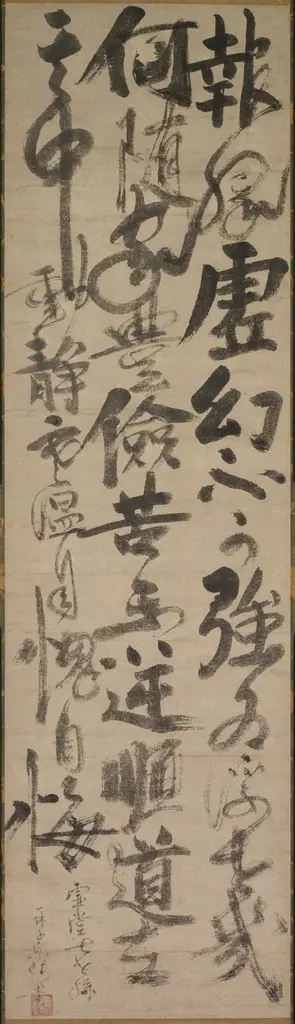 Reflections of Priest Foyen
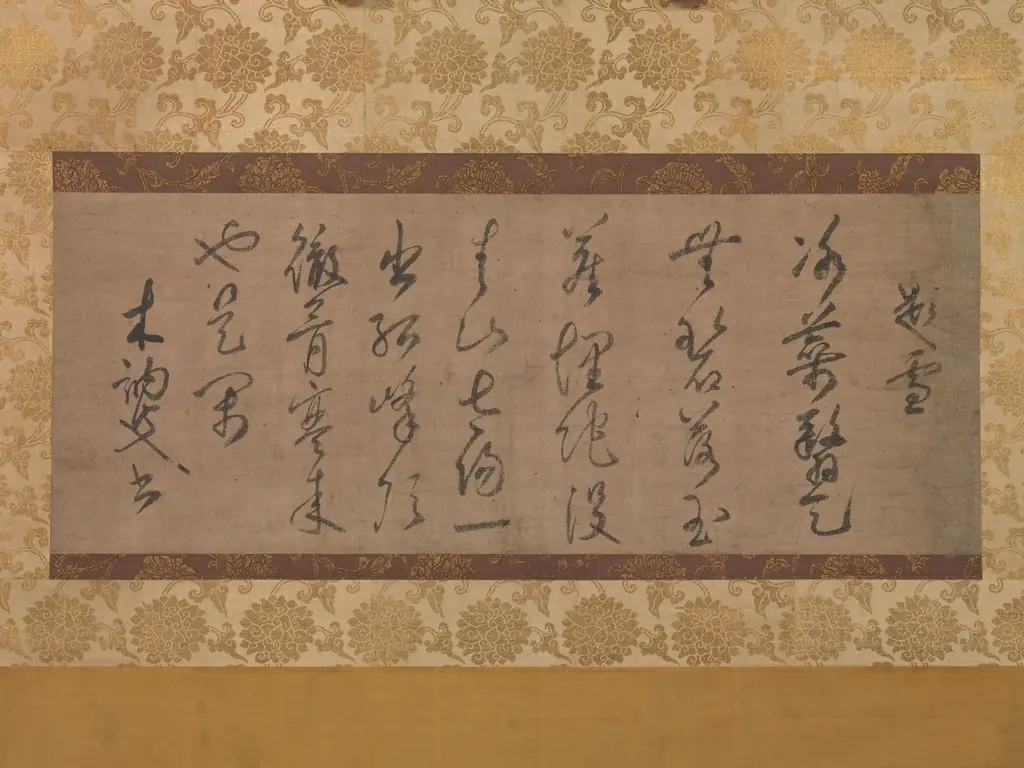 Poem on the Theme of Snow