Artwork
Lady Holland (Lady Mary Fitzpatrick)
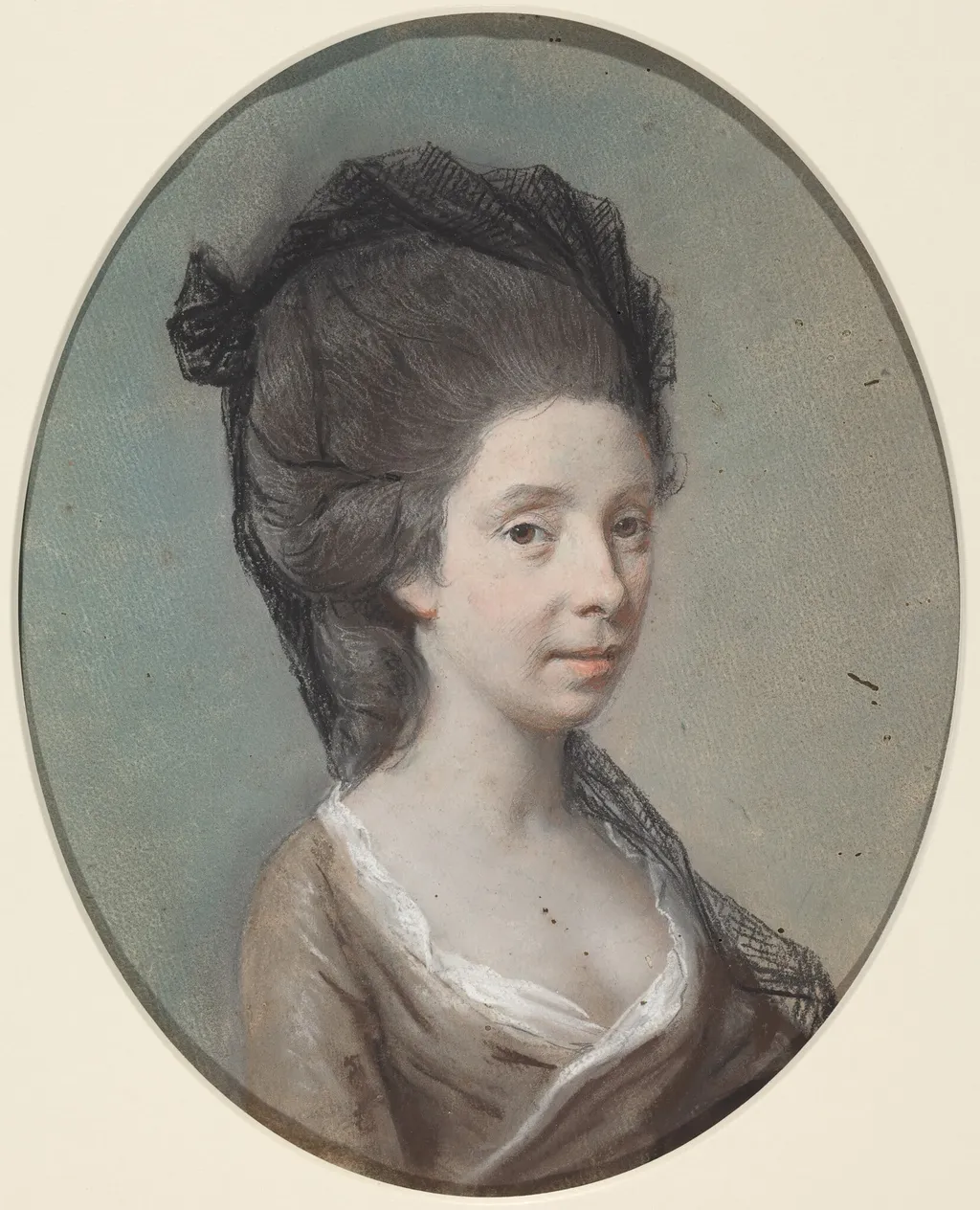
Lady Holland (Lady Mary Fitzpatrick) is a pastel drawing by the Romanticist artist Hugh Douglas Hamilton. It dates from 1770 and is held in the collection of the National Gallery of Art.
About this work
Overview
Created circa 1770, this portrait by Hugh Douglas Hamilton shows Lady Mary Fitzpatrick rendered in pastel with graphite accents on laid paper. The work presents a close‑up view of the sitter, whose light brown hair is arranged in soft curls and whose attire consists of a pale, low‑necked dress against a plain dark background.
Subject & Meaning
Lady Mary Fitzpatrick, a member of the Anglo‑Irish gentry, appears in a poised yet intimate pose, her expression rendered in warm, blended tones that suggest both refinement and personal presence. The portrait reflects the eighteenth‑century interest in capturing the individuality and social standing of aristocratic women.
Technique & Style
Hamilton employed pastel sticks to achieve smooth, luminous skin tones, supplementing the surface with graphite for fine detailing. The medium allowed for subtle gradations and a soft glow, characteristic of mid‑century portraiture that sought a lifelike immediacy through delicate color transitions.
History & Provenance
An Irish artist who trained and worked in London and Rome before establishing himself in Dublin in the early 1790s, Hamilton focused on pastel portraiture until the mid‑1770s. This drawing belongs to the period when he was actively producing works for patrons associated with the Anglo‑Irish elite, including the Fitzpatrick family.
Context
During the 1770s, pastel became a favored medium for portraiture in Britain and Ireland, valued for its capacity to render soft flesh tones and rapid execution. Hamilton’s use of the medium aligns with contemporary practices that emphasized immediacy and a tactile sense of surface.
Artist & collection
Artist
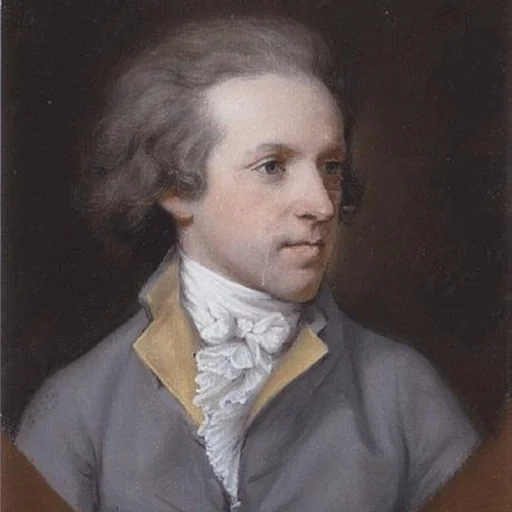
Hugh Douglas Hamilton RHA (c. 1739 – 10 February 1808) was an Irish painter who specialised in portrait painting. He spent considerable periods in London and Rome before returning to Dublin in the early 1790s. Until the…

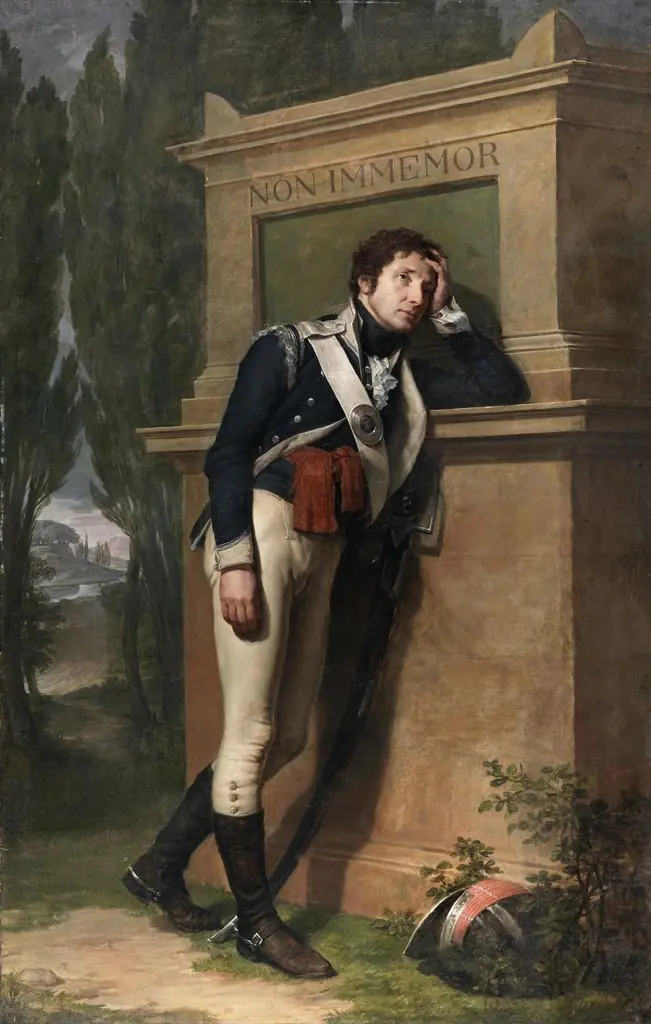 Portrait of Lieutenant Richard Mansergh Saint George (1756/9-1798)
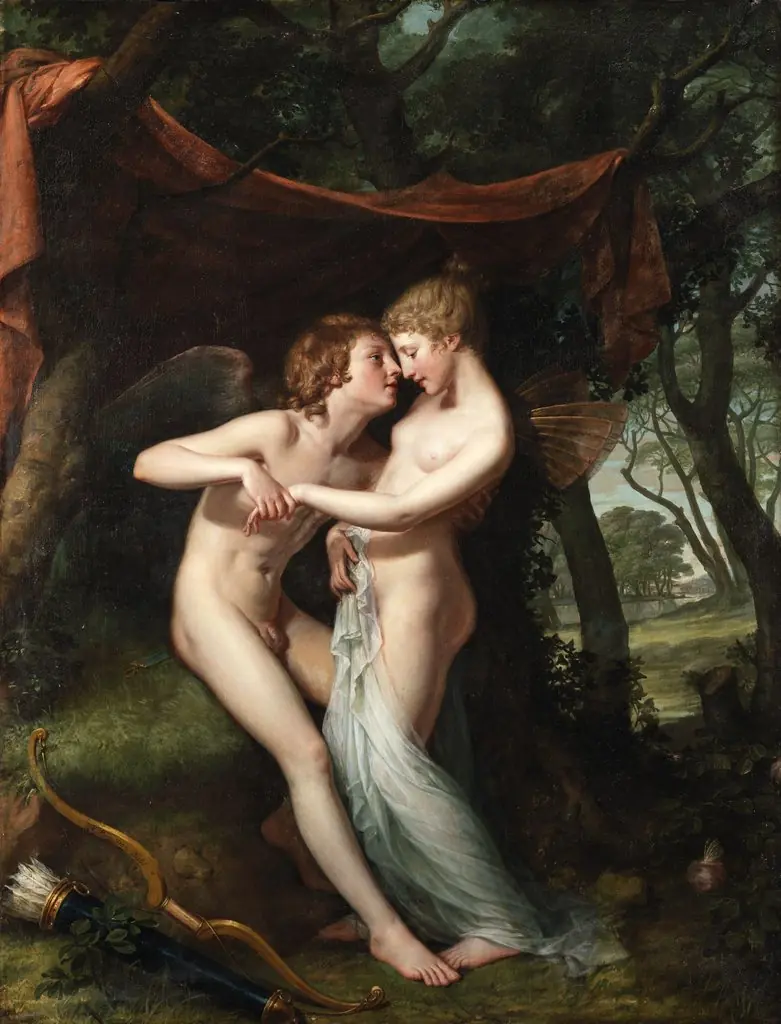 Cupid and Psyche in the Nuptial Bower
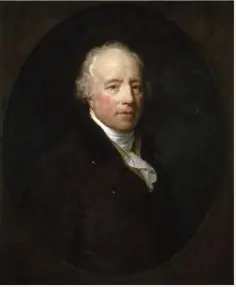 Portrait of Richard Lovell Edgeworth (1744-1817)
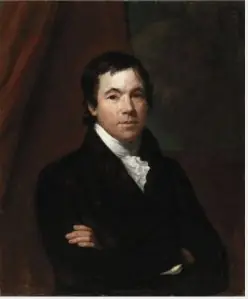 Portrait of John Philpot Curran (1750-1817)
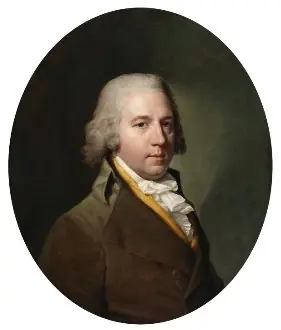 Portrait of a Gentleman
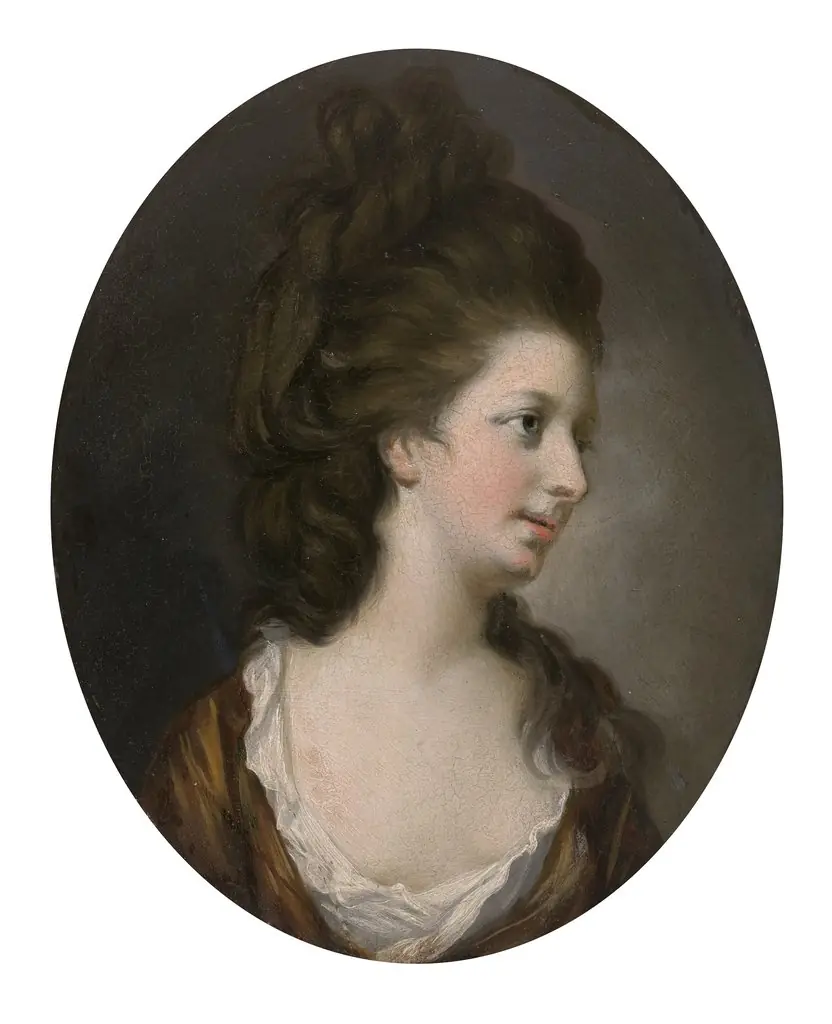 Portrait of The Hon. Mrs John Beresford (née Montgomery) (?1757-1788)
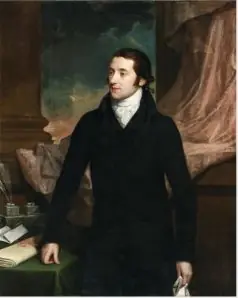 Portrait of William Cusack-Smith, later 2nd Bt (1766-1836)
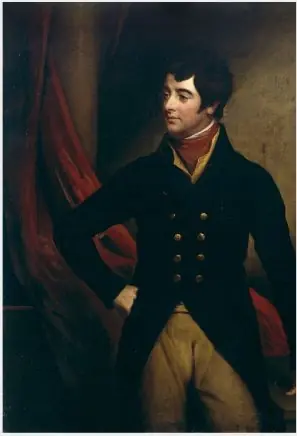 Portrait of Lord Edward FitzGerald (1763-1798)
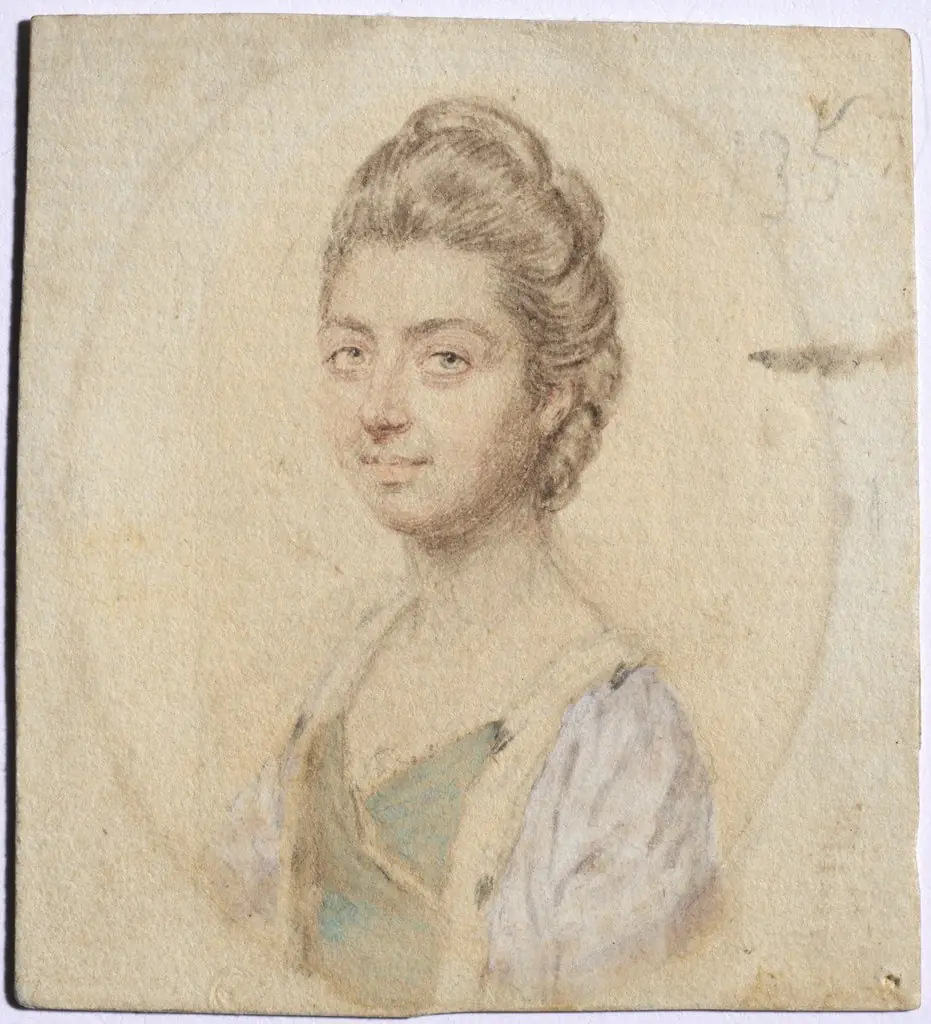 Portrait of Sukey, Lady Oglander, née Serle
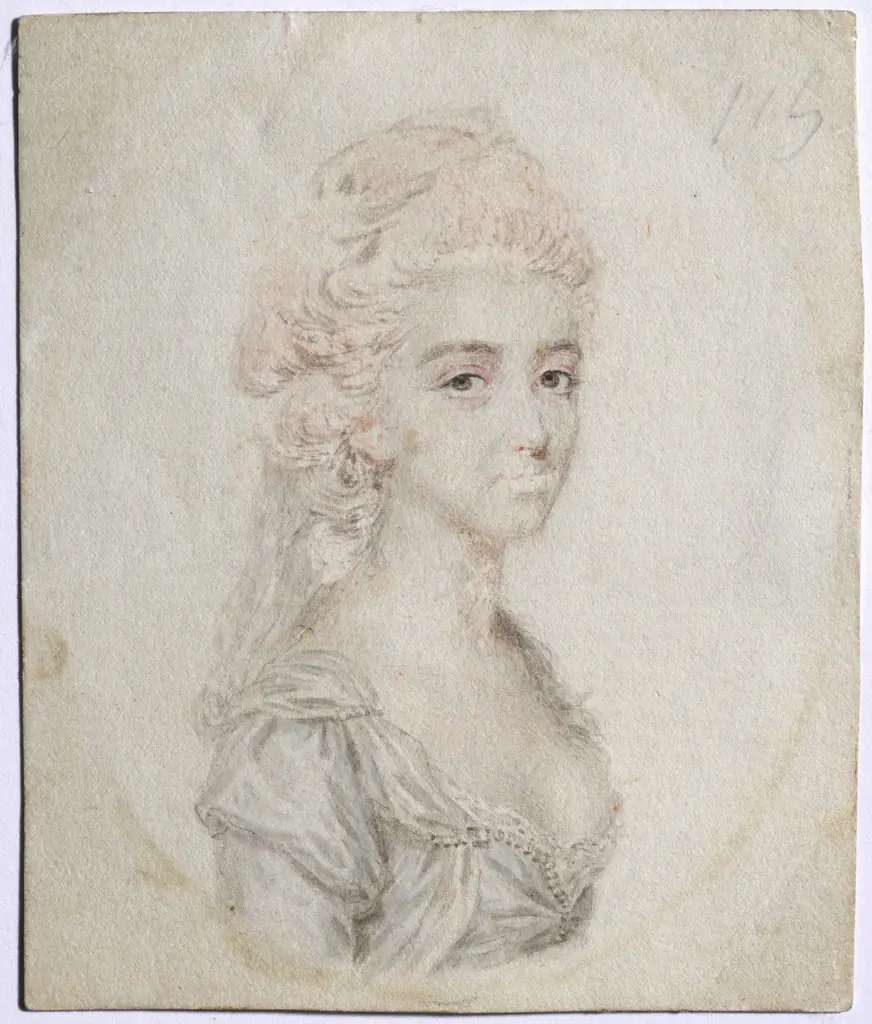 Portrait of a Woman
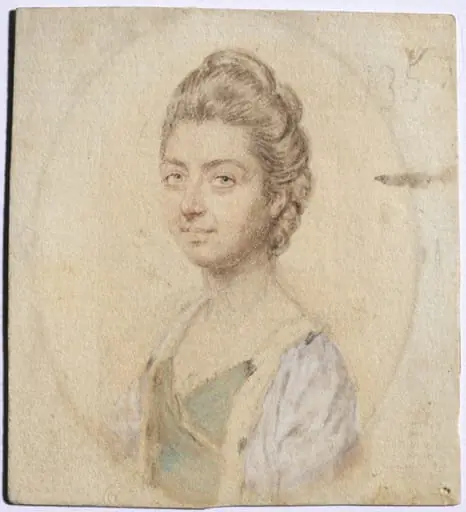 Portrait of Sukey, Lady Oglander, née Serle
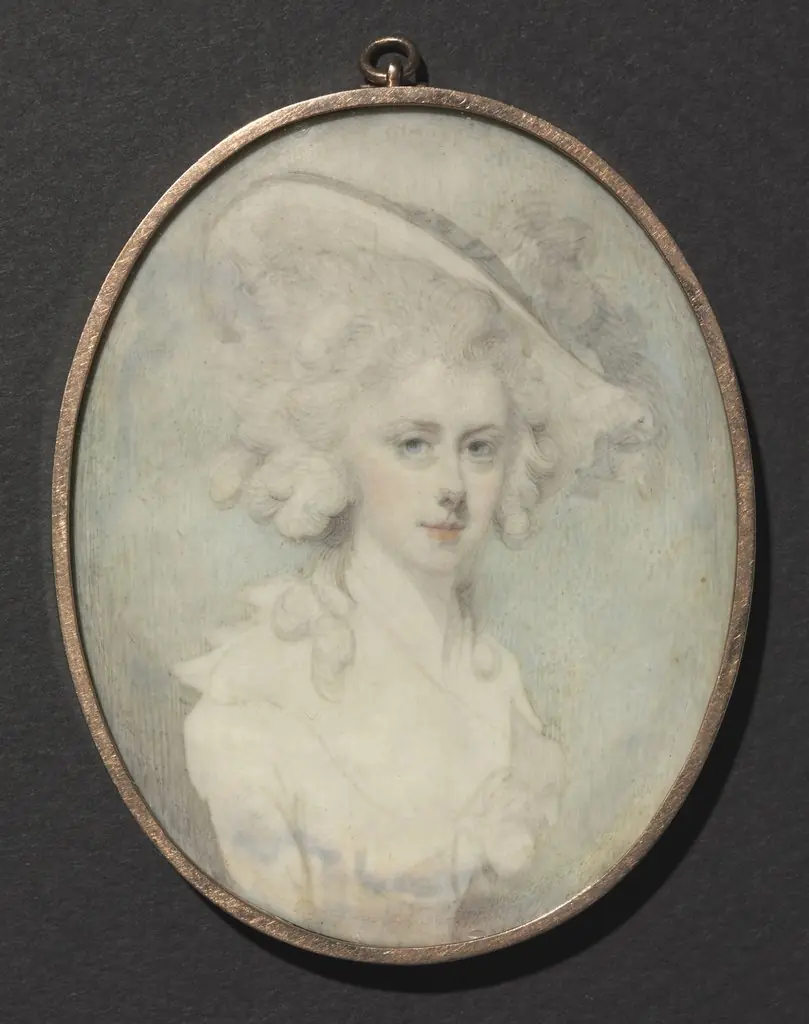 Portrait of a Woman with a Hat
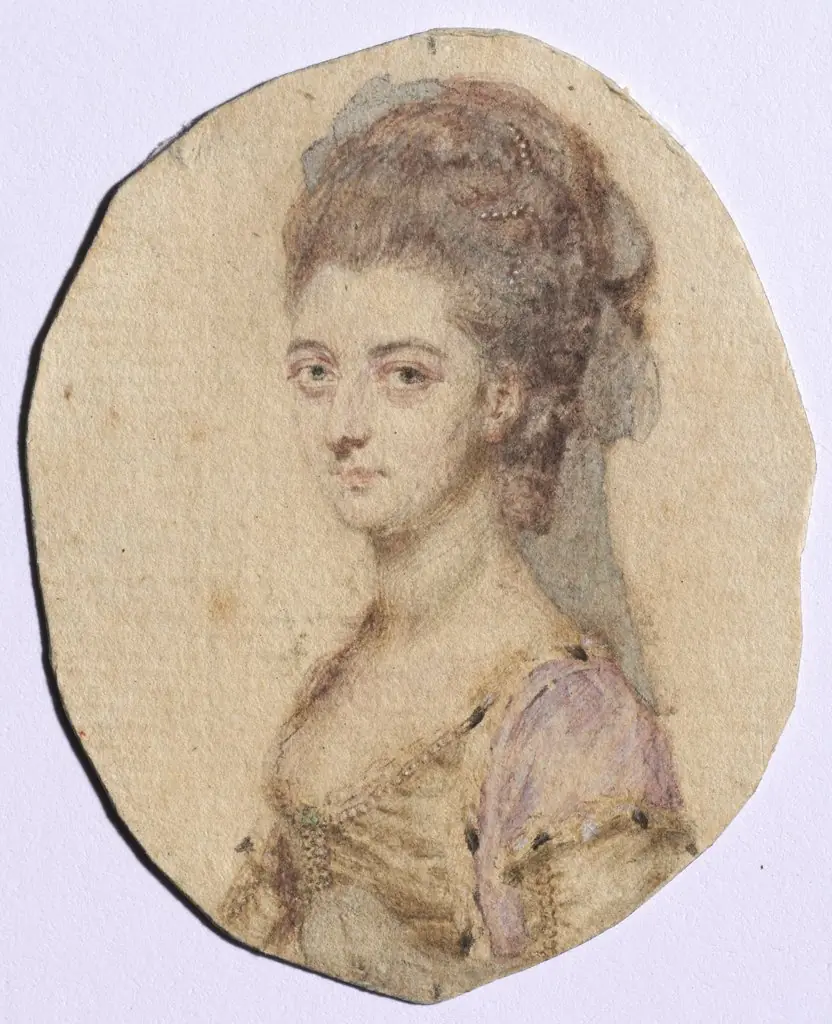 Portrait of Charlotte Bertie, née Warren, 4th Countess of Abingdon
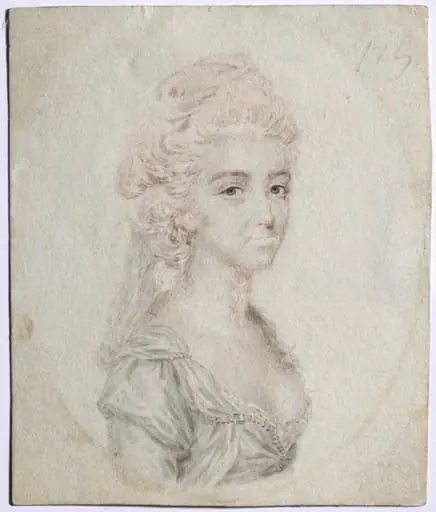 Portrait of a Woman
 Mrs. Pierre Bacot (Marianne Fleur Du Gue)
 Portrait of a Woman in Blue
 The Artist's First Betrothed
 Mrs. Thomas Horne
 Portret van een vrouw