Artwork
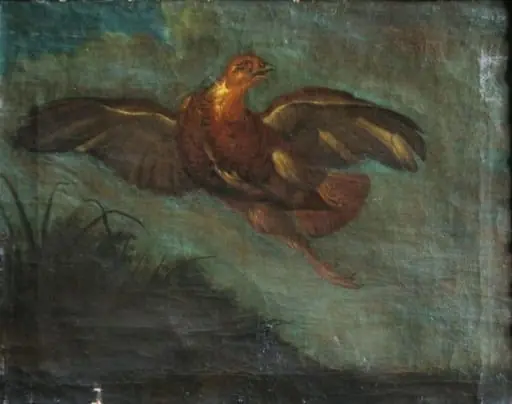
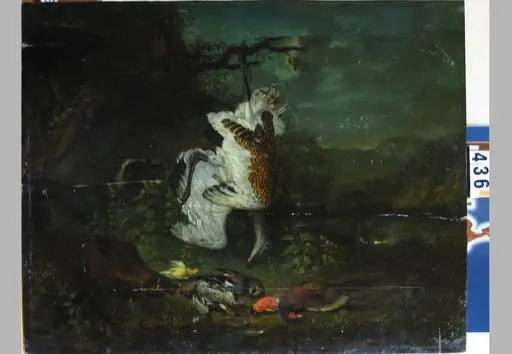
Potârnichi speriate ; pandant; Potârniche zburând
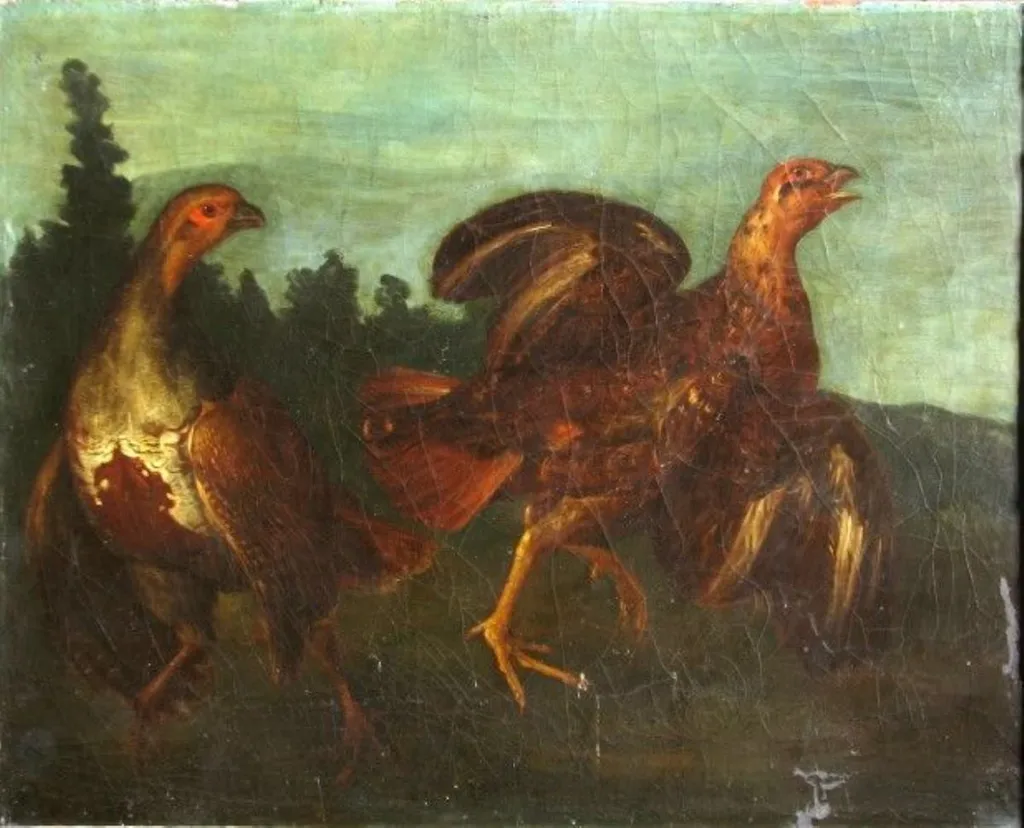
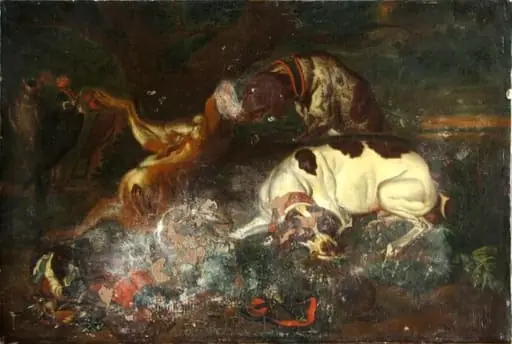
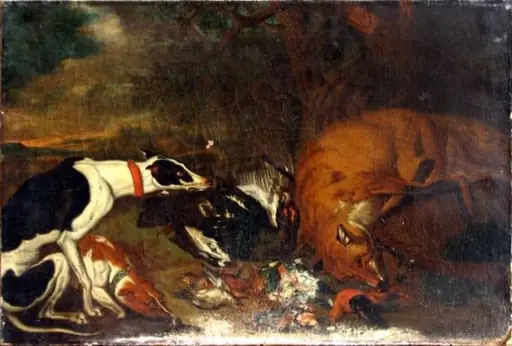
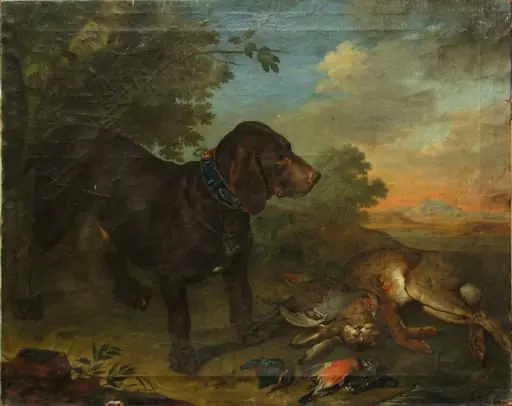
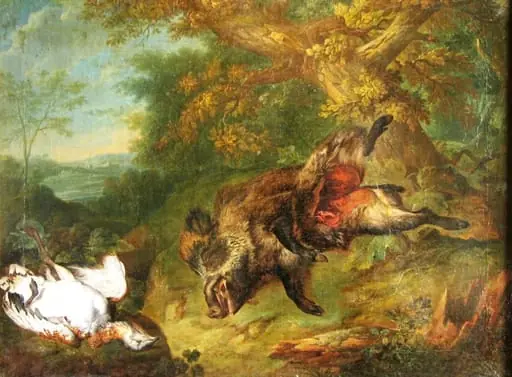
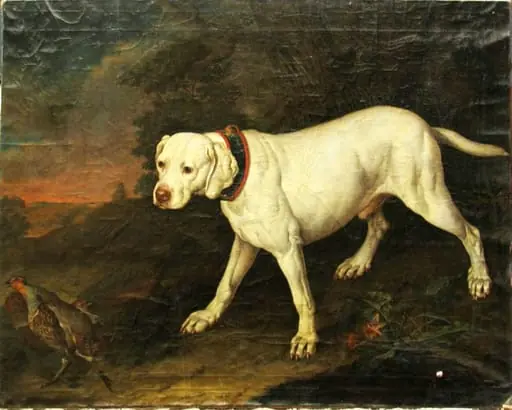
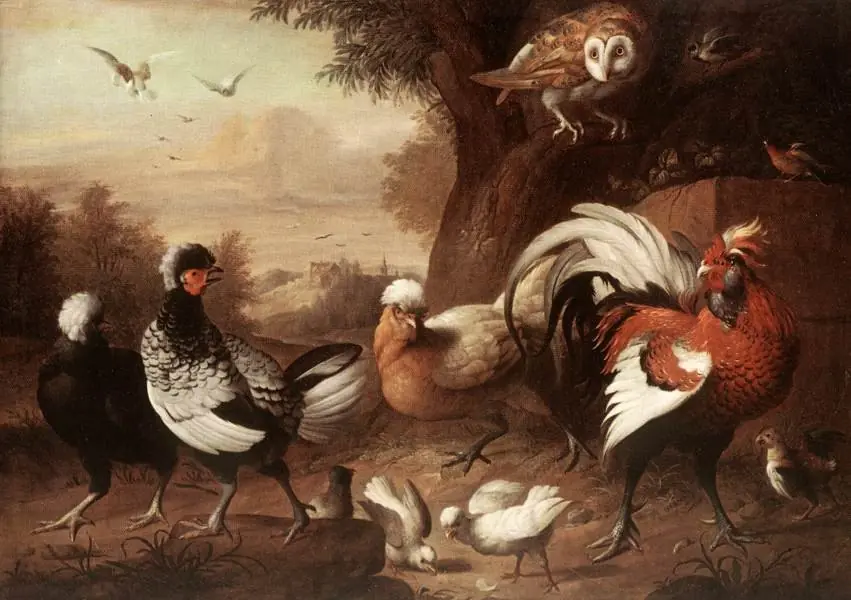
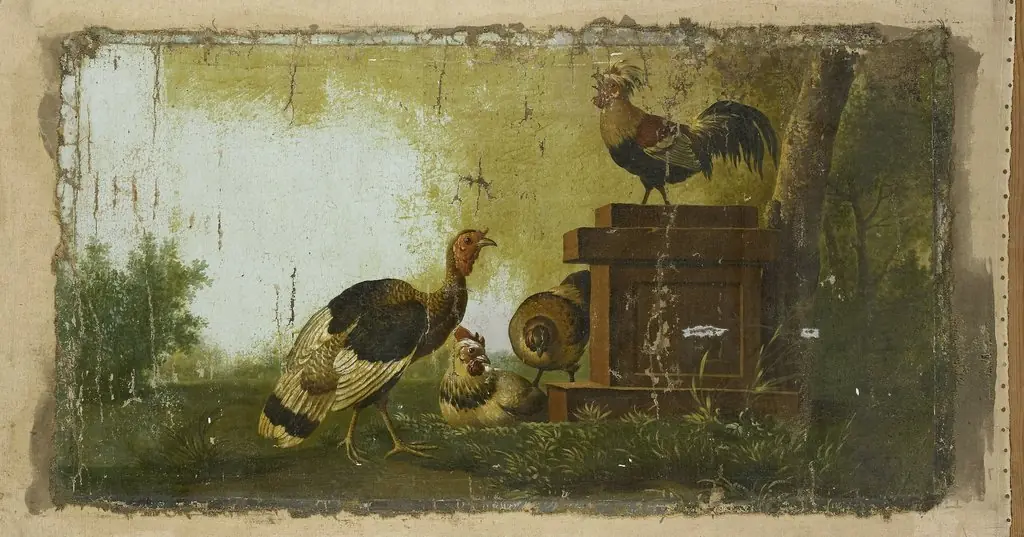
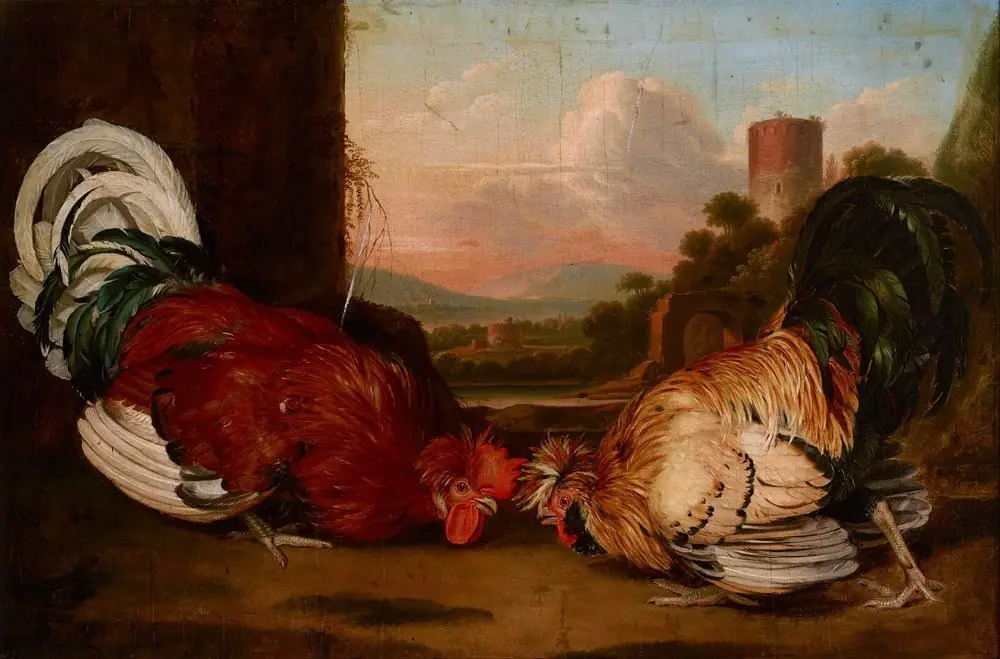
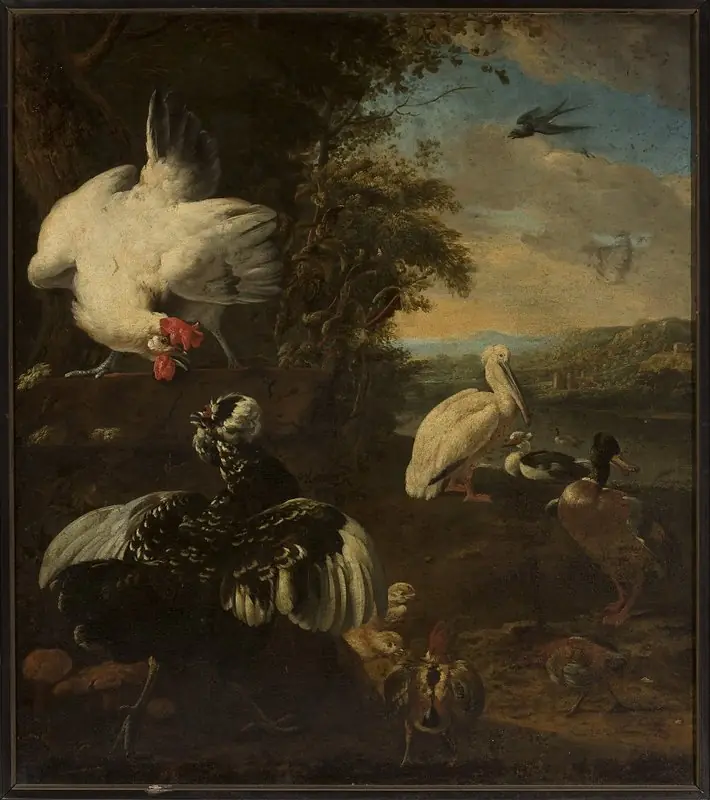
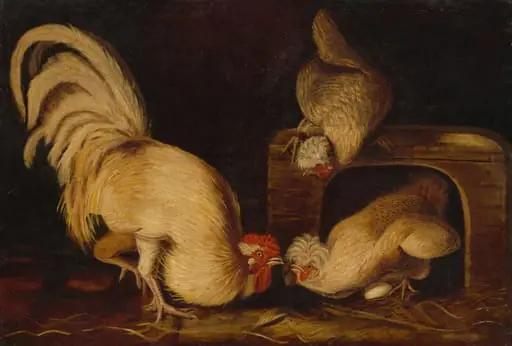
Potârnichi speriate ; pandant; Potârniche zburând is an unspecified painting by the Baroque artist Philipp Ferdinand Hamilton. It is held in the collection of the Brukenthal National Museum. This pair of paintings depicts two large birds in a natural setting, rendered with bold, tactile brushwork.
About this work
Overview
The lighting emphasizes volume and texture, using strong contrasts between light and shadow to model the birds’ forms.
This pair of paintings depicts two large birds in a natural setting, rendered with bold, tactile brushwork. The figures stand side by side, oriented in opposite directions, creating a sense of quiet tension. The background is softly blurred, suggesting foliage without detailed definition. The lighting emphasizes volume and texture, using strong contrasts between light and shadow to model the birds’ forms.
Subject & Meaning
The birds appear to be pheasants, common in Eastern European landscapes. Their stillness and proximity suggest a moment of pause, perhaps alertness or rest. The absence of human presence or narrative context invites contemplation of the animals as autonomous subjects. Their posture and directional gaze may imply awareness of unseen movement, evoking a sense of vigilance in the wild.
Technique & Style
Thick, uneven brushstrokes build the birds’ plumage, creating a rough, almost sculptural surface. The artist employs chiaroscuro to define form: deep shadows under the wings and chest contrast with highlights along the feathers, enhancing three-dimensionality. The background is rendered with loose, indistinct strokes, pushing the birds forward visually and focusing attention on their texture and posture.
History & Provenance
The works are attributed to a Romanian artist active in the late 19th or early 20th century, though precise documentation is limited. They were likely part of a private collection in Moldavia or Wallachia before entering institutional care. Their pairing as a diptych suggests intentional composition, possibly intended for domestic display rather than public exhibition.
Context
These paintings reflect a regional tradition of naturalistic wildlife depiction, influenced by European academic styles but adapted to local rural environments. Unlike ornithological illustrations, they prioritize mood and texture over scientific accuracy. Their creation coincided with a broader cultural interest in national identity and the natural world as symbols of authenticity.
Legacy
Though not widely exhibited, these works contribute to a lesser-known strand of Romanian art that valued direct observation and expressive brushwork over idealization. They remain examples of how rural subjects were treated with dignity and tactile realism, influencing later generations of artists seeking to capture the quiet presence of native fauna.
Artist & collection
Artist
This painter made quiet, precise pictures of game birds and animals caught in forests and fields.