Artwork
Animale exotice
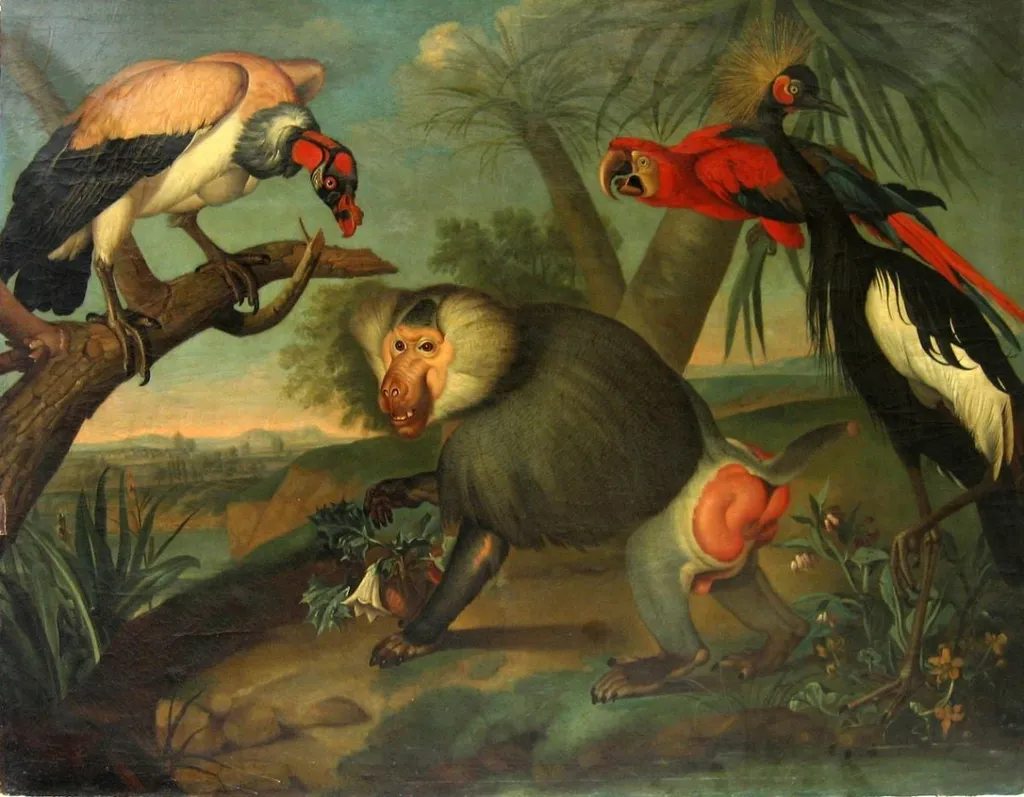
Animale exotice is a print by the Baroque artist Philipp Ferdinand Hamilton. It dates from 1726 and is held in the collection of the Brukenthal National Museum.
About this work
Overview
Created in 1726 by Philipp Ferdinand Hamilton, *Animale exotice* presents a vivid tableau of tropical fauna. Central to the composition is a grey monkey with a white face and chest, clutching a plant. Flanking the primate are a bright red parrot with a yellow crest on the right and a black‑bodied vulture with a white chest and red head on the left, all set against a lush jungle backdrop.
Subject & Meaning
The work juxtaposes three distinct animal species, each rendered with careful attention to coloration and posture, inviting contemplation of the diversity of exotic wildlife. The inclusion of the plant held by the monkey suggests a narrative of interaction with the environment, while the surrounding foliage and distant water evoke a sense of untamed nature.
Technique & Style
Hamilton employs a detailed, naturalistic approach characteristic of early 18th‑century Baroque painting, using fine brushwork to delineate feathers, fur, and foliage. The palette balances vivid reds and greens with muted earth tones, and the composition is organized around a central figure, creating a harmonious yet dynamic visual rhythm.
History & Provenance
The painting was completed in 1726, a period when European interest in exotic subjects was heightened by expanding trade routes. While specific ownership records are scarce, the work reflects the era’s fascination with far‑away lands and likely circulated among collectors of natural history and decorative art.
Artist & collection
Artist
This painter made quiet, precise pictures of game birds and animals caught in forests and fields.

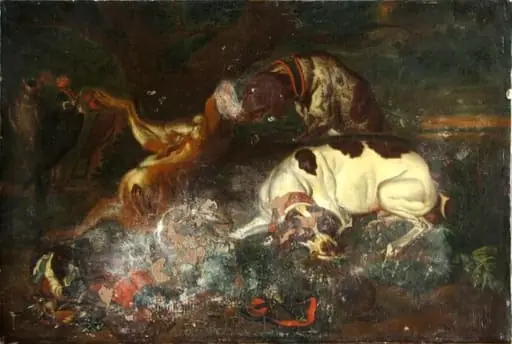 Vânat păzit de câini ; pandant: Vânat păzit de doi câini
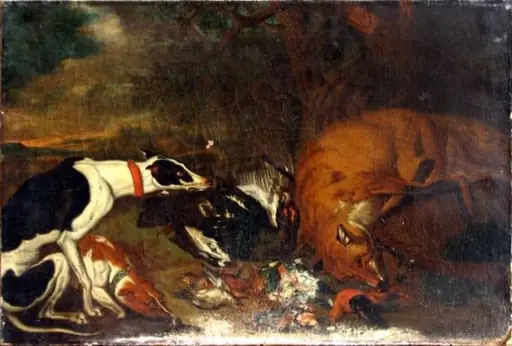 Vânat păzit de doi câini ; pandant: Vânat păzit de câini
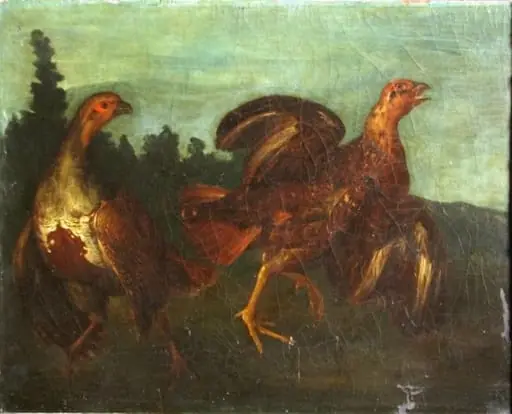 Potârnichi speriate ; pandant; Potârniche zburând
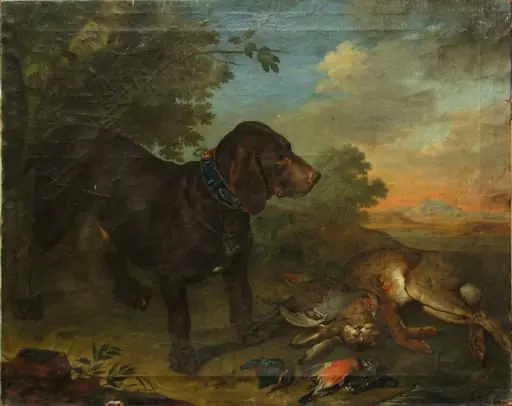 Prepelicar brun; pandant: Prepelicar alb
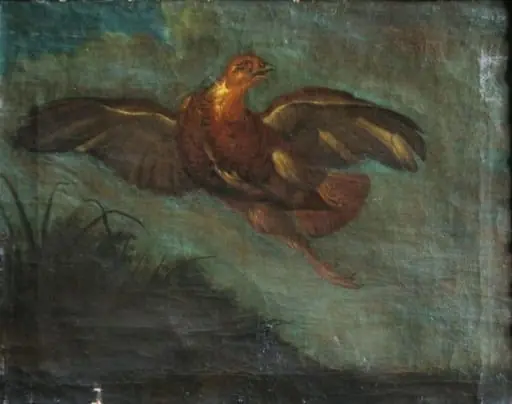 Potârniche zburând ; pandant: Potârnichi speriate
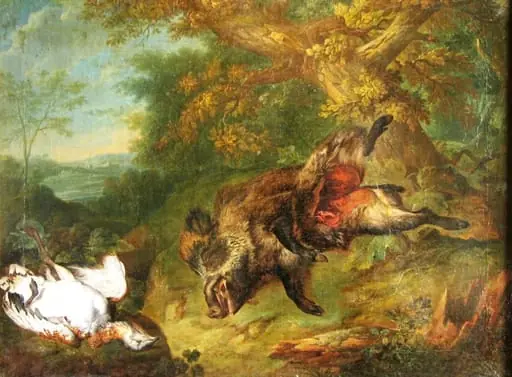 Mistreț și dropie
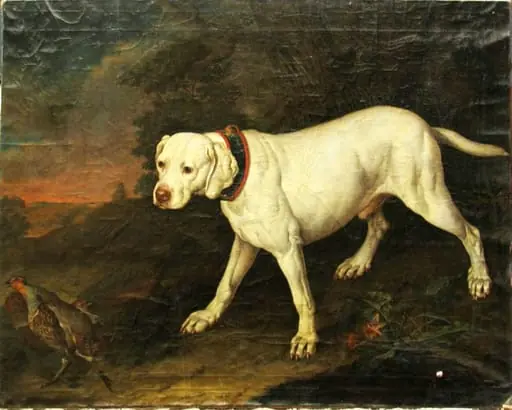 Prepelicar alb; pandant: Prepelicar brun
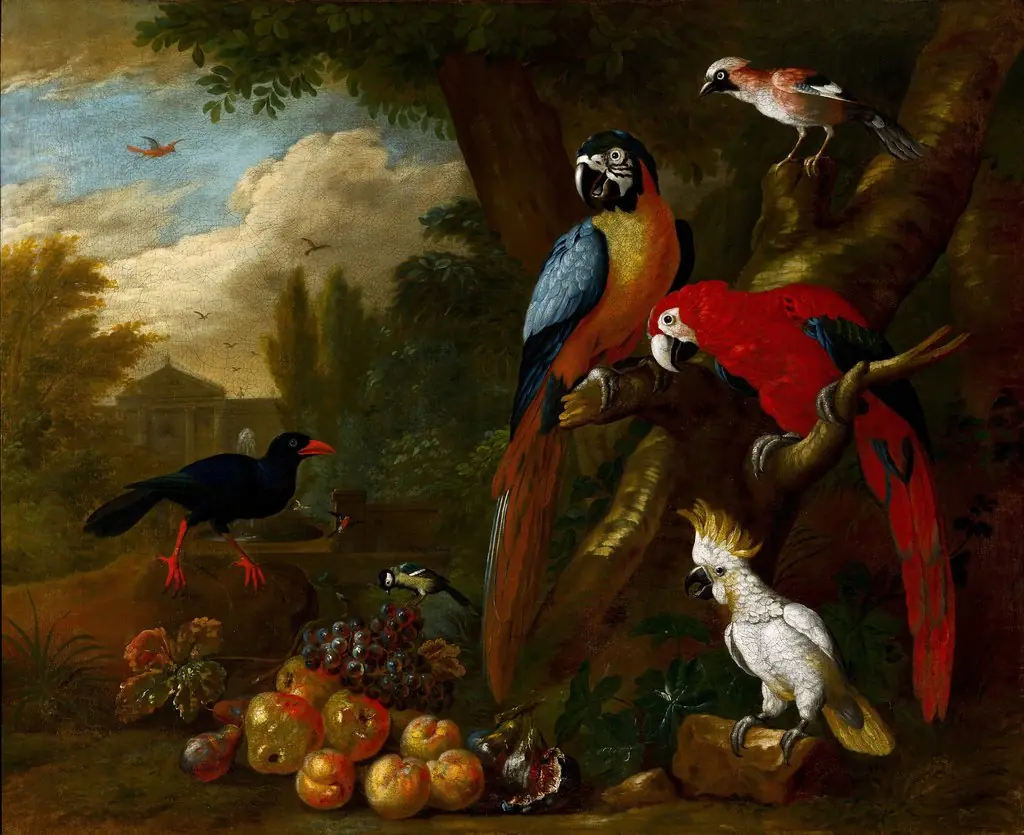 Two Macaws, a Cockatoo and a Jay, with Fruit
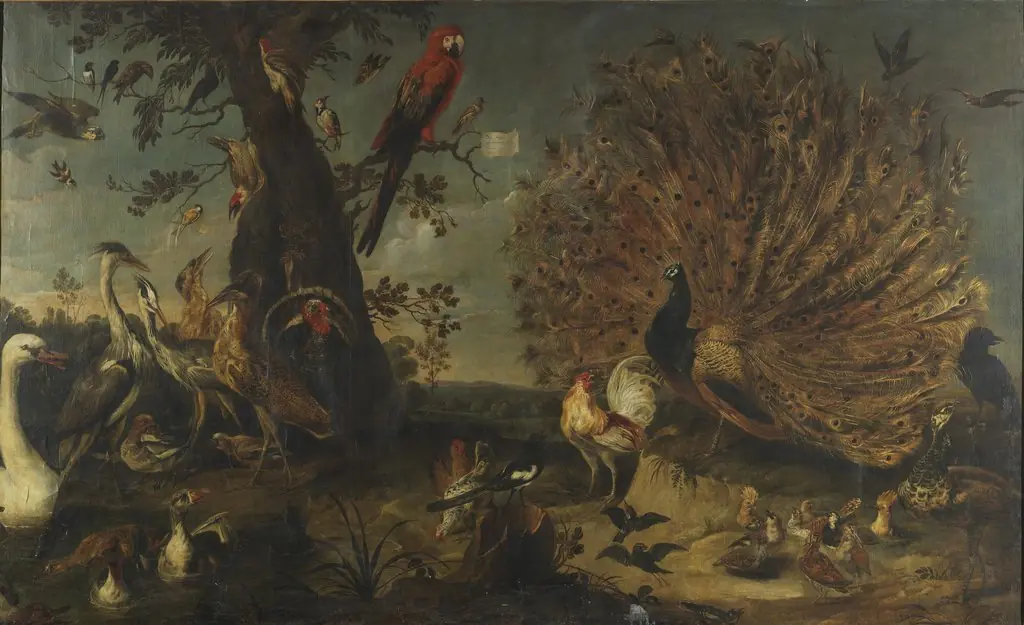 Concierto de aves
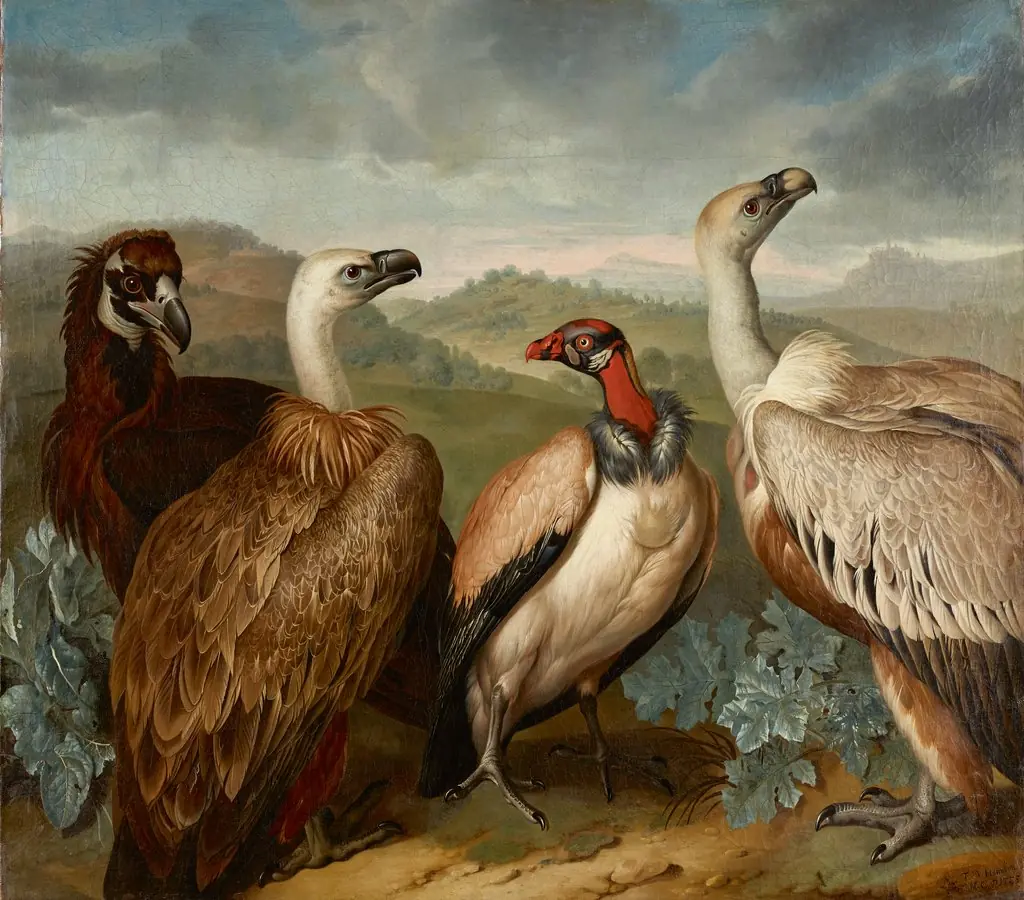 Four Vultures of Different Kind
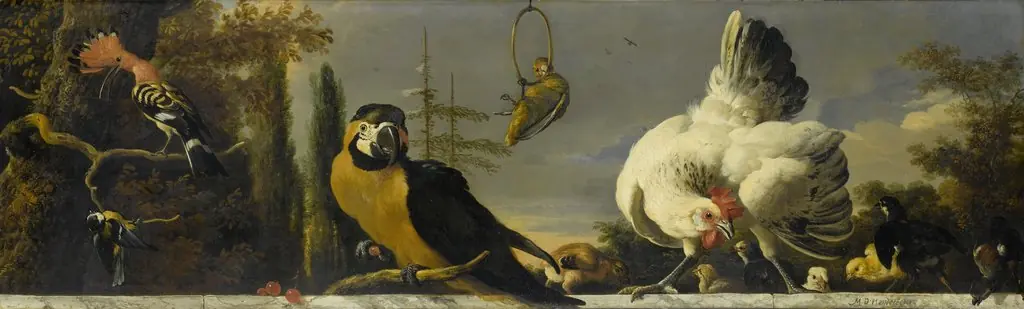 Birds on a balustrade
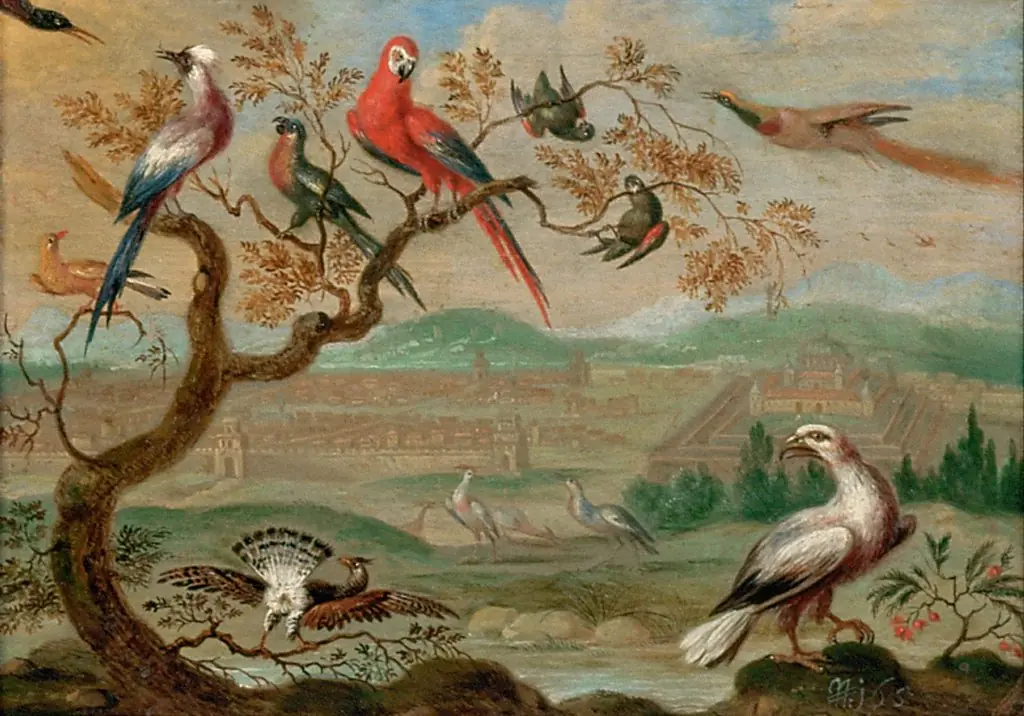 Ansichten aus den vier Weltteilen mit Szenen von Tieren: Cusco
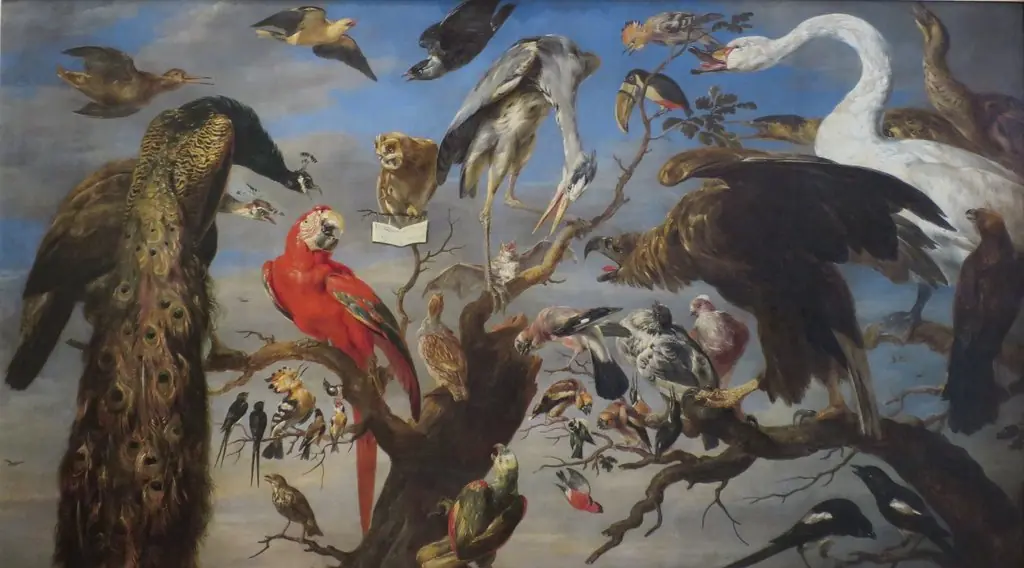 Bird's Concert
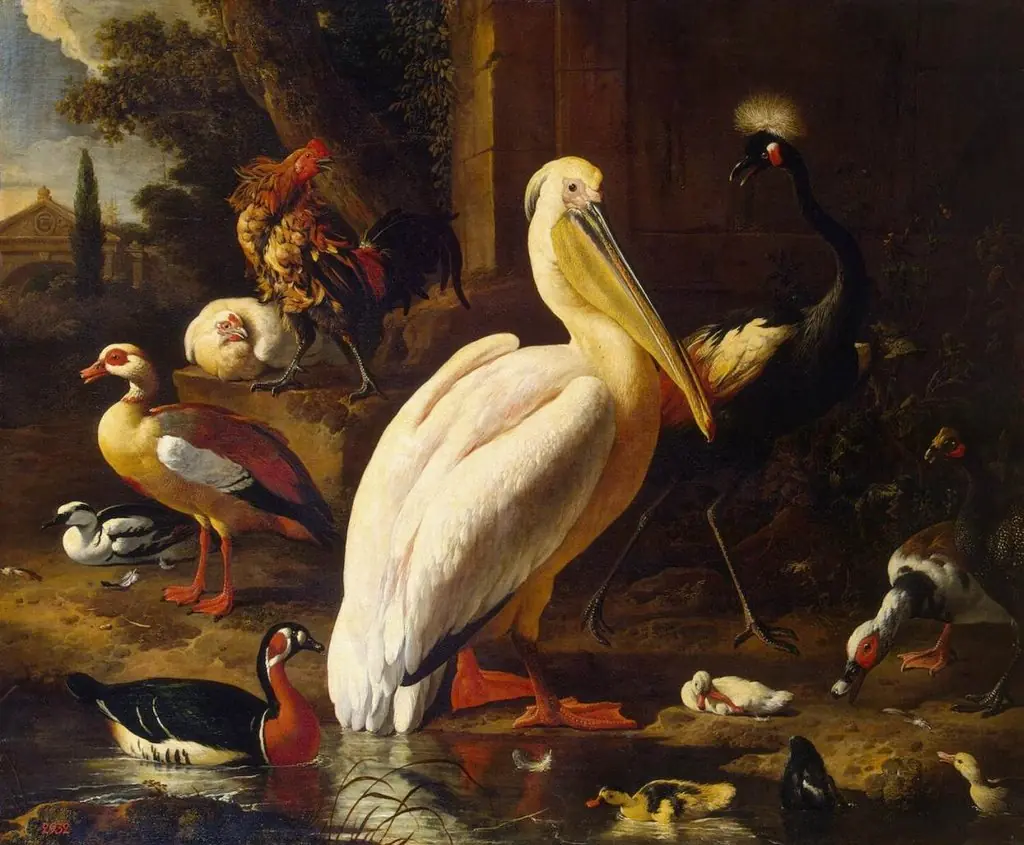 Birds in a Park
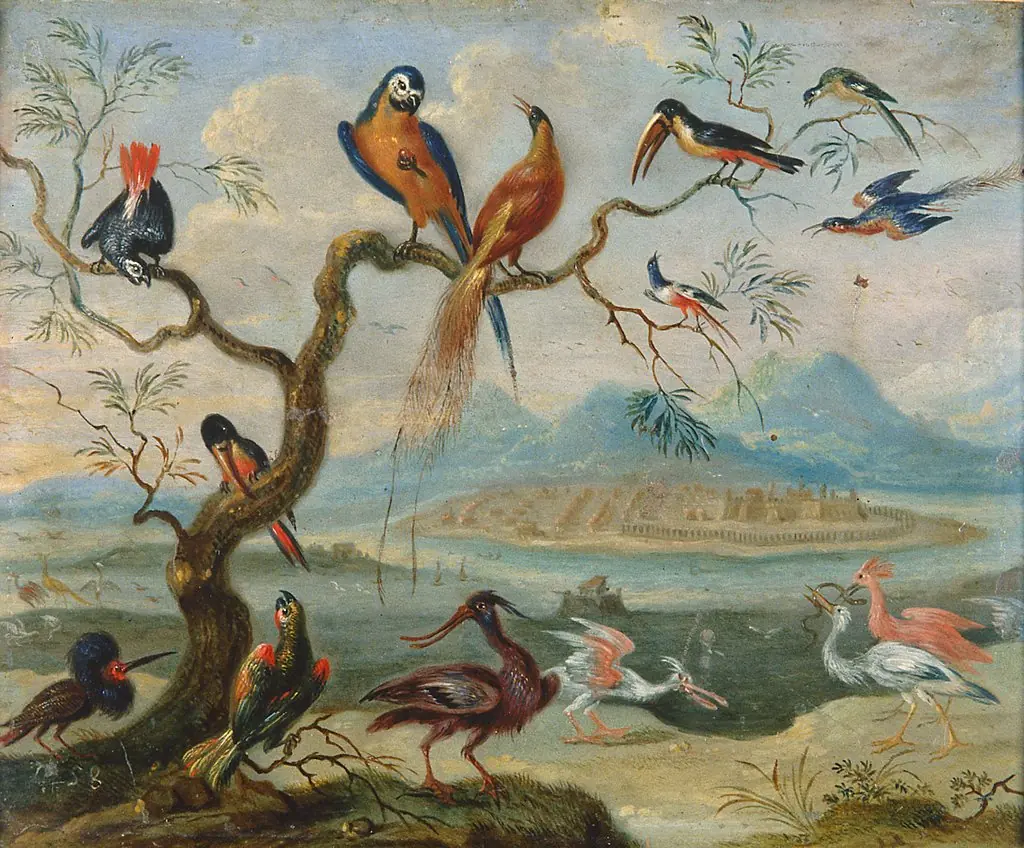 Ansichten aus den vier Weltteilen mit Szenen von Tieren: St. Merryn
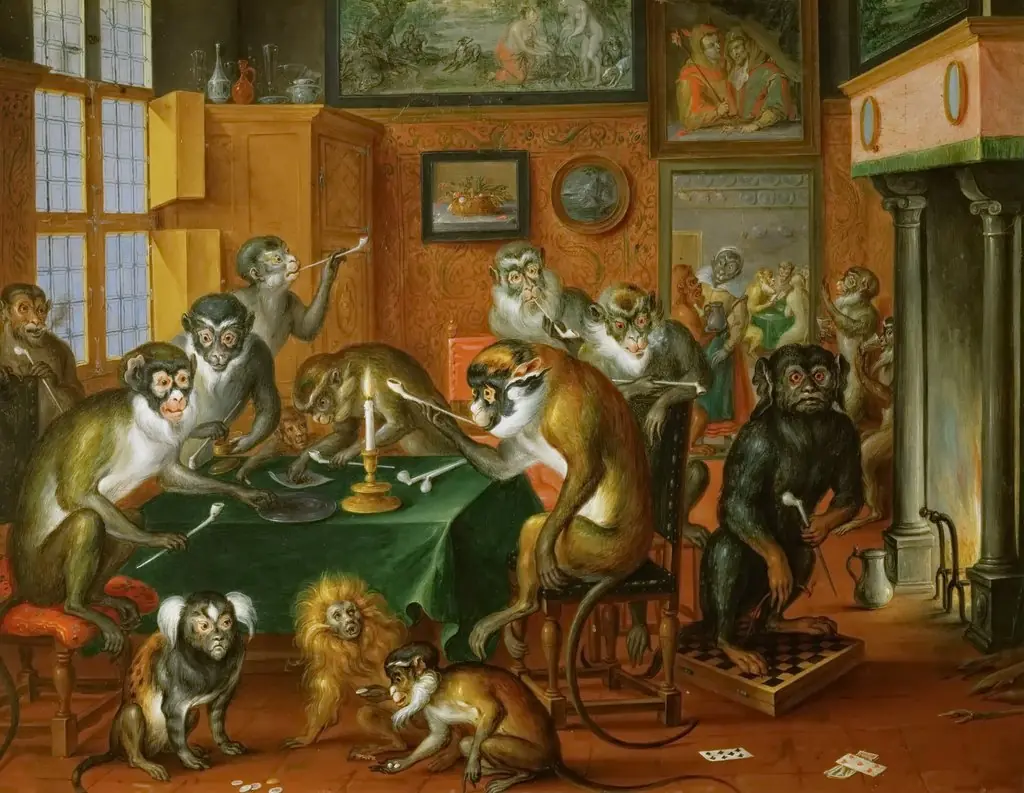 Tabakskollegium with monkeys
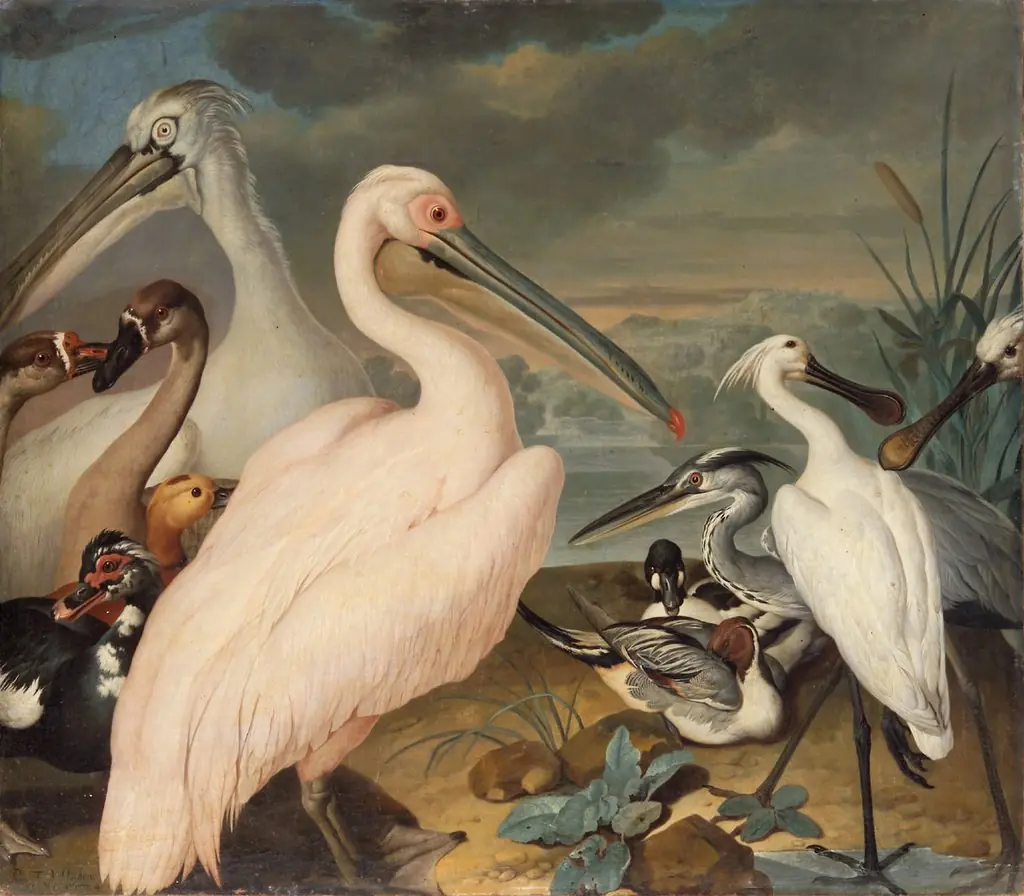 Pelikane und andere Vögel
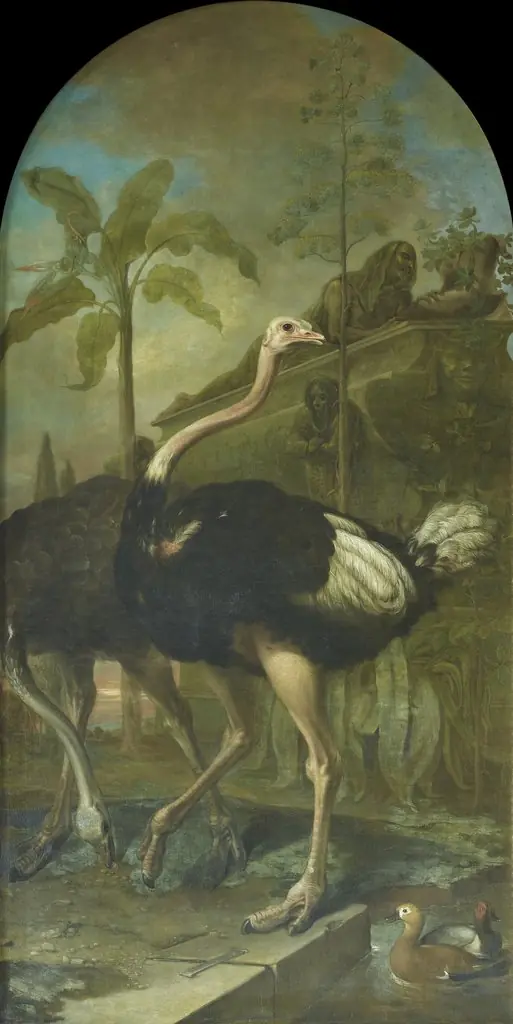 A Pair of Ostriches, a Sarcophagus in the Background
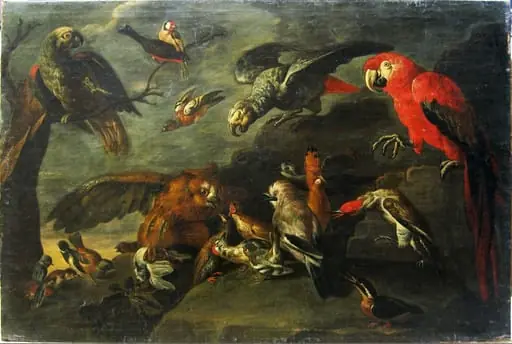 Bufniță în luptă cu diverse păsări