Artwork
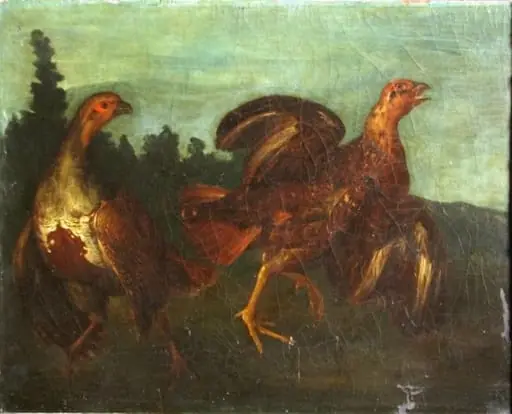
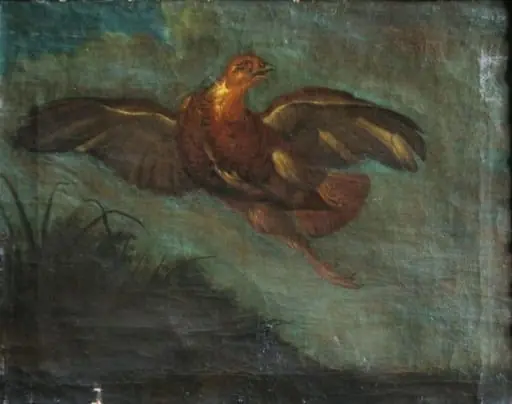
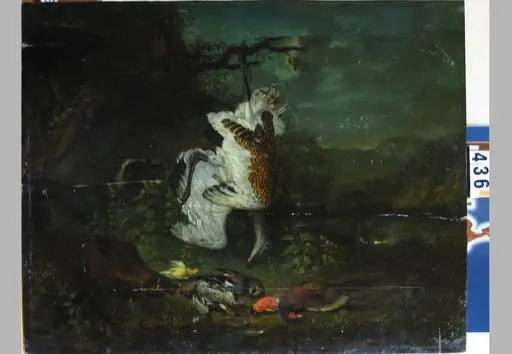
Prepelicar brun; pandant: Prepelicar alb
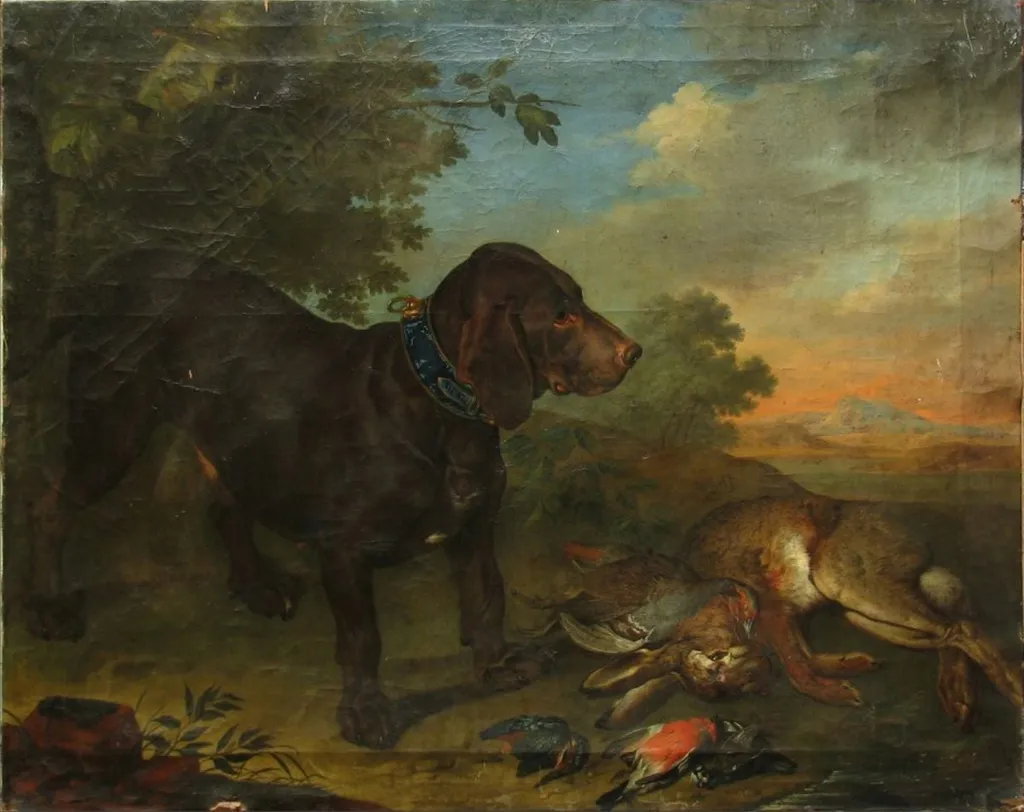
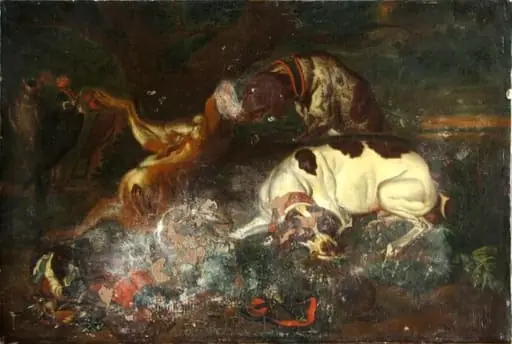
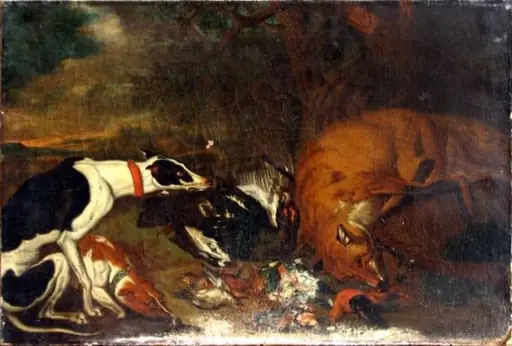
Prepelicar brun; pandant: Prepelicar alb is an unspecified painting by the Baroque artist Philipp Ferdinand Hamilton. It dates from 1728 and is held in the collection of the Brukenthal National Museum.
About this work
Overview
Their simplicity suggests a scientific or naturalist intent rather than ornamental purpose, reflecting 18th-century interests in classification and observation.
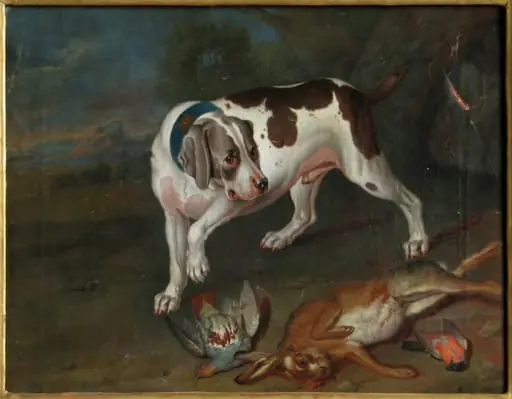
Created in 1728 by Philipp Ferdinand Hamilton, this pair of paintings depicts two birds—one brown, one white—each labeled with their respective names in Latinized form. The works are small-scale, executed with precision, and designed as companion pieces. Their simplicity suggests a scientific or naturalist intent rather than ornamental purpose, reflecting 18th-century interests in classification and observation.
Subject & Meaning
The two birds, identified as 'Prepelicar brun' and 'Prepelicar alb,' represent a single species in contrasting plumage. The labels imply an early attempt at taxonomic documentation, possibly for a private collection or scholarly study. The absence of landscape or symbolic elements directs focus to biological variation, suggesting the artist’s role as a recorder of natural detail rather than a storyteller.
Technique & Style
Hamilton rendered the birds with careful attention to feather texture and tonal gradation, using muted pigments against a neutral background. The technique avoids dramatic lighting or atmospheric effects; instead, it favors clarity and accuracy. While sometimes associated with sfumato, the work relies more on flat, even modeling to emphasize form over mood, aligning with natural history illustration conventions of the period.
History & Provenance
The paintings were likely commissioned by a collector or naturalist interested in avian diversity. Their survival as a matched pair indicates they were valued as a set, possibly displayed in a cabinet of curiosities. No public records trace their early ownership, but their format and labeling suggest a connection to Enlightenment-era efforts to systematize natural knowledge.
Context
In early 18th-century Europe, detailed depictions of animals were increasingly produced for scientific study rather than religious or decorative use. Hamilton’s work fits within this trend, paralleling the illustrated catalogs of naturalists like Mark Catesby. The use of Latinized labels reflects the scholarly language of the time, bridging art and emerging biological taxonomy.
Legacy
Though not widely known today, these paintings exemplify the quiet transition from artistic representation to scientific documentation. They contribute to a broader visual record of species observed before modern ornithology formalized classification. Their enduring value lies in their unembellished fidelity to natural form, offering insight into how visual culture supported early scientific inquiry.
Artist & collection
Artist
This painter made quiet, precise pictures of game birds and animals caught in forests and fields.