Artwork
Der Dreikönigsaltar Außentafeln: Die Heiligen Katharina und Agnes
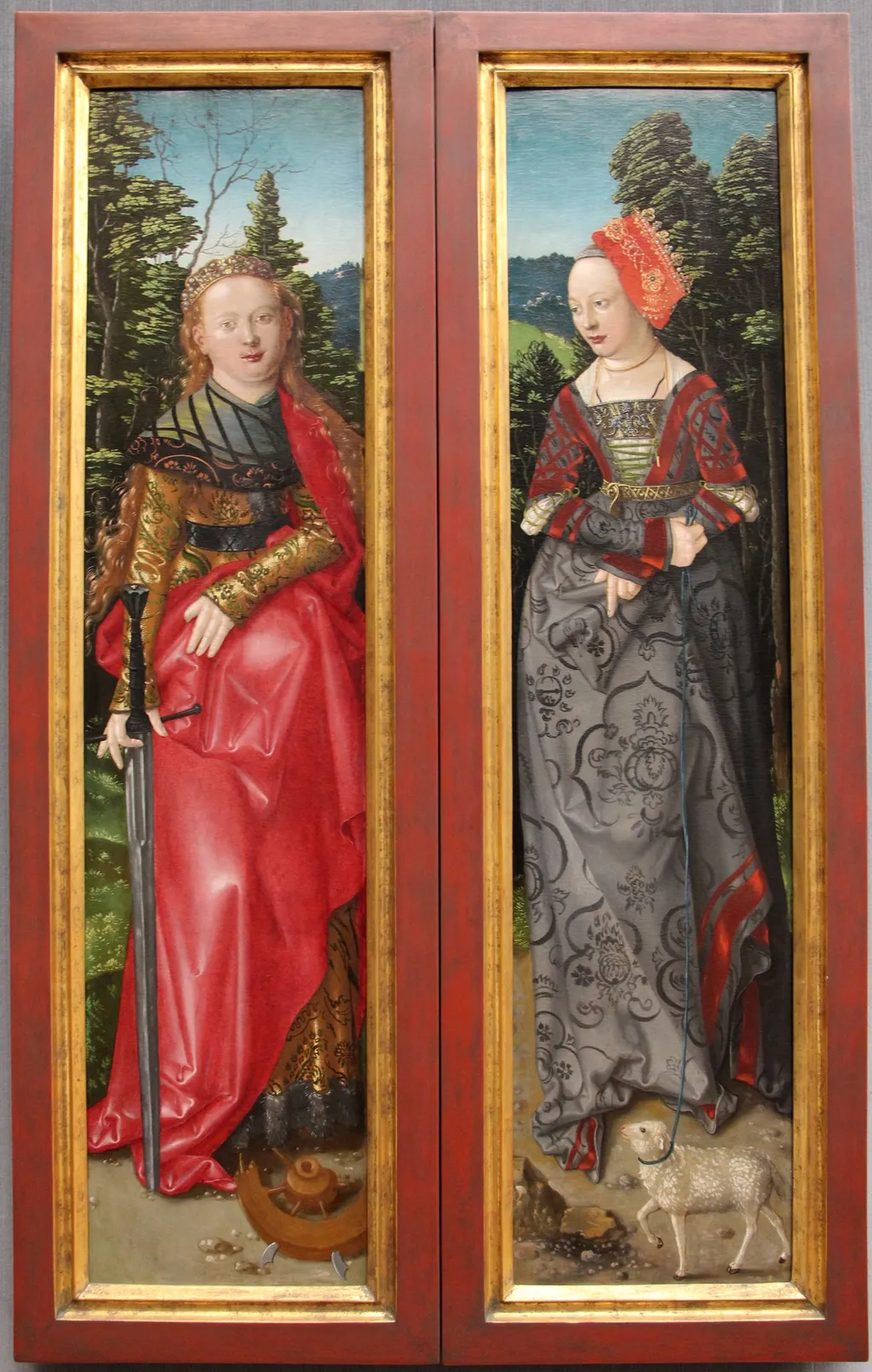
Der Dreikönigsaltar Außentafeln: Die Heiligen Katharina und Agnes is a paint painting by the Northern Renaissance artist Hans Baldung Grien. It dates from 1506 and is held in the collection of the Gemäldegalerie Berlin.
About this work
Overview
The work reflects Baldung’s early style, shaped by his training under Albrecht Dürer, and was originally intended for devotional use in a religious setting.
Painted in 1506 by Hans Baldung Grien, this diptych forms part of the exterior panels of a larger altarpiece. Executed in tempera on panel, it portrays two Christian saints—Catherine and Agnes—each depicted in individual scenes. The work reflects Baldung’s early style, shaped by his training under Albrecht Dürer, and was originally intended for devotional use in a religious setting. It is now housed in the Gemäldegalerie in Berlin.
Subject & Meaning
The left panel depicts Saint Catherine of Alexandria, identified by her crown, red hair, and the sword symbolizing her martyrdom. The right panel shows Saint Agnes, distinguished by the white lamb at her side, a traditional emblem of purity and innocence. Both saints are presented as steadfast figures of faith, their attributes conveying their stories of sacrifice and devotion. The pairing reflects a common devotional practice of honoring female saints together in medieval and Renaissance altarpieces.
Technique & Style
Baldung employed tempera paint to achieve sharp detail and luminous color, particularly in the rich reds of the saints’ garments and the subtle gradations of their skin tones. His figures exhibit elongated proportions and expressive gestures, hinting at the emerging Mannerist tendencies in his work. The background of soft blue sky and sparse trees provides a quiet, atmospheric setting that focuses attention on the saints’ solemn presence and intricate costumes.
History & Provenance
Created as part of a triptych altarpiece commissioned for a church, the outer panels were likely visible during non-feast days, when the inner panels remained closed. The work remained in German ecclesiastical collections until the 19th century, after which it entered the collection of the Gemäldegalerie Berlin. Its preservation as a pair suggests it was never separated from its original context until modern institutional acquisition.
Context
In early 16th-century Germany, altarpieces served both liturgical and didactic functions, visually reinforcing saintly virtues for congregations. Baldung’s depiction of Catherine and Agnes aligns with contemporary devotional imagery, yet his attention to individualized expression and texture sets his work apart from more formulaic contemporaries. The use of vivid color and detailed textiles reflects the influence of Netherlandish painting, filtered through his Northern Renaissance sensibility.
Legacy
This diptych exemplifies Baldung Grien’s role in transitioning German art from late Gothic conventions toward more psychologically nuanced representations. While not widely reproduced, it remains a key example of early 16th-century panel painting in the German-speaking world. Its survival in near-original condition allows scholars to study his technique and the evolving iconography of female saints in Protestant and Catholic regions before the Reformation.
Artist & collection
Artist
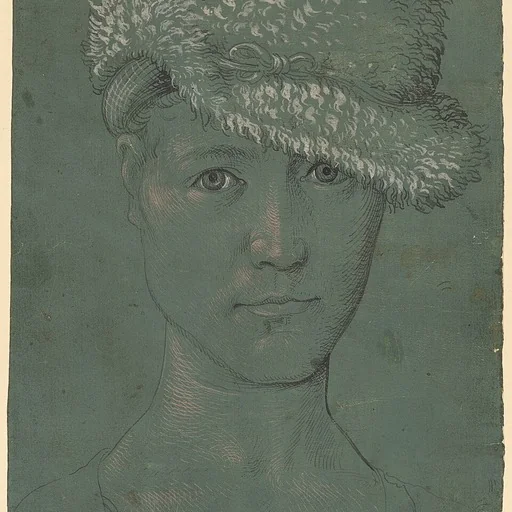
Hans Baldung (1484 or 1485 – September 1545), called Hans Baldung Grien, (being an early nickname, because of his predilection for the colour green), was a painter, printer, engraver, draftsman, and stained glass…

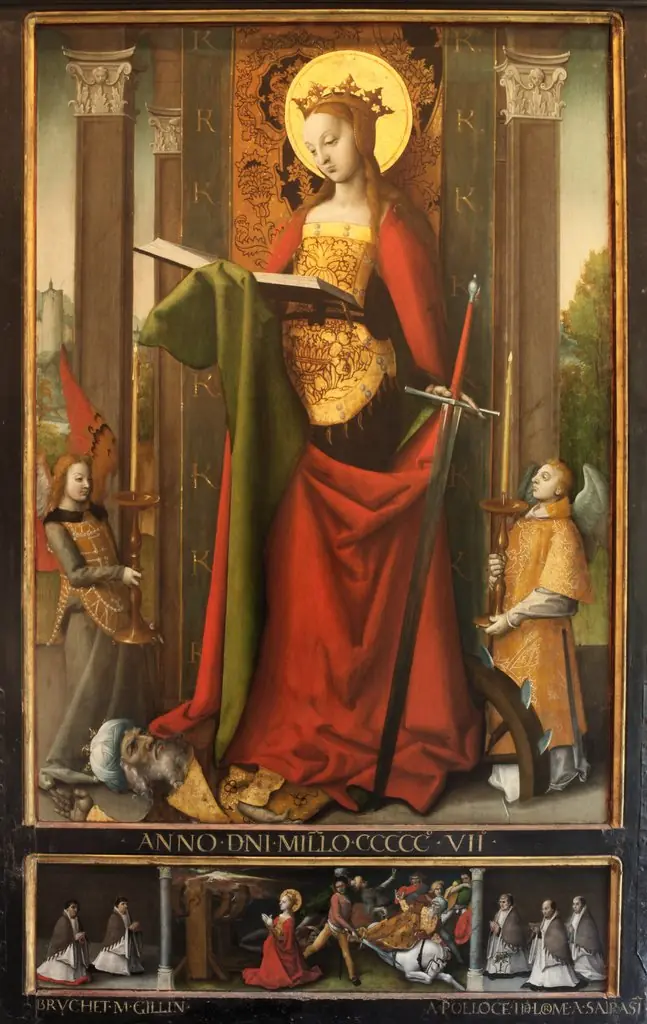 Saint Catherine
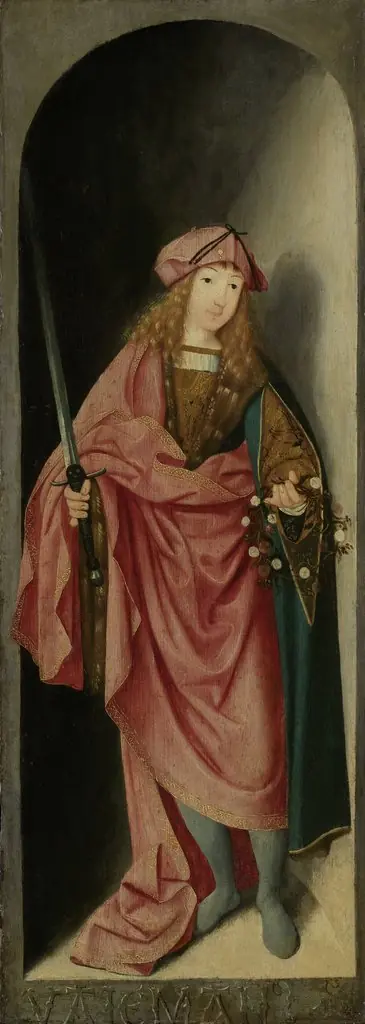 Left wing of a triptych with St Valerianus
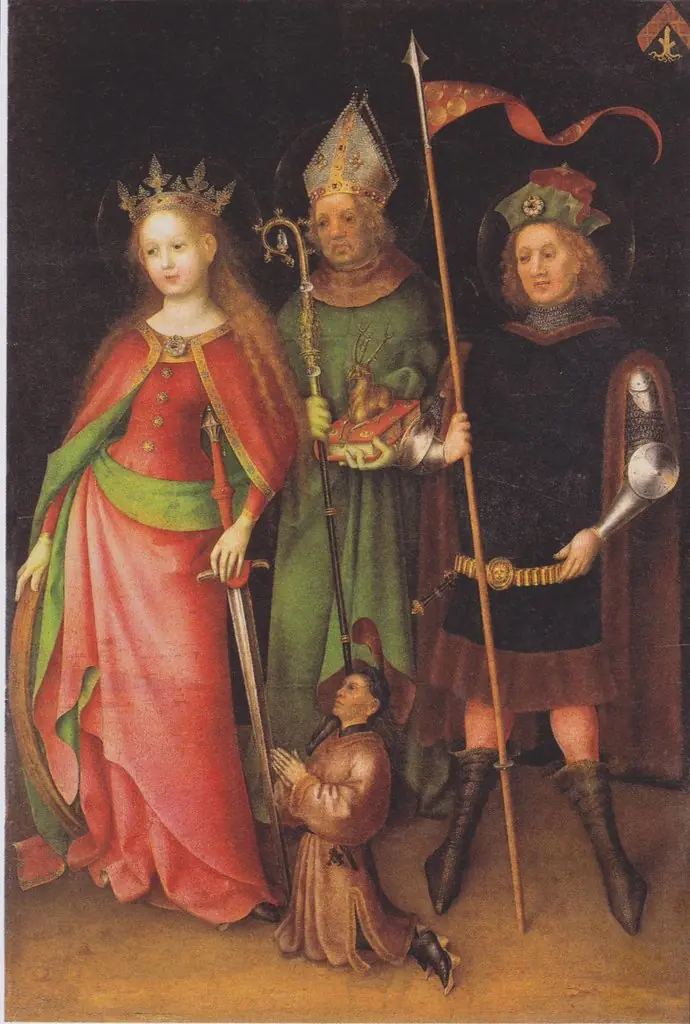 Sts. Catherine, Hubert and Quirinus (Last-Judgement-Altar)
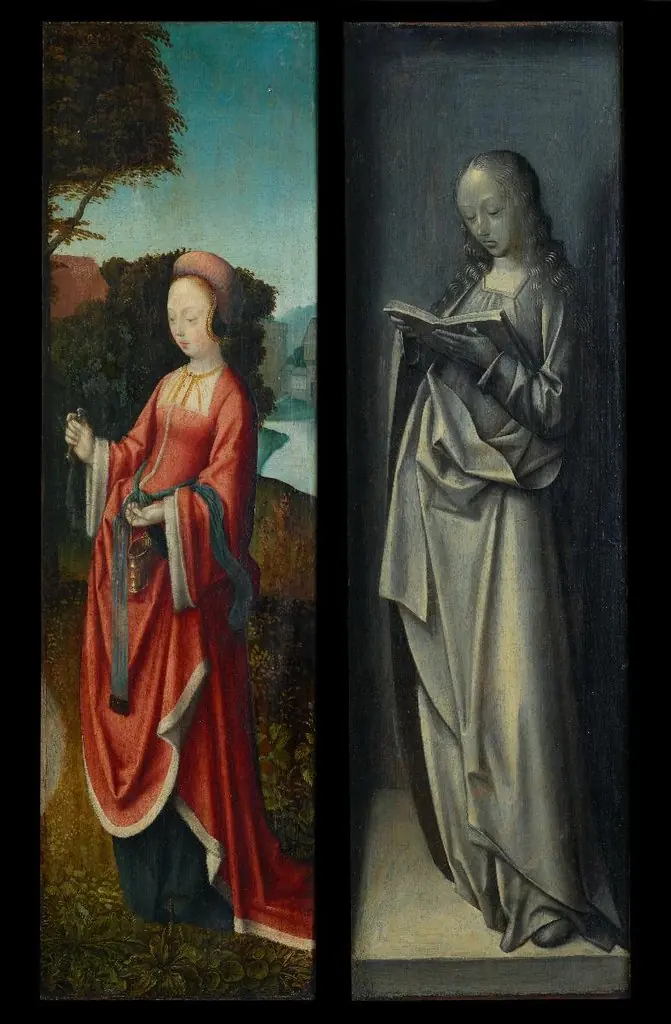 Rechter Flügel: St. Martha. Aussenseite: Verkündigungsmaria
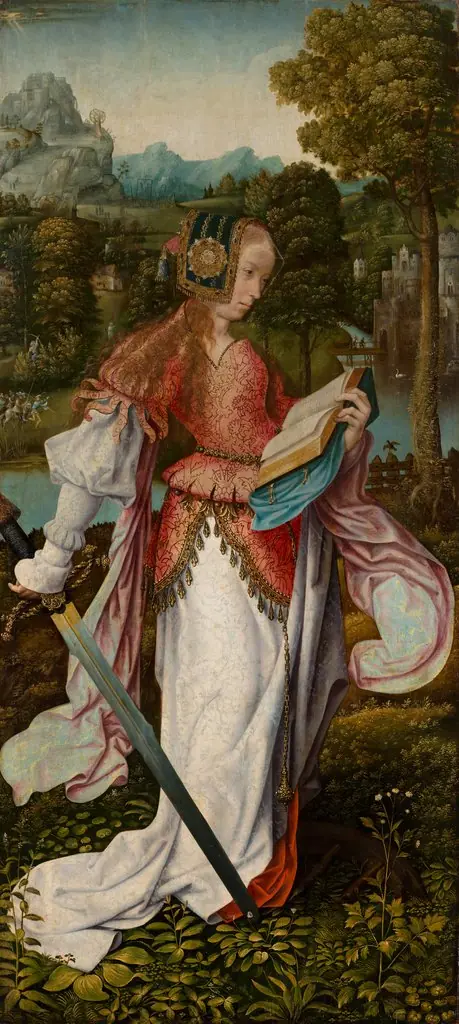 Saint Catherine
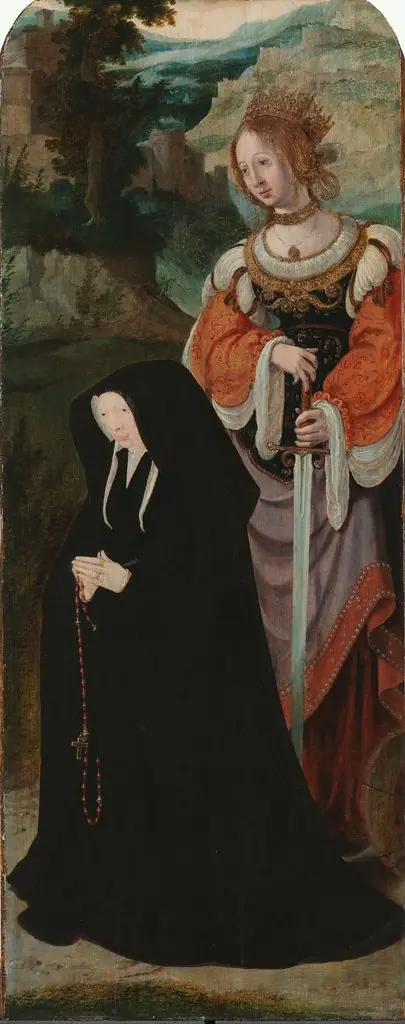 Wing of Lazarus tritptych with donor and Saint Catharine
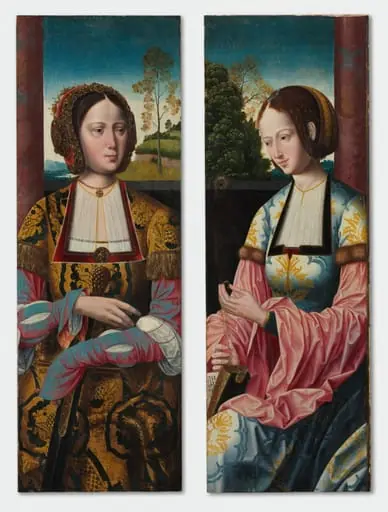 Saint Catherine and Saint Barbara (pair)
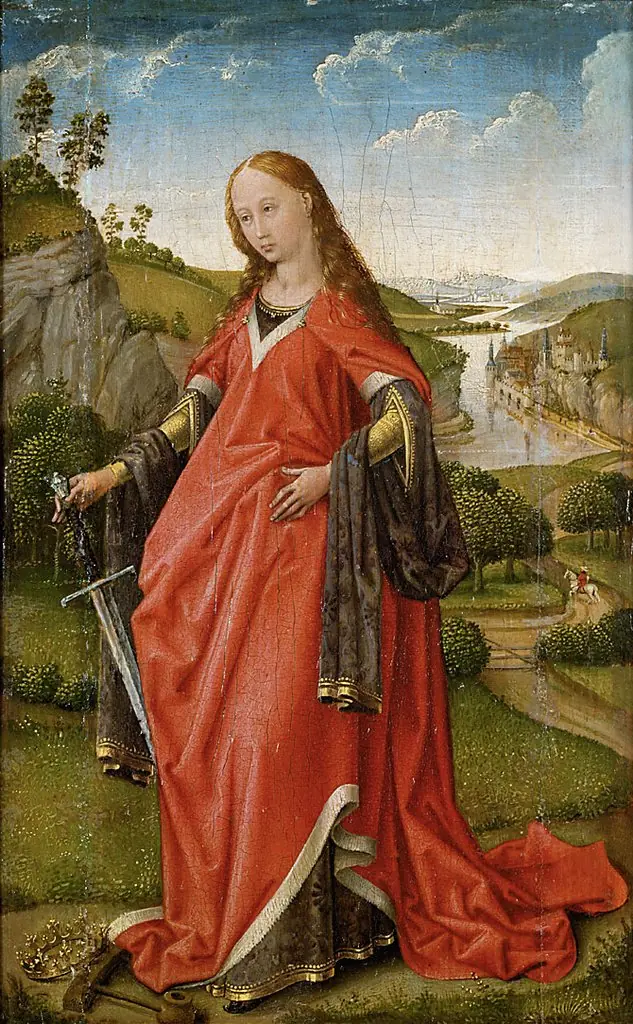 Right wing of a diptych: St. Katharina
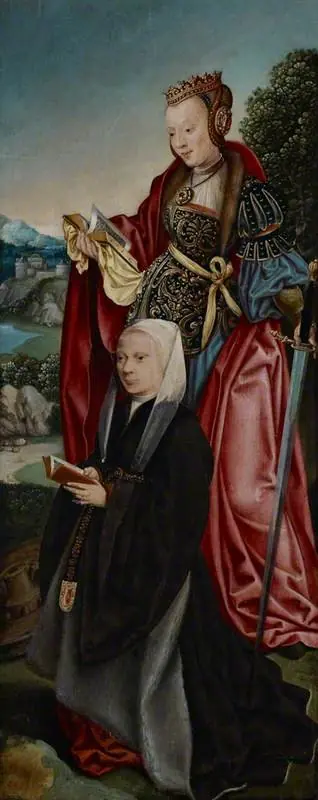 Saint Catherine and the Donor's Wife
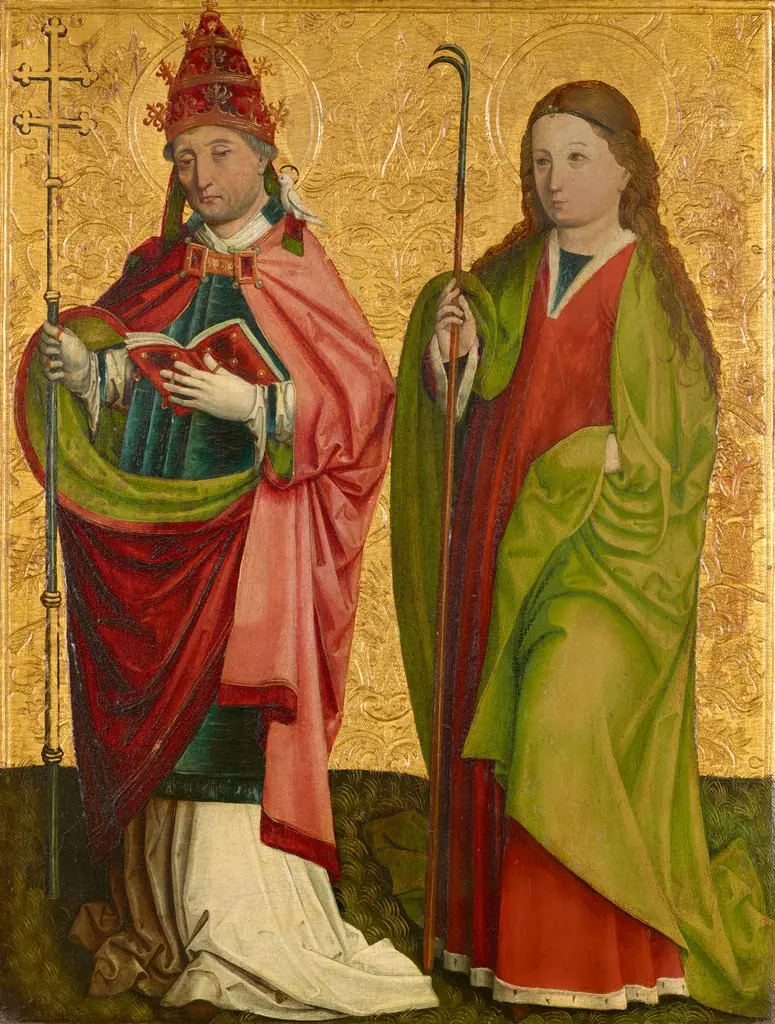 Rechter Flügel des sog. Pretschlaipfer-Triptychons: Hll. Gregor und Agathe (Innenseite); Hll. Erasmus und Barbara (Außenseite)
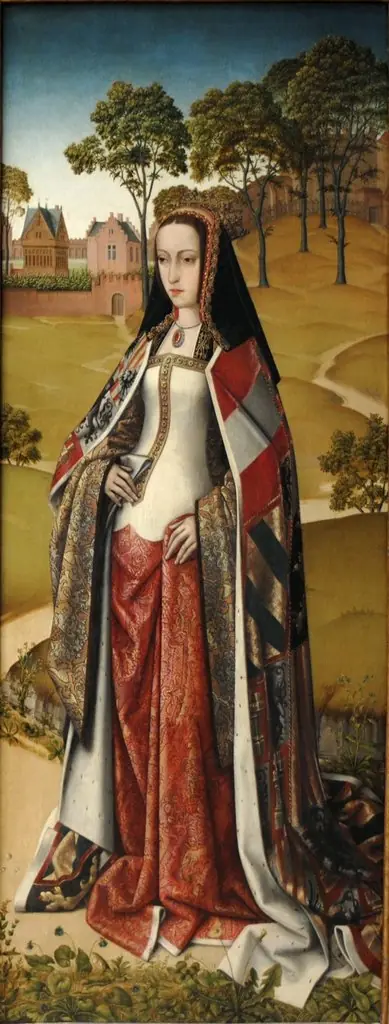 Portrait of Joan of Castile
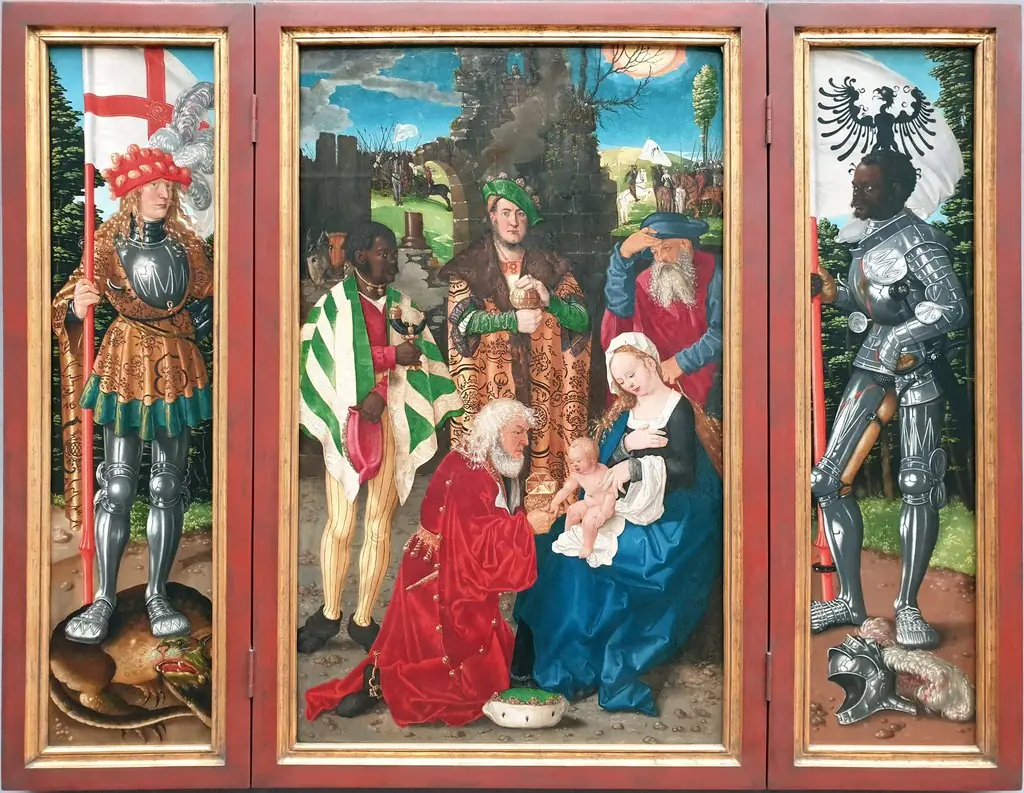 Der Dreikönigsaltar Innentafeln: Anbetung der Könige, der Heilige Georg und der Heilige Mauritius