Artwork
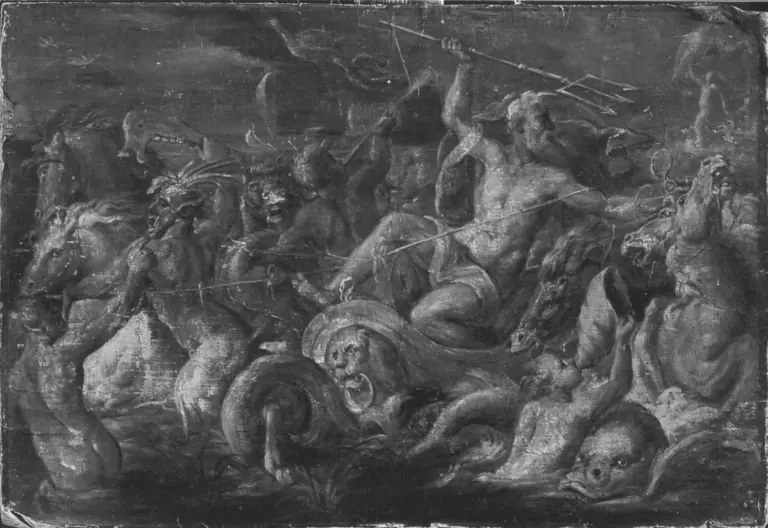
Neptun auf einem Muschelwagen (zugeschrieben)
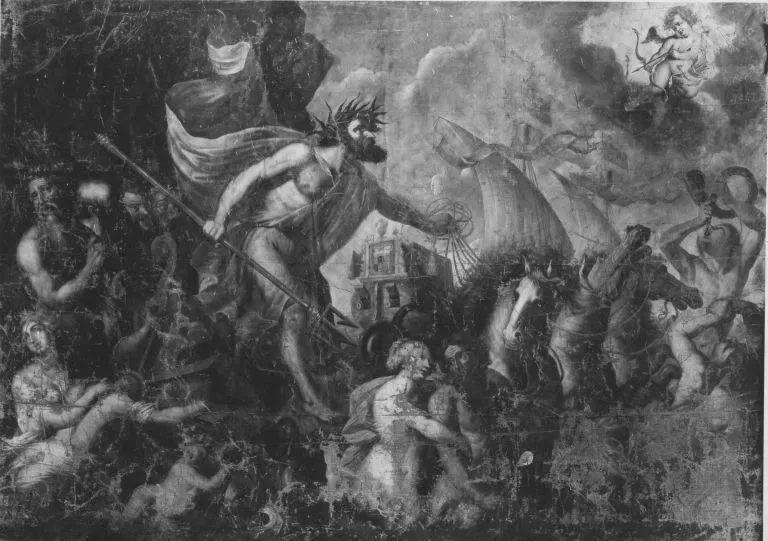
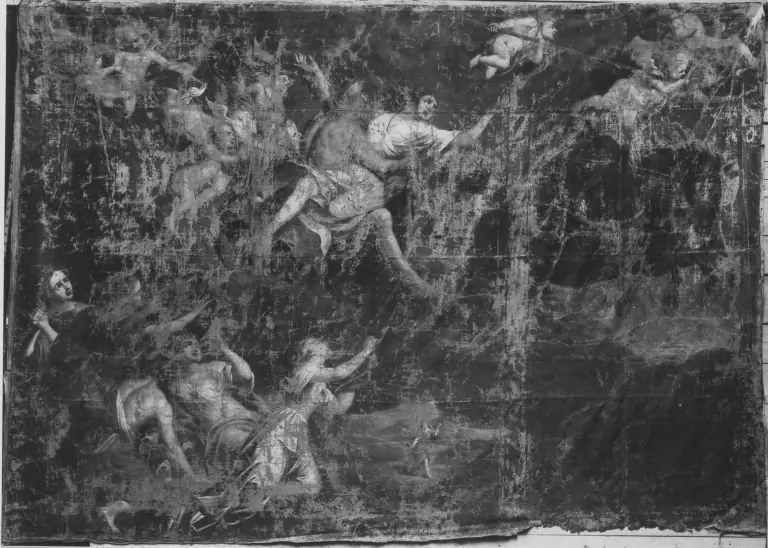
Neptun auf einem Muschelwagen (zugeschrieben) is an unspecified painting by the Mannerist artist Hans Bocksberger the Younger. It dates from 1556 and is held in the collection of the Bavarian State Painting Collections.
About this work
Overview
Attributed to Hans Bocksberger the Younger, this 1556 painting portrays a mythological scene centered on Neptune, depicted in motion atop a shell-drawn chariot.
Attributed to Hans Bocksberger the Younger, this 1556 painting portrays a mythological scene centered on Neptune, depicted in motion atop a shell-drawn chariot. The work resides in the Alte Pinakothek in Munich. Its composition is dense with figures, arranged dynamically against a shadowed backdrop, emphasizing movement and emotional intensity. The lighting contrasts sharply between the central group and the surrounding darkness.
Subject & Meaning
The central figure, Neptune, holds a trident-like staff, suggesting dominion over the sea. Surrounding him are nude attendants, some in agitation, evoking the turbulence of oceanic forces. The scene likely illustrates Neptune’s emergence or command, drawing from classical mythology to convey natural power. The chaotic arrangement reflects Renaissance interpretations of divine authority amid elemental disorder.
Technique & Style
The artist employs chiaroscuro to model forms and direct attention toward Neptune, using deep shadows to isolate the central group. Brushwork is expressive, with loose rendering of limbs and drapery that enhances the sense of motion. The dark background recedes, while the illuminated right side introduces a subtle spatial contrast, though the composition remains intentionally crowded and unresolved.
History & Provenance
The painting entered the collection of the Alte Pinakothek in the 19th century, with its attribution to Hans Bocksberger the Younger established through stylistic comparison with his documented works. Earlier records are sparse, but its presence in Bavarian collections by the 1800s suggests it was acquired during the region’s broader interest in Northern Renaissance mythological themes.
Context
Created in the mid-16th century, the work reflects the enduring influence of classical mythology in Central European art, particularly among courts and collectors seeking allegorical imagery. While Italian Mannerism influenced its dynamism, the painting’s rougher execution and emotional intensity align more closely with regional Northern traditions, where myth was rendered with visceral immediacy rather than idealized harmony.
Legacy
Though not widely reproduced or studied, the painting remains a notable example of lesser-known Northern Renaissance mythological scenes. Its raw energy and unpolished technique offer insight into how classical themes were adapted outside Italy, revealing a more visceral, less refined approach to myth that resonated with local patrons seeking dramatic, emotionally charged imagery.
Artist & collection
Artist
Hans Bocksberger the Younger (1525–1587) was an artist, born in Salzburg.

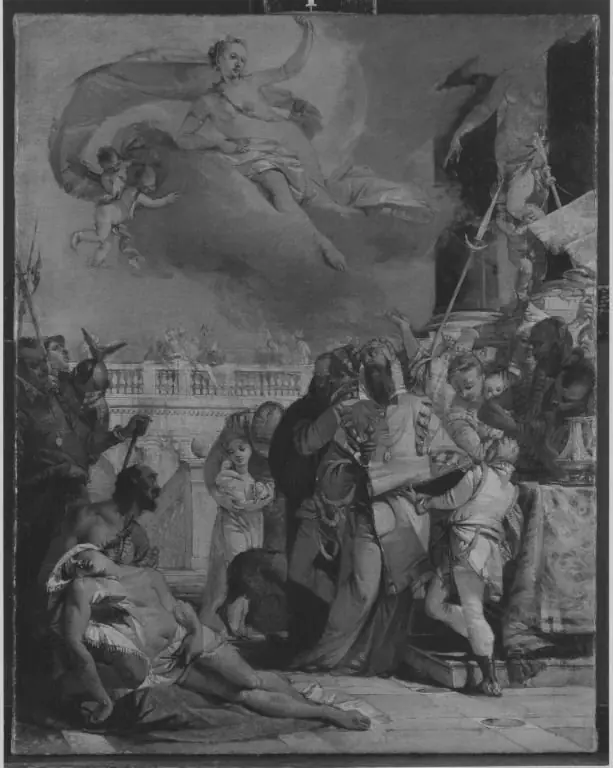 Opferung der Iphigenie
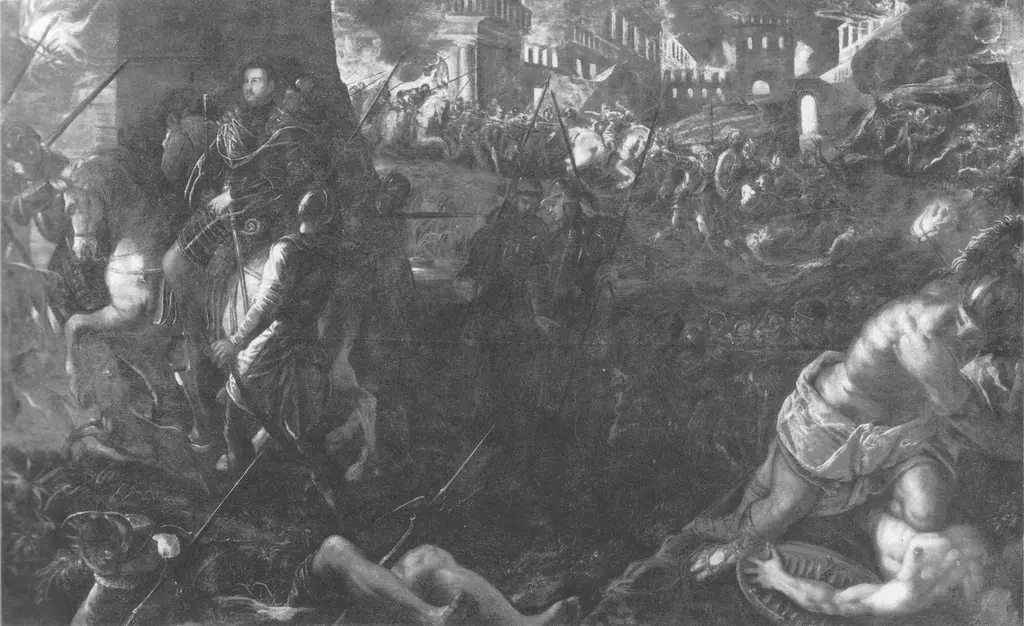 Gonzaga-Zyklus, II. Reihe, 1. Einnahme von Mailand
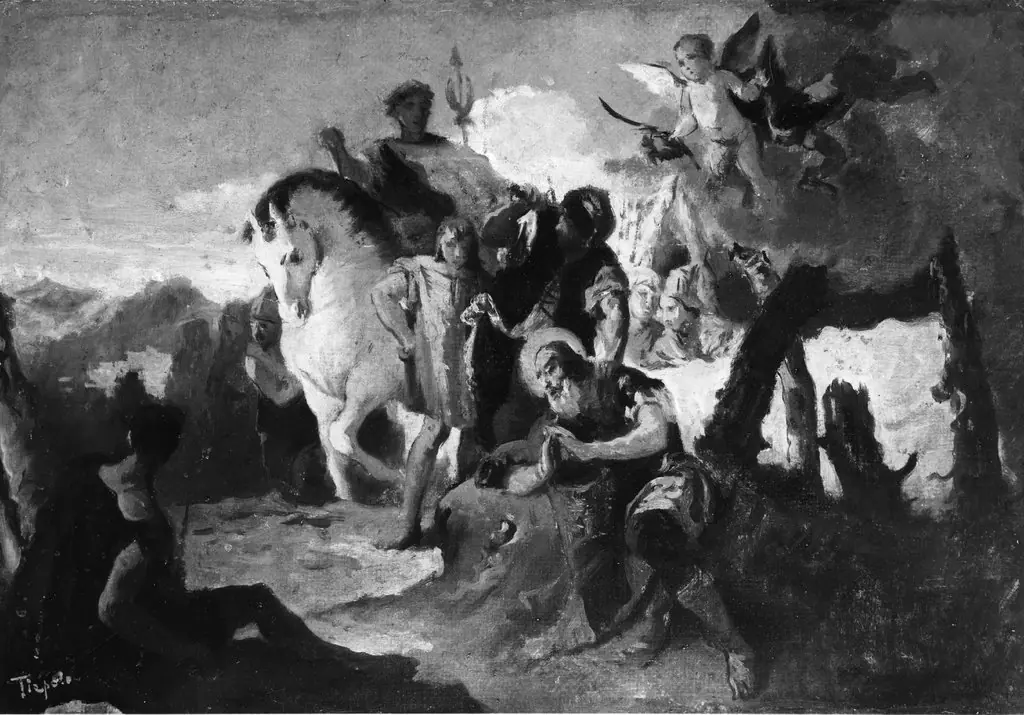 Beheading of a Martyr
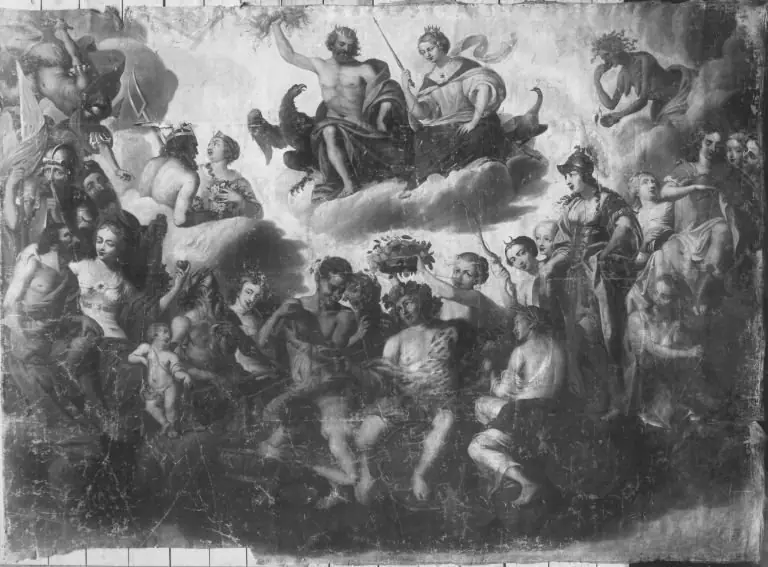 Götterversammlung (zugeschrieben)
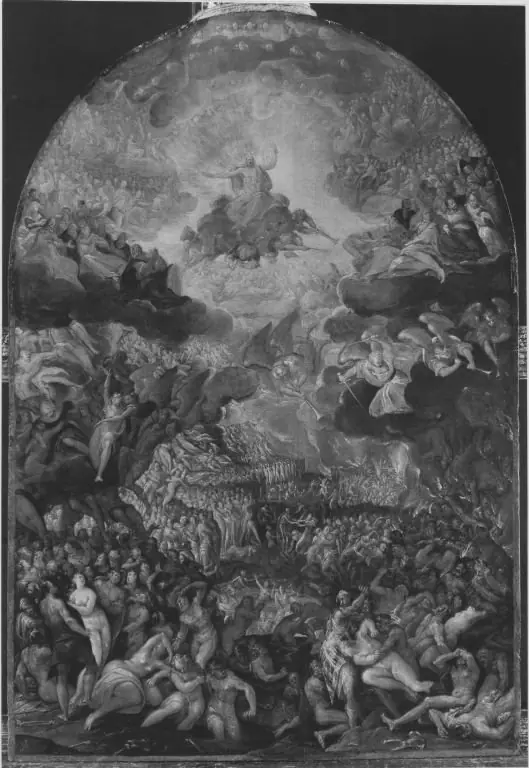 Jüngstes Gericht
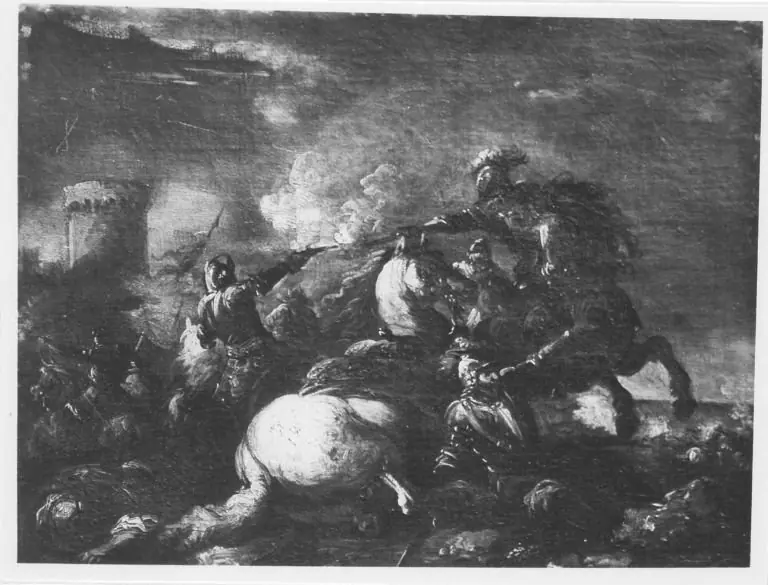 Reitergefecht
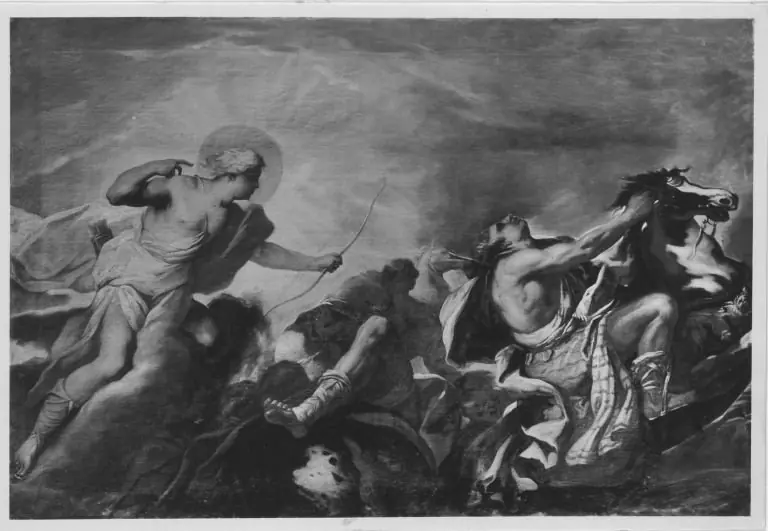 Apollo tötet die Kinder der Niobe
 The Baptism of Christ
 Diana tötet die Kinder der Niobe
 Bethlehemitischer Kindermord
 Iphigenie wird zum Tempel geführt