Artwork
Portrait of Robert Cheseman (1485-1547)
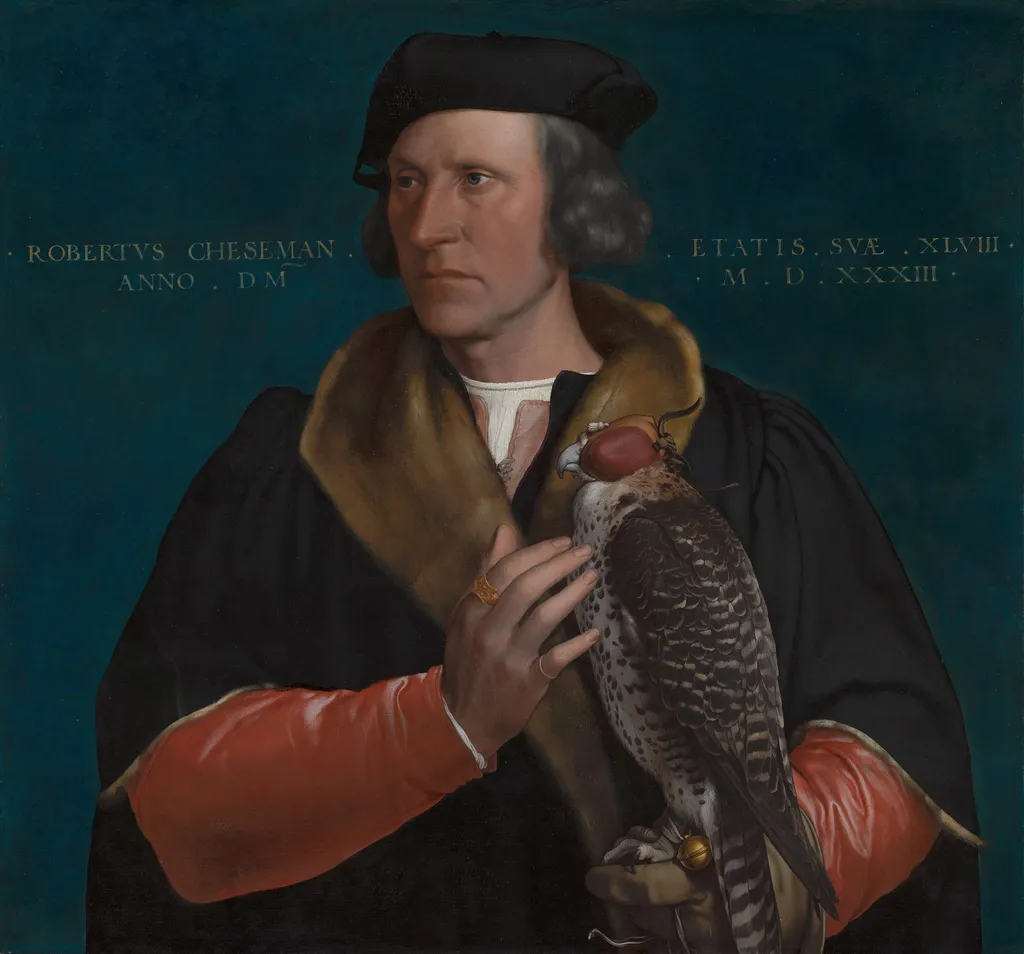
Portrait of Robert Cheseman (1485-1547) is an oil painting by the Northern Renaissance artist Hans Holbein the Younger. It dates from 1533 and is held in the collection of the Mauritshuis.
About this work
Look up Hans Holbein the Younger next to see how he painted other portraits.
A man in a dark robe holds a hawk on his arm. His face is serious, with short hair and a black hat. The bird has a red jingle bell on its leg and a red hood covering its head. The background is plain and dark blue.
The name "Robert Cheseman" is written at the top, along with the year 1533. The man’s outfit and the bird suggest he might be someone important.
Look up Hans Holbein the Younger next to see how he painted other portraits.
Overview
Painted in 1533 by Hans Holbein the Younger, this oil portrait captures Robert Cheseman, an English gentleman associated with falconry. The work is executed with precise detail and a restrained palette, typical of Holbein’s approach to portraiture. It resides in the Mauritshuis collection, reflecting the artist’s reputation for capturing individual identity through careful observation rather than idealization.
Subject & Meaning
Robert Cheseman is depicted with a trained hawk on his gloved arm, its head covered by a red hood and a jingle bell attached to its leg. These elements signal his participation in the aristocratic sport of falconry, a practice tied to status and leisure in early 16th-century England. His solemn expression and formal attire suggest dignity and social standing, emphasizing identity over narrative.
Technique & Style
Holbein employed thin layers of oil paint to render textures with clinical precision—the weave of fabric, the feathers of the bird, the metallic glint of the bell. The dark blue background isolates the figure, focusing attention on subtle facial modeling and the quiet intensity of the subject’s gaze. His brushwork is controlled, avoiding flourish in favor of clarity and psychological presence.
History & Provenance
The painting was completed during Holbein’s first visit to England, where he worked for the court and aristocracy. Robert Cheseman’s identity as a minor noble or landowner is documented in historical records, though little is known of his personal life. The portrait entered the Mauritshuis collection in the 19th century, likely through European art acquisitions.
Context
Falconry was a privileged pastime among the English elite, symbolizing control, patience, and social hierarchy. Holbein’s portraits from this period reflect the growing importance of individual identity in Tudor England, where likenesses served as markers of status and lineage. The inclusion of specific accoutrements like the bell and hood aligns with contemporary heraldic and sporting traditions.
Legacy
This portrait exemplifies Holbein’s role in shaping the conventions of Northern Renaissance portraiture—direct, unembellished, and psychologically acute. While not widely exhibited, it remains a key example of how material culture and personal identity were intertwined in early modern visual culture, influencing later generations of portraitists.
Own this work as a print
Artist & collection
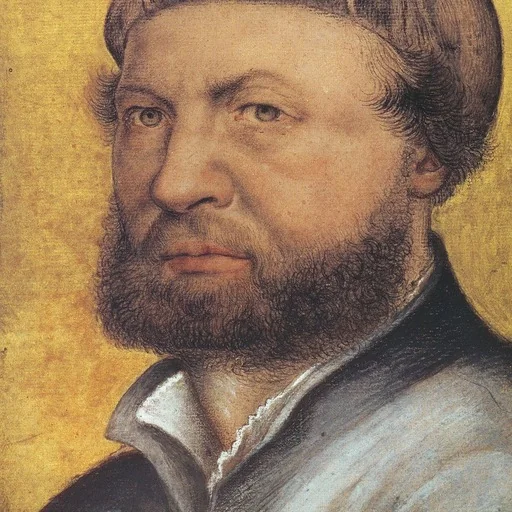
Artist
Hans Holbein the Younger (UK: HOL-byne, US: HOHL-byne, HAWL-; German: Hans Holbein der Jüngere; c.

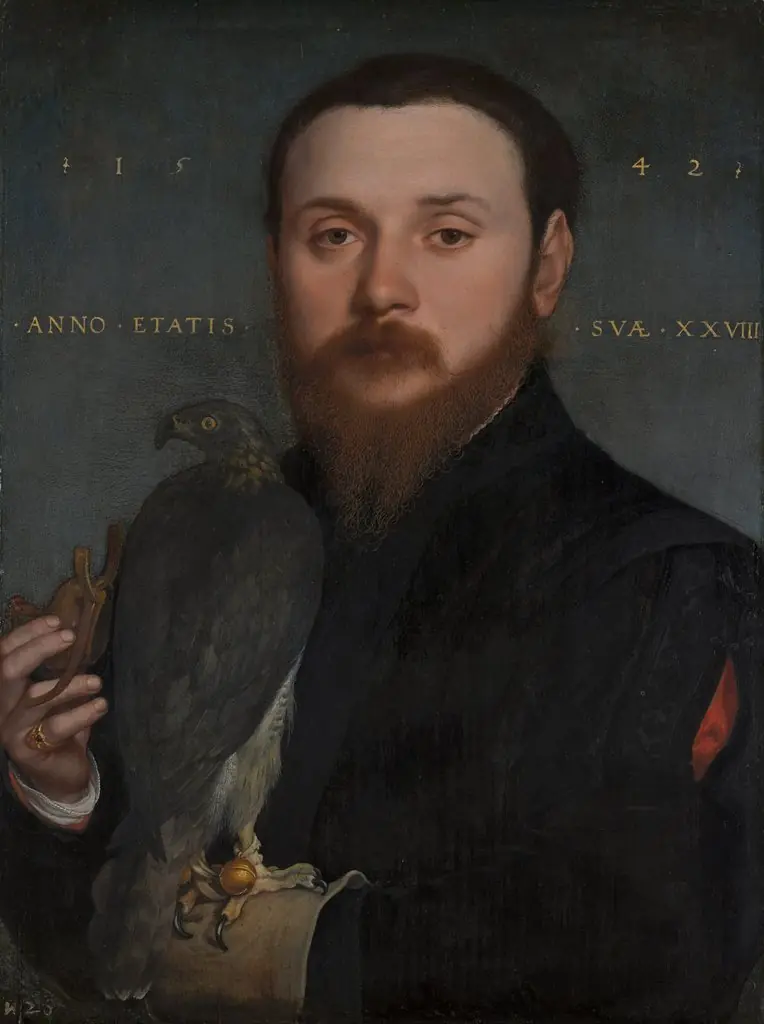 Portrait of a Nobleman with a Hawk
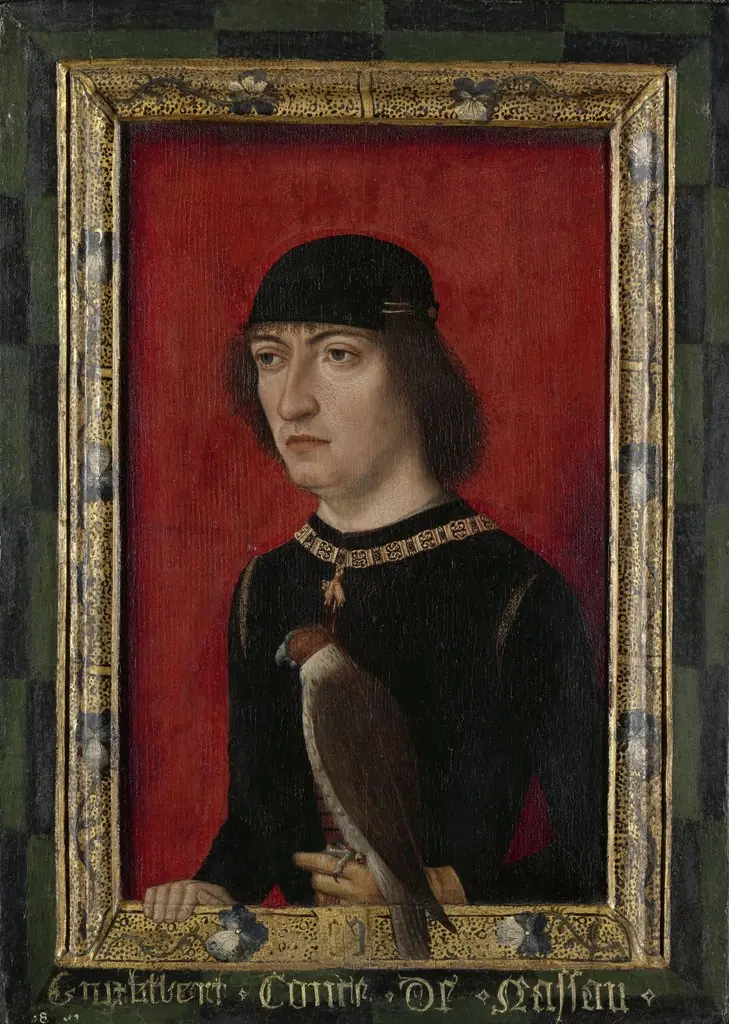 Portrait of Engelbrecht II, Count of Nassau
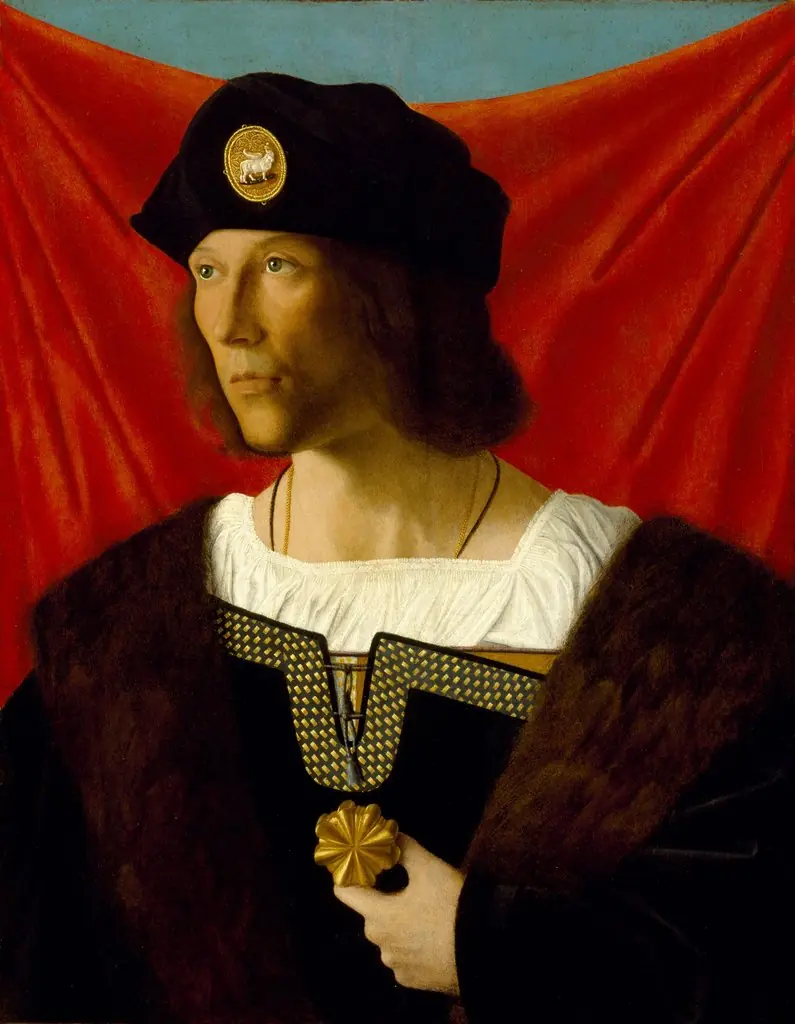 Portrait of a Man
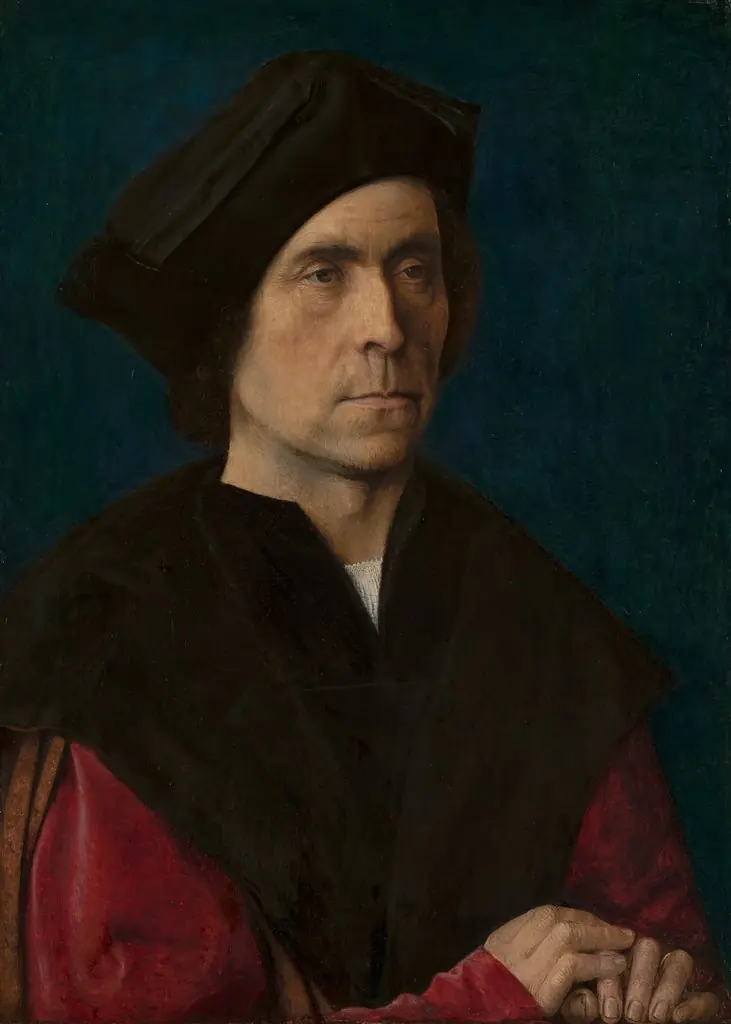 Portrait of a man
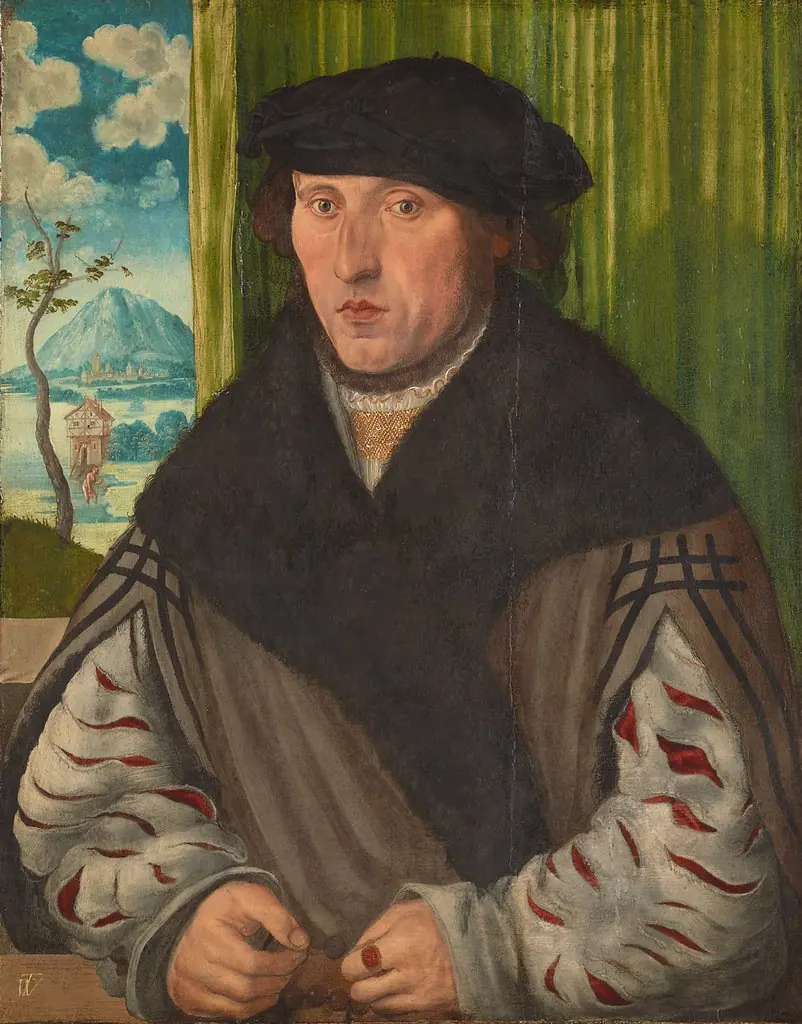 Männliches Bildnis
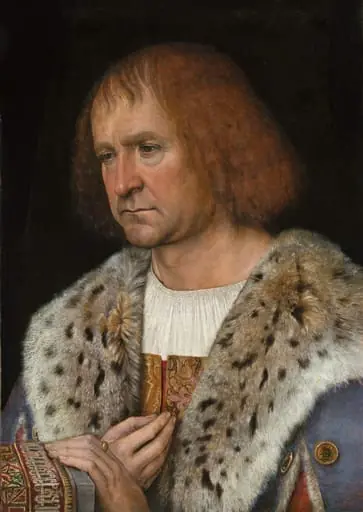 Portrait of Diego de Guevara (?)
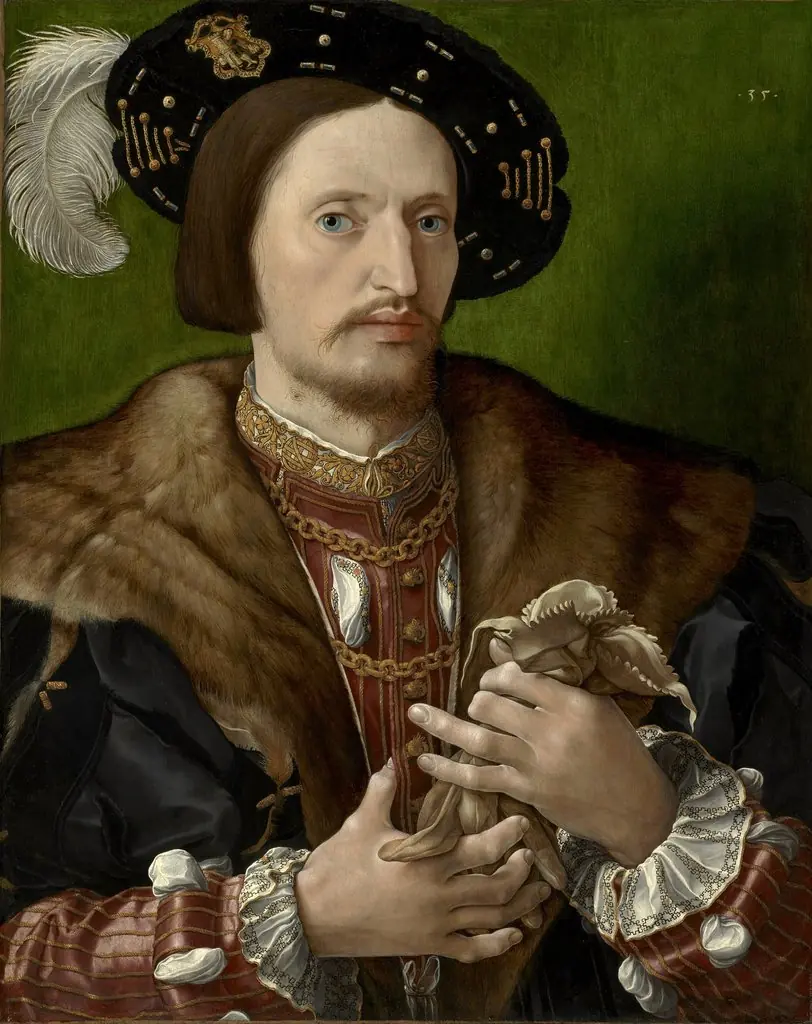 Portrait of a Gentleman holding Gloves
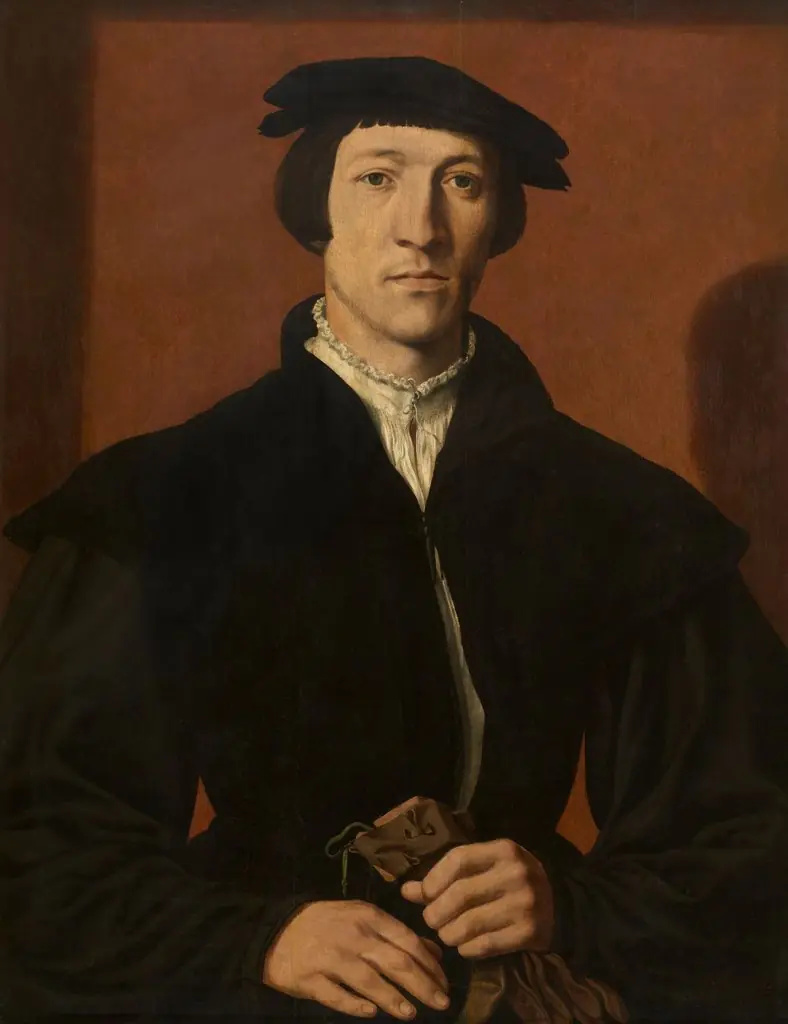 Portrait of a Man
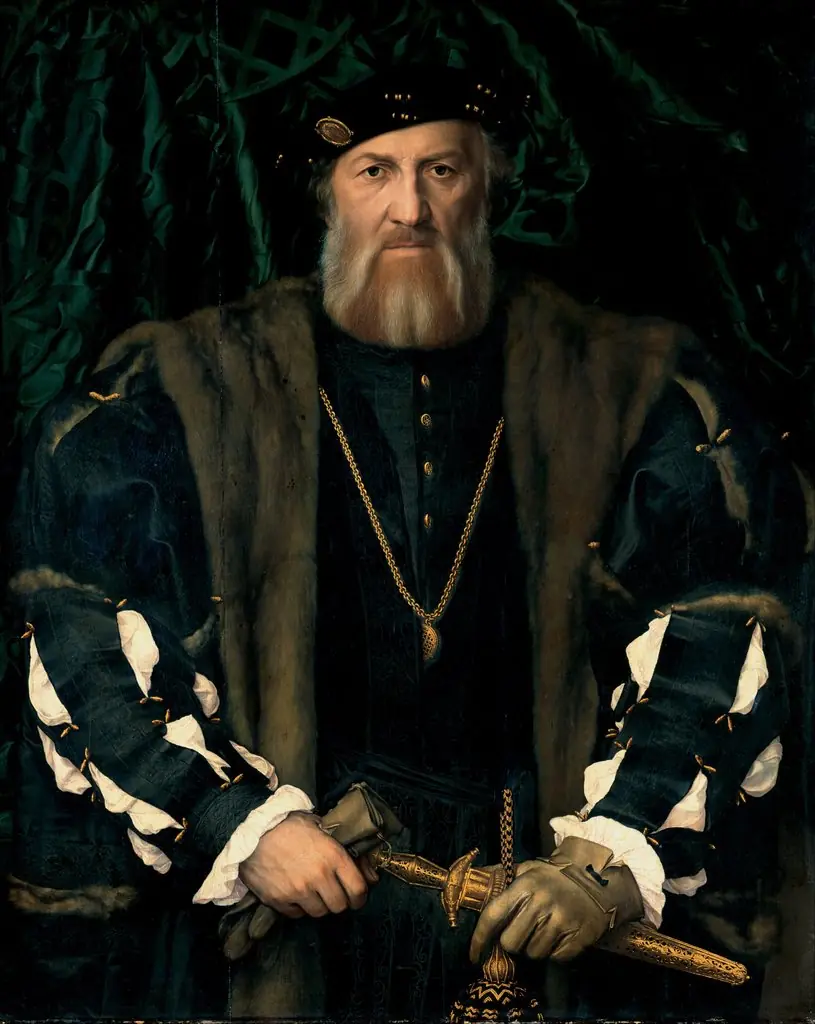 Charles de Solier, Sieur de Morette
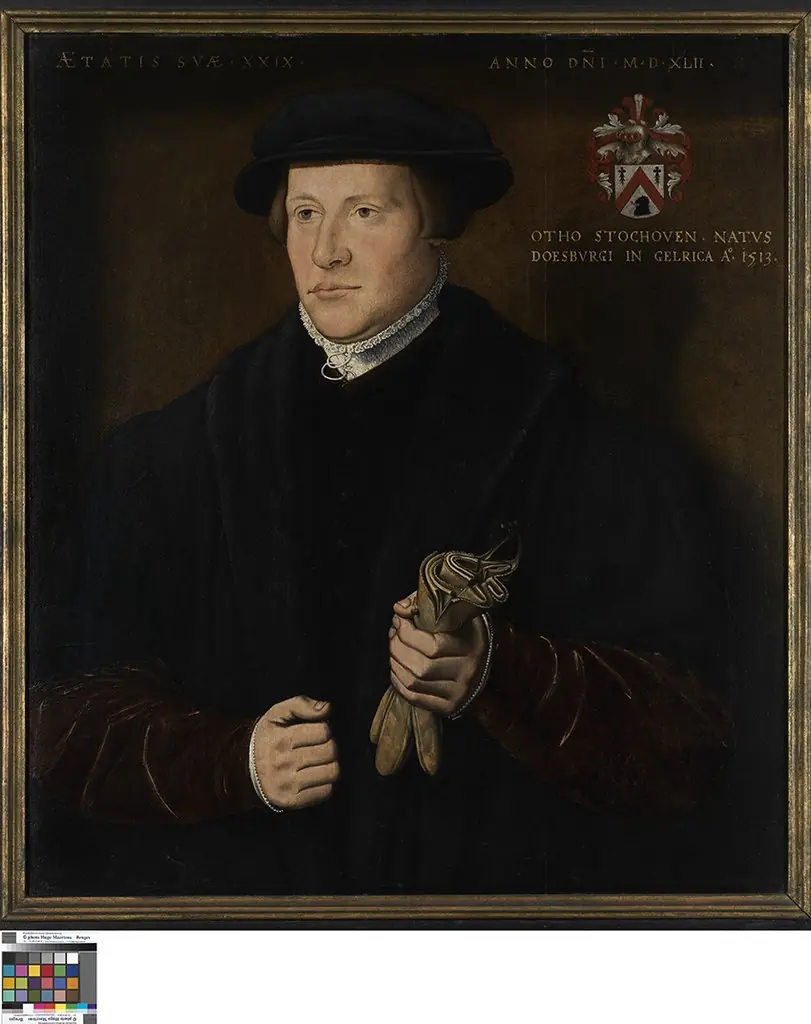 Portrait of Otho Stochoven
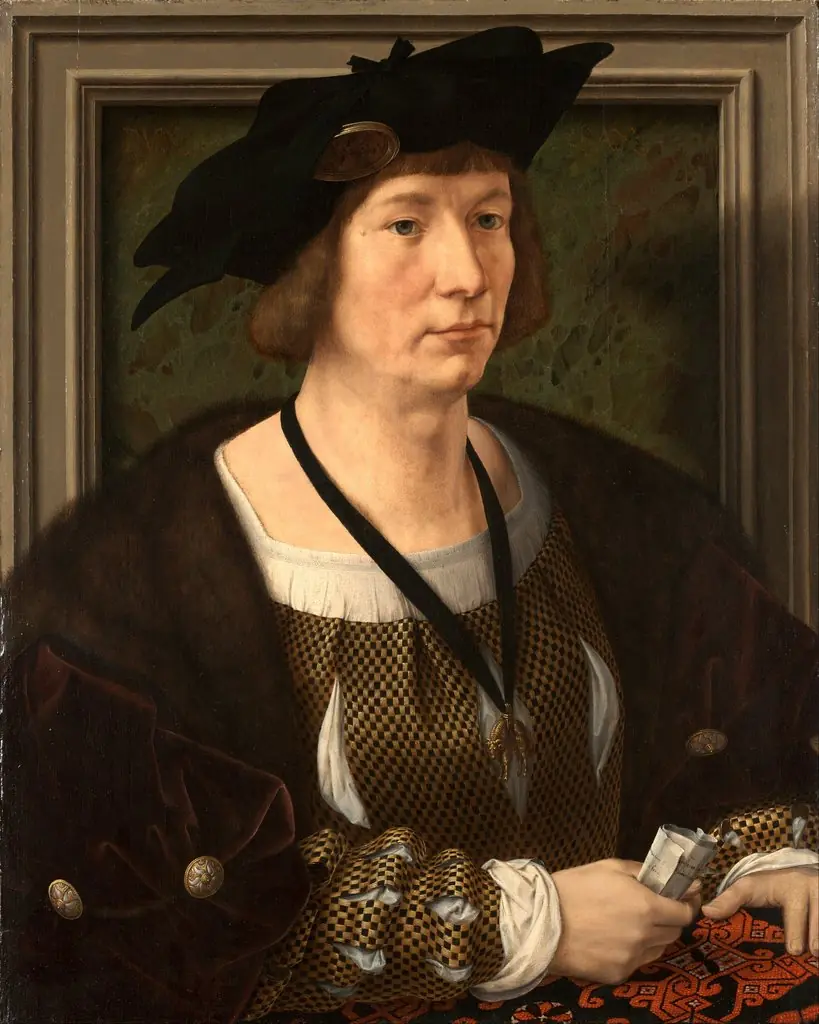 Portrait of Hendrik III, Count of Nassau-Breda
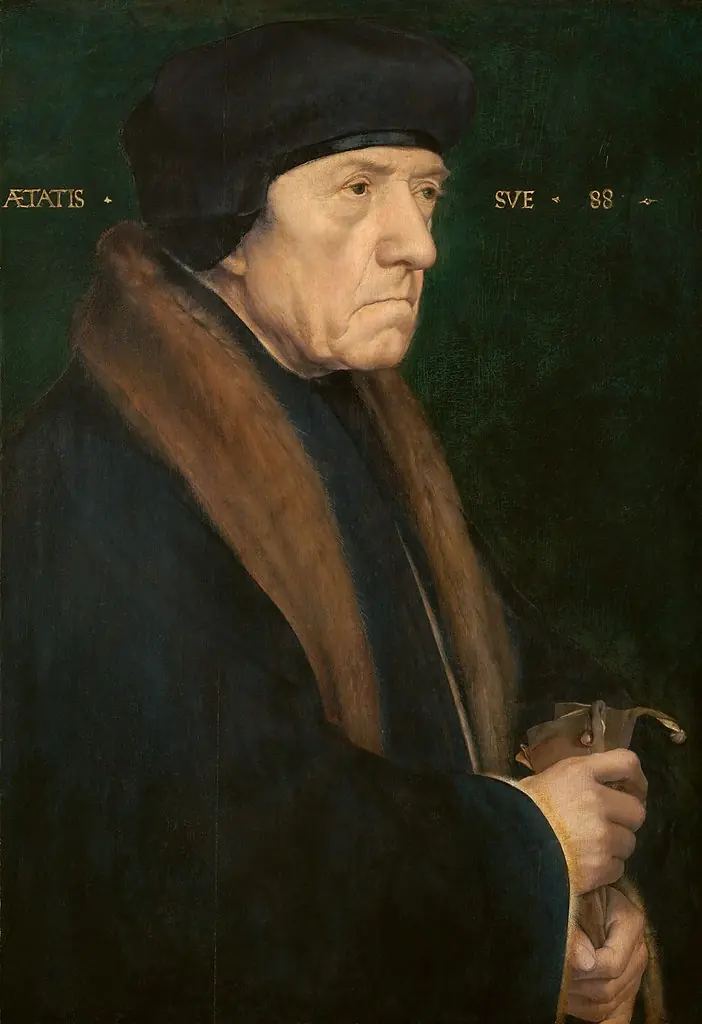 Portrait of John Chambers