Artwork
Saint Anthony of Padua
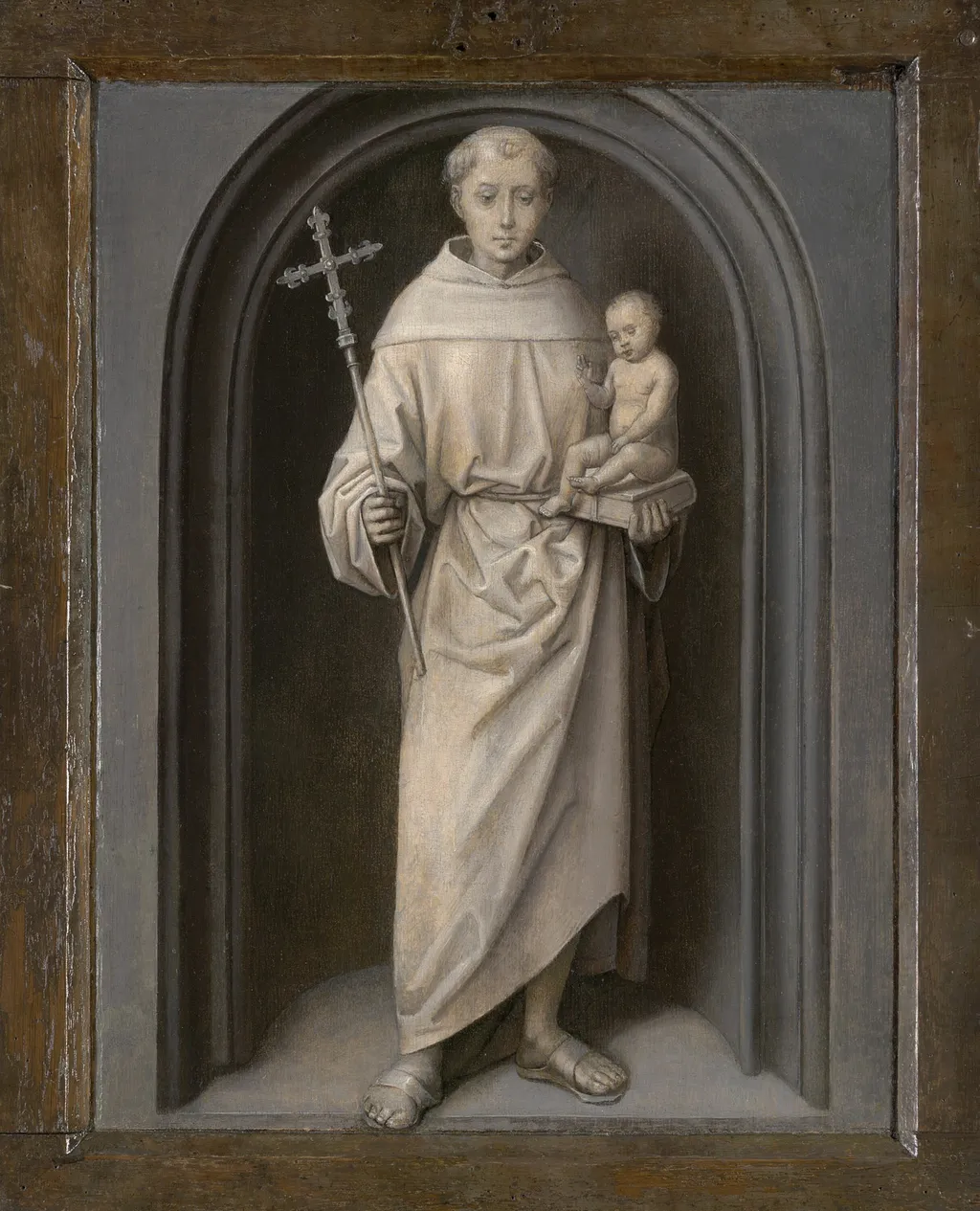
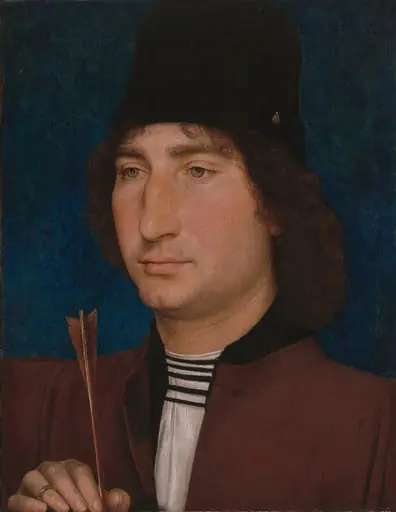
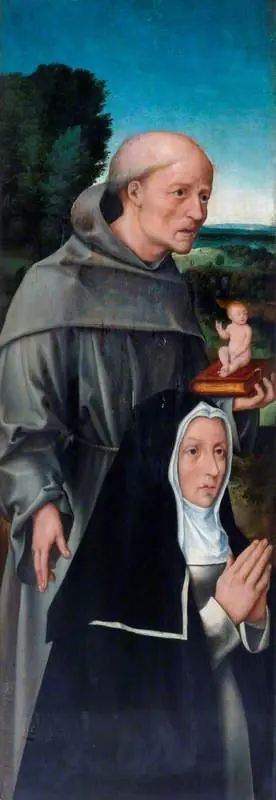
Saint Anthony of Padua is an oil painting by the Northern Renaissance artist Hans Memling. It dates from 1493 and is held in the collection of the Art Institute of Chicago.
About this work
Overview
Painted in 1493 by Hans Memling, this oil on panel work portrays Saint Anthony of Padua, a Franciscan friar renowned for his preaching and miracles.
Painted in 1493 by Hans Memling, this oil on panel work portrays Saint Anthony of Padua, a Franciscan friar renowned for his preaching and miracles. Executed in the Northern Renaissance tradition, the painting emphasizes quiet devotion through restrained composition and subtle modeling. It resides in the collection of the Art Institute of Chicago, where it is displayed as an example of late 15th-century devotional portraiture.
Subject & Meaning
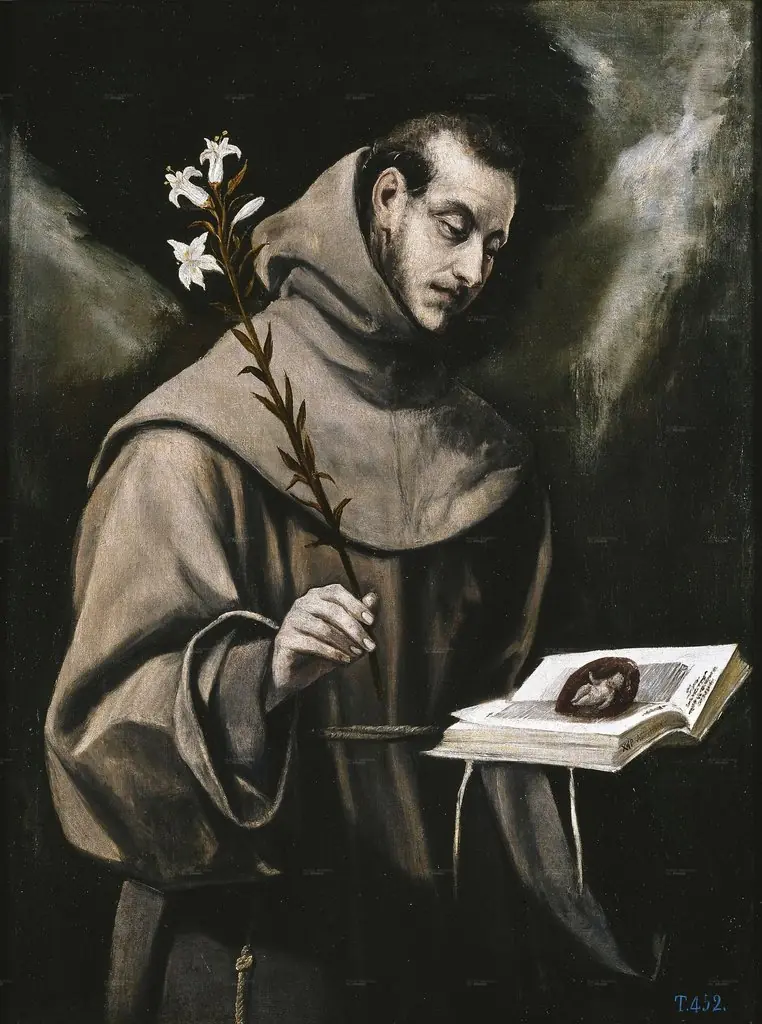
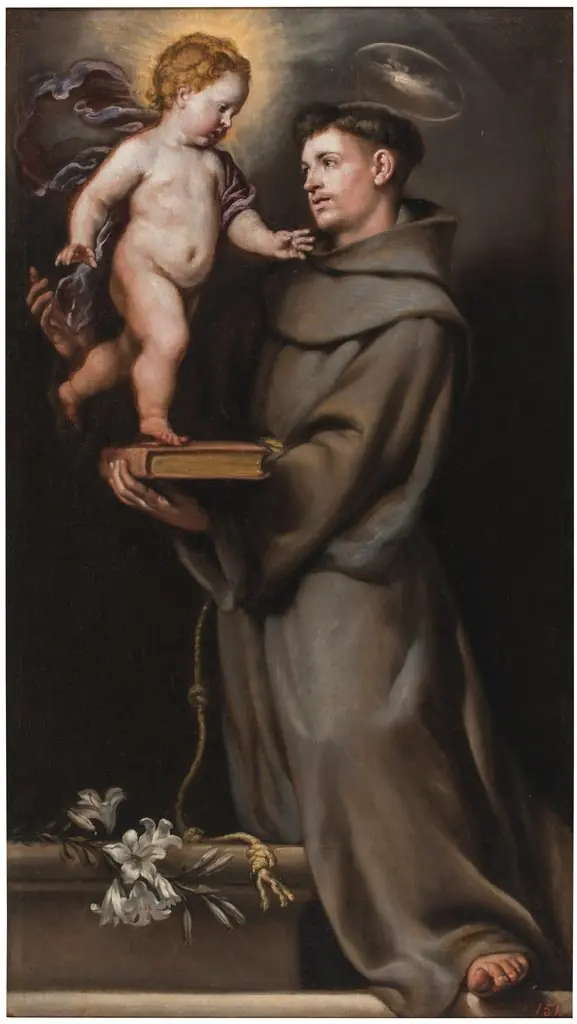
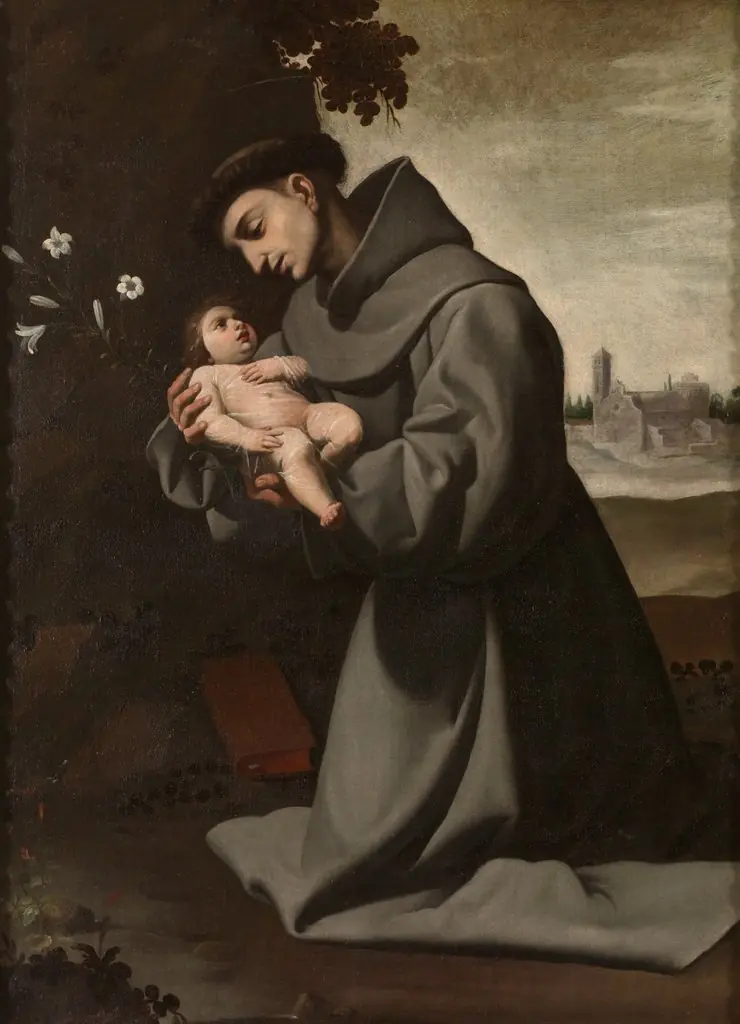
The figure of Saint Anthony is depicted with solemn dignity, holding a small child—symbolizing his role as protector of children and the vulnerable—and a staff topped with a cross, identifying his clerical authority. His simple hood and modest robes reflect Franciscan humility. The child’s presence alludes to a miracle attributed to him, reinforcing his spiritual intercession and the saint’s connection to everyday human needs.
Technique & Style
Memling employs chiaroscuro to model the saint’s face and robes, using soft gradations of light to isolate the figure against a dark, arched background. The palette is dominated by muted browns and grays, with only the fabric of the robe catching subtle highlights. Brushwork is precise yet unobtrusive, characteristic of Northern Renaissance attention to texture and quiet realism rather than dramatic flourish.
History & Provenance
Commissioned for private devotion, the painting likely originated in a religious or noble household in the Low Countries. It entered the Art Institute of Chicago’s collection in the early 20th century, having passed through several European collections since its creation. Its survival in good condition reflects its careful preservation as a devotional object over centuries.
Context
Created during the height of Northern Renaissance devotional art, the painting reflects a cultural emphasis on personal piety and intimate saintly encounters. Unlike Italian altarpieces, which often featured elaborate settings, Memling’s work isolates the saint to focus on inner spirituality. Such images were used in domestic prayer, reinforcing the bond between the faithful and their celestial intercessors.
Legacy
The painting exemplifies Memling’s mastery in conveying spiritual gravity through understated means. Its influence can be seen in later Northern portraits that prioritize psychological depth over spectacle. While not widely reproduced, it remains a key reference for understanding how religious identity was visually constructed in late medieval private devotion.
Artist & collection
Artist
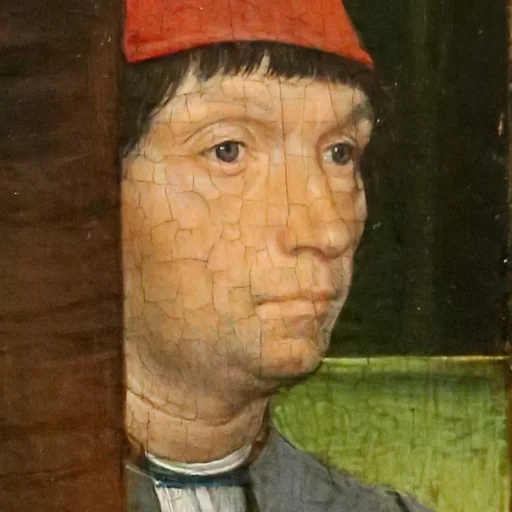
Hans Memling was a German-Flemish painter who worked in the tradition of Early Netherlandish painting.

![Saint Veronica [obverse], by Hans Memling](https://artifactworldgallery.com/img/hans-memling--saint-veronica-obverse--5a649fd8b09c96b9-w320.webp)