Artwork
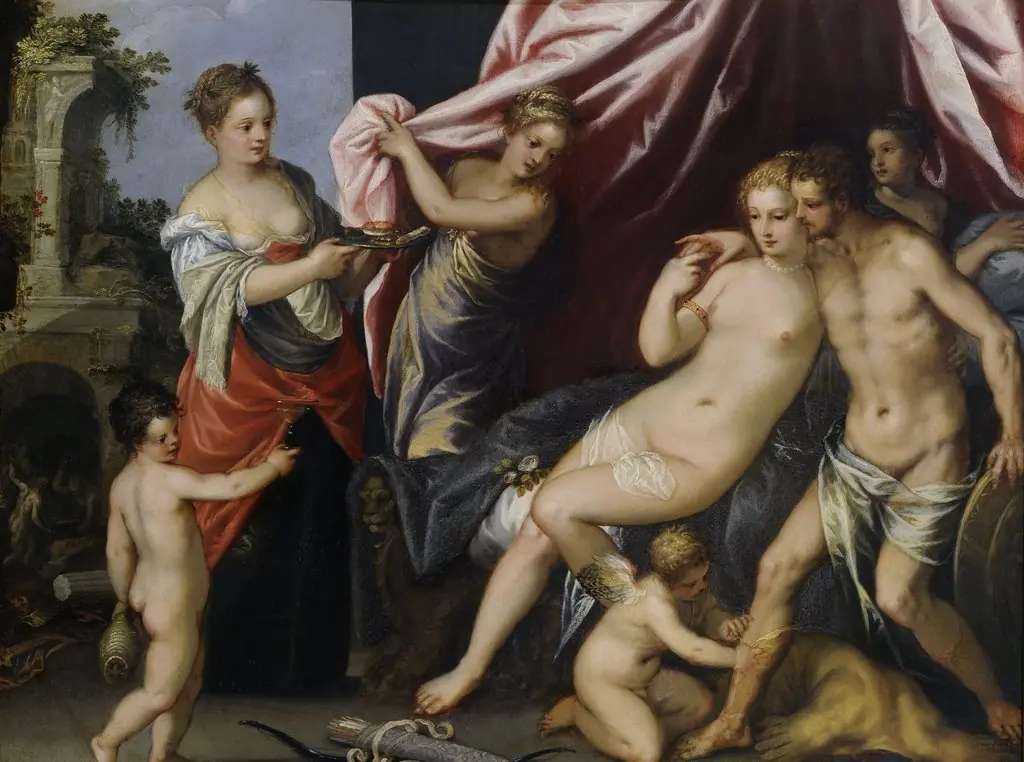
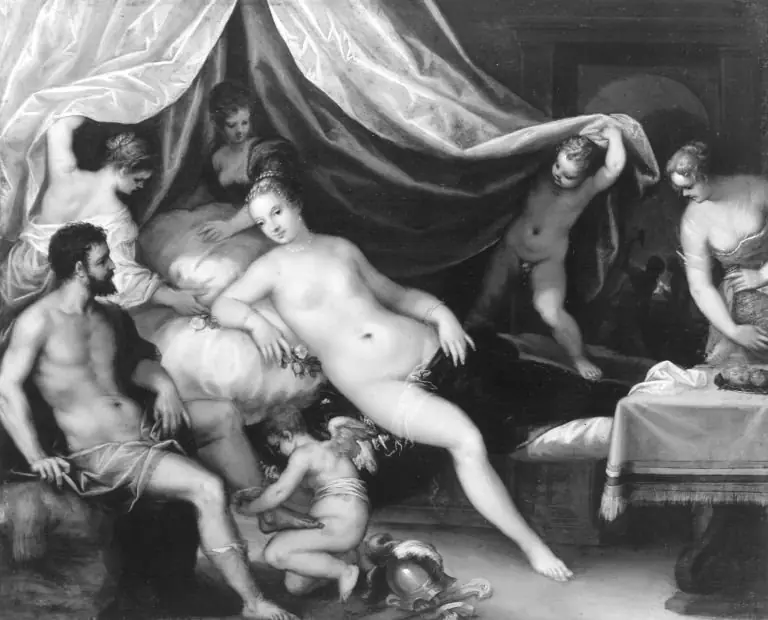
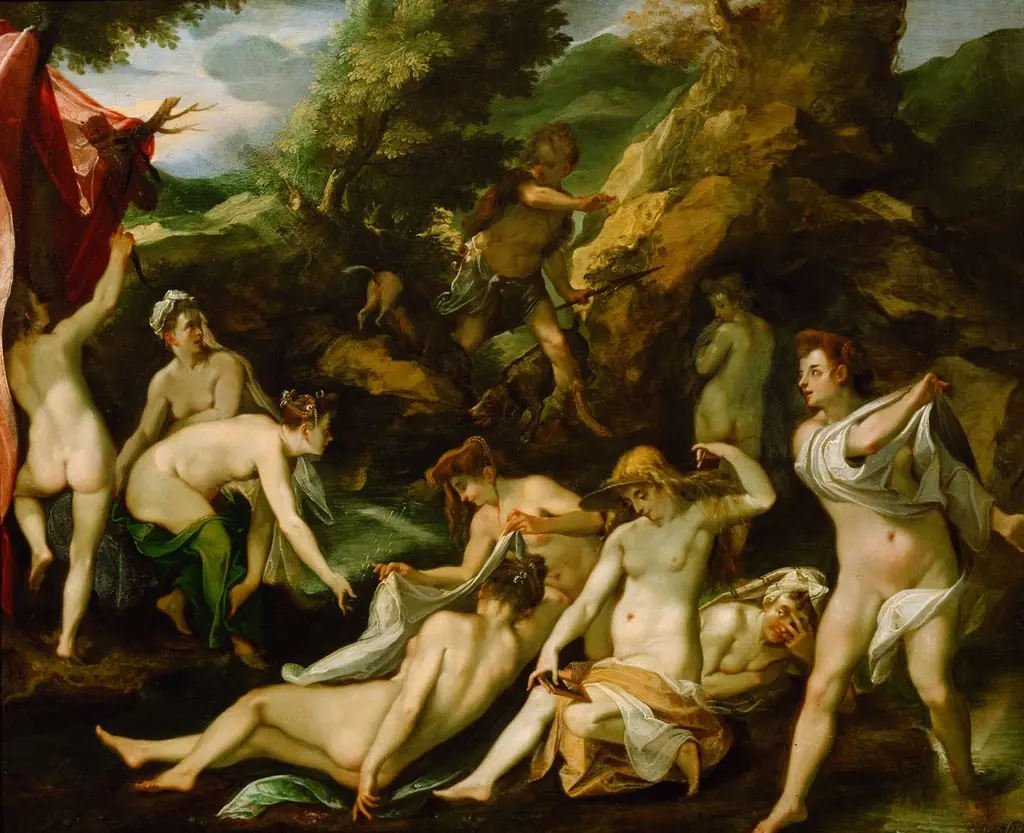
Herkules, Dejanira und der Kentaur Eurytion
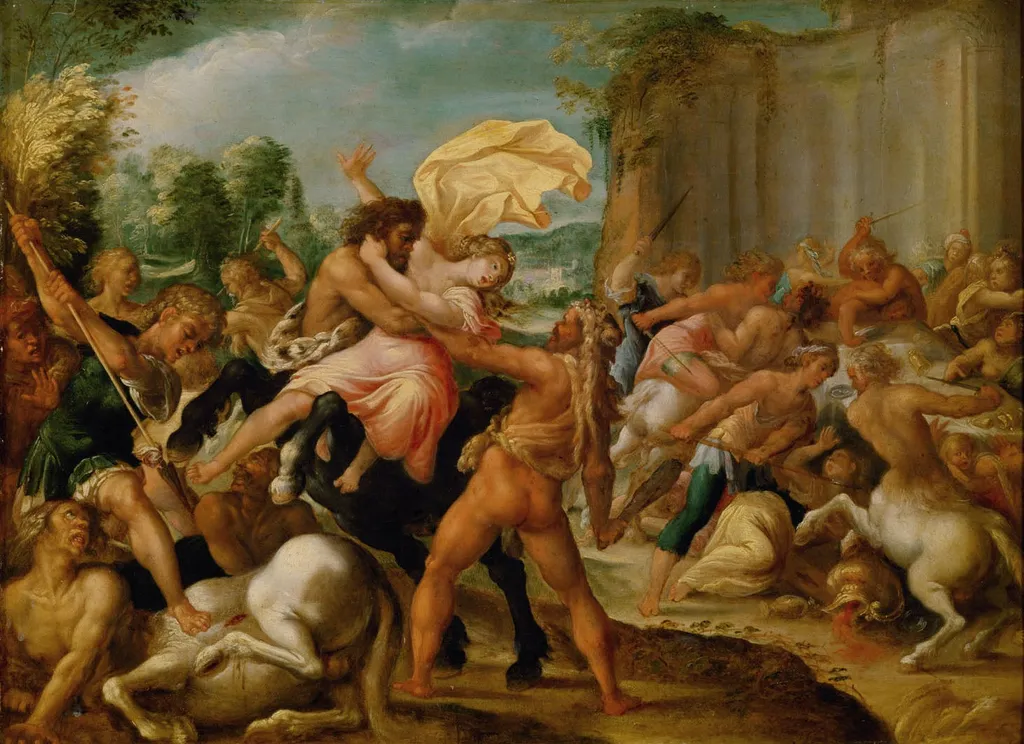
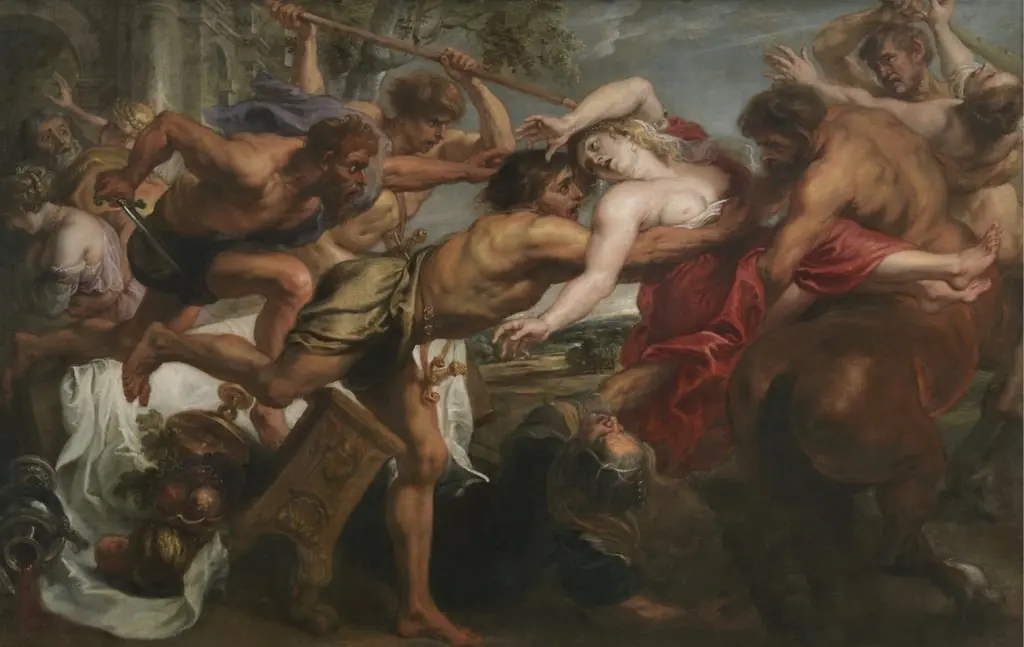
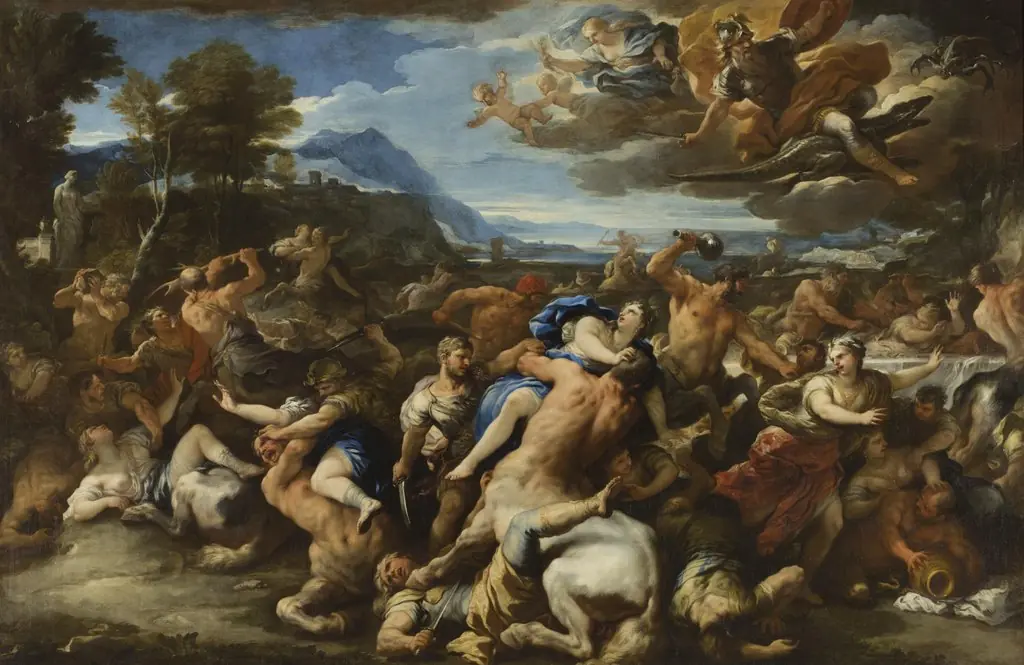
Herkules, Dejanira und der Kentaur Eurytion is an unspecified painting by the Early Baroque Italian artist Hans Rottenhammer. It dates from 1600 and is held in the collection of the Kunsthistorisches Museum.
About this work
The painting is titled Herkules, Dejanira und der Kentaur Eurytion.
It was created by Hans Rottenhammer in the year 1600. This work is interesting because it depicts a scene from mythology, which was a common subject in art at that time.
You can learn more about this style of art by looking up the museum that holds this work, the Kunsthistorisches Museum.
Overview
Herkules, Dejanira und der Kentaur Eurytion is a 1600 painting by German artist Hans Rottenhammer, exemplifying early Baroque Italian influences in its small-scale, intricately detailed composition.
Subject & Meaning
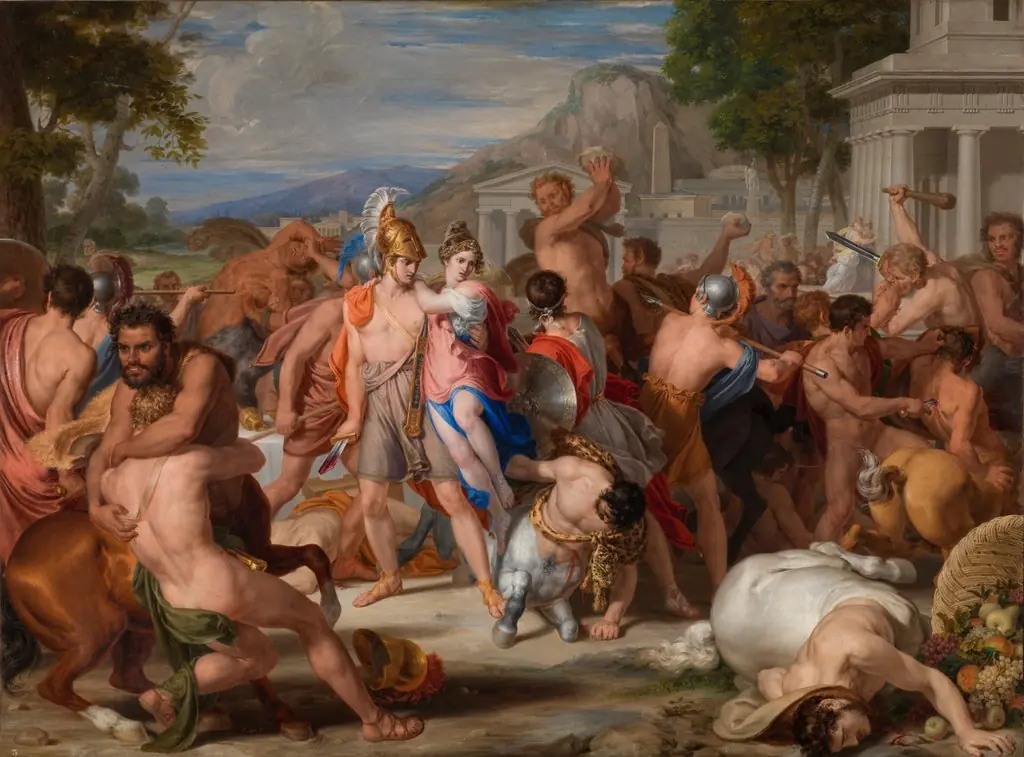
The work depicts a mythological scene featuring Hercules, his wife Deianira, and the centaur Eurytion, drawing on classical mythology, a prevalent theme in early 17th-century art.
Technique & Style
Characterized by refined precision, the painting reflects Rottenhammer’s signature approach to cabinet-sized works, emphasizing meticulous detail.
History & Provenance
Created in 1600, the painting is now part of the collection at the Kunsthistorisches Museum.
Artist & collection
Artist
Johann Rottenhammer, or Hans Rottenhammer (1564 – 14 August 1625), was a German painter. He specialized in highly finished paintings on a small scale.