Artwork
The Knowledge of God and the Seven Cardinal Virtues: Fidelity - Fides
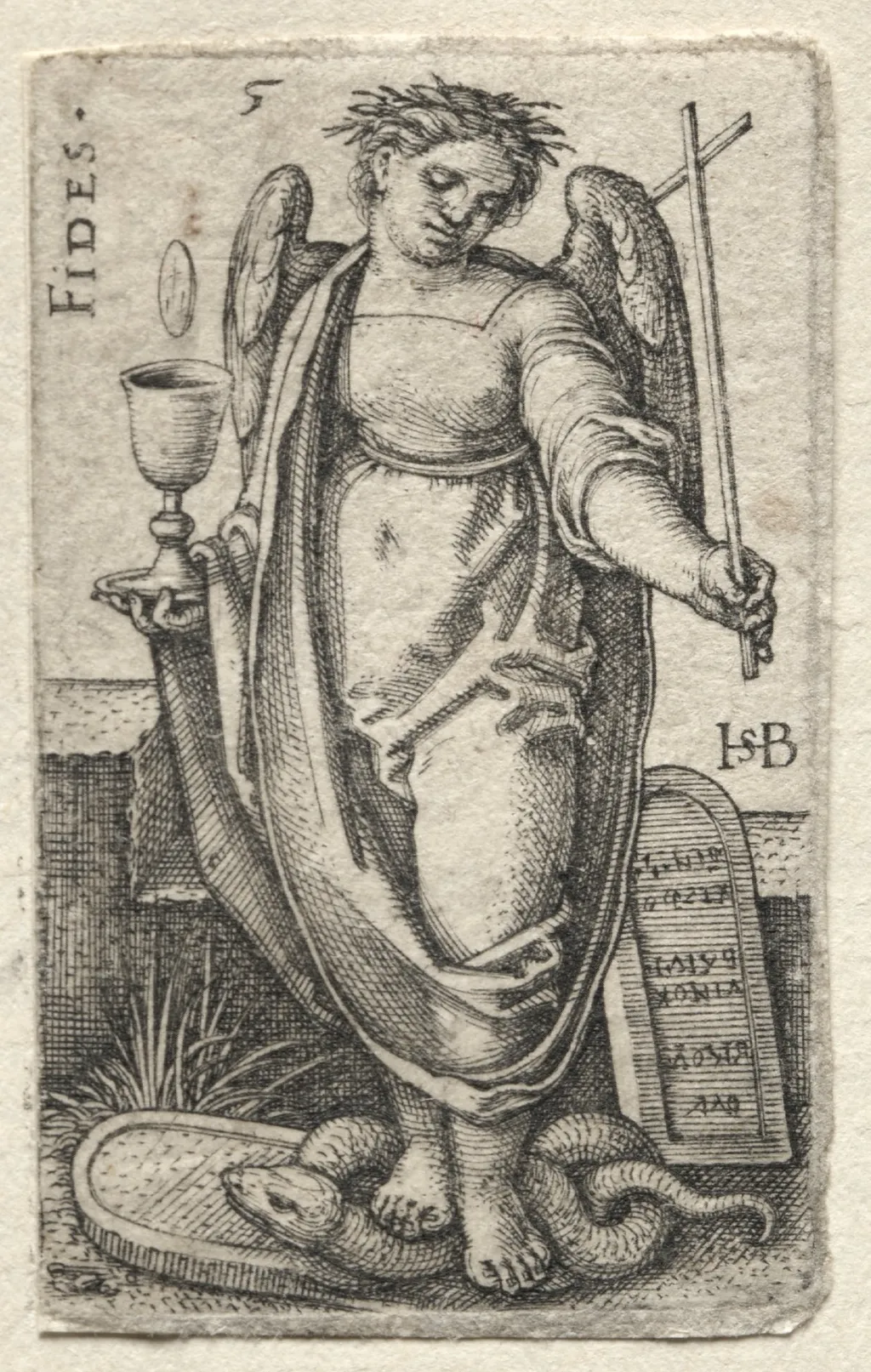
The Knowledge of God and the Seven Cardinal Virtues: Fidelity - Fides is a print by Sebald Beham. It dates from 1535 and is held in the collection of the Cleveland Museum of Art.
About this work
Overview
Beham’s career spanned Nuremberg and Frankfurt, where he consistently engaged with devotional and allegorical subjects through graphic media.
Hans Sebald Beham, a German printmaker of the early 16th century, produced this engraving as part of a series exploring theological virtues. Known as one of the 'Little Masters,' he specialized in finely detailed small-format prints. Created around 1535, this work belongs to a larger moral and religious cycle, reflecting the intellectual currents of the Reformation era. Beham’s career spanned Nuremberg and Frankfurt, where he consistently engaged with devotional and allegorical subjects through graphic media.
Subject & Meaning
The figure labeled Fides embodies fidelity, interpreted here as steadfast trust in divine truth. She is depicted with wings, suggesting spiritual elevation, and holds a cross and chalice—symbols of Christian devotion and sacrifice. At her feet, a snake coils around a bowl, likely representing deceit or temptation overcome. The Latin inscription and minimal background reinforce the allegory’s focus on inner conviction rather than worldly distraction. The imagery aligns with medieval and Renaissance traditions of personifying virtues as moral guides.
Technique & Style
Beham employed fine-line engraving to achieve intricate detail within a compact composition. His use of delicate hatching and precise contours gives texture to the figure’s drapery and the snake’s scales, while maintaining clarity despite the small scale. The background is deliberately sparse—a plain wall and sparse foliage—directing attention to the central allegory. This restrained aesthetic reflects the Northern Renaissance emphasis on intellectual precision over ornamental excess.
History & Provenance
The print was produced during Beham’s mature period, after his expulsion from Nuremberg for radical religious views. It likely circulated among educated patrons interested in Reformation-era moral instruction. The work is now held by the Cleveland Museum of Art, acquired as part of a broader collection of Northern European prints. Its survival in good condition suggests it was carefully preserved by collectors who valued its theological and artistic merit.
Context
Created during the height of the Protestant Reformation, the image responds to shifting religious landscapes where personal faith and moral conduct were emphasized over institutional authority. The Seven Cardinal Virtues were commonly depicted in devotional art, but Beham’s focus on Fides reflects a Protestant concern with inner conviction. His choice of engraving—a medium accessible to a literate middle class—allowed wider dissemination of these ideas beyond ecclesiastical circles.
Legacy
Beham’s series on the virtues contributed to the visual language of Protestant moral instruction in 16th-century Germany. Though less celebrated than contemporaries like Dürer, his precise engravings influenced later generations of printmakers who sought to merge theological clarity with technical refinement. The persistence of this work in museum collections underscores its role as a quiet but enduring artifact of religious thought in the early modern period.
Artist & collection
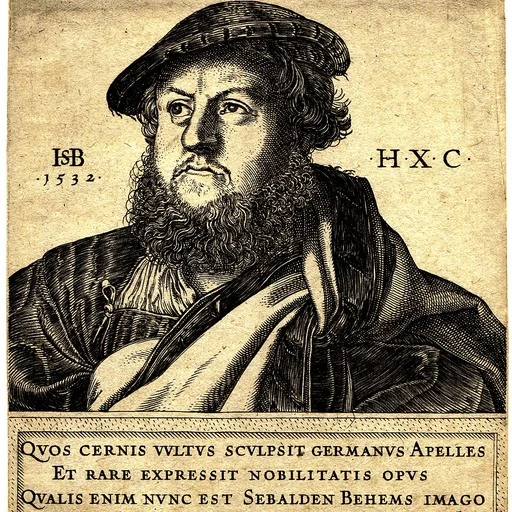
Artist
Sebald Beham (1500–1550) was a German painter and printmaker, mainly known for his very small engravings.

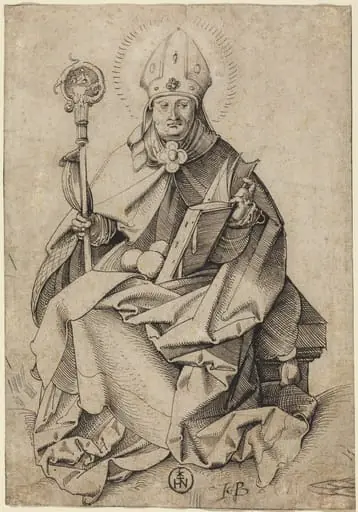
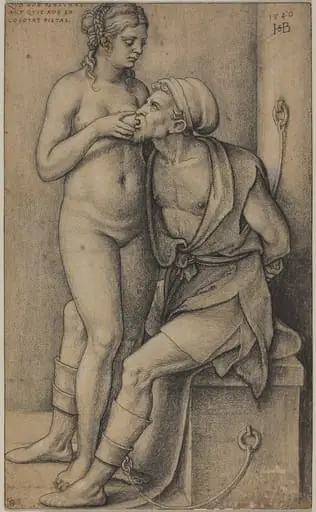
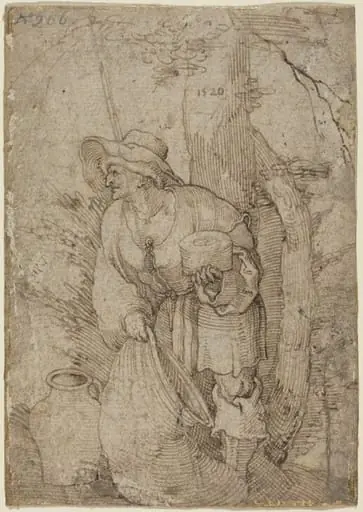
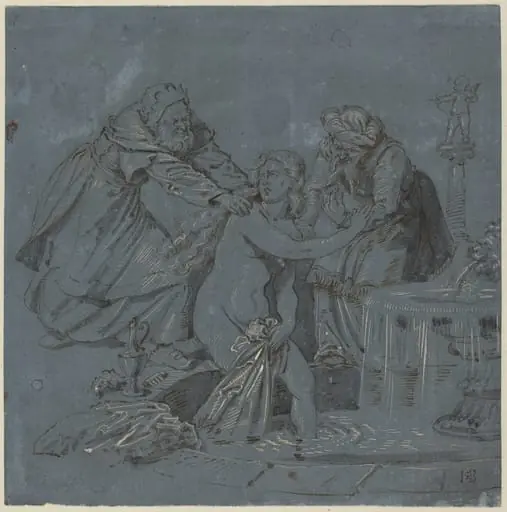

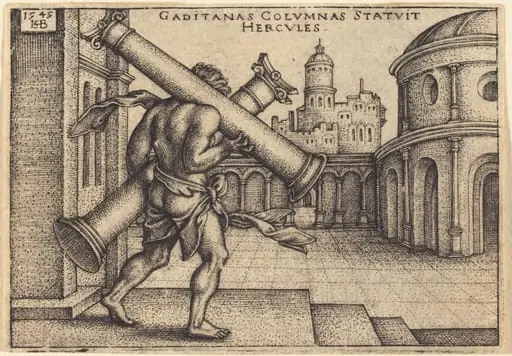
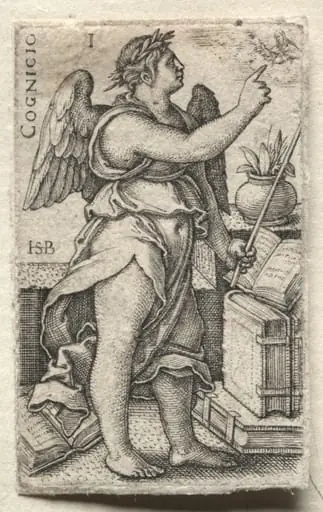 The Knowledge of God and the Seven Cardinal Virtues: Knowledge of God - Cognicio
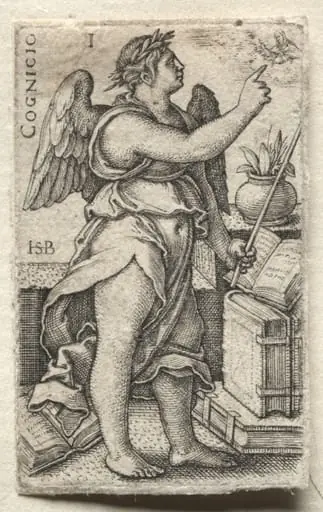 The Knowledge of God and the Seven Cardinal Virtues
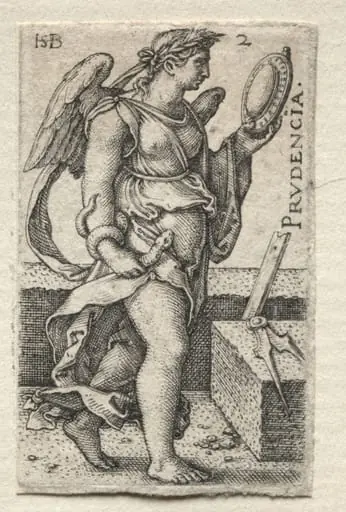 The Knowledge of God and the Seven Cardinal Virtues: Prudence - Prudencia
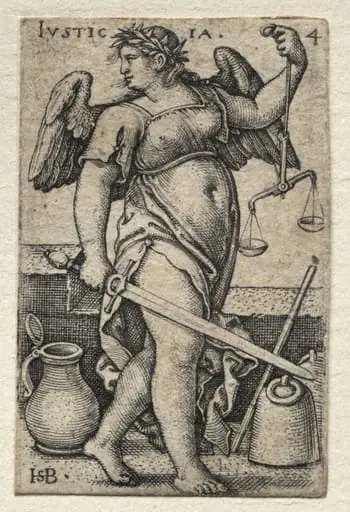 The Knowledge of God and the Seven Cardinal Virtues: Justice - Justicia
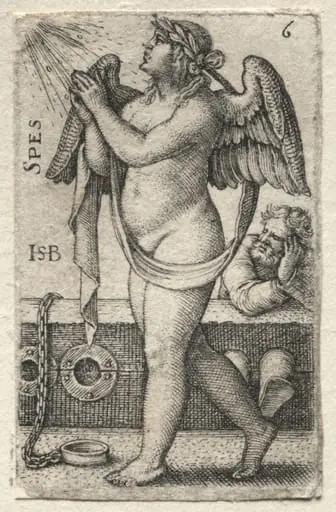 The Knowledge of God and the Seven Cardinal Virtues: Hope - Spes
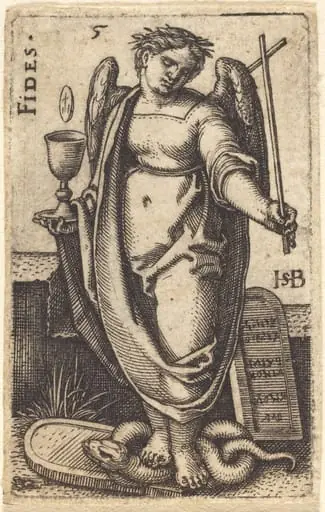 Fides (Faith)
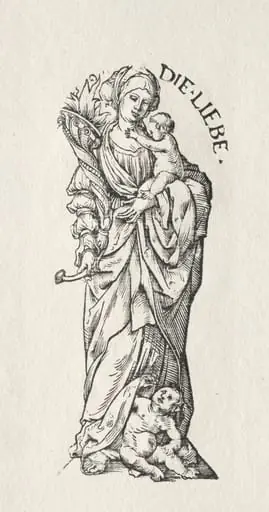 The Seven Virtues: Love