Artwork
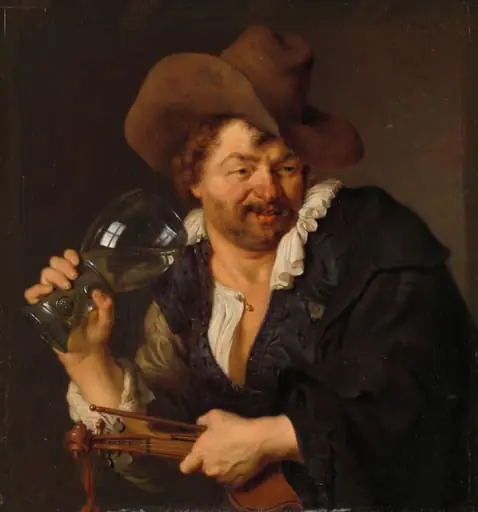
Self portrait with a glass of wine
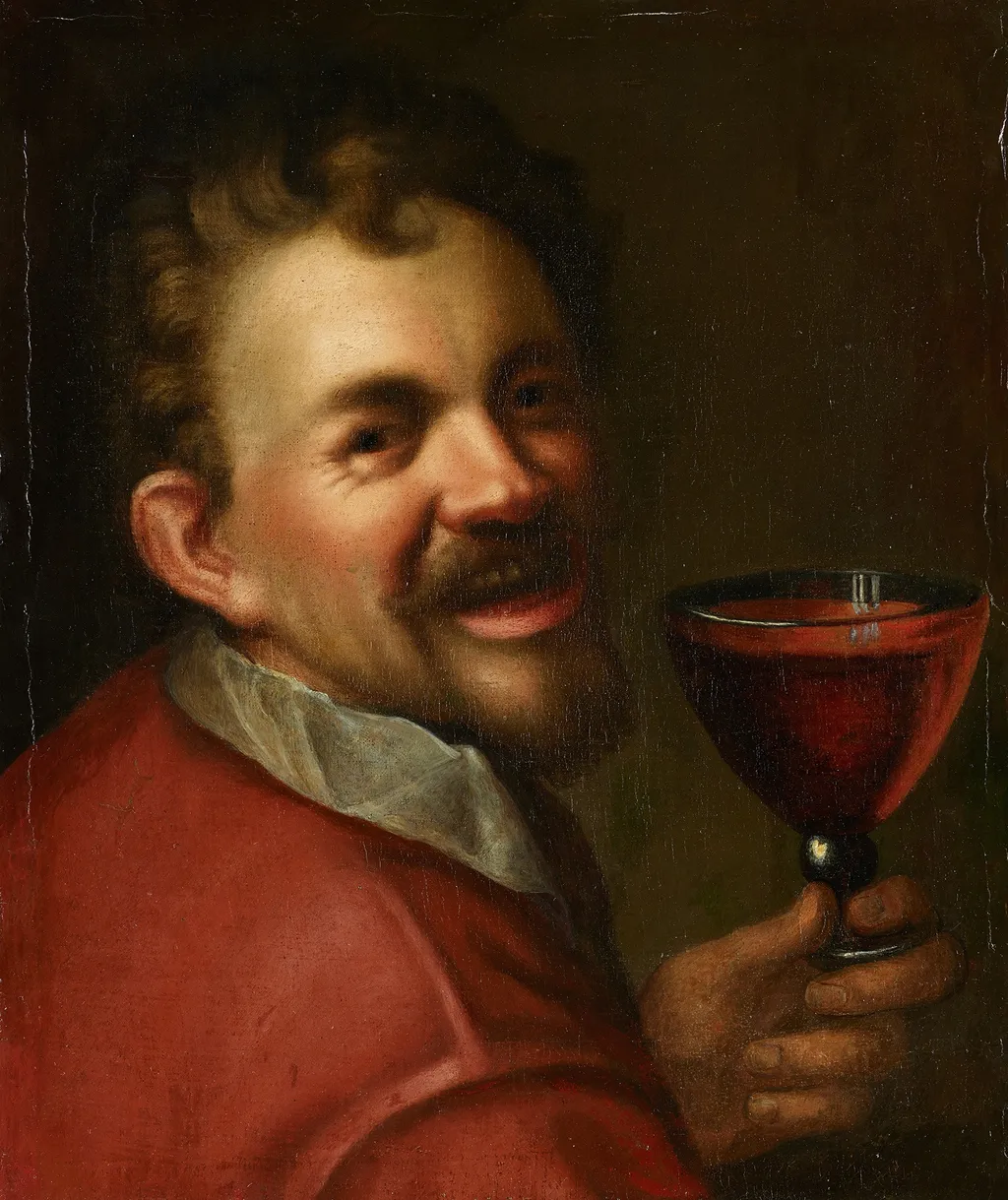
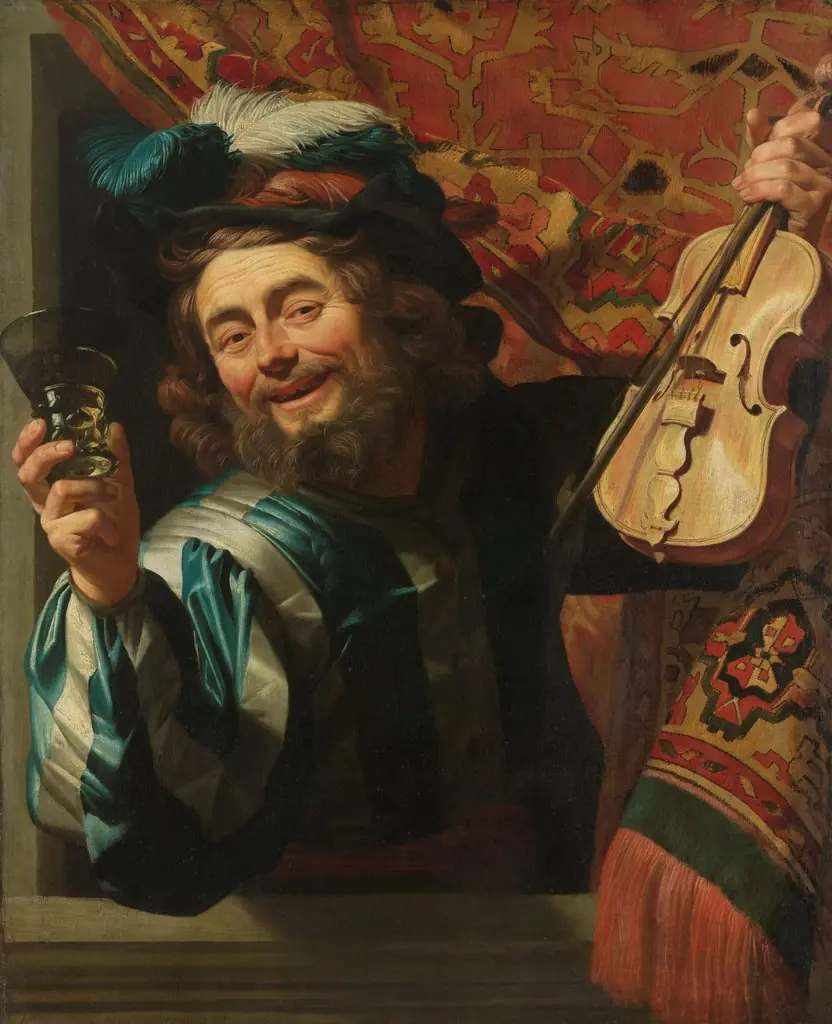
Self portrait with a glass of wine is an oil painting by the Mannerist artist Hans von Aachen. It dates from 1598 and is held in the collection of the Gemäldegalerie Berlin.
About this work
Overview
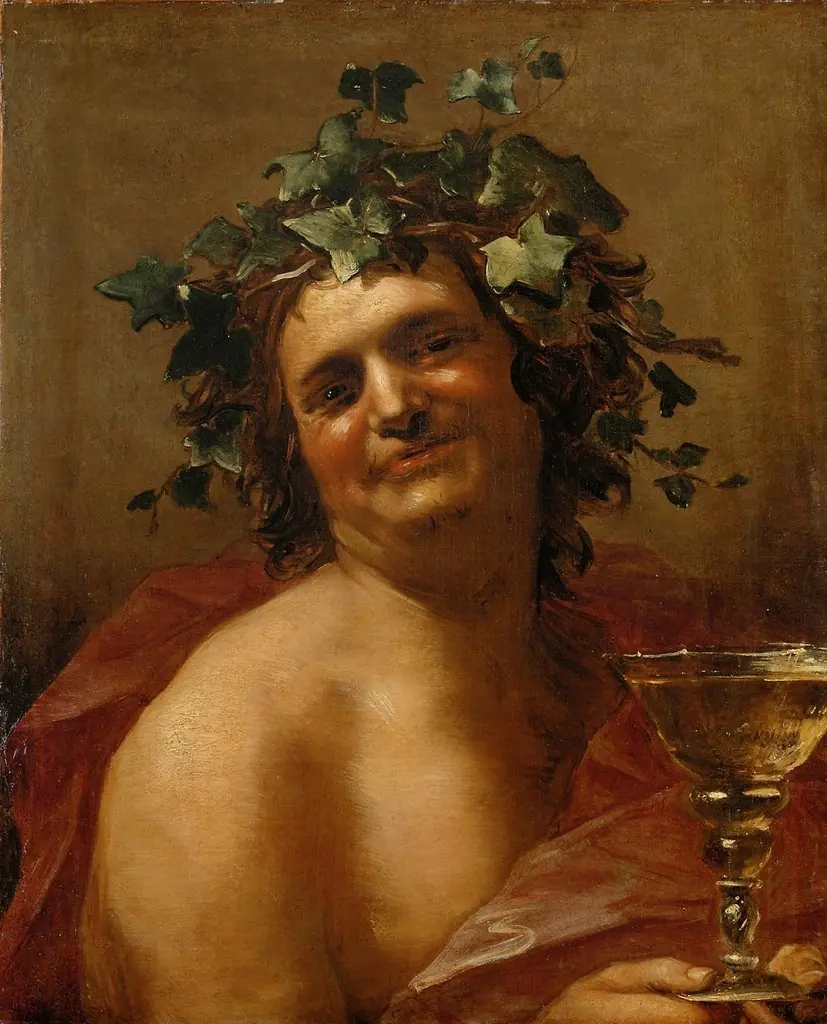
The composition centers on the artist’s face, illuminated against a deep, unobtrusive background, emphasizing introspection over narrative.
Painted in 1598, this oil portrait by Hans von Aachen presents the artist in a quiet, self-possessed moment. Executed during his tenure at the court of Emperor Rudolf II, the work belongs to the Northern Mannerist tradition, characterized by refined elegance and psychological nuance. The composition centers on the artist’s face, illuminated against a deep, unobtrusive background, emphasizing introspection over narrative.
Subject & Meaning
Von Aachen depicts himself holding a glass of wine, not as a symbol of revelry but as an indicator of personal composure and cultivated leisure. The direct gaze and subtle smile suggest self-awareness rather than boastfulness. The gesture may reflect the humanist ideal of the artist as an intellectual, at ease in his own skin, blending domestic intimacy with professional identity.
Technique & Style
The painting employs chiaroscuro to isolate the face and upper torso, drawing attention to the artist’s expression and the texture of his clothing. Brushwork is precise yet fluid, particularly in the rendering of curls and the sheen of the glass. The dark background enhances the three-dimensionality of the figure, a hallmark of Mannerist portraiture that prioritizes formal elegance over environmental context.
History & Provenance
Created during von Aachen’s years as a court painter in Prague, the portrait likely served as a personal statement or gift within intellectual circles. It entered the collection of the Gemäldegalerie Berlin in the 19th century, where it remains today. Its survival reflects the enduring interest in court artists of the late Renaissance, even as their reputations faded from mainstream art history.
Context
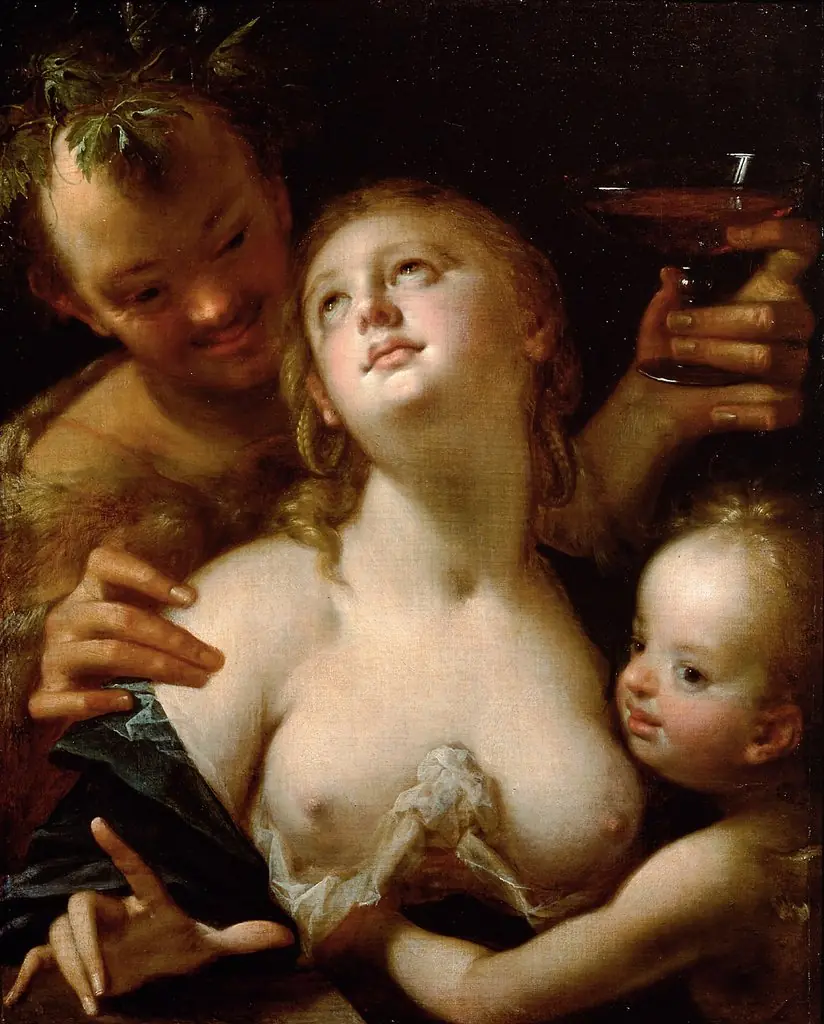
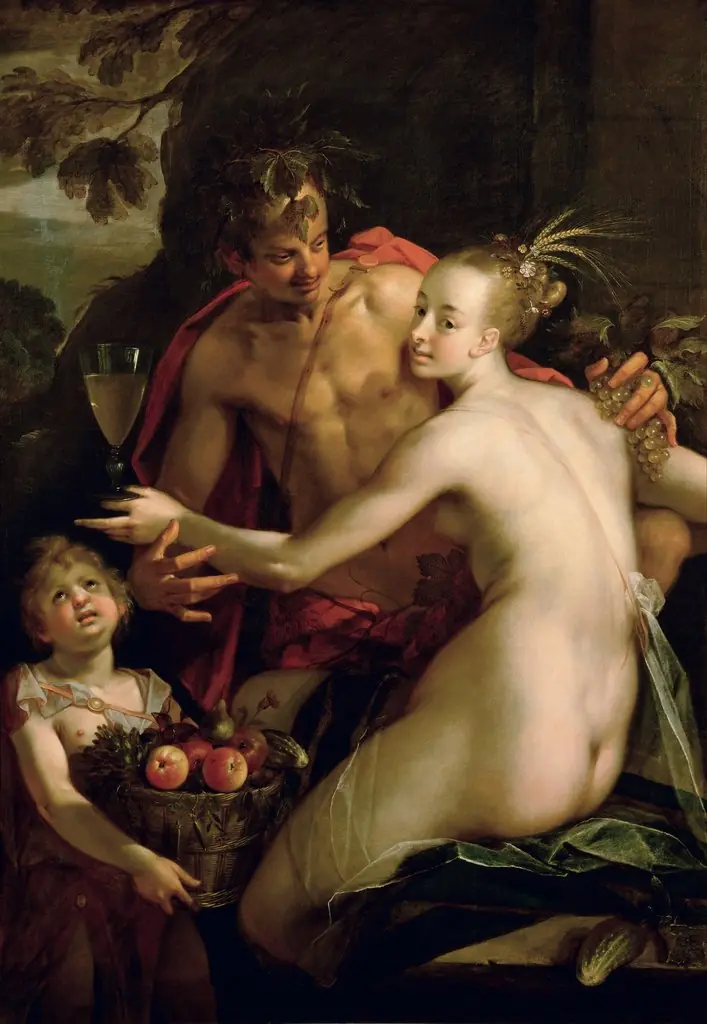
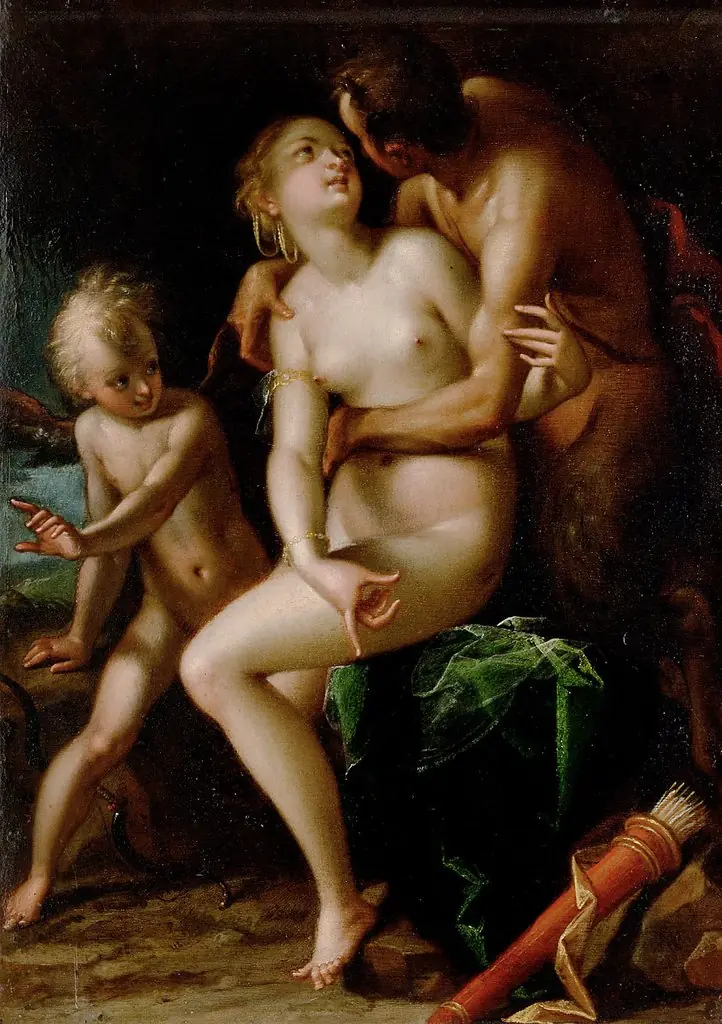
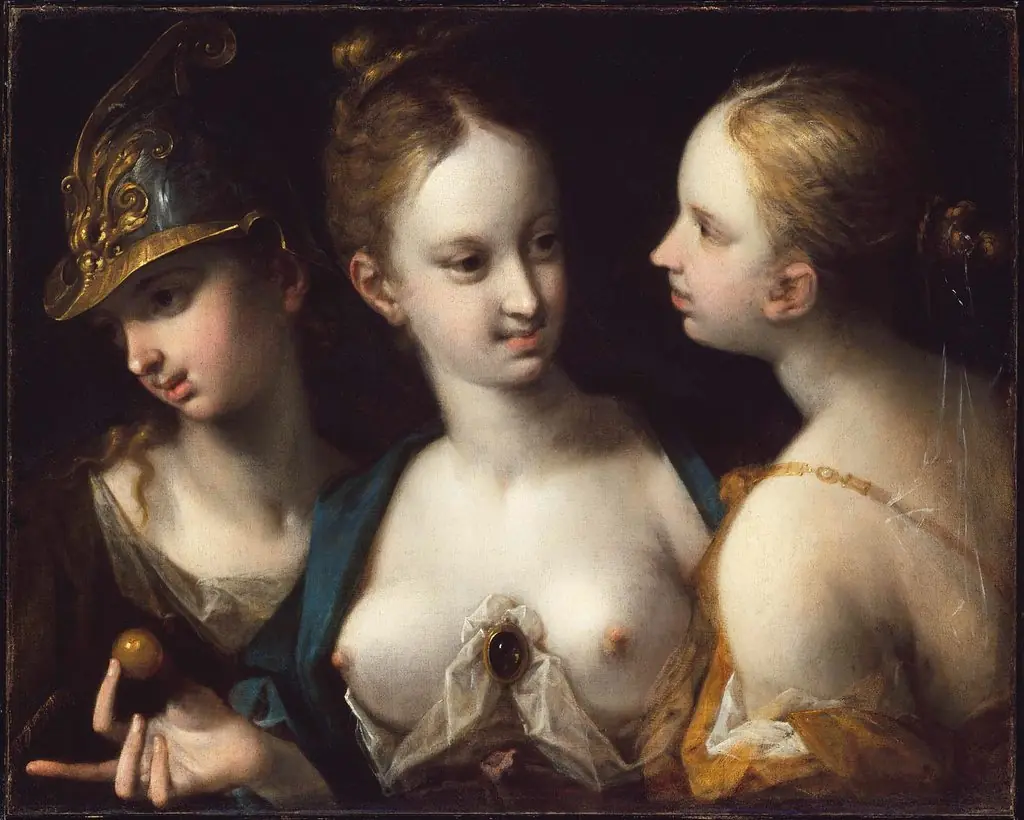
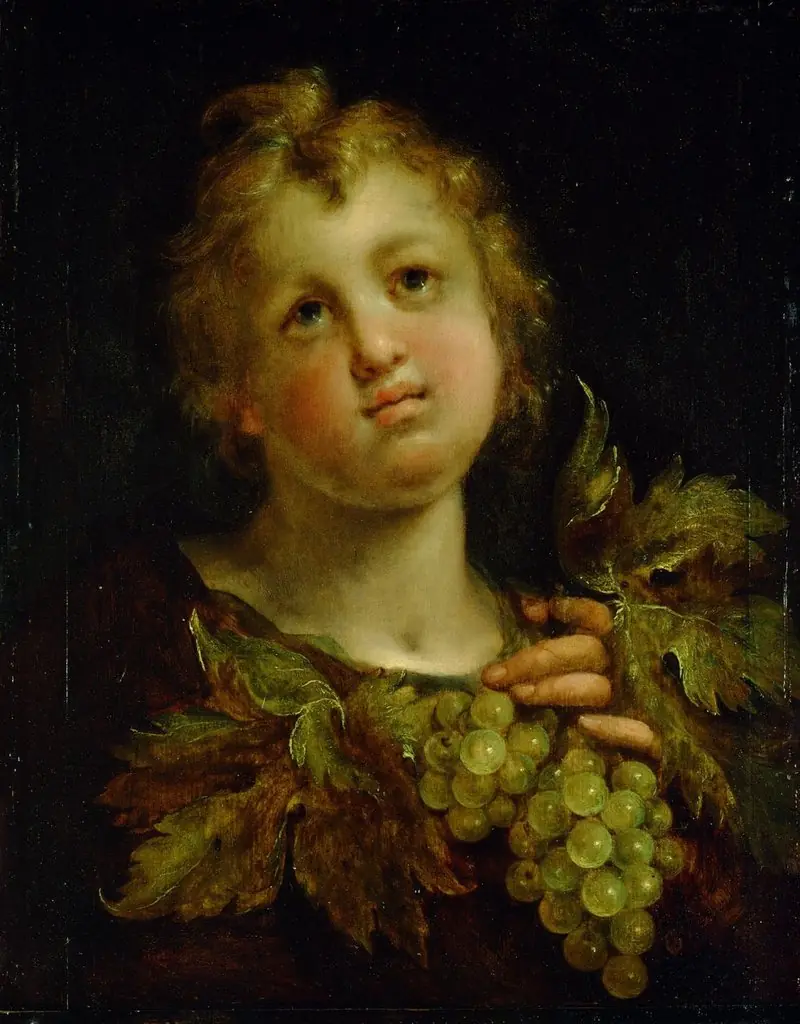
At Rudolf II’s court, von Aachen was known for mythological and allegorical subjects, often infused with erotic undertones. This self-portrait stands apart as a restrained, non-allegorical work, offering a rare glimpse into the artist’s private persona. It contrasts with the court’s preference for elaborate symbolism, suggesting a personal space where formal expectations were relaxed.
Legacy
Though von Aachen’s larger mythological works have drawn more scholarly attention, this portrait endures as a quiet testament to the self-representation of Northern Mannerist artists. It contributes to a broader understanding of how painters negotiated identity and status outside grand narratives, using simplicity and directness to convey dignity and individuality.
Own this work as a print
Artist & collection
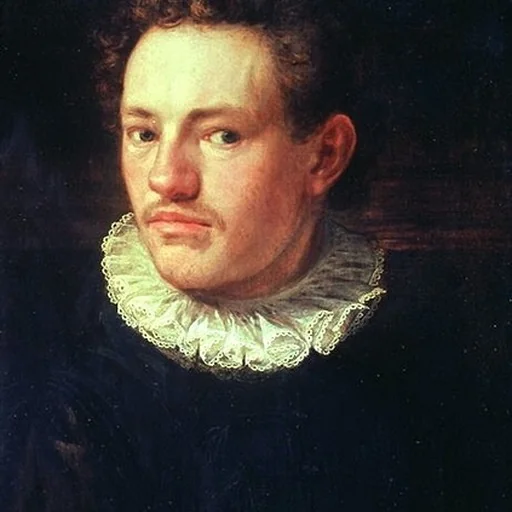
Artist
Hans von Aachen (1552 – 4 March 1615) was a German painter who was one of the leading representatives of Northern Mannerism.