Artwork
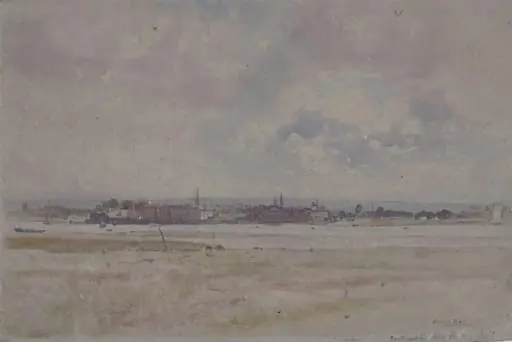
Dieppe from the West
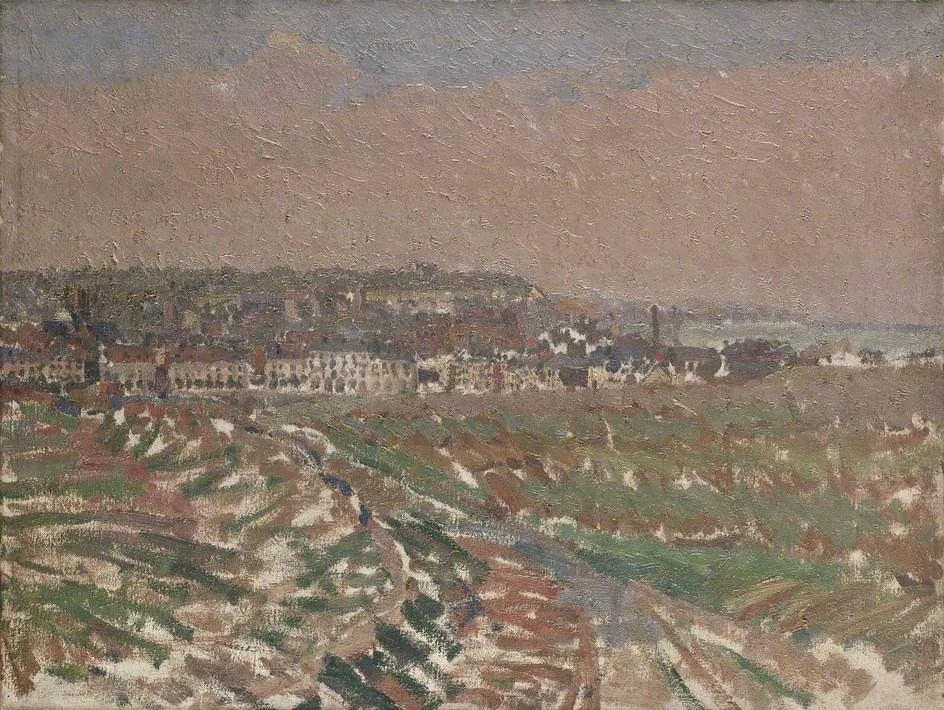
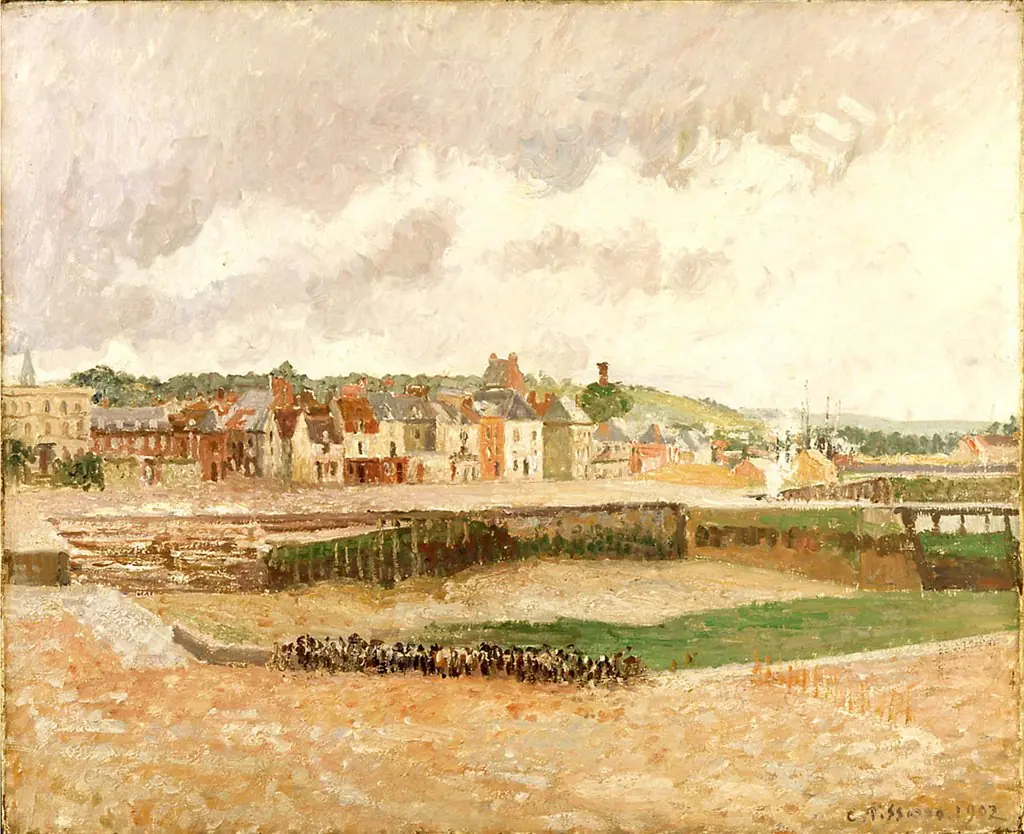
Dieppe from the West is an oil painting by Harold Gilman. It dates from 1910 and is held in the collection of the Ashmolean Museum.
About this work
Overview
The painting reflects Gilman’s interest in capturing everyday landscapes with quiet intensity, avoiding dramatic spectacle in favor of subtle observation.
Harold Gilman painted Dieppe from the West in 1910 using oil on canvas. The work captures a view of the French coastal town as seen from its western approaches. It is part of the Ashmolean Museum’s collection in Oxford, where it has been held since its acquisition. The painting reflects Gilman’s interest in capturing everyday landscapes with quiet intensity, avoiding dramatic spectacle in favor of subtle observation.
Subject & Meaning
The scene presents Dieppe nestled along a gentle hillside, its rooftops and spires emerging from the terrain. A winding path connects the foreground’s open fields to the town, suggesting movement and quiet human presence. There is no narrative focus—instead, the painting conveys a contemplative mood, emphasizing the relationship between land, settlement, and atmosphere. The absence of figures enhances the sense of solitude and stillness.
Technique & Style
Gilman employed loose, visible brushwork to build form and texture, avoiding smooth blending. His palette is restrained, dominated by earthy browns, muted greens, and soft grays, which unify the landscape under a hazy, overcast sky. The composition leads the eye upward from the foreground path toward the town, using tonal gradations to suggest depth. Light is diffused rather than sharply defined, contributing to a sense of atmospheric cohesion.
History & Provenance
Painted during Gilman’s time in France, the work emerged from his engagement with post-Impressionist approaches to landscape. After its completion, it remained in private hands until entering the Ashmolean Museum’s collection. Its acquisition reflects the museum’s broader interest in early 20th-century British artists who worked abroad, particularly those influenced by French modernism and the New English Art Club.
Context
In 1910, Gilman was part of a generation of British painters exploring rural and coastal scenes with greater structural clarity and emotional restraint than traditional Impressionism allowed. Dieppe from the West aligns with contemporaneous work by artists like Walter Sickert and Spencer Gore, who favored subdued tones and deliberate composition over fleeting effects. The painting reflects a broader shift toward modernist sensibilities in British art during the decade.
Legacy
Though not widely exhibited, the painting remains a representative example of Gilman’s mature style and his contribution to British modernism. It illustrates how British artists adapted continental influences to create quiet, introspective landscapes. Its presence in the Ashmolean ensures continued study of early 20th-century British painting beyond the more prominent names of the period.
Artist & collection
Artist
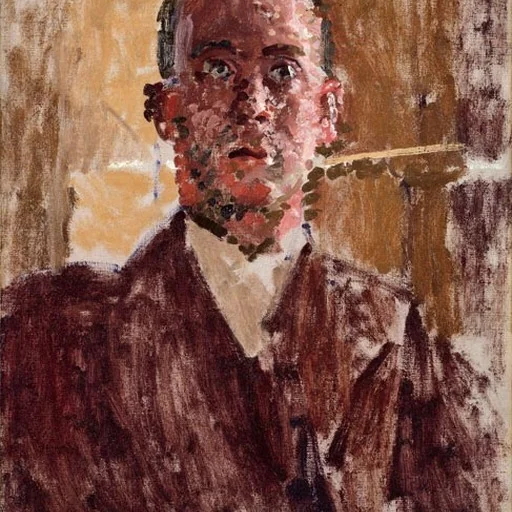
Harold John Wilde Gilman was a British painter of interiors, portraits and landscapes, and a founder-member of the Camden Town Group.