Artwork
Dauphine Landscape
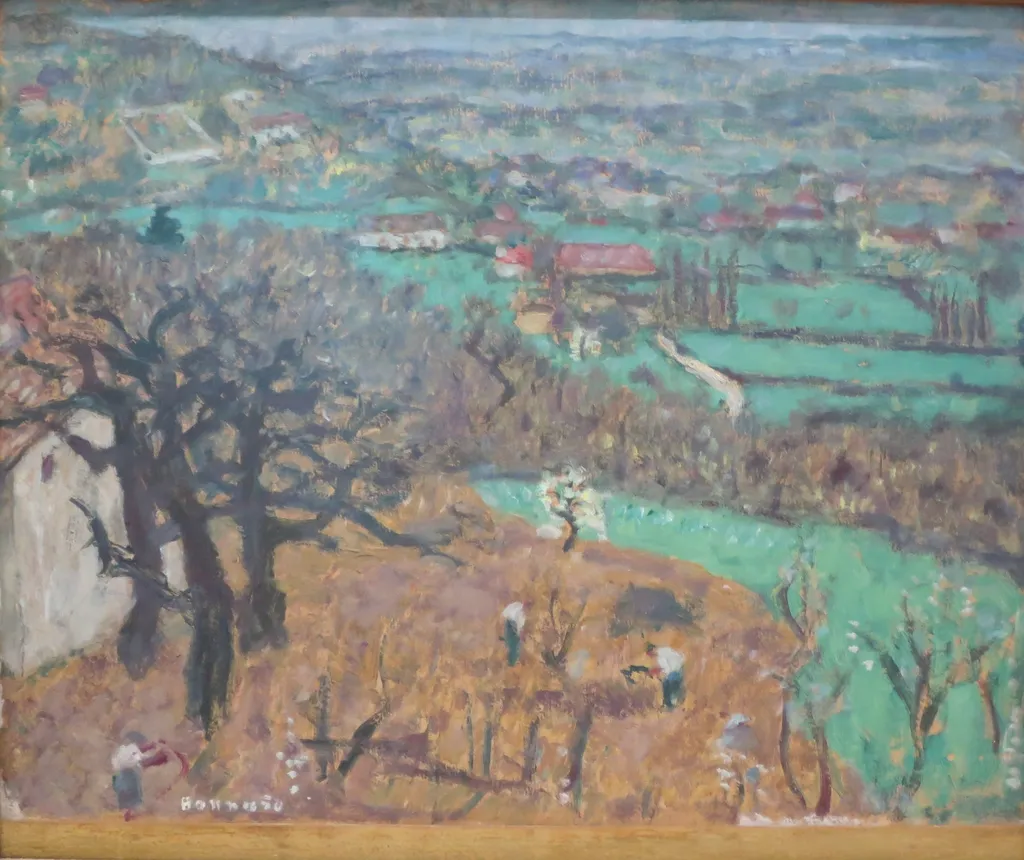
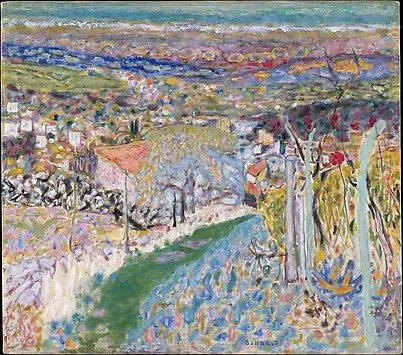
Dauphine Landscape is an oil painting by the Post-Impressionist artist Pierre Bonnard. It dates from 1900 and is held in the collection of the Hermitage Museum.
About this work
Overview
Painted in 1900, Dauphine Landscape is an oil on canvas work by Pierre Bonnard, depicting a rural scene in the Dauphiné region of southeastern France.
Painted in 1900, Dauphine Landscape is an oil on canvas work by Pierre Bonnard, depicting a rural scene in the Dauphiné region of southeastern France. The painting is part of the State Hermitage Museum’s collection in Saint Petersburg. Its loose handling and atmospheric quality reflect Bonnard’s interest in capturing transient light and mood rather than precise detail, aligning with broader Post-Impressionist tendencies of the era.
Subject & Meaning
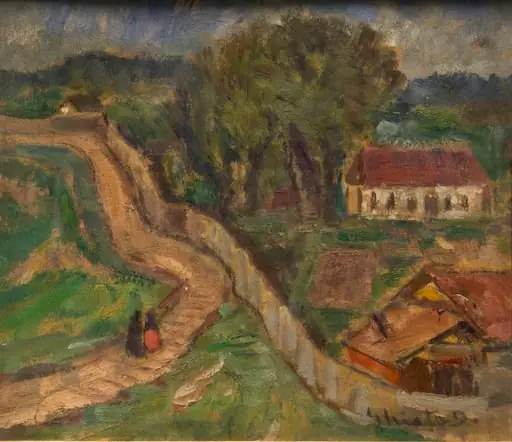
The scene presents a hazy view of countryside terrain—trees, a winding path, and distant structures emerge faintly from the brushwork. There is no narrative or focal point; instead, the composition invites contemplation of quiet, everyday surroundings. Bonnard conveys a sense of stillness and intimacy, emphasizing the emotional resonance of place over topographical accuracy.
Technique & Style
Bonnard applied oil paint with thick, irregular strokes, building texture through impasto. Colors—soft greens, muted browns, and cool blues—are layered unevenly, creating a tactile surface that shimmers with subtle shifts in tone. The blurred forms and lack of sharp outlines suggest movement and atmospheric haze, reinforcing a dreamlike, sensory impression rather than a literal depiction.
History & Provenance
The painting entered the State Hermitage Museum’s collection in the early 20th century, likely through acquisitions made during a period of increased interest in French modernism. Its presence in Russia reflects broader cultural exchanges between Western European artists and Russian collectors and institutions following the 1900s.
Context
Created during Bonnard’s mature phase, the work aligns with his ongoing exploration of domestic and rural environments, influenced by Japanese prints and the Nabis group’s emphasis on decorative harmony. Unlike the structured compositions of academic painting, this piece embraces ambiguity and emotional nuance, reflecting a shift toward subjective experience in early 20th-century art.
Legacy
Dauphine Landscape exemplifies Bonnard’s contribution to the evolution of landscape painting beyond realism. His use of texture and color to evoke mood influenced later generations of painters interested in abstraction and emotional expression. The work remains a quiet but significant example of how perception, not precision, can define a visual experience.
Artist & collection
Artist
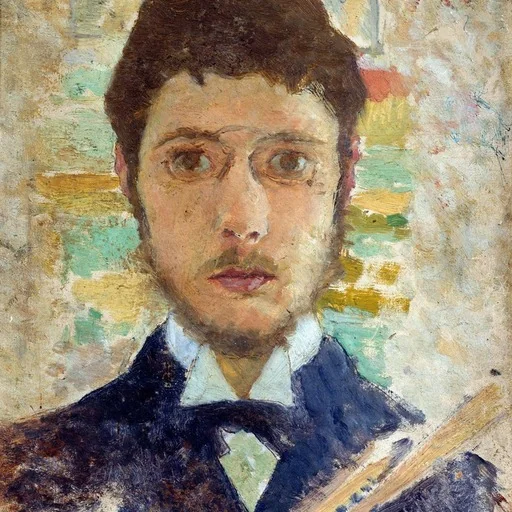
Pierre Bonnard was a French painter, illustrator and printmaker, known especially for the stylized decorative qualities of his paintings and his bold use of color.

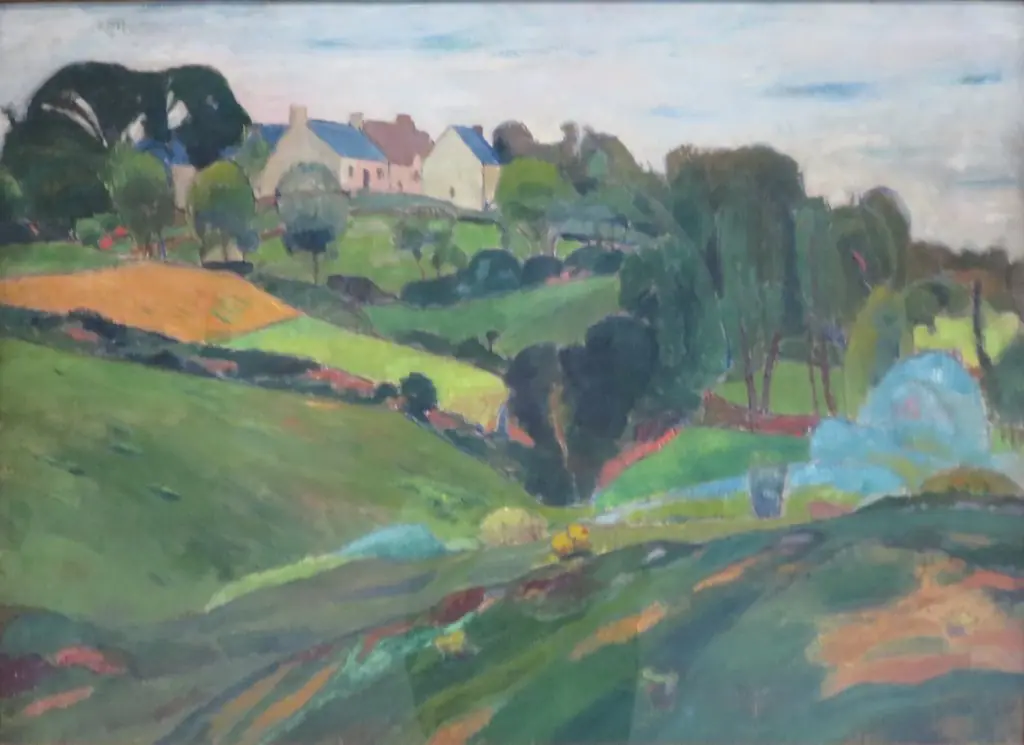 Brittany Landscape
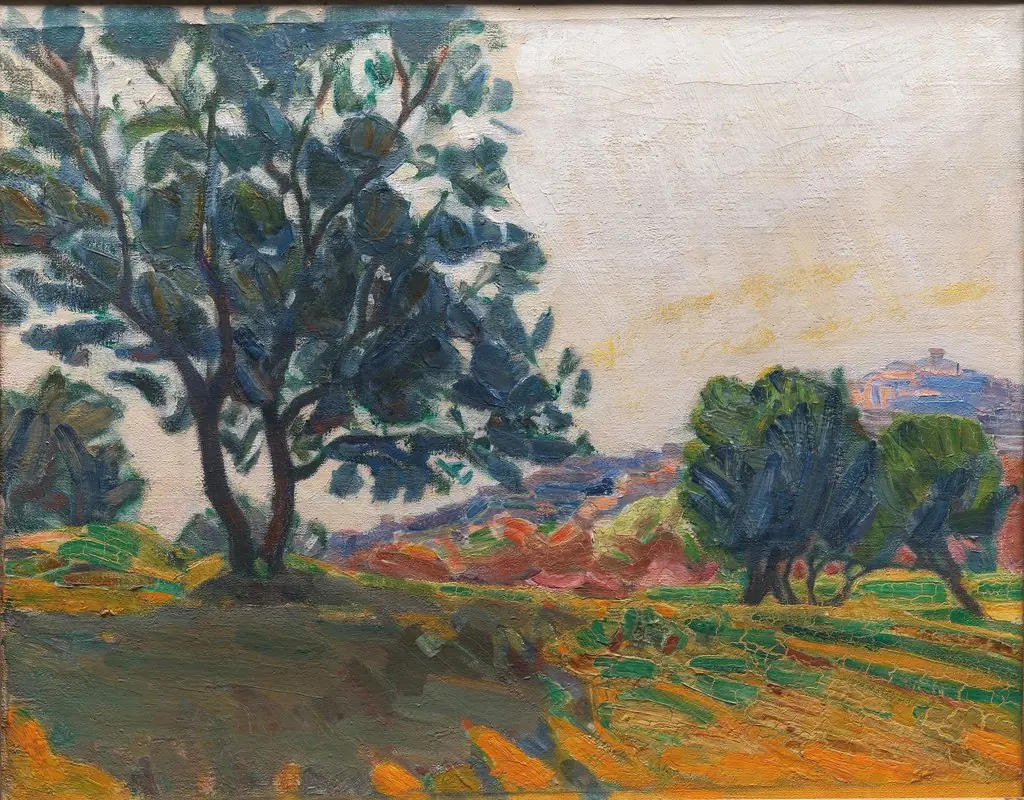 The Olive Grove. With Cagnes in the Background. Against the Light
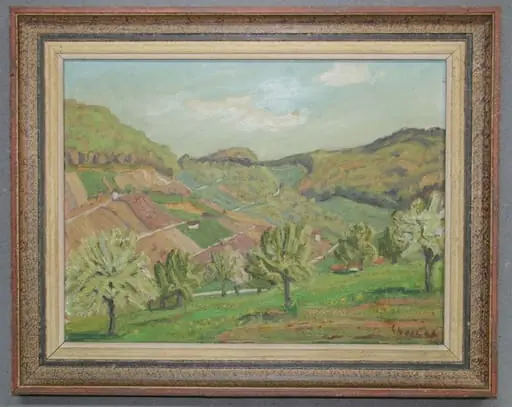 Staub - Malerei, Ölgemälde. Blick zum Rebberg beim Wartenberg
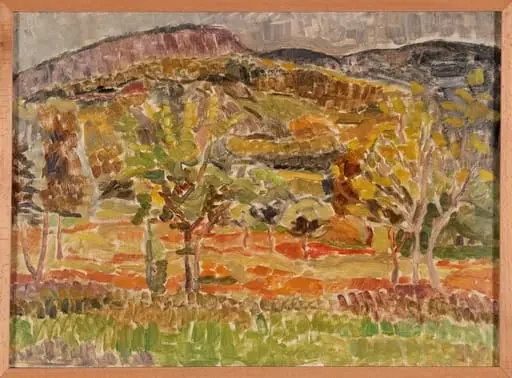 Outdoor study
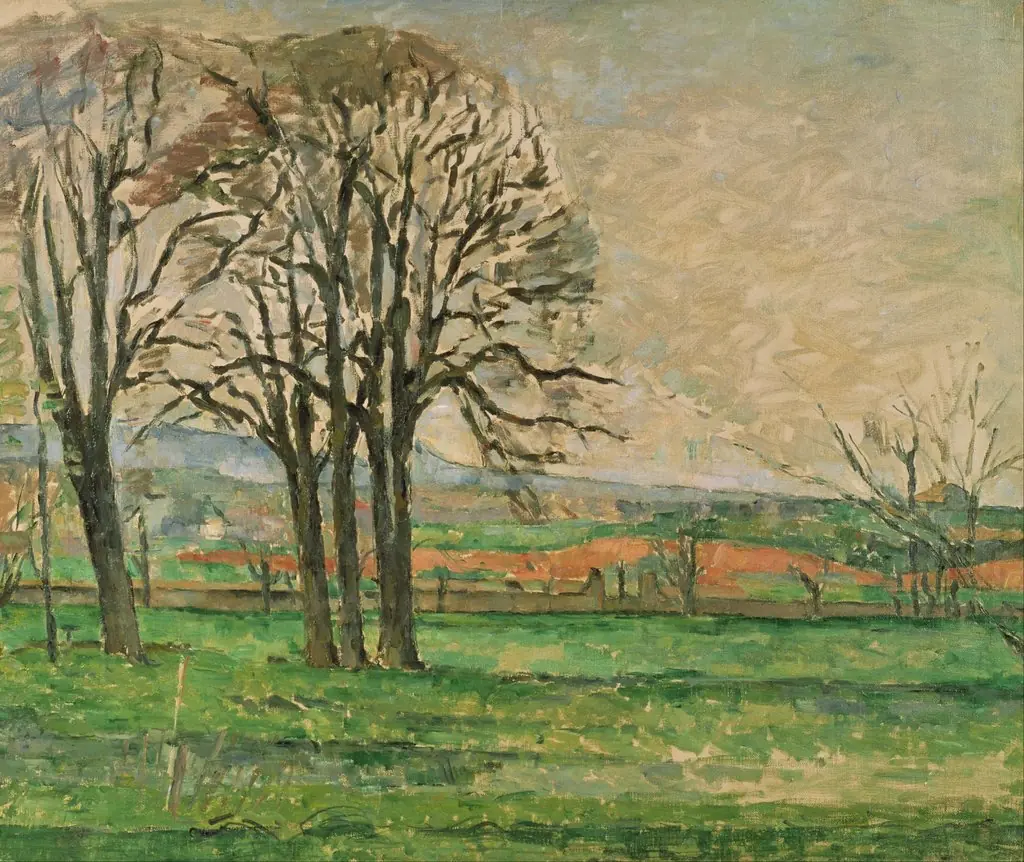 The Bare Trees at Jas de Bouffan
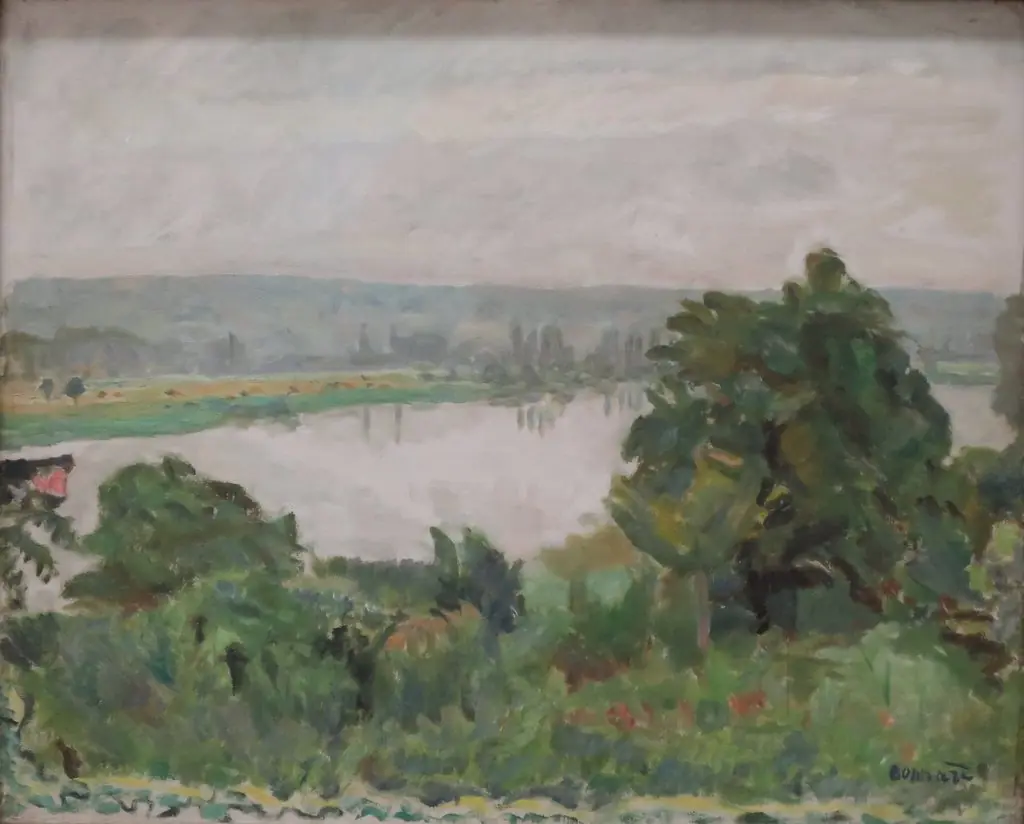 Seine near Vernon
 Landscape in the South (Le Cannet)
 Peisaj din Bretania
 Pajiște și colină din Bretania
 Orchard
 Peisaj
 Blühende Bäume im Schnee