Artwork
Untitled
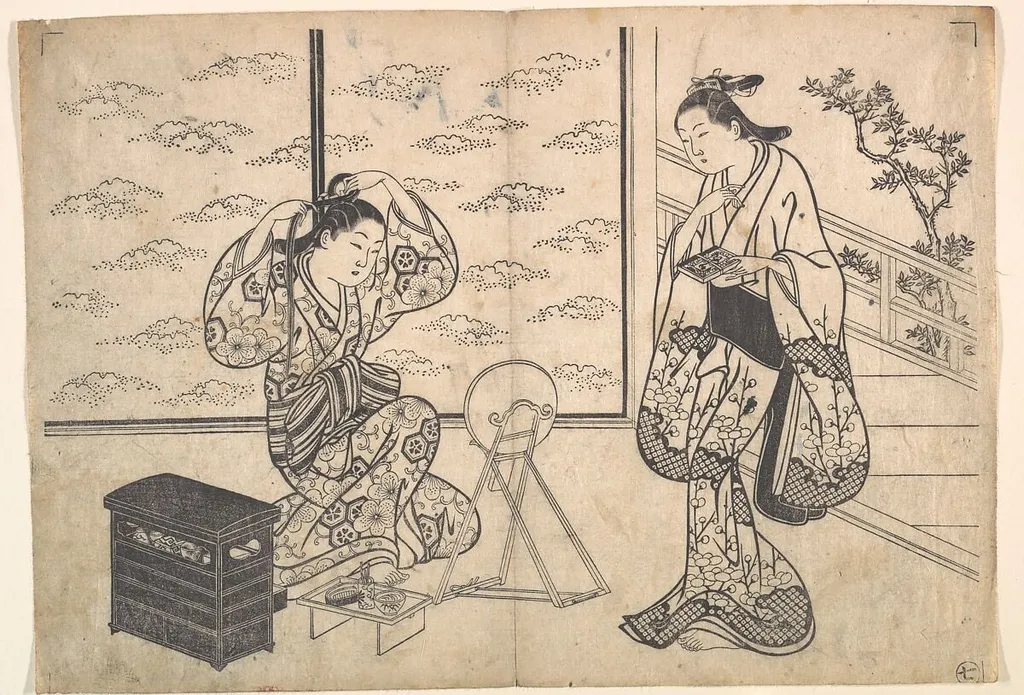
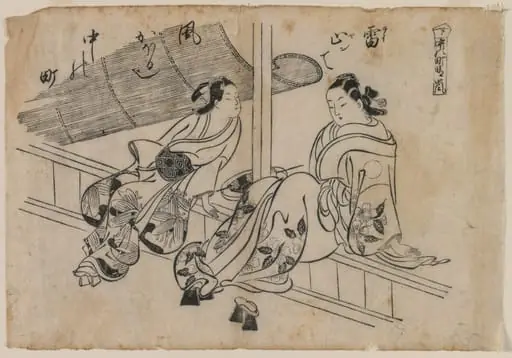
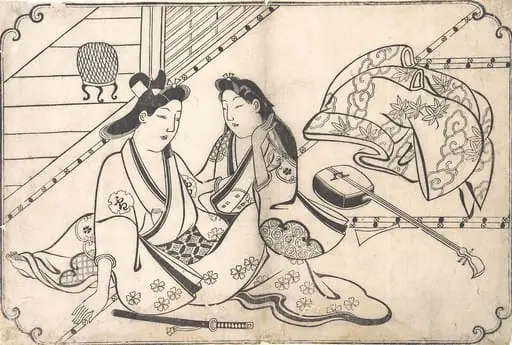
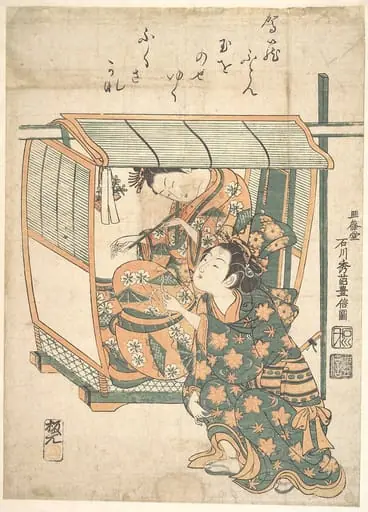
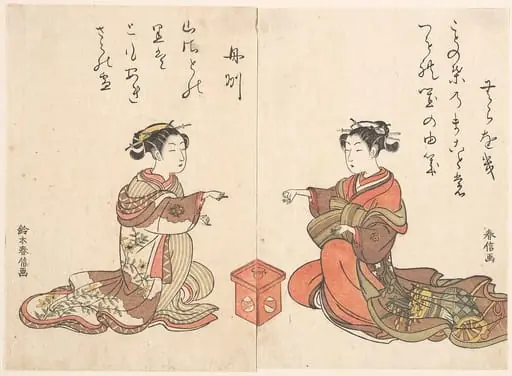
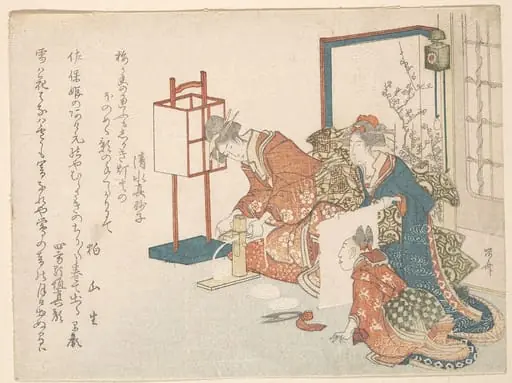
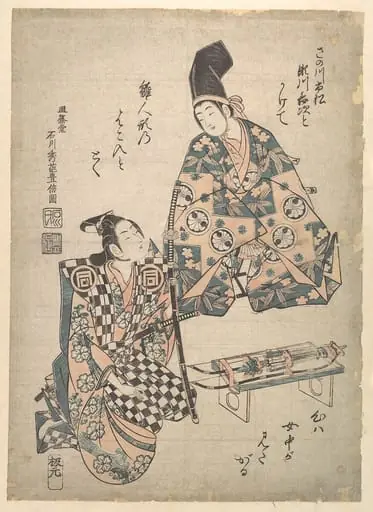
Untitled is an ink print by the Baroque artist Hasegawa Mitsunobu. It dates from 1730 and is held in the collection of the Metropolitan Museum of Art.
About this work
Overview
The composition relies on line and tone rather than color, emphasizing form and spatial relationships through controlled ink application and careful carving.
This monochrome woodblock print, dated around 1730, is attributed to Hasegawa Mitsunobu and resides in The Metropolitan Museum of Art. Executed in black ink on paper, it exemplifies the refined simplicity of early 18th-century Japanese printmaking. The composition relies on line and tone rather than color, emphasizing form and spatial relationships through controlled ink application and careful carving.
Subject & Meaning
Two women are depicted in an intimate interior setting: one seated, holding a fan and mirror; the other standing with a tray. Their postures and objects suggest a quiet moment of personal ritual, possibly grooming or preparing for an occasion. The modest domestic environment, indicated by a balcony and cloud-filled sky, grounds the scene in everyday life, avoiding theatricality in favor of understated observation.
Technique & Style
The artist employed cross-hatching to model form and suggest texture using layered, intersecting lines. This method, common in ink-based printmaking, creates subtle gradations of tone without color. Bold, clean contours define figures and architecture, while the absence of flat color enhances the print’s austerity. The paper’s light tone remains largely untouched, allowing negative space to contribute to the composition’s balance.
History & Provenance
The print was likely produced during the early Edo period, when woodblock prints were widely circulated among urban populations. Though little is documented about its early ownership, it entered The Metropolitan Museum of Art’s collection as part of a broader acquisition of Japanese prints, reflecting early 20th-century interest in Edo-period graphic arts.
Context
Created during a time when ukiyo-e was evolving from painterly traditions into mass-produced imagery, this work retains a quiet, almost literati sensibility. Unlike colorful prints of courtesans or actors, it focuses on private, unadorned moments, aligning with a quieter strand of Edo visual culture that valued restraint and observation over spectacle.
Legacy
As a rare surviving example of monochrome woodblock printing from the period, it illustrates the technical versatility of the medium beyond color printing. Its emphasis on line and tone influenced later artists exploring ink aesthetics, and it remains a reference for understanding the diversity of Edo-period printmaking beyond popular genres.
Artist & collection