Artwork
Το λιμάνι της Πάτρας
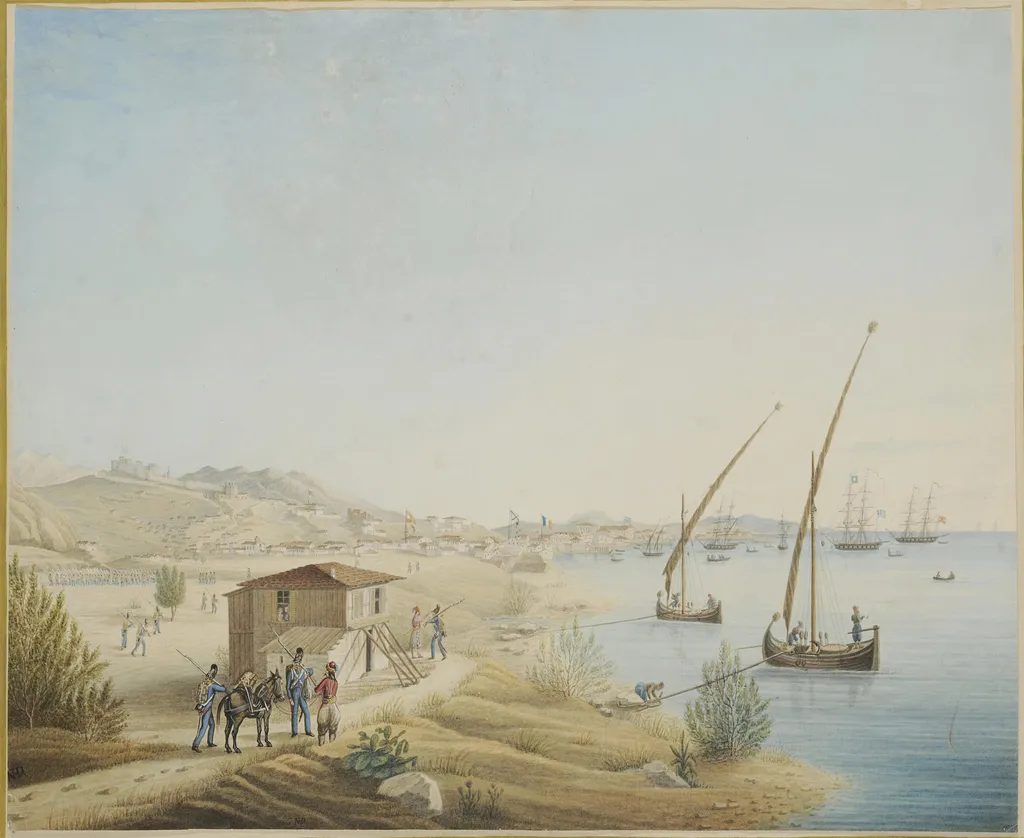
Το λιμάνι της Πάτρας is an unspecified painting by the Biedermeier artist Haubenschmid Α.. It dates from 1834 and is held in the collection of the Historical & Ethnological Society of Greece.
About this work
Overview
Το λιμάνι της Πάτρας (The Port of Patras) is an 1834 painting by Haubenschmid Α., currently housed at the Museum of Ethnography. The work captures a serene, bustling harbor scene, blending everyday activity with a sense of locale.
Subject & Meaning
The painting depicts a Patras harbor scene, focusing on the interplay between daily life and the surrounding landscape. Figures in simple attire engage in tasks like hauling boats, while the backdrop features a hillside town with a prominent, castle-like structure, conveying a sense of place and community.
Technique & Style
Characterized by soft, muted colors dominated by blues and browns, the painting reflects elements of Romanticism, blending realistic depiction with an emotional, subdued atmosphere. The overall effect is one of calm observation of daily life within a specific, identifiable setting.
History & Provenance
Created in 1834 by Haubenschmid Α., the painting is part of the collection at the Museum of Ethnography, where it remains on display, offering insights into 19th-century Greek life and artistic trends.
Context
Painted during the Romantic era, Το λιμάνι της Πάτρας aligns with the movement’s emphasis on capturing the beauty of everyday life and the emotional resonance of natural and architectural landscapes. It provides a unique glimpse into Patras’s 19th-century appearance and activities.
Legacy
While specific impacts or influences of Το λιμάνι της Πάτρας on subsequent art are not widely documented, it contributes to the broader understanding of Greek Romantic-era art and the historical representation of daily life in 19th-century Greece.
Artist & collection
Artist
This painter loved Greek ports too much to stay indoors—sketches in hand, they wandered docks from Paros to Patras in the 1830s, painting every sail and stone twice.
Museum
Historical & Ethnological Society of Greece
Continue through works from the same source collection.
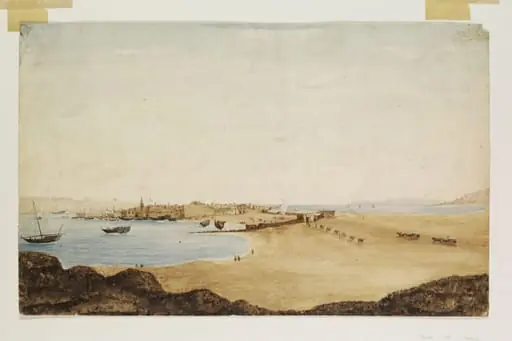 Suez from the Ruins of Colsum
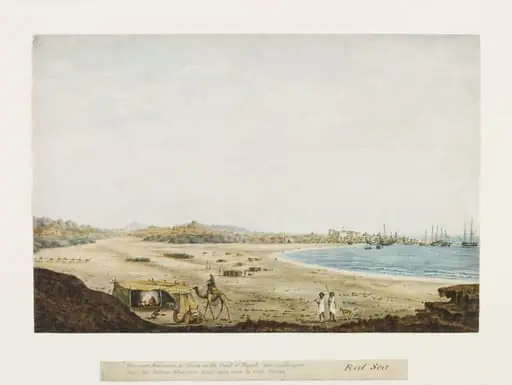 Town & Harbor of Cosire Red Sea
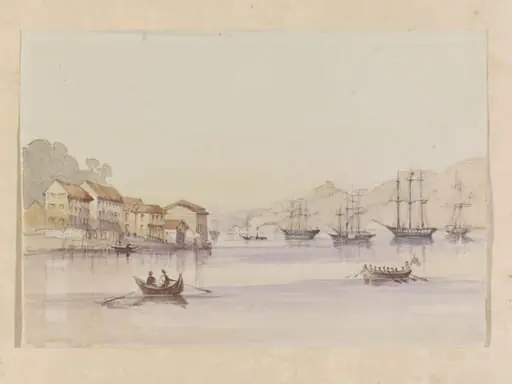 View of the Bosphorus with warships
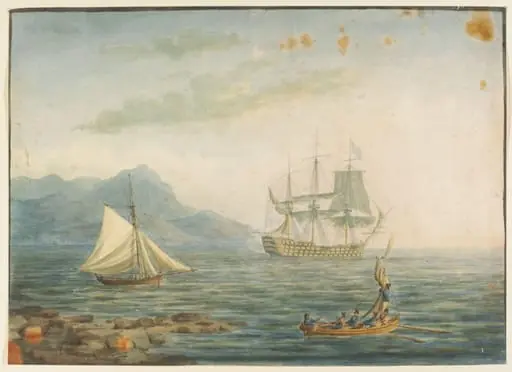 H.M.S. Victory off N. Africa
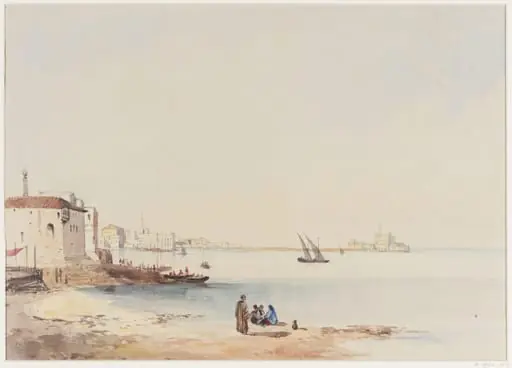 An oriental port
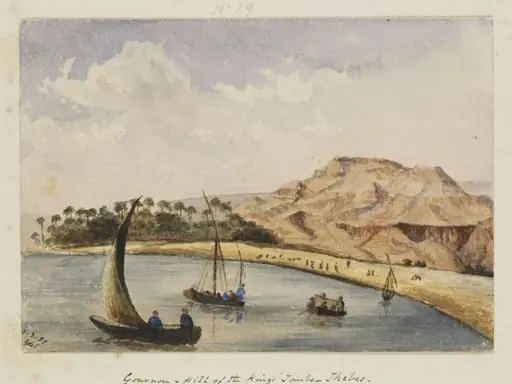 `Gournou & Hill of the Kings' Tombs - Thebes'
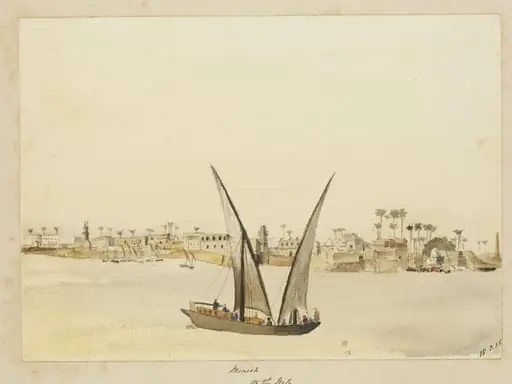 `Minieh On the Nile'
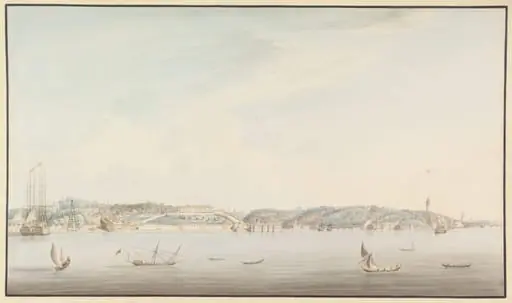 Kasim Pasa, the former Ottoman Naval Arsenal, from the Golden Horn
 `Cataracts of Assouan. Midway. - Our Candjia Moored for the Night - On the Nile'
 View of Smyrna (Izmir)