Artwork
Λιμάνι της Πάρου
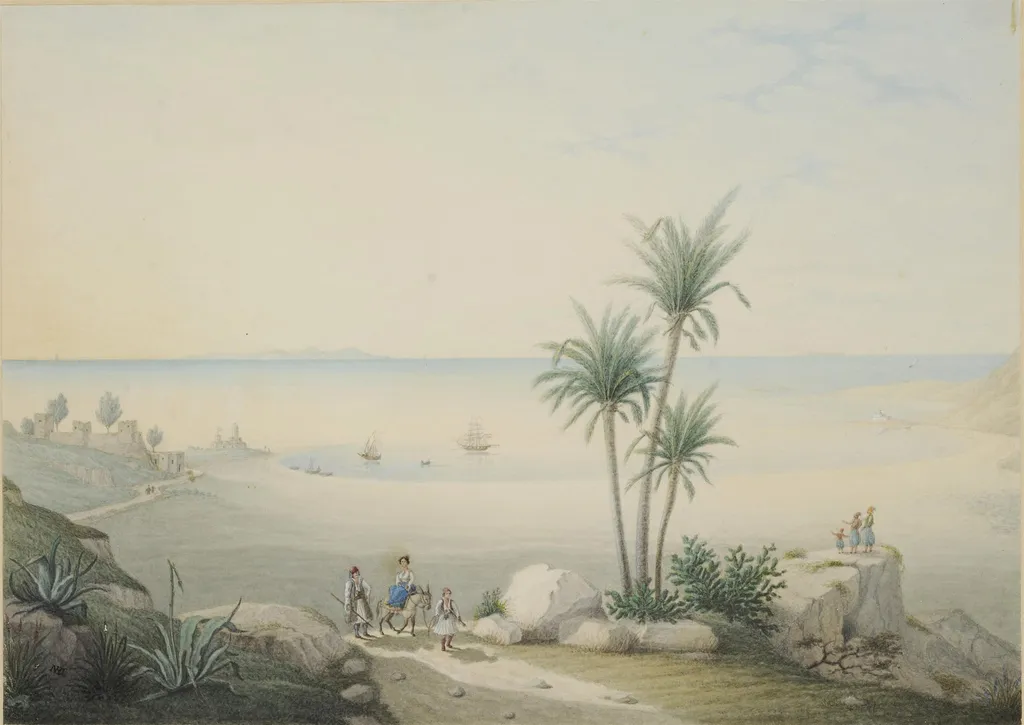
Λιμάνι της Πάρου is an unspecified painting by Haubenschmid Α.. It dates from 2009 and is held in the collection of the Historical & Ethnological Society of Greece. Created in 2009 by Haubenschmid A.
About this work
Overview
Created in 2009 by Haubenschmid A., this image captures a quiet moment on the island of Paros. It is part of the collection at the Museum of Ethnography, where it is preserved as a record of Mediterranean coastal life. The work is rendered in a restrained palette and delicate brushwork, emphasizing stillness over drama.
Subject & Meaning
The scene shows a man guiding a donkey along the shore, accompanied by a woman and a child. Their movements are unhurried, suggesting routine rather than event. The presence of distant boats and a calm sea reinforces a sense of daily continuity, reflecting the rhythms of island life without idealization or narrative flourish.
Technique & Style
The artist employs soft, muted tones and loose, fluid brushstrokes to evoke tranquility. Forms are suggested rather than sharply defined, allowing light and atmosphere to unify the composition. The lack of sharp contrast or dramatic perspective supports an intimate, observational approach to the landscape and its inhabitants.
History & Provenance
The work entered the Museum of Ethnography’s collection shortly after its creation. It was acquired as part of a broader effort to document contemporary Mediterranean vernacular life through visual art. No prior ownership or exhibition history is documented beyond its inclusion in the museum’s permanent holdings.
Context
Haubenschmid A. focused on everyday scenes in Greek island communities during the early 21st century. This piece aligns with a regional artistic trend that prioritized quiet observation over grand narratives. It reflects a shift in ethnographic collecting toward contemporary, non-stereotyped representations of local life.
Legacy
The work contributes to a modest but persistent body of contemporary Greek art that records rural and coastal routines. It is not widely reproduced or studied, but within the museum’s collection, it serves as a quiet testament to the persistence of traditional rhythms in modern island communities.
Artist & collection
Artist
This painter loved Greek ports too much to stay indoors—sketches in hand, they wandered docks from Paros to Patras in the 1830s, painting every sail and stone twice.
Museum
Historical & Ethnological Society of Greece
Continue through works from the same source collection.
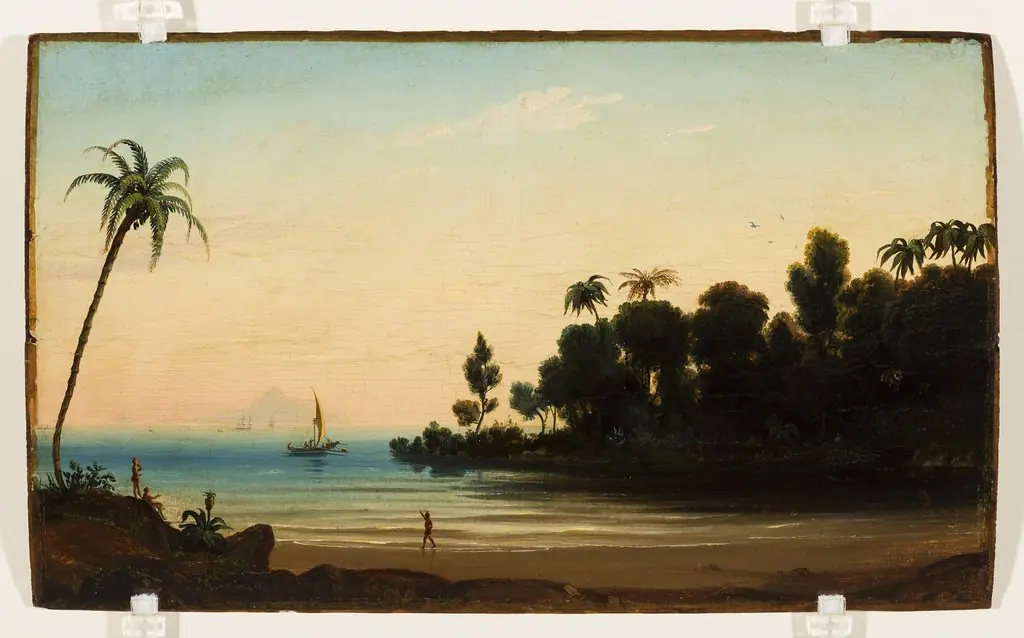 Praia com índios e veleiro (atribuído)
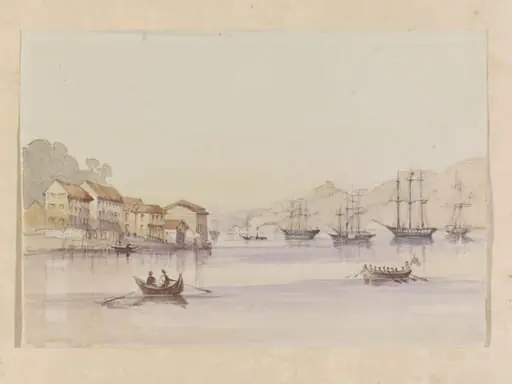 View of the Bosphorus with warships
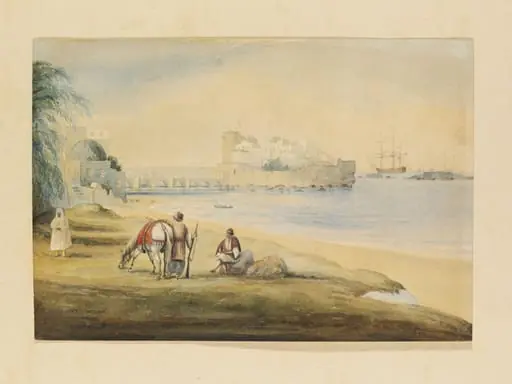 View of the Sea Castle (Sidon)
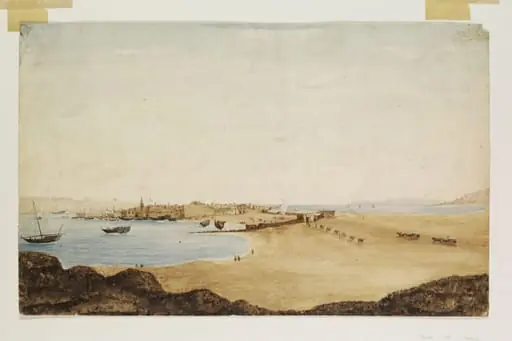 Suez from the Ruins of Colsum
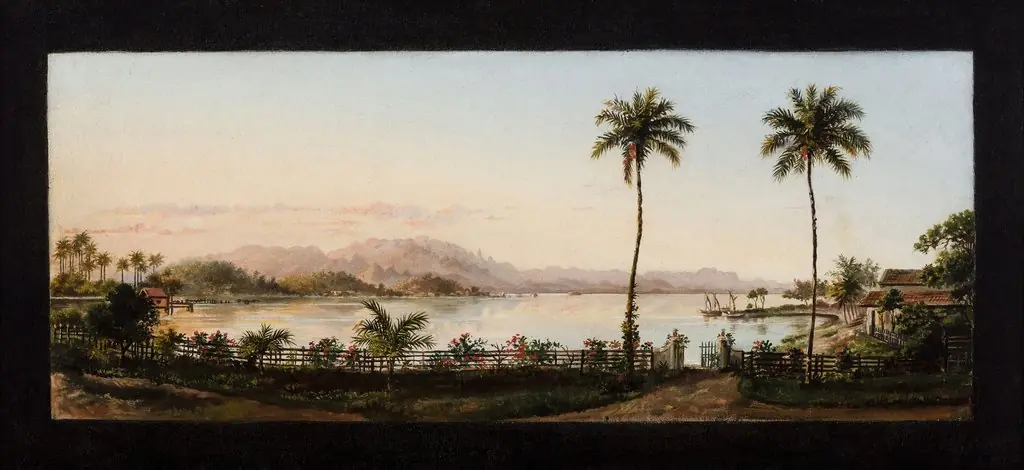 Enseada de Paquetá com Serra dos Órgãos ao fundo (atribuído)
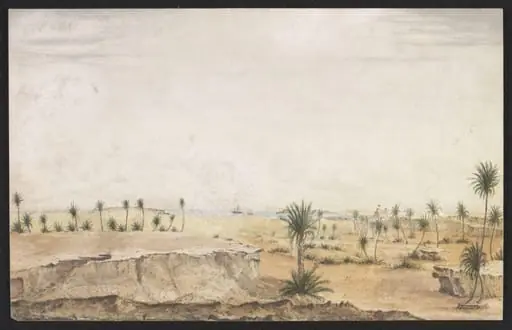 Red Sea. Date Palms and Arab Fort on the Island of Camaran
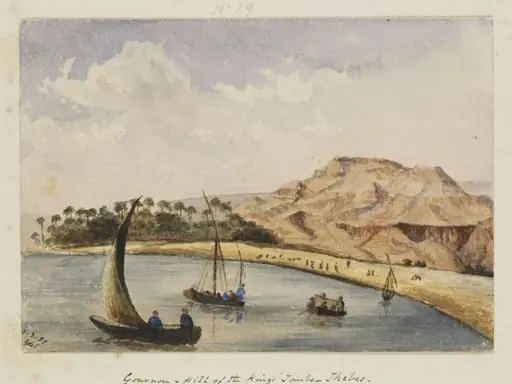 `Gournou & Hill of the Kings' Tombs - Thebes'
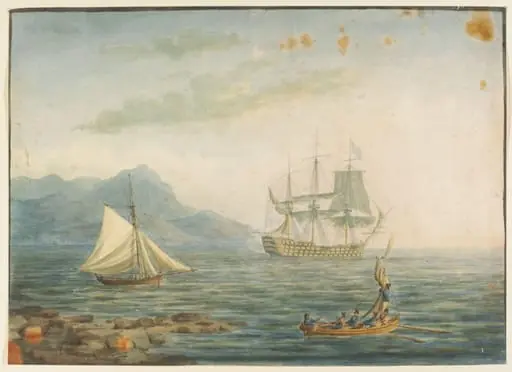 H.M.S. Victory off N. Africa
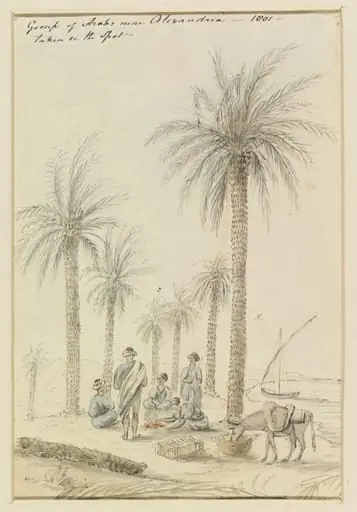 Group of Arabs near Alexandria - 1801 - taken on the Spot
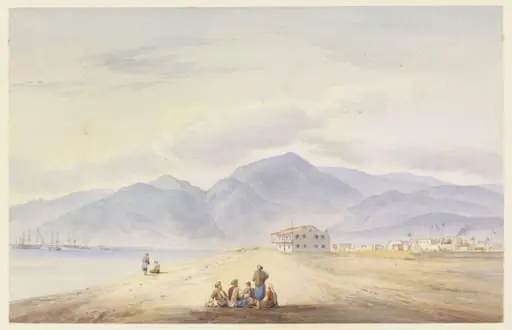 Alexandretta (Gulf of Iskanderoon)