Artwork
Colonelul Salamon
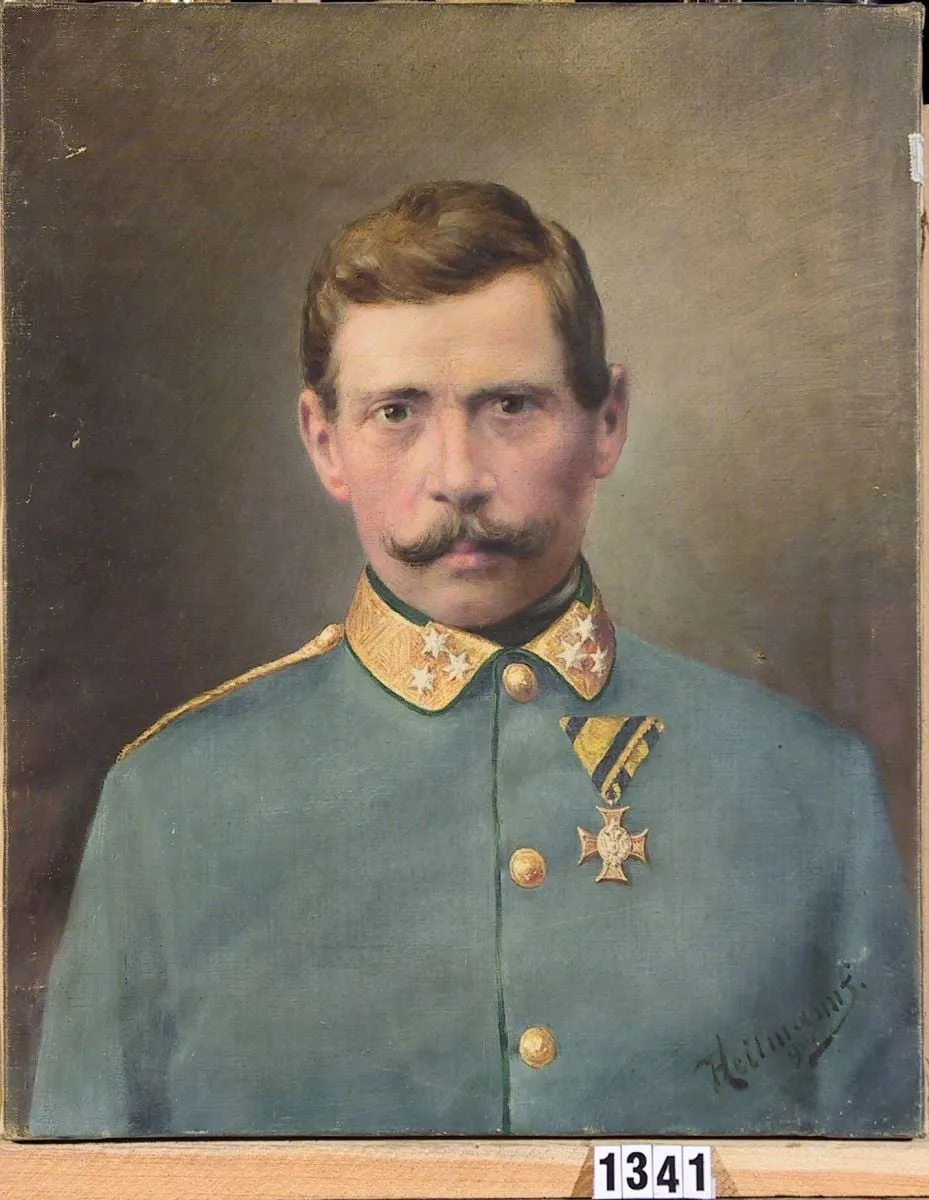
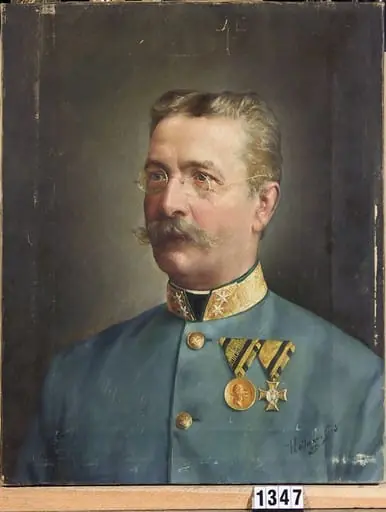
Colonelul Salamon is a print by Ferdinand Heilmann. It is held in the collection of the Brukenthal National Museum. This portrait depicts a military officer in formal uniform, rendered in oil or similar medium.
About this work
Overview
The subject wears a green coat with gold trim, a decorative collar, and a medal on the left chest.
This portrait depicts a military officer in formal uniform, rendered in oil or similar medium. The subject wears a green coat with gold trim, a decorative collar, and a medal on the left chest. His thick mustache and direct gaze convey a composed, authoritative presence. The artist’s signature is visible in the corner, though the date remains undetermined. The work is cataloged as a portrait without additional contextual details about the sitter.
Subject & Meaning
The identity of the officer is not recorded, but his attire and medal indicate military service, likely in a European army of the 19th century. The formal pose and precise detailing suggest an official or commissioned portrait, intended to affirm rank and status. The absence of background or symbolic elements focuses attention solely on the individual, emphasizing dignity and discipline over narrative.
Technique & Style
The painting employs a realistic approach with careful attention to texture—particularly in the fabric of the uniform and the sheen of metal buttons and medal. Brushwork is controlled, avoiding overt expressionism. Lighting is even, highlighting the subject’s face and insignia without dramatic contrast. The composition is centered and static, typical of military portraiture of the period.
History & Provenance
The painting’s origin and early ownership are undocumented. It is attributed to Ferdinand Heilmann, a 19th-century artist known for portraits and genre scenes, though this work lacks a clear date or exhibition history. No records link it to a specific campaign, regiment, or collection prior to its current cataloging, leaving its historical trajectory uncertain.
Context
During the 1800s, military portraiture was common across Europe, serving both personal commemoration and institutional recognition. Officers often commissioned such works to display rank and honor. Heilmann, active in Central Europe, produced similar portraits, reflecting the era’s emphasis on order and hierarchy. This piece fits within that tradition, though its specific regional or political context remains unspecified.
Legacy
As one of several portraits by Ferdinand Heilmann, this work contributes to the understanding of his output in civilian and military portraiture. Though not widely published or exhibited, it remains a representative example of 19th-century regional portraiture. Its value lies in its documentation of uniform detail and the quiet dignity of an unnamed officer, preserving a fragment of social history.
Artist & collection
Artist
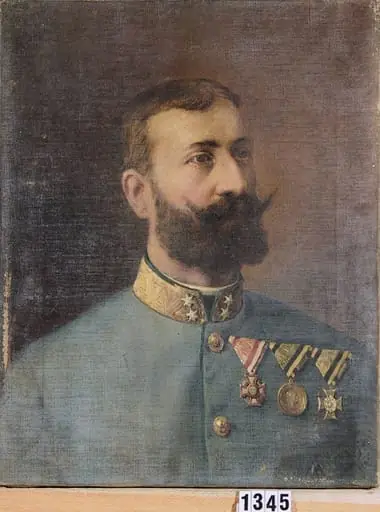
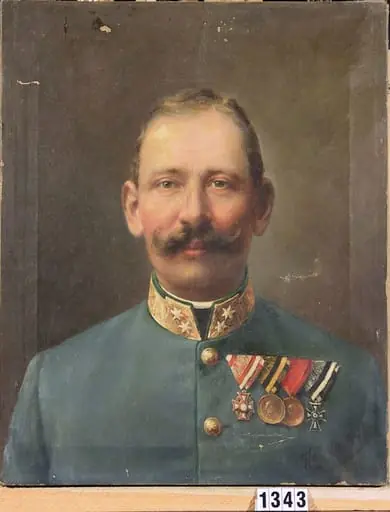
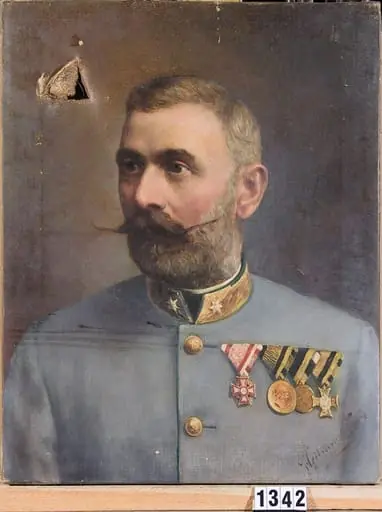
Ferdinand Heilmann made formal portraits of army officers in the mid-1800s. His brush or needle captured five Hungarian colonels and lieutenants, each shown in full uniform with medals and sashes. The prints and…

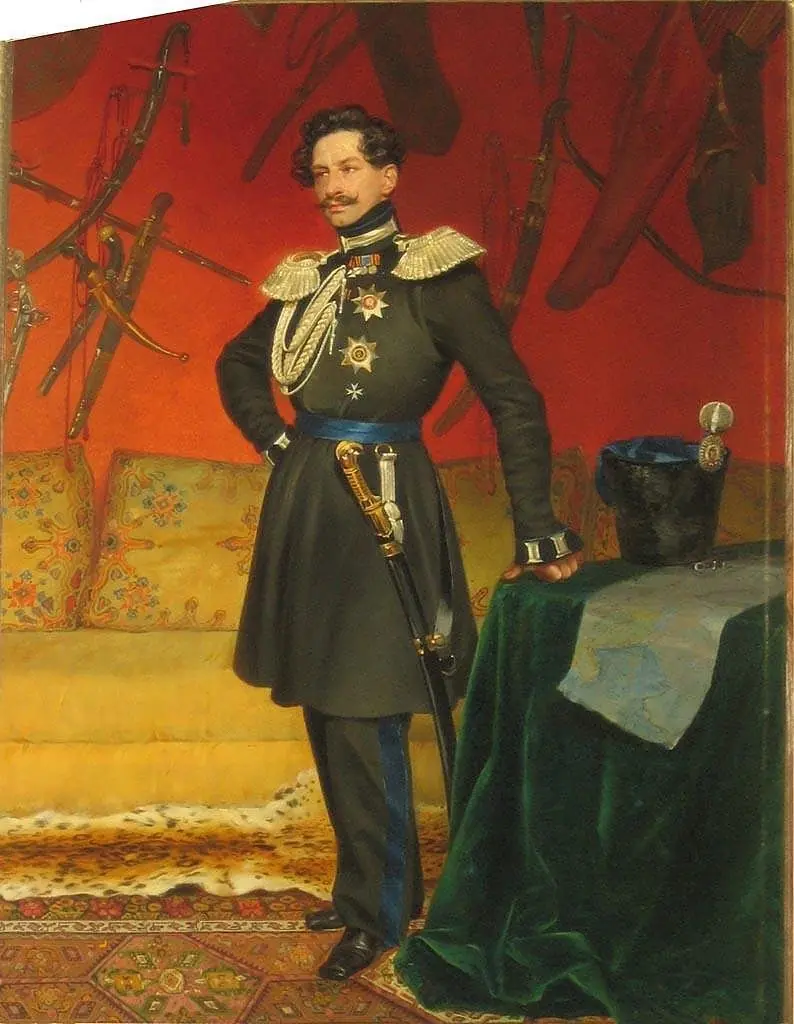 Portrait of General Count V.А.Perovsky
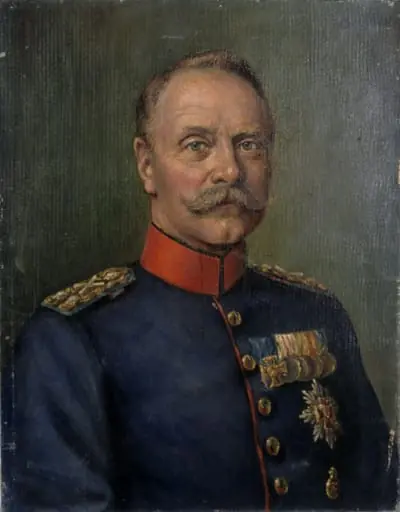 Bildnis: Großherzog Friedrich II. von Baden
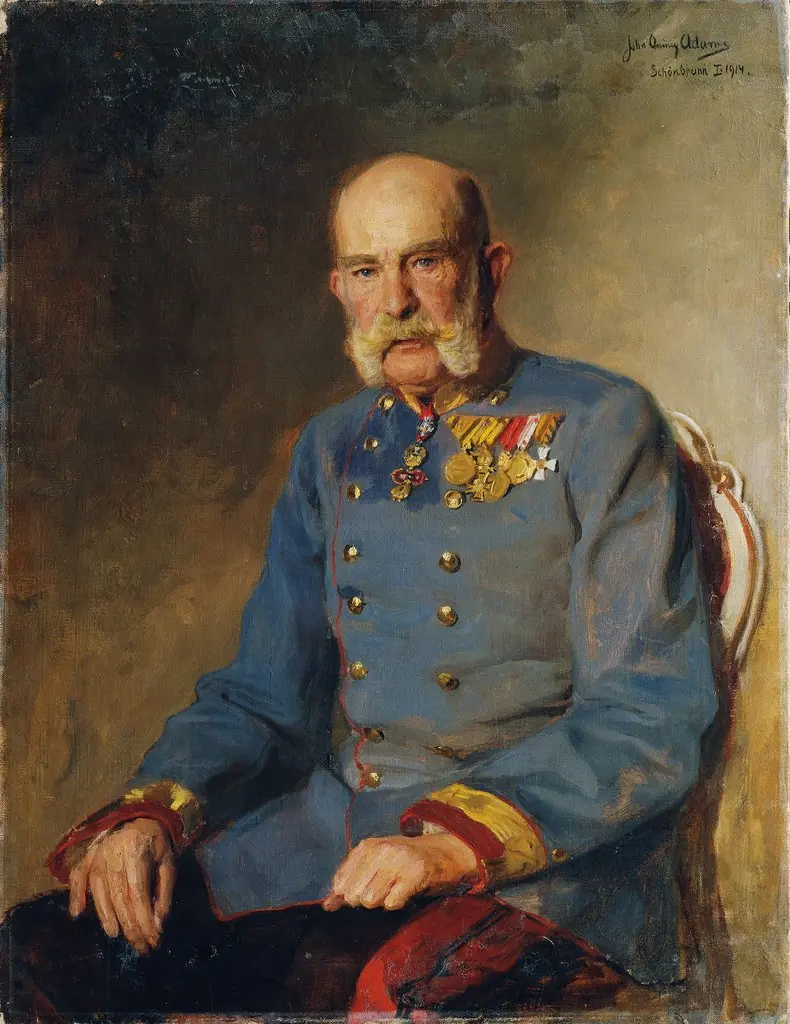 Emperor Franz Joseph I in the service uniform of an Austrian field marshal
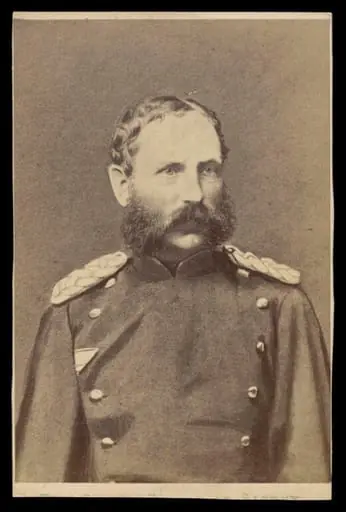 A portrait of 'Crown Prince of Saxony'
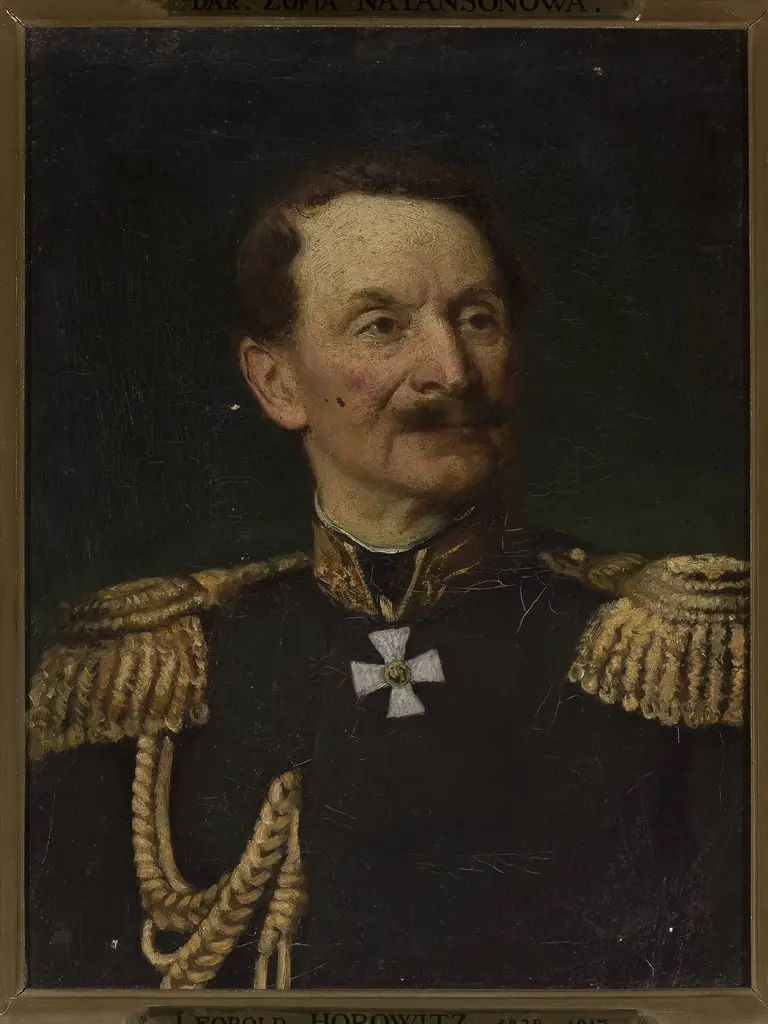 Portrait of count Friedrich Berg (1790–1874), Russian general, viceroy of the Kingdom of Poland
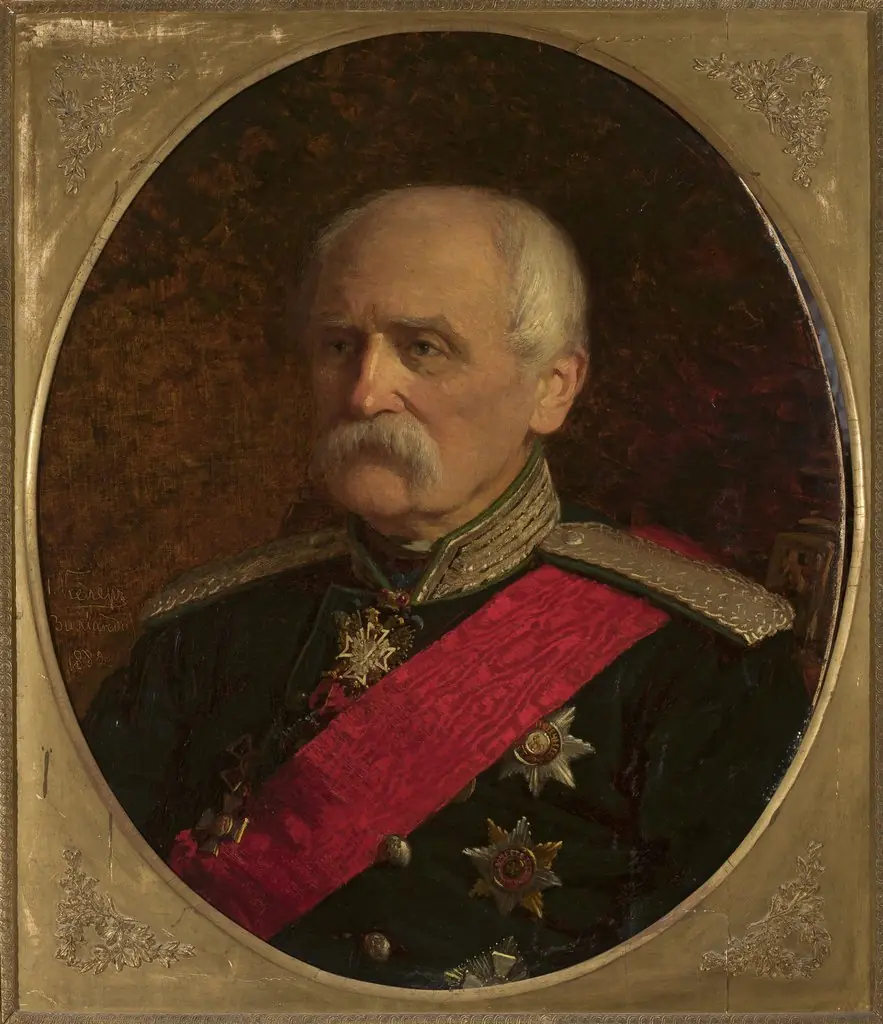 Portrait of major general Stanisław Kierbedź, engineer
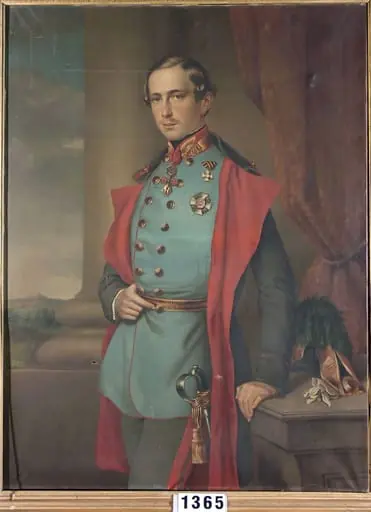 Împăratul Franz Joseph I