Artwork
Emperor Franz Joseph I in the service uniform of an Austrian field marshal
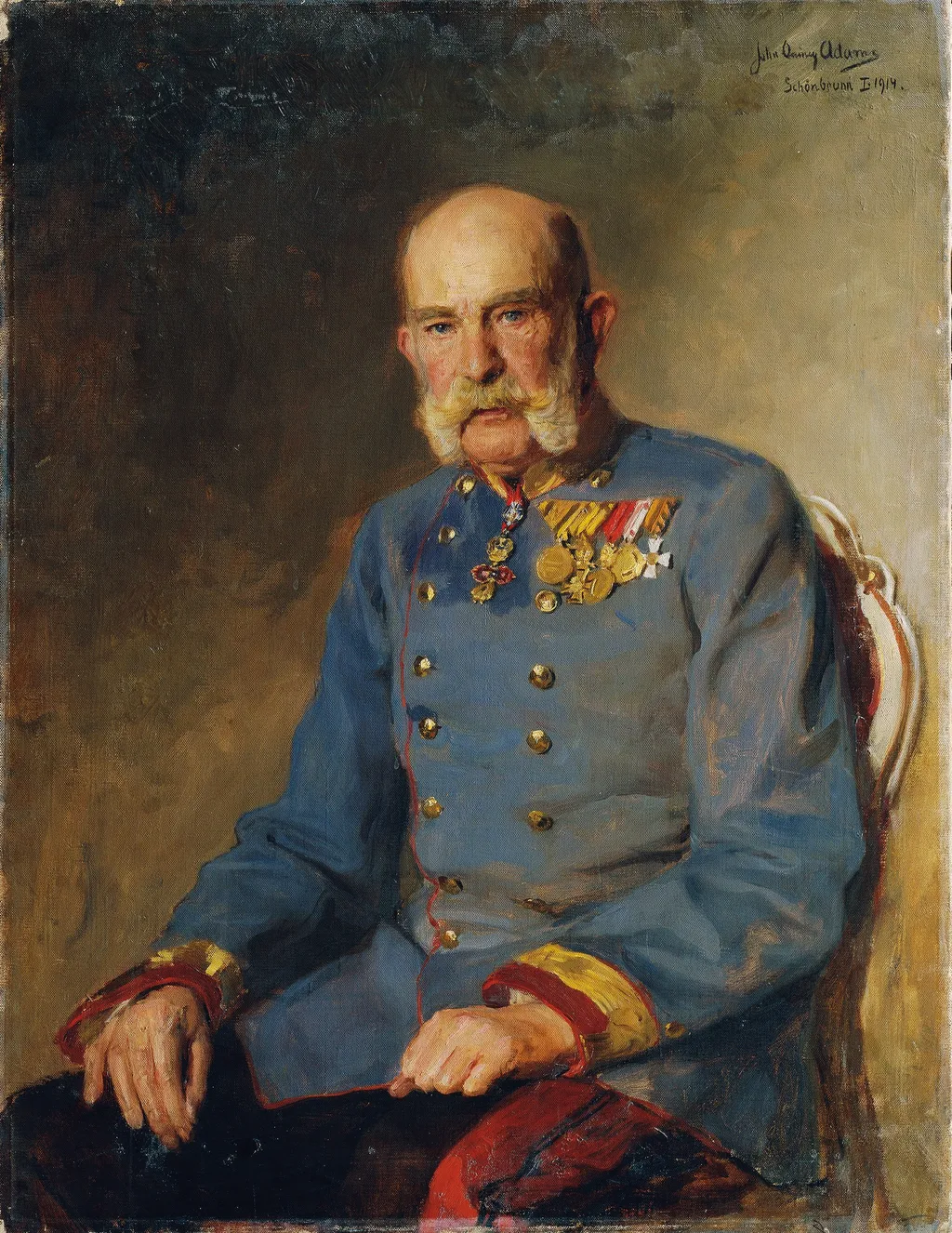
Emperor Franz Joseph I in the service uniform of an Austrian field marshal is an oil painting by John Quincy Adams. It dates from 1914 and is held in the collection of the Kunsthistorisches Museum.
About this work
Overview
John Quincy Adams’ 1914 oil portrait presents Emperor Franz Joseph I clad in the ceremonial attire of an Austrian field marshal. The work, now part of the Kunsthistorisches Museum’s collection, captures the monarch in a dignified pose, his uniform adorned with gold‑trimmed epaulettes and a profusion of medals, while his white mustache and goatee frame a contemplative expression.
Subject & Meaning
The painting foregrounds Franz Joseph I as the embodiment of imperial authority and military prestige, emphasizing his long reign and the continuity of the Habsburg dynasty. By highlighting the field‑marshal’s regalia, the portrait underscores the emperor’s role as both sovereign and commander, reflecting contemporary notions of leadership intertwined with martial honor.
Technique & Style
Executed in oil, the portrait combines relatively loose brushwork on the facial features and background with more precise rendering of the uniform’s intricate details. Warm flesh tones contrast with the darkened backdrop, while subtle chiaroscuro models the figure’s volume, lending a three‑dimensional presence that balances realism with a slightly sketch‑like vitality.
History & Provenance
Created in the final year of World War I, the work was painted by American artist John Quincy Adams, who was active in European portraiture. After its completion, the canvas entered the holdings of Vienna’s Kunsthistorisches Museum, where it remains on display as part of the institution’s representation of Habsburg portraiture.
Context
The portrait emerged at a moment when the Austro‑Hungarian Empire faced mounting internal and external pressures. Depicting the emperor in full military regalia served both as a reaffirmation of imperial legitimacy and as a visual statement of resilience amid the empire’s waning influence during the early twentieth century.
Artist & collection

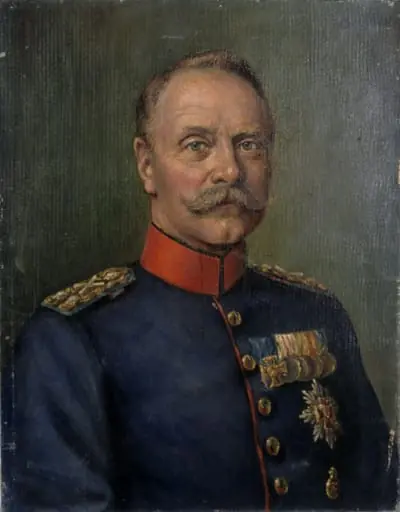 Bildnis: Großherzog Friedrich II. von Baden
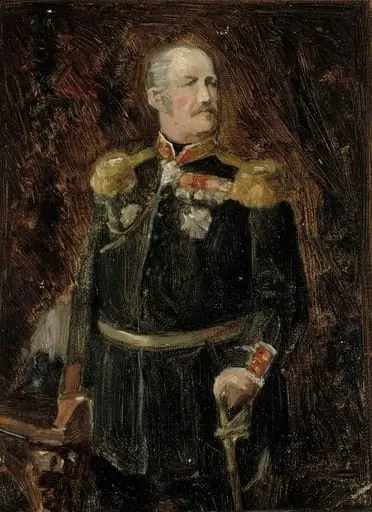 Luonnos kenraaliadjutantti, kreivi Adolf Aminoffin muotokuvaan
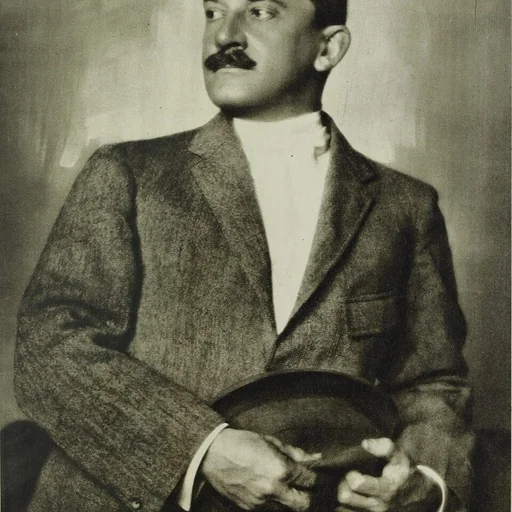
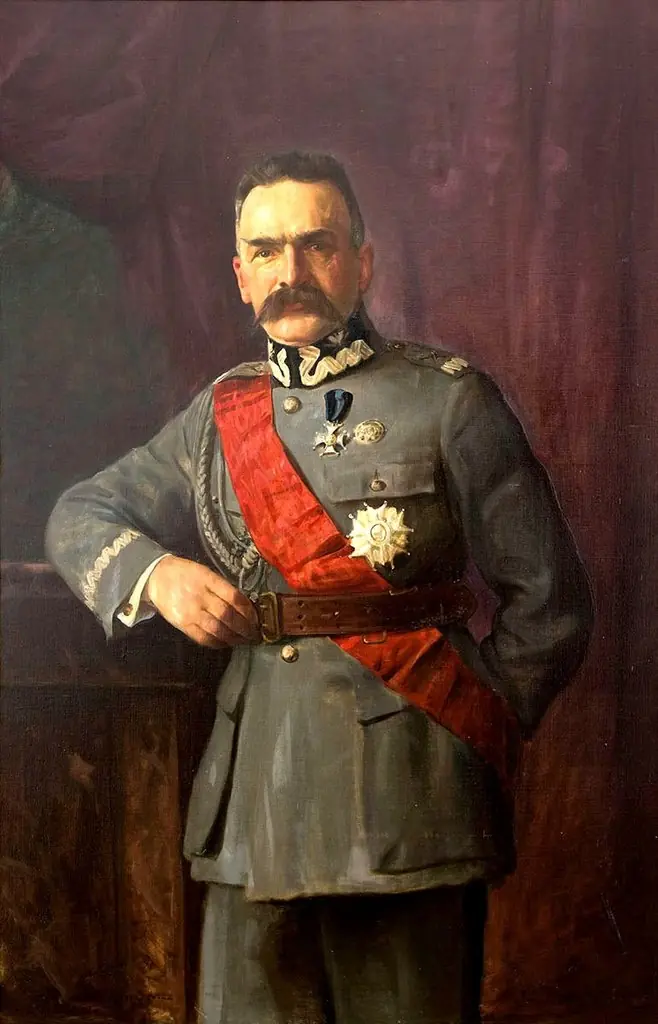 Portret Józefa Piłsudskiego
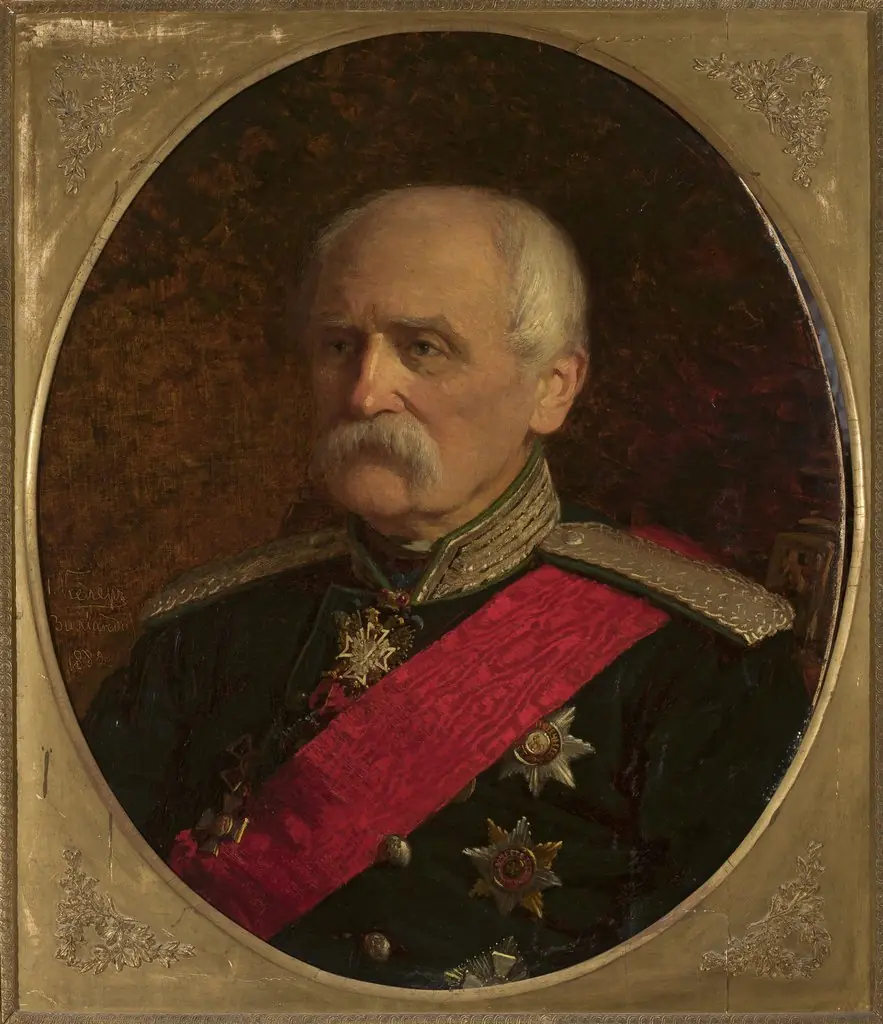 Portrait of major general Stanisław Kierbedź, engineer
 Locotenent colonel Grosschmidt
 Colonelul Salamon
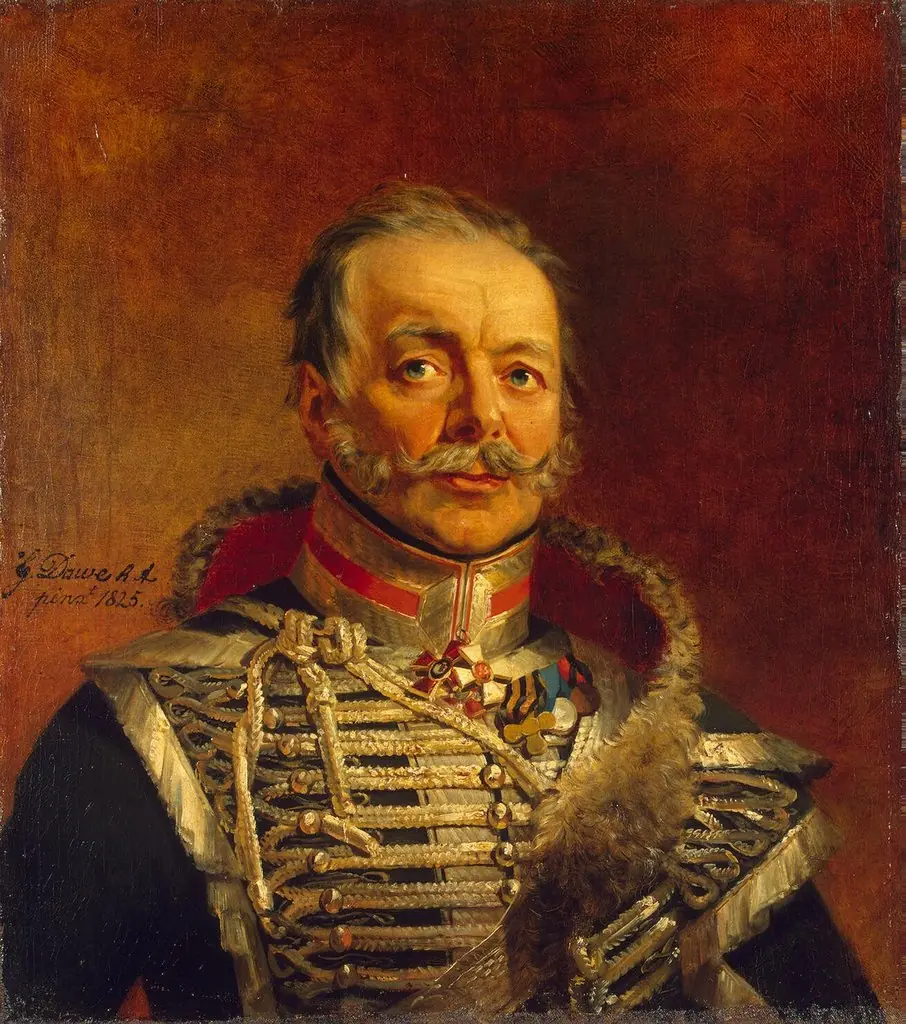 Portrait of Daniil V. Shukhanov (1745-1813/14)
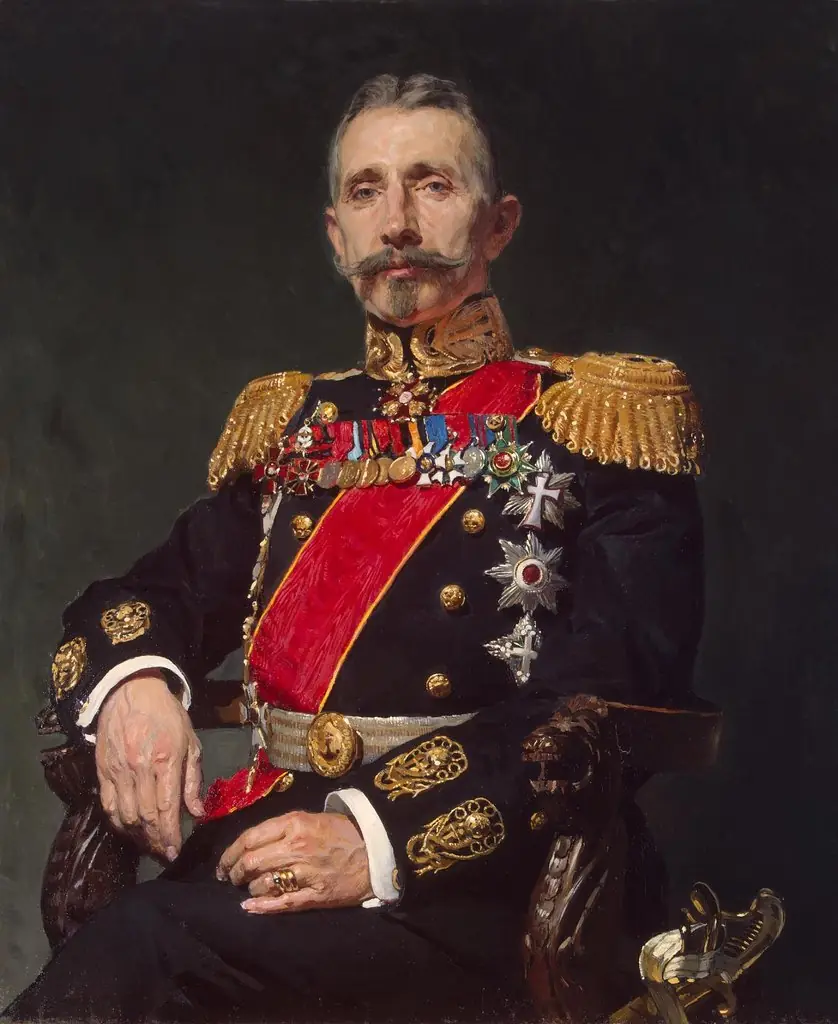 Portrait of Admiral A. I. Rusin
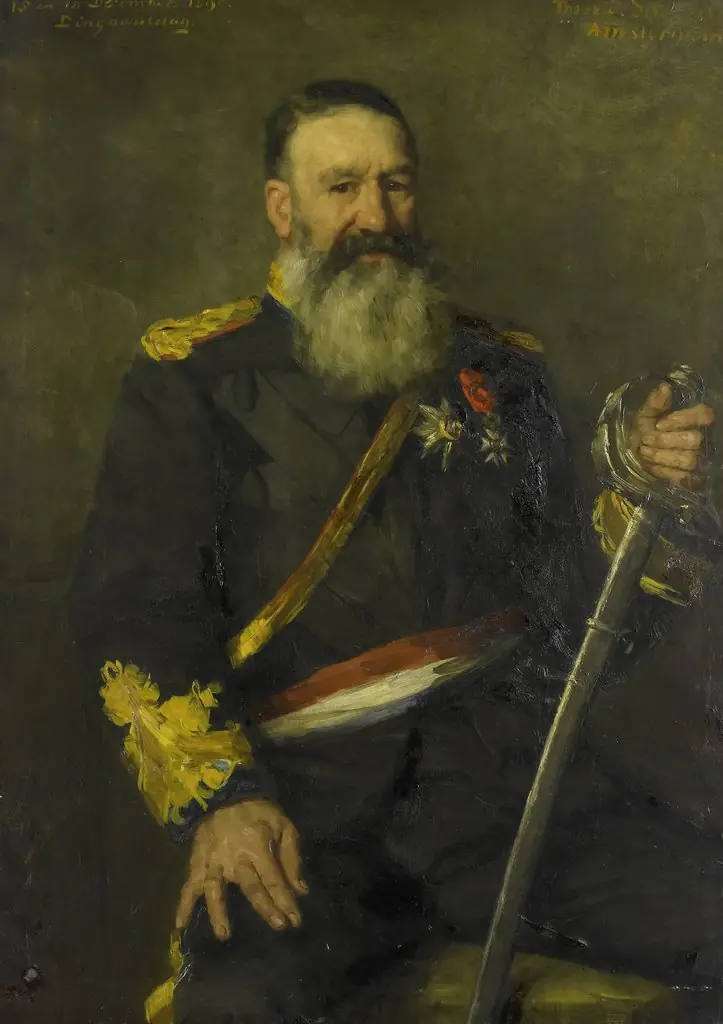 Portrait of Petrus Jacobus Joubert - Commander-General of the South African Republic
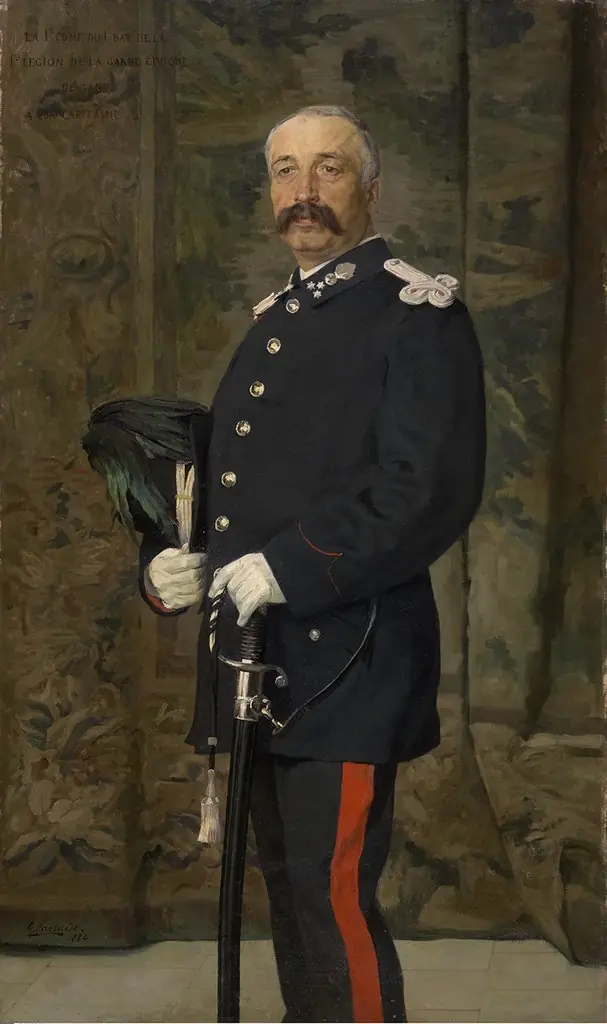 Portret van de heer Bruggeman, kapitein van de burgerwacht