Artwork
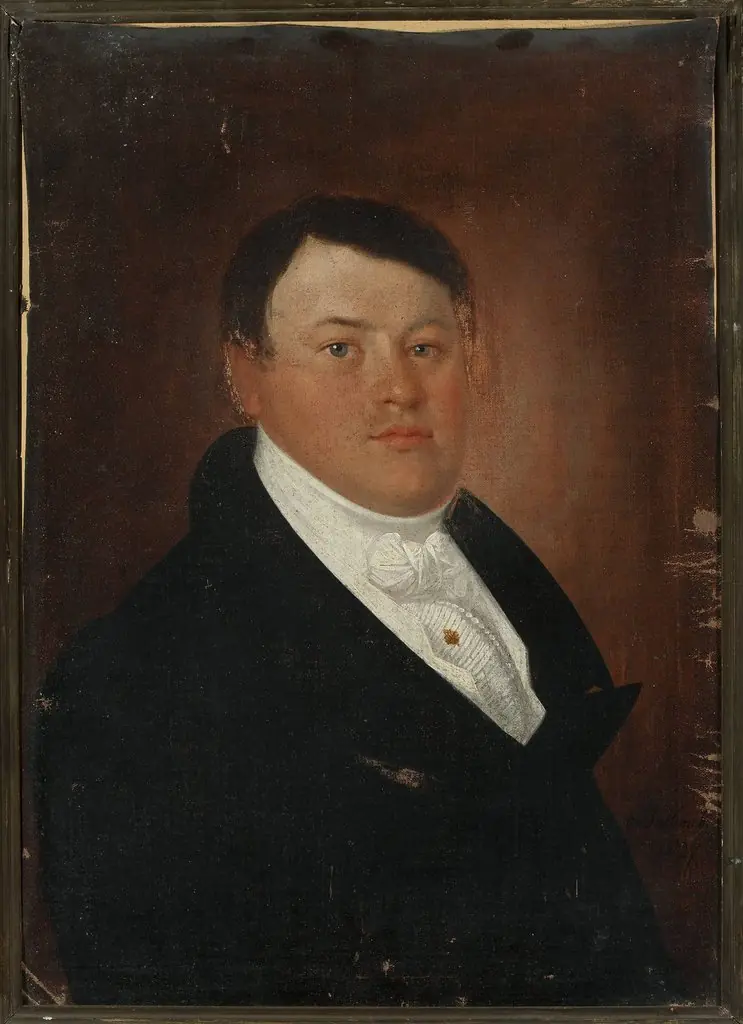
Portrait of Valentin Hellmann
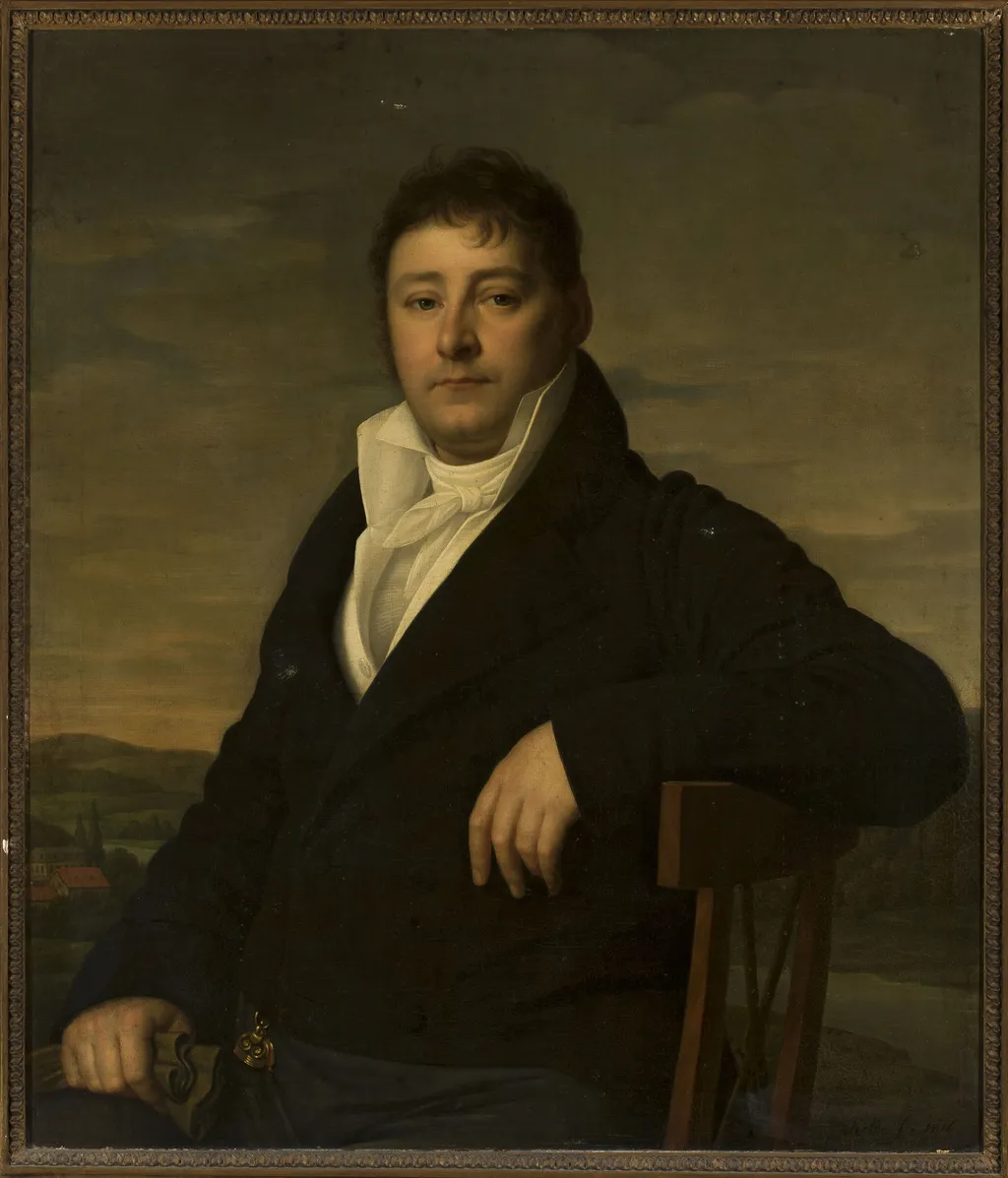
Portrait of Valentin Hellmann is an oil painting by the Biedermeier artist Heinrich Christoph Kolbe. It dates from 1816 and is held in the collection of the National Museum in Warsaw.
About this work
Overview
It is now part of the National Museum in Warsaw’s collection, preserved as an example of early 19th-century German portraiture.
Heinrich Christoph Kolbe painted the portrait of Valentin Hellmann in 1816 using oil on canvas. A figure associated with the Düsseldorf school, Kolbe captured a private individual with quiet formality. The work reflects the restrained aesthetic of the Biedermeier era, emphasizing domestic dignity over grandeur. It is now part of the National Museum in Warsaw’s collection, preserved as an example of early 19th-century German portraiture.
Subject & Meaning
Valentin Hellmann is depicted as a composed, middle-class man, dressed in dark formal attire with a white cravat. His serious expression and restrained posture suggest introspection or social standing rather than theatrical display. The small object held in his hand—possibly a ring or key—hints at personal significance, perhaps symbolizing responsibility or identity. The absence of overt status markers shifts focus to the individual’s presence rather than his title or wealth.
Technique & Style
Kolbe employed subtle tonal gradations and muted colors to convey texture and depth. The dark coat contrasts with the pale skin and white cravat, drawing attention to the face. The background dissolves into shadow, minimizing distraction and isolating the sitter. Brushwork is precise yet unobtrusive, avoiding dramatic highlights or embellishment. This restrained handling aligns with Biedermeier ideals of clarity, order, and emotional restraint.
History & Provenance
The portrait was completed in 1816, during Kolbe’s active years in Germany. It entered the National Museum in Warsaw’s collection at an unknown date, likely through acquisition or donation in the 19th or early 20th century. No records suggest it changed hands frequently; its preservation in a public institution reflects its recognized cultural value within regional art history, though it remains less known outside scholarly circles.
Context
Created during the Biedermeier period, the portrait reflects a broader cultural shift toward domesticity and quiet individualism in Central Europe after the Napoleonic Wars. Public spectacle gave way to intimate representation, and portraiture became a means of affirming personal identity within stable, middle-class life. Kolbe’s work aligns with this trend, favoring sincerity over ornamentation, and private dignity over public display.
Legacy
While not widely exhibited beyond regional collections, the portrait stands as a representative example of Biedermeier portraiture. Kolbe’s approach influenced contemporaries who sought to capture character through understated realism. The painting contributes to understanding how ordinary individuals were visualized in early 19th-century Germany, offering a quiet counterpoint to the more dramatic styles of the preceding Romantic era.
Artist & collection
Artist
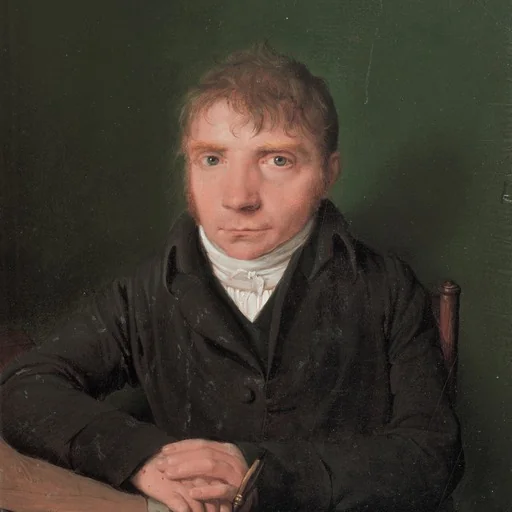
Heinrich Christoph Kolbe (2 April 1771 – 16 January 1836) was a German painter. He is associated with the Düsseldorf school of painting.

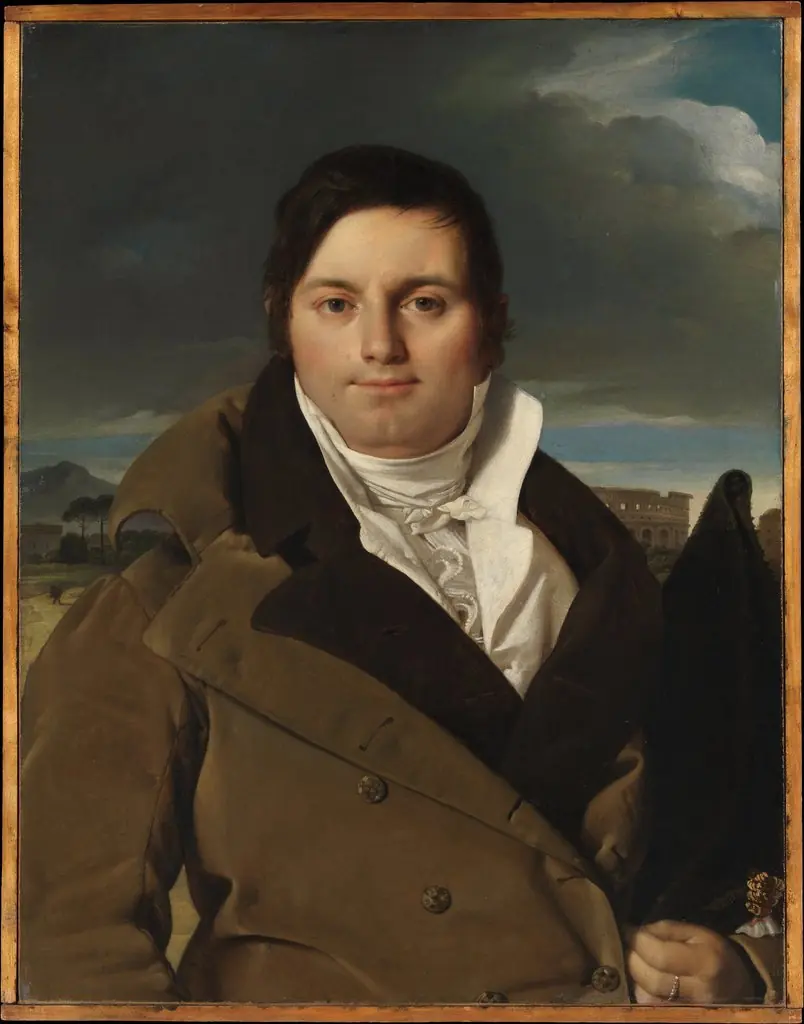 Joseph-Antoine Moltedo
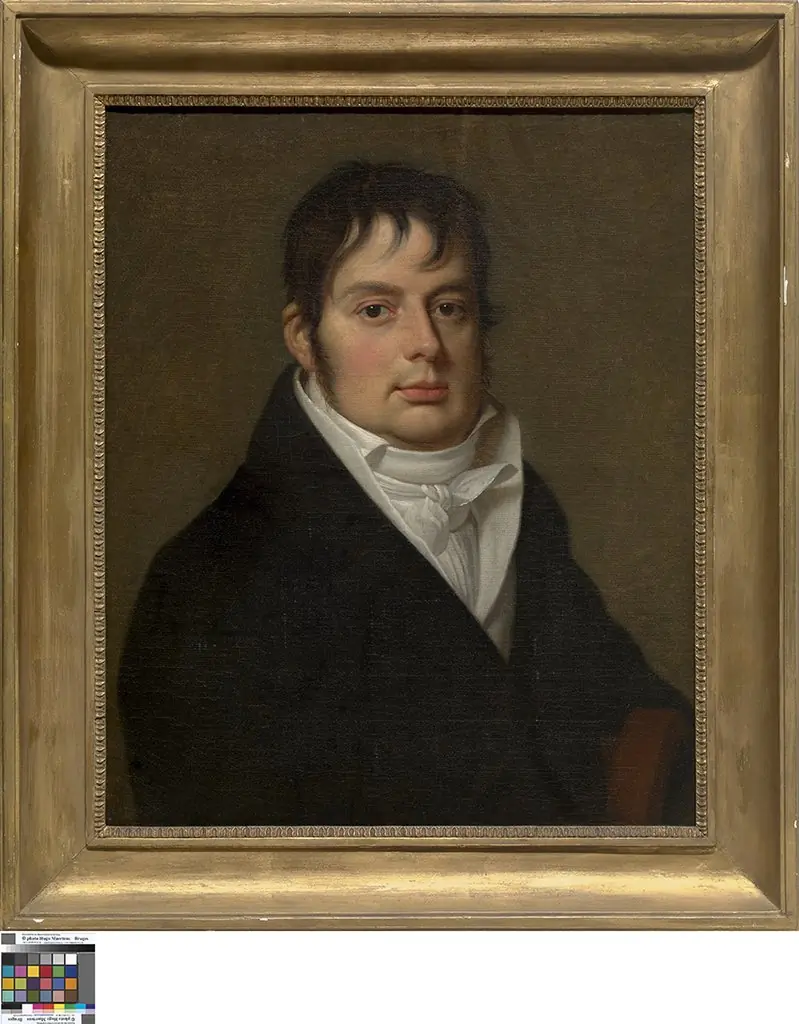 Portret van Geerebaert
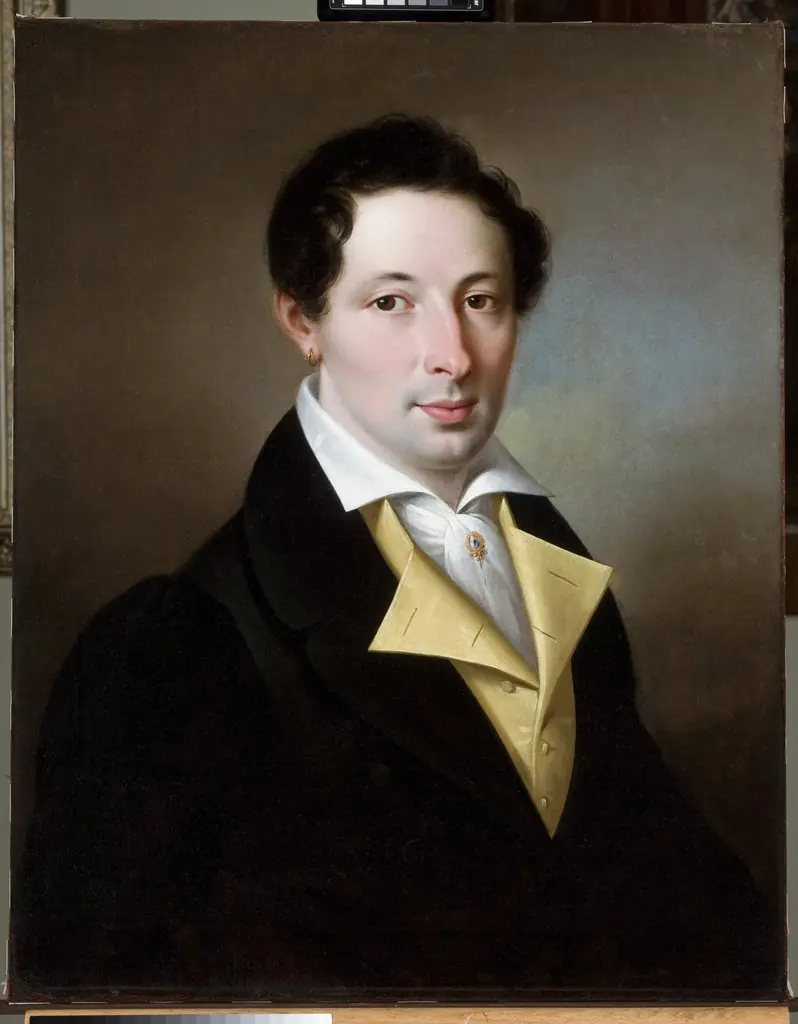 Portrait of Karol Kollarzowski
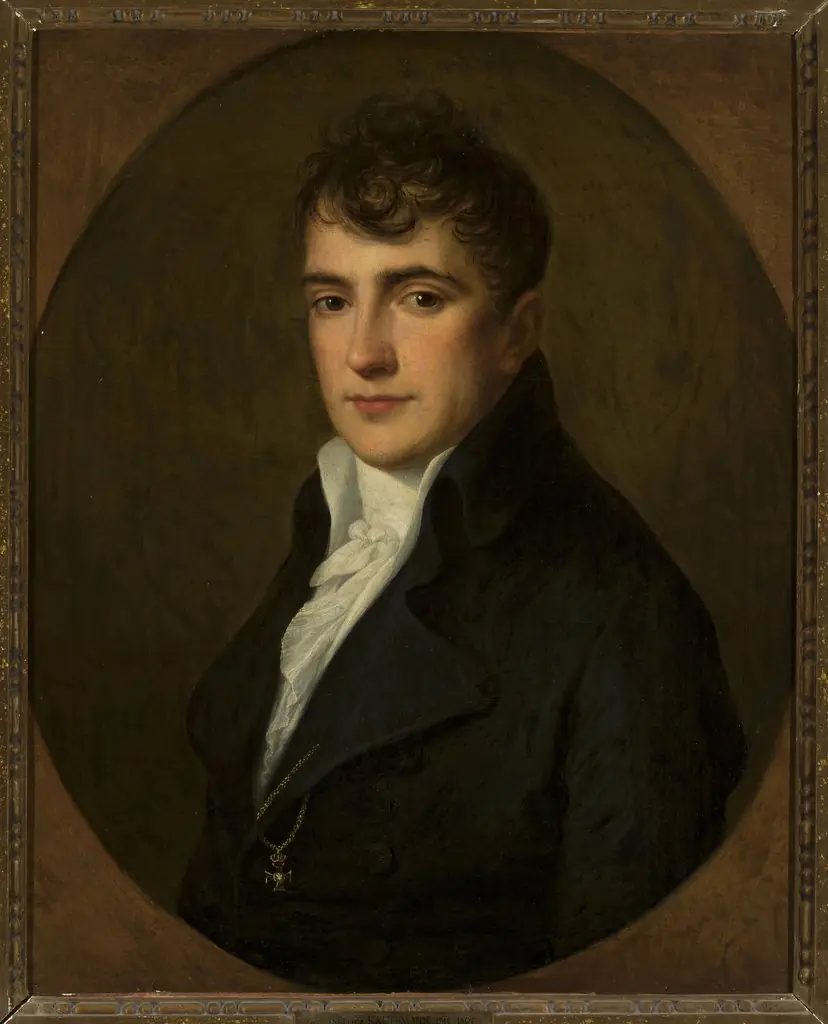 Portrait of Wojciech Męciński
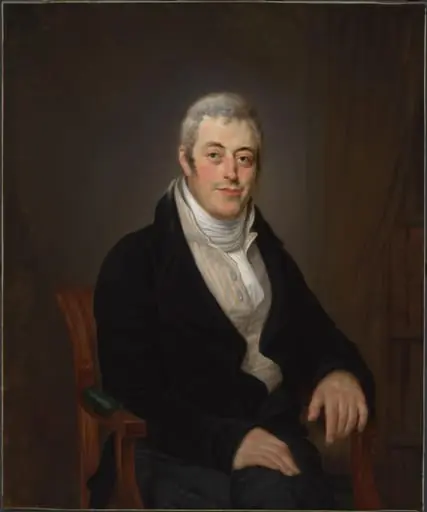 Portrait of Jonas Daniel Meijer (1780-1834)
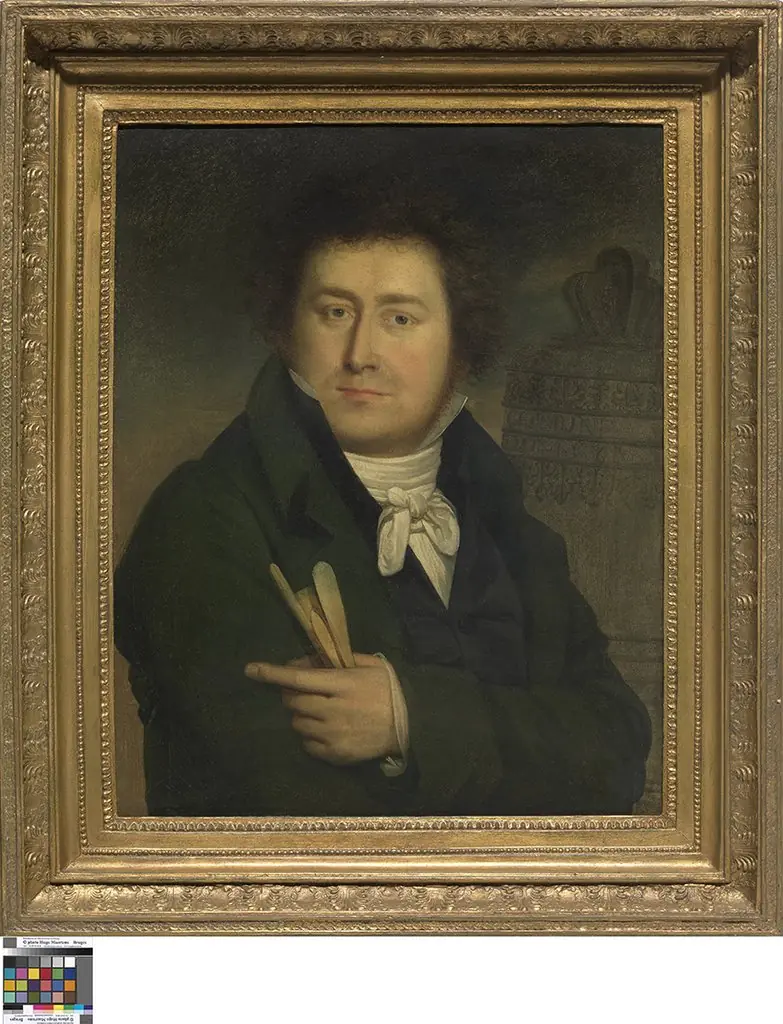 Portret van Jacobus Dumery
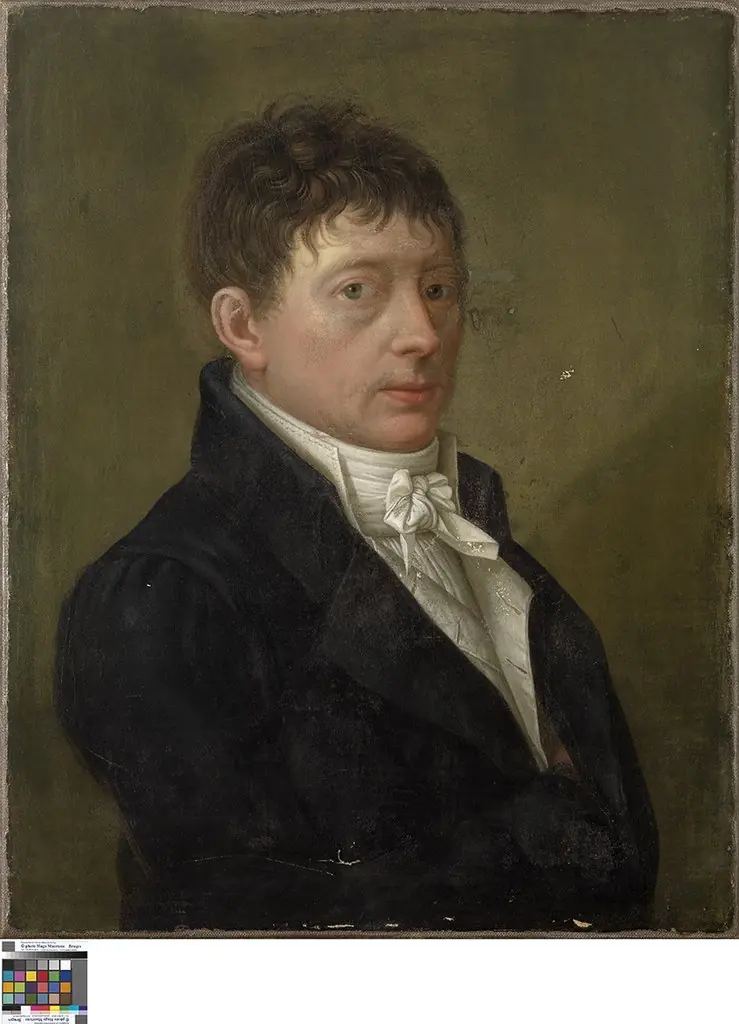 Portret van een man
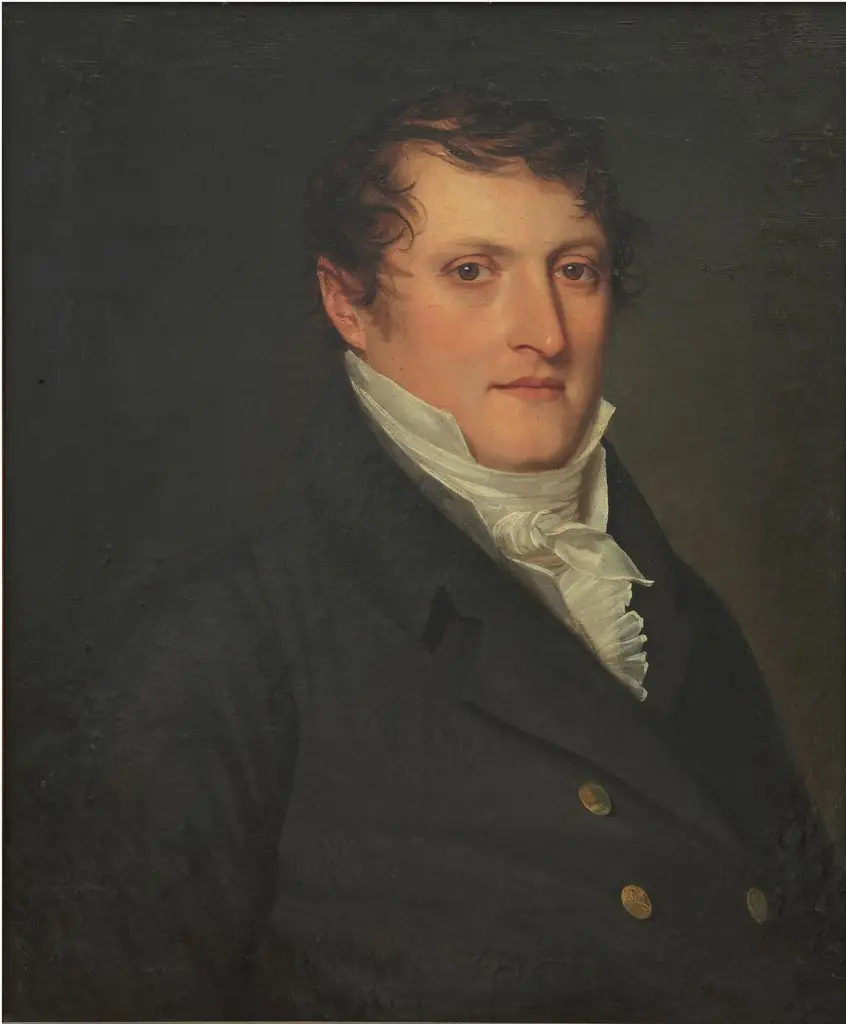 Retrato del Gral. Manuel Belgrano
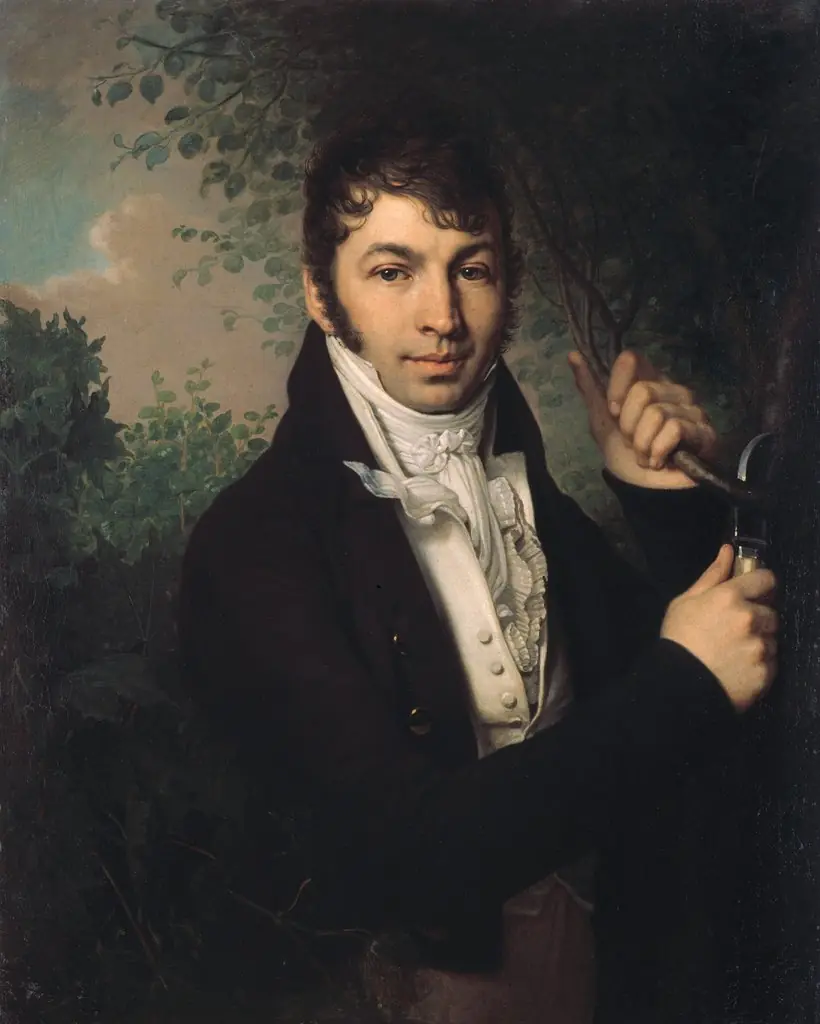 Porträt des Alexander Petrovich Dubovitsky
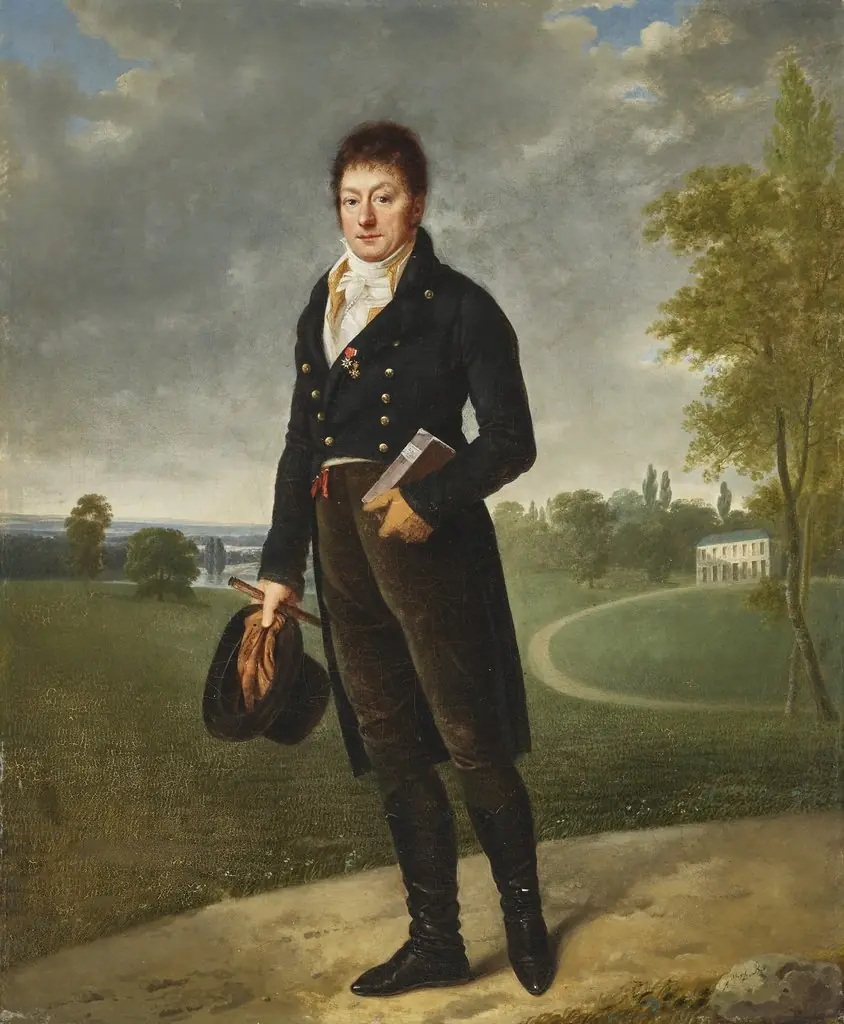 Portrait of a gentleman, full-length, standing in a landscape
 Portrait of a man
 Pieter Onderwater